Johny Imanuel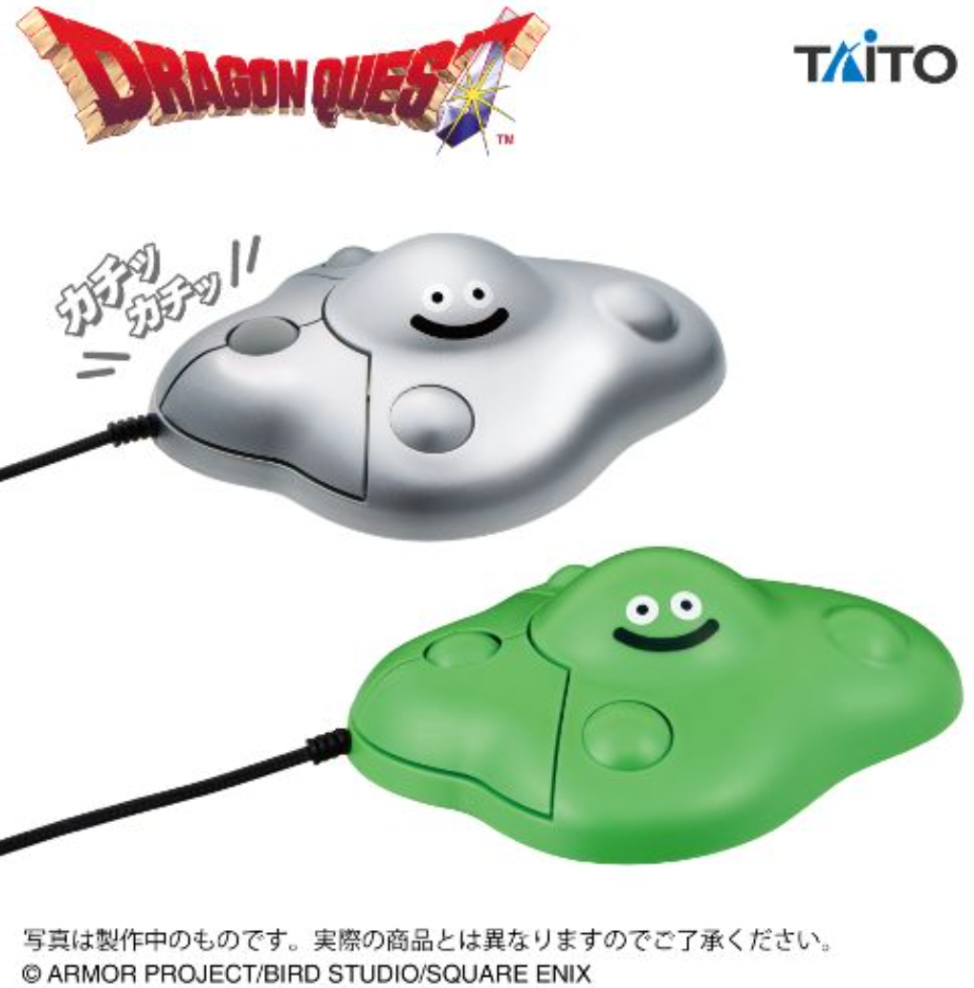
This announcement follows a pattern of successful, limited-engagement releases that leverage the immense popularity of the Dragon Quest series’ mascot characters. While the Metal Slime mouse has seen previous iterations, the introduction of the Bubble Slime—known in Japan as the "Baburu Suraimu"—marks an expansion of the "puddle-style" monster hardware line. These devices are designed to mimic the appearance of the monsters as they appear in the game world: amorphous, liquid-like creatures that seem to melt onto the user’s desk.
Product Specifications and Design Philosophy
The upcoming peripherals are more than mere figurines; they are fully functional, albeit novelty, wired optical mice. According to technical data provided by Taito, both the Metal Slime and the Bubble Slime variants measure approximately four inches (10 centimeters) in length. This compact form factor is intended to mirror the "liquid" aesthetic of the monsters, which are famous for their high agility and tendency to flee from combat in the Dragon Quest games.
The design features a standard three-button configuration. The left and right click buttons are integrated into the front "slopes" of the slime’s body, situated just to the left of the monster’s iconic wide-eyed face. A tactile scroll wheel is centered between these buttons. Despite the modern release date, the mice remain wired peripherals, likely to ensure a lower production cost for arcade prize distribution and to maintain the "plug-and-play" simplicity required for such novelty items.
While specific performance metrics such as Dots Per Inch (DPI) or Inches Per Second (IPS) tracking speeds have not been disclosed, previous versions of the hardware were categorized as standard office-grade peripherals rather than high-performance gaming mice. The primary appeal lies in the tactile and visual representation of the Dragon Quest IP. The Metal Slime features a reflective, chrome-like silver finish, while the Bubble Slime is expected to sport its signature toxic green hue, complete with the "bubbly" protrusions that distinguish it from its metallic cousin.
A Chronology of the Dragon Quest Peripheral Line
The history of the Dragon Quest "liquid" mouse line is a testament to the enduring power of Akira Toriyama’s character designs. The first iteration of the Liquid Metal Slime mouse made its debut in September 2023. At the time, it was released exclusively as a prize for Taito Station arcades and other amusement centers across Japan. The initial reception was overwhelmingly positive, leading to an immediate shortage of units and a surge in prices on the secondary resale market.
Due to this high demand, Square Enix and Taito authorized a second production run, which arrived in Japanese arcades in October 2024. This rerun allowed a broader segment of the domestic fanbase to acquire the item without paying the "collector’s premium" found on auction sites. The April 2026 release represents the third major appearance of the Metal Slime variant and the first time it has been paired with a new elemental counterpart.
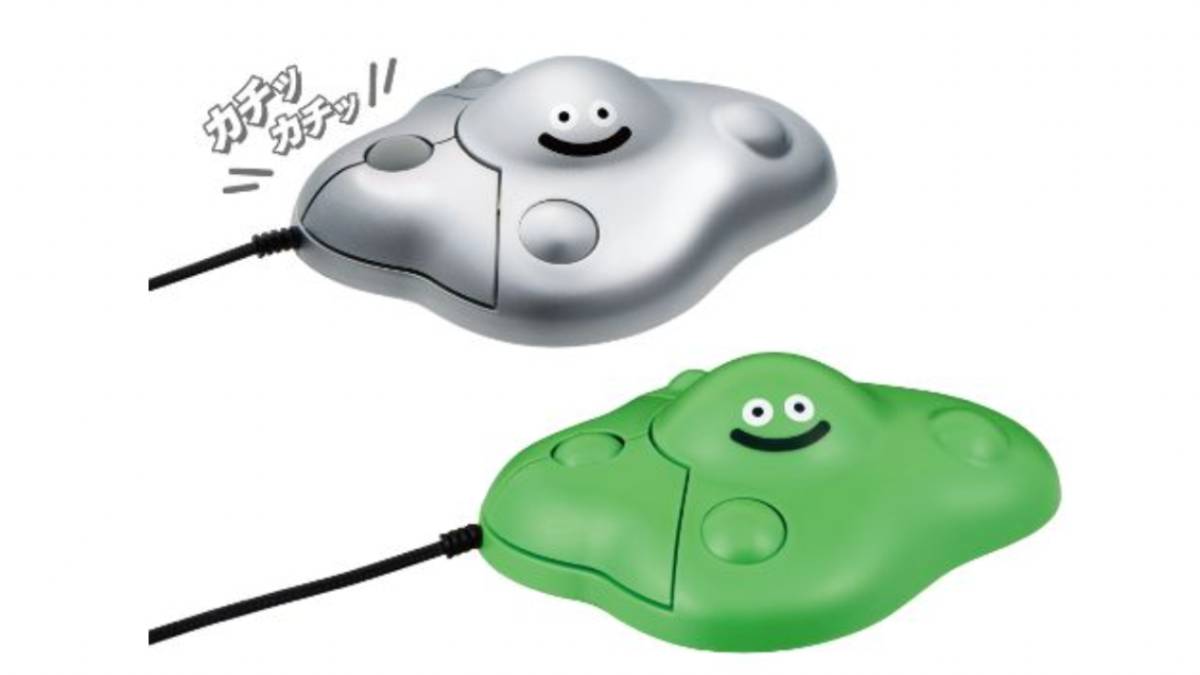
The inclusion of the Bubble Slime is a strategic move that aligns with Dragon Quest’s monster hierarchy. In the game series, the Bubble Slime is often seen as the non-metallic version of the Liquid Metal Slime, sharing a similar "puddle" silhouette but possessing different stats and elemental properties. By offering both, Square Enix is targeting "set collectors" who wish to display the different varieties of liquid monsters side-by-side.
The Arcade Prize Ecosystem and Global Accessibility
One of the most significant aspects of this release is its distribution method. Unlike standard PC peripherals that can be purchased at major retailers like Yodobashi Camera or Bic Camera, these mice are designated as "Taito Prizes." This means they are specifically manufactured for "UFO catchers" and other crane games found in amusement centers.
The prize-tier classification (often referred to as "Amuse" or "Prize" goods) typically means that the items are produced in a single large batch and distributed to arcades. Once the stock is depleted, it is rarely replenished unless a formal rerun is announced. This creates a sense of urgency among fans. For international collectors, this distribution model presents a challenge. Square Enix and Taito have historically not offered these mice through official global storefronts.
However, the international demand for Dragon Quest merchandise has led to a robust "grey market" of importers. Retailers such as Aitai Kuji and various eBay-based proxy services have traditionally filled the gap, purchasing units from Japanese arcades or secondary wholesalers to sell to fans in North America, Europe, and other regions. While these third-party sellers often charge a significant markup, they remain the primary gateway for Western fans to obtain these Japan-exclusive items.
Technical Context and Operating System Support
A point of discussion among tech-savvy fans regarding the 2026 release is the software environment in which these mice will operate. Documentation from the 2023 and 2024 releases indicated compatibility with Windows 8 and Windows 10. However, the landscape of PC computing has shifted significantly since then. Microsoft officially ended support for Windows 10 in October 2025, just months prior to this new production run.
Taito’s updated product pages for the 2026 variants have been notably silent regarding specific Operating System (OS) support. While standard HID-compliant (Human Interface Device) mice generally function across all modern operating systems without the need for proprietary drivers, the lack of "Windows 11" certification on the packaging of novelty goods is a common occurrence in the Japanese prize market. Analysts suggest that the hardware is likely to function on any system that supports a USB-A connection, including Windows 11, macOS, and Linux, though the "official" support may remain focused on legacy documentation.
The Cultural Significance of the Slime
To understand why a computer mouse shaped like a puddle of liquid would generate such consistent interest, one must look at the cultural footprint of Dragon Quest. Since its inception in 1986, the series has served as the blueprint for the Japanese RPG genre. The Slime, designed by the late Akira Toriyama, was originally intended to be a weak, introductory monster. Instead, it became a national icon.
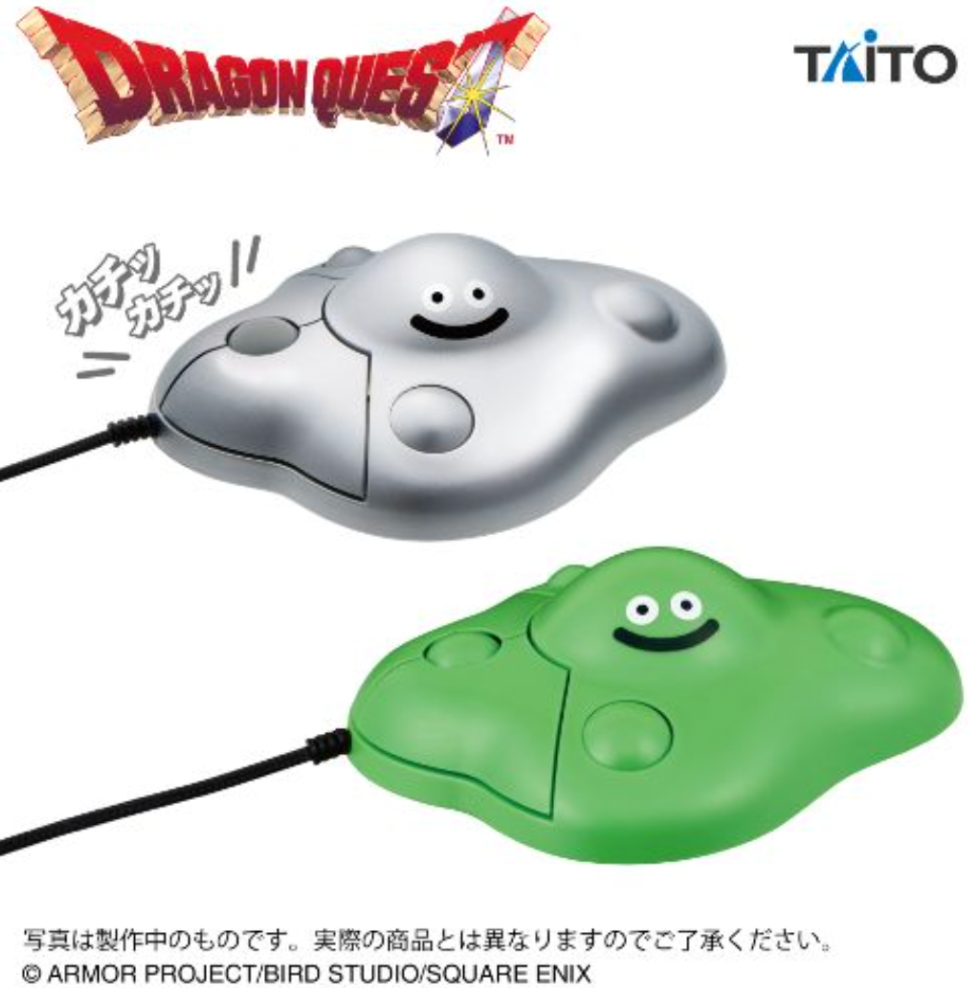
The Liquid Metal Slime (Hagure Metal) holds a special place in the hearts of players because of its role in the game’s mechanics. These monsters provide astronomical amounts of experience points but are notoriously difficult to hit and prone to fleeing the battle on the first turn. Owning a "Liquid Metal Slime" that is literally tethered to one’s desk via a USB cable provides a humorous irony that resonates with long-time players: the monster that always runs away is finally caught.
Market Analysis and Merchandise Trends
The decision to continue the Dragon Quest mouse line reflects a broader trend in Square Enix’s merchandising strategy. The company has increasingly moved toward "lifestyle" products—items that integrate gaming culture into daily routines. In recent years, Square Enix has released Dragon Quest-themed waffle makers, humidifiers, floor mops, and even kitchen timers.
Industry analysts note that functional merchandise often has a longer shelf life and higher perceived value than static figurines. A computer mouse is a tool used daily by office workers and gamers alike, making it a "practical" collectible. By iterating on the design with the Bubble Slime, Square Enix is testing the viability of "variant collecting" within the PC peripheral space.
The timing of the release in April 2026 also coincides with the start of the Japanese fiscal year, a period often characterized by increased consumer spending and a refresh of arcade inventory across the country. It is expected that the "Liquid Slime" series will remain a staple of Taito’s prize lineup as long as the Dragon Quest IP continues to hold its dominant position in Japanese popular culture.
Conclusion and Future Outlook
As the April 2026 launch approaches, anticipation remains high within the Dragon Quest community. The return of the Metal Slime mouse and the debut of the Bubble Slime variant represent a perfect intersection of nostalgia, functional design, and the unique "prize culture" of Japan.
While technical specifications remain modest, the allure of the product is found in its aesthetic charm and its status as a tangible piece of gaming history. For those outside of Japan, the hunt for these elusive "liquid" peripherals will likely involve navigating international resellers, echoing the in-game experience of trying to catch a Metal Slime before it disappears. As Square Enix continues to explore the boundaries of its intellectual property, the success of this run may pave the way for even more slime variants, perhaps even the elusive "King Slime" or "Healslime," to eventually make their way onto the desks of fans worldwide.