Retno Hari Mulyono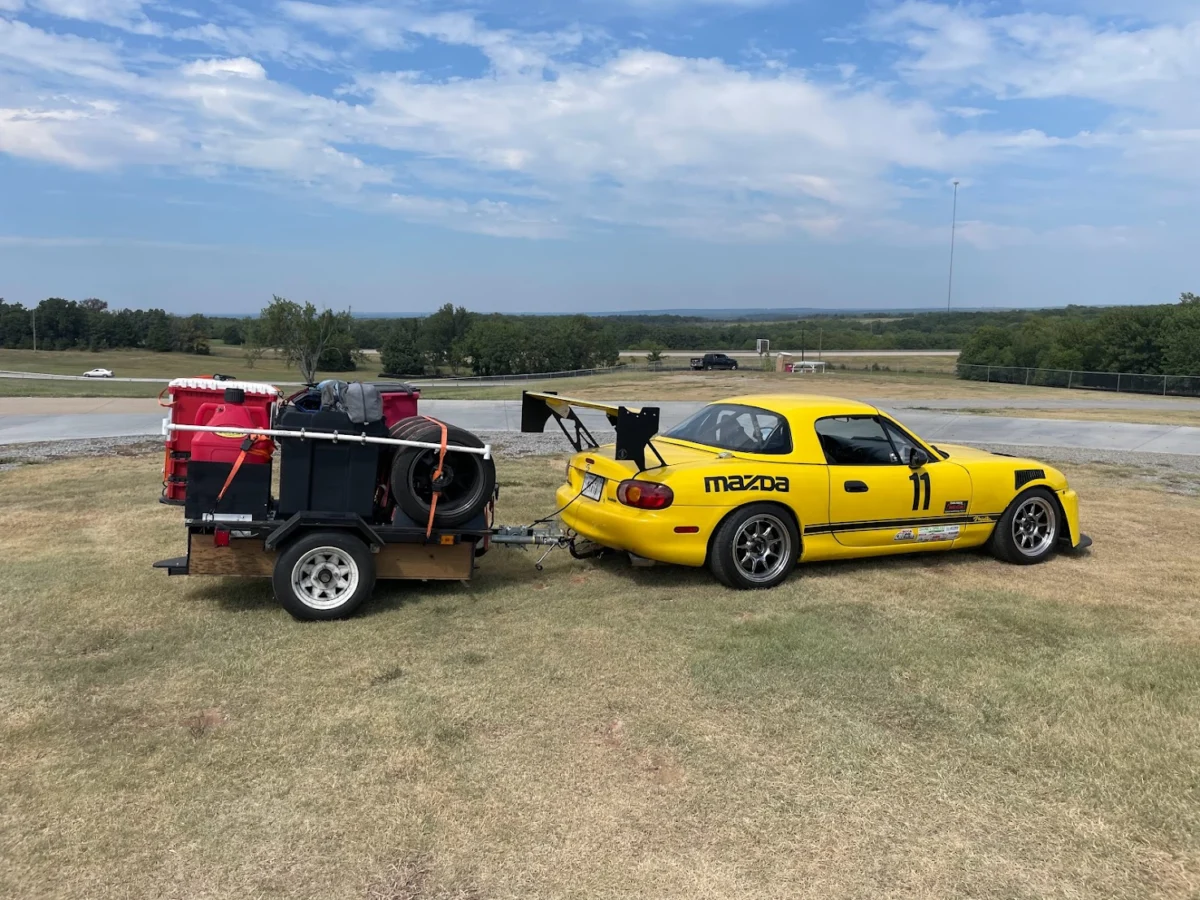
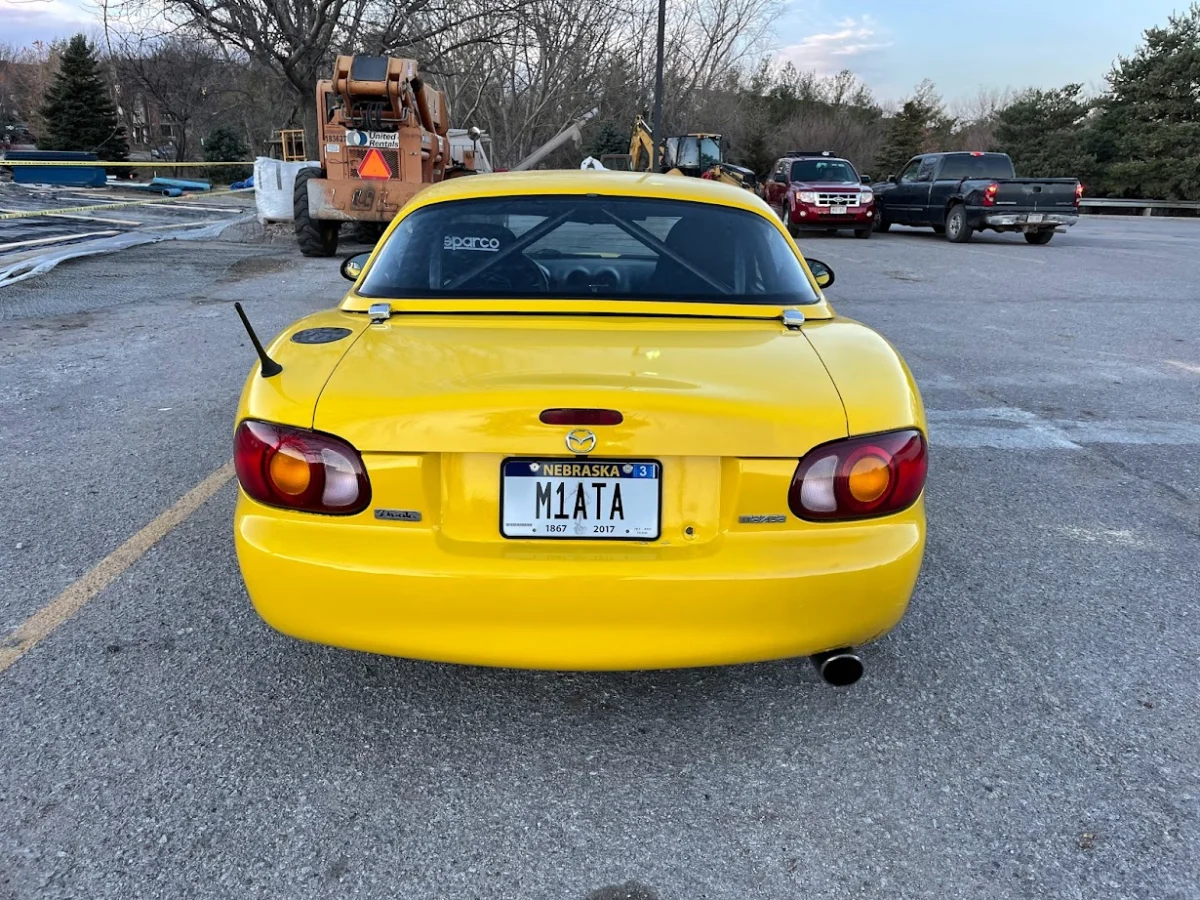
The third year of ownership for this Mazda Miata NB (1998–2005 generation) serves as a comprehensive case study in the iterative development of a grassroots track and autocross vehicle. Spanning from March 2023 through February 2024, the ownership period was characterized by significant aerodynamic experimentation, mechanical endurance testing, and a rigorous competitive schedule involving 30 days of high-intensity driving. This report analyzes the technical modifications, logistical upgrades, and regional motorsport impacts observed during this twelve-month cycle, providing a data-driven look at the evolution of a modern classic sports car into a dedicated competition machine.
Aerodynamic Integration and Logistical Optimization
The season commenced in March 2023 with a focus on logistical efficiency. Grassroots racers often face the "support vehicle dilemma"—the need to transport tools, fuel, and spare tires without a full truck-and-trailer setup. The solution implemented here involved a custom-built tire trailer, which underwent significant structural upgrades. By adding a lower deck positioned below the axle, the center of gravity was lowered, improving stability during transit. The addition of a 15-gallon fuel cell and specialized mounting for spare splitters and Gurney flaps transformed the Miata into a self-sufficient racing unit capable of supporting multi-day events.
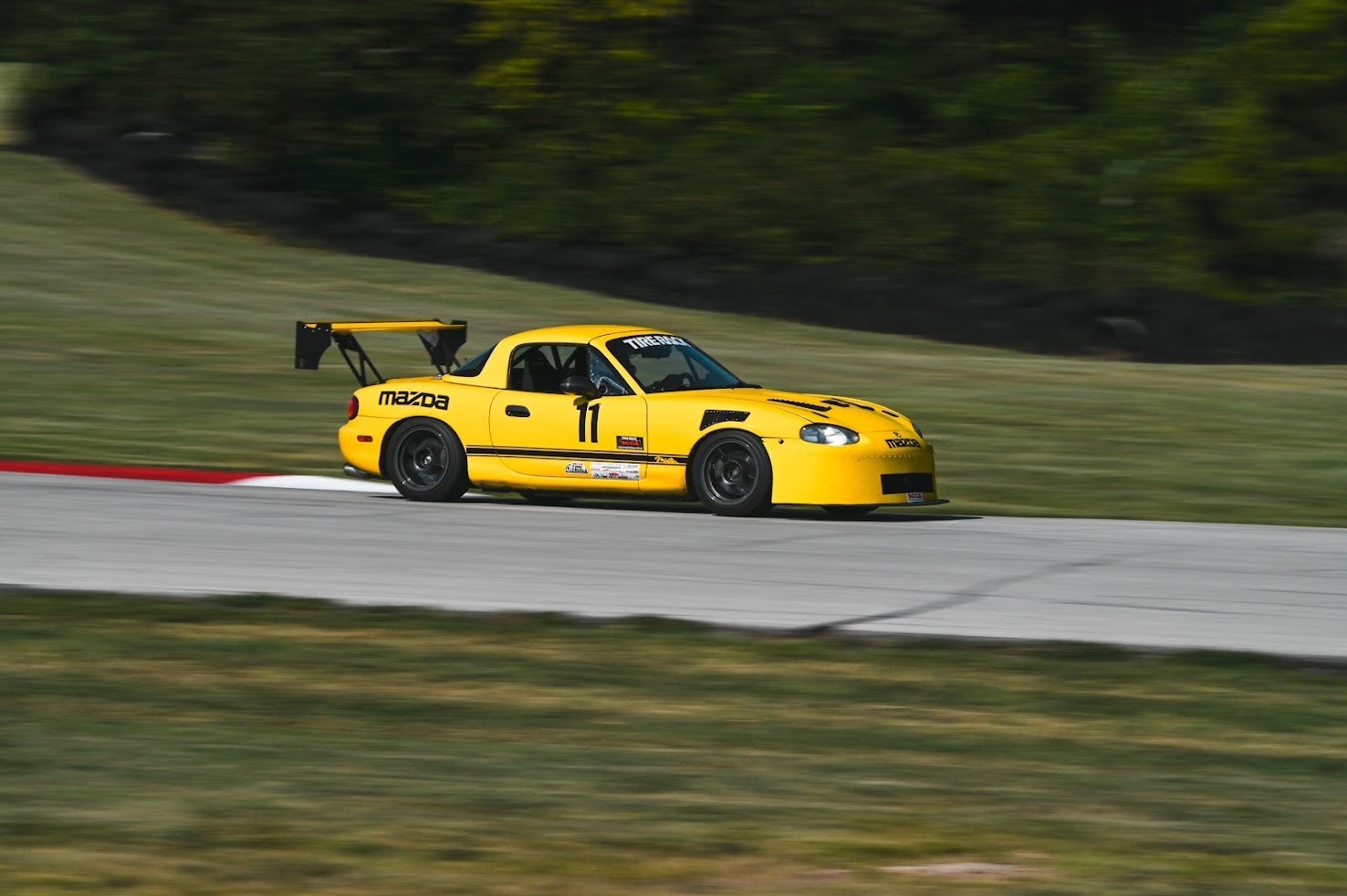
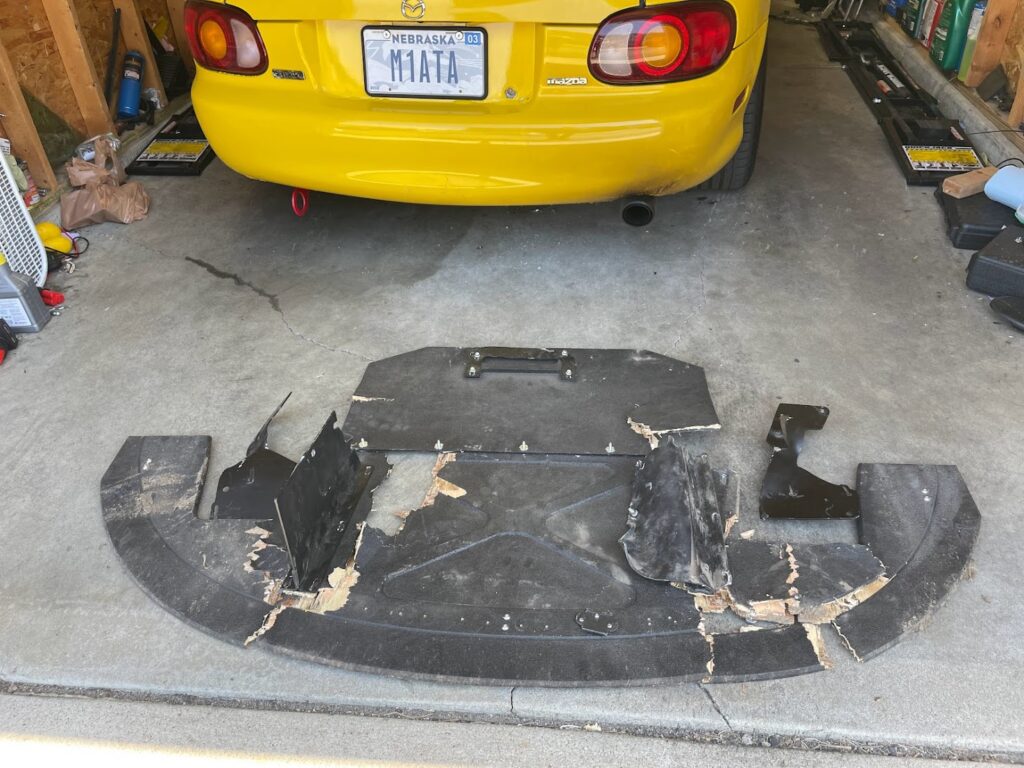
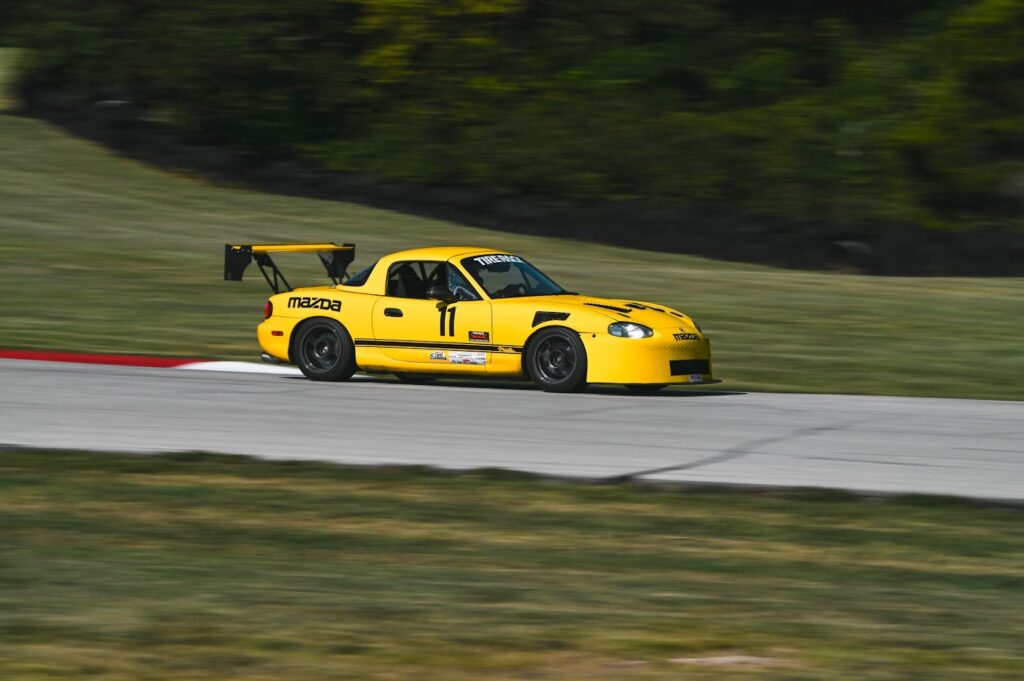
However, the pursuit of performance via aerodynamics introduced immediate challenges. In April 2023, following the installation of a Nine Lives Racing medium downforce kit, the vehicle suffered a significant "off-track" excursion during a high-speed turn. The incident resulted in the destruction of the front splitter and damage to the radiator support. This event highlights a critical reality in amateur racing: the fragility of low-hanging aerodynamic components. The subsequent transition from expensive composite materials to 1/2-inch plywood splitters underscores a pragmatic trend in the Miata community, where cost-effective, sacrificial components are preferred for high-wear areas.
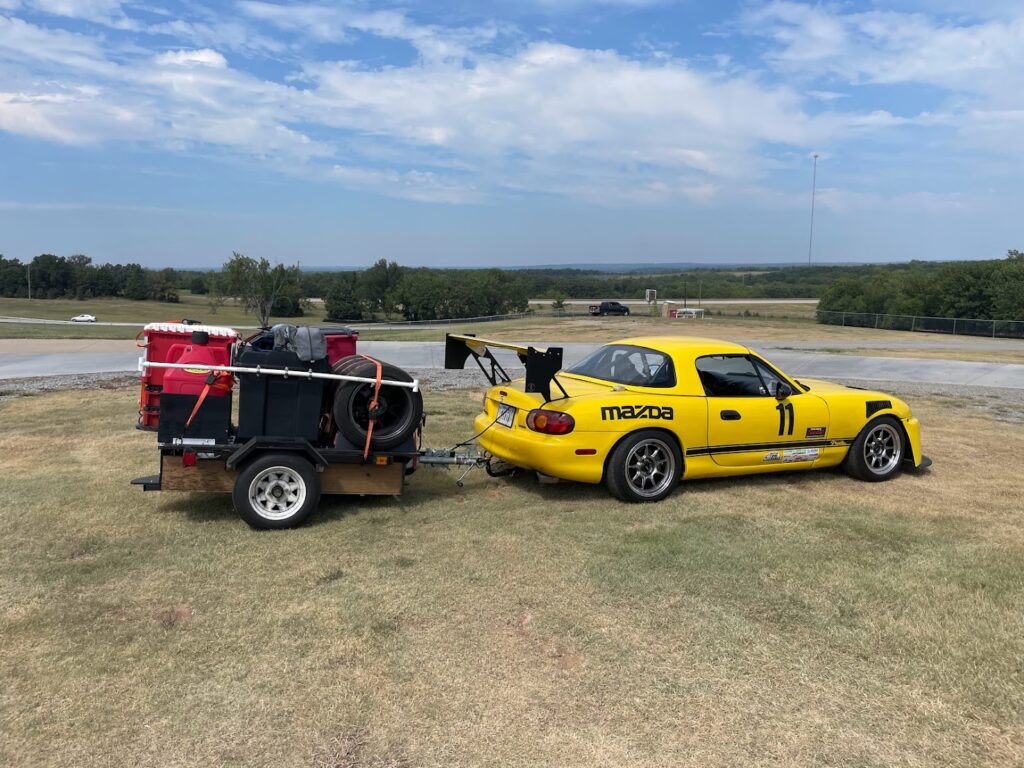
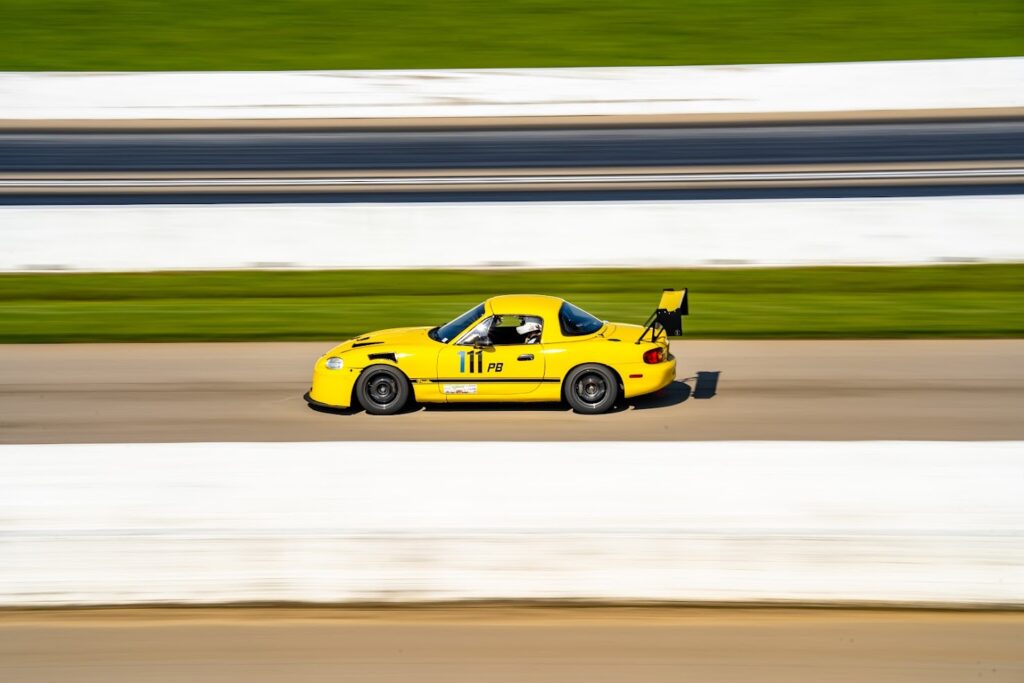
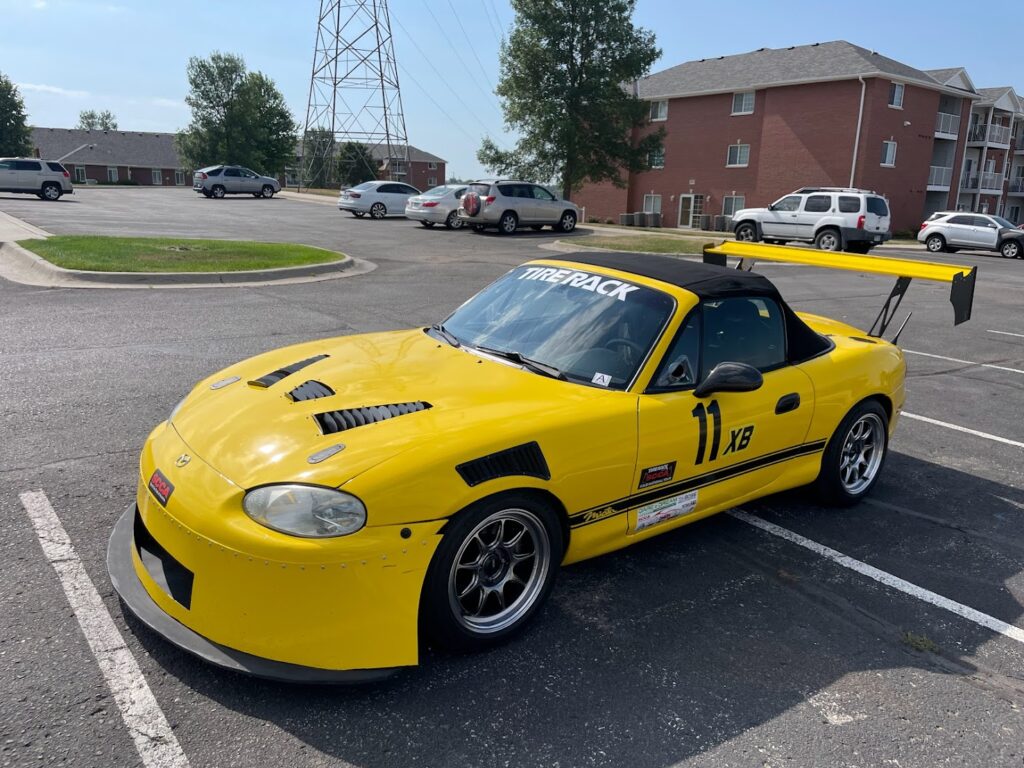
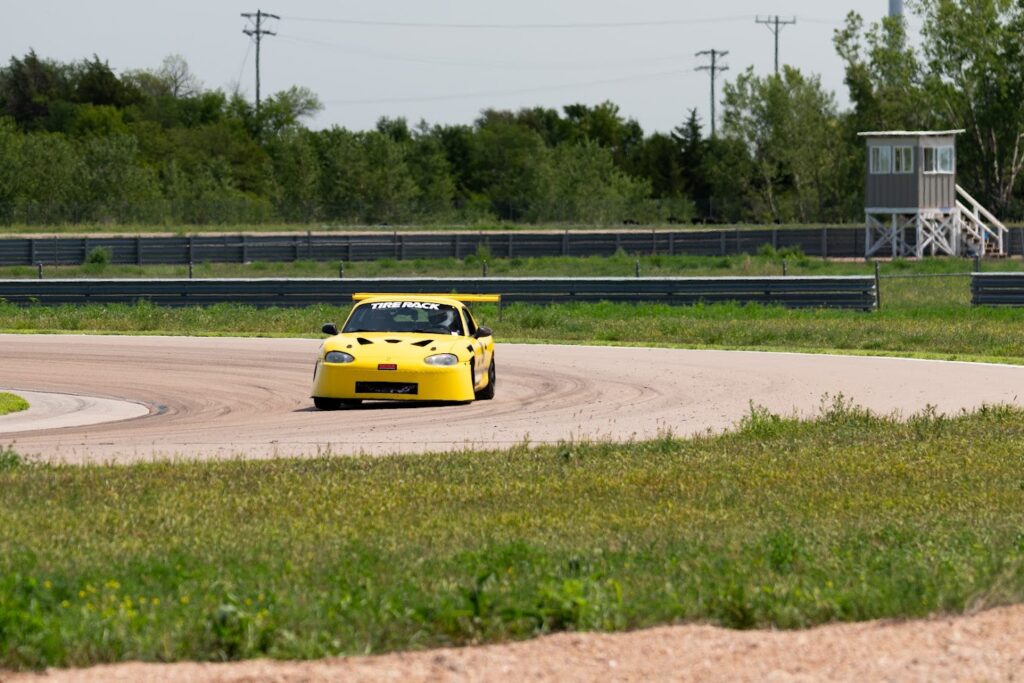
Technical analysis suggests that front-end downforce is highly sensitive to ground clearance. While the plywood solution offered durability, the driver noted that bottoming out remained a persistent issue on uneven track entrances. By late spring, the aerodynamic package was further refined by the removal of the soft top in June 2023. Empirical testing indicated that the rear wing’s efficiency was compromised by the turbulent airflow of an open cockpit; the permanent installation of a hardtop was required to provide a clean "attach" for the air moving toward the rear element.
Regional Track Dynamics and the Heartland Closure
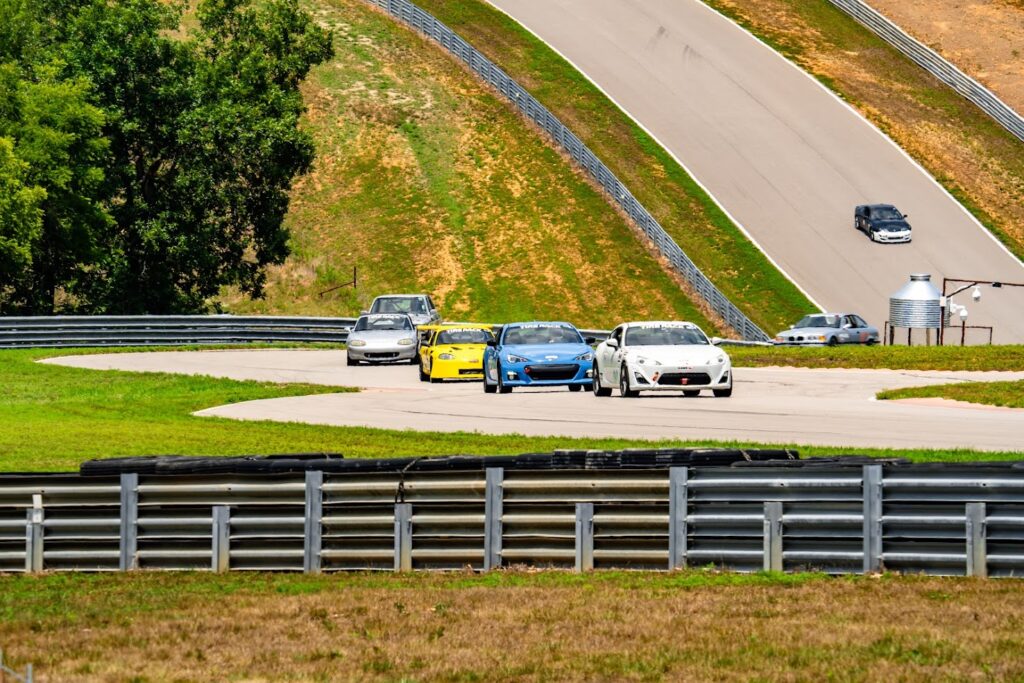
The competitive calendar for 2023 was marked by participation in SCCA Time Trials, a format that rewards consistency and incremental lap-time improvements. In May, the vehicle was campaigned at Heartland Motorsports Park in Topeka, Kansas. This event was historically significant, as Heartland Motorsports Park officially ceased operations at the conclusion of the 2023 season. The closure stemmed from a protracted legal dispute between the track ownership and Shawnee County over property taxes, leading to the auctioning of the land. The loss of this facility represents a significant blow to Midwest motorsport infrastructure, as it was one of the few venues in the region capable of hosting national-level SCCA and NASA events.
In July 2023, the focus shifted to Ozarks International Raceway (OIR). Unlike the relatively flat terrain of many Midwest tracks, OIR is characterized by extreme elevation changes and blind crests, often compared to a "mini-Nürburgring." The technical demands of OIR exposed a mechanical weakness in the Miata’s drivetrain: the clutch began to slip under load. Due to time constraints, a standard organic replacement was installed—a move that highlights the constant balance between "optimal" parts and "available" parts in a racing season. Despite the temporary mechanical setback, the driver reported that the added aero provided essential stability on OIR’s high-speed, off-camber sections.
Thermal Management and Driver Endurance
A critical but often overlooked aspect of grassroots racing is driver thermoregulation. During the "Miatas at Hallett" event in September 2023, the vehicle was equipped with a "Cool Shirt" system. This technology utilizes a trunk-mounted cooler to pump ice-chilled water through a network of tubes integrated into a wearable vest.
In professional racing (IMSA, SRO), driver cooling is a regulated necessity. In the amateur sphere, it is an elective upgrade that yields measurable results in consistency. Data suggests that as cabin temperatures exceed 100°F (38°C), driver reaction times slow and cognitive errors increase. The implementation of this system allowed for longer sessions without physical degradation, particularly at Hallett Motor Racing Circuit, which features frequent elevation changes and high-G corners that demand high physical input from the driver.
Powerplant Evaluation and the BP-Series Engine Program
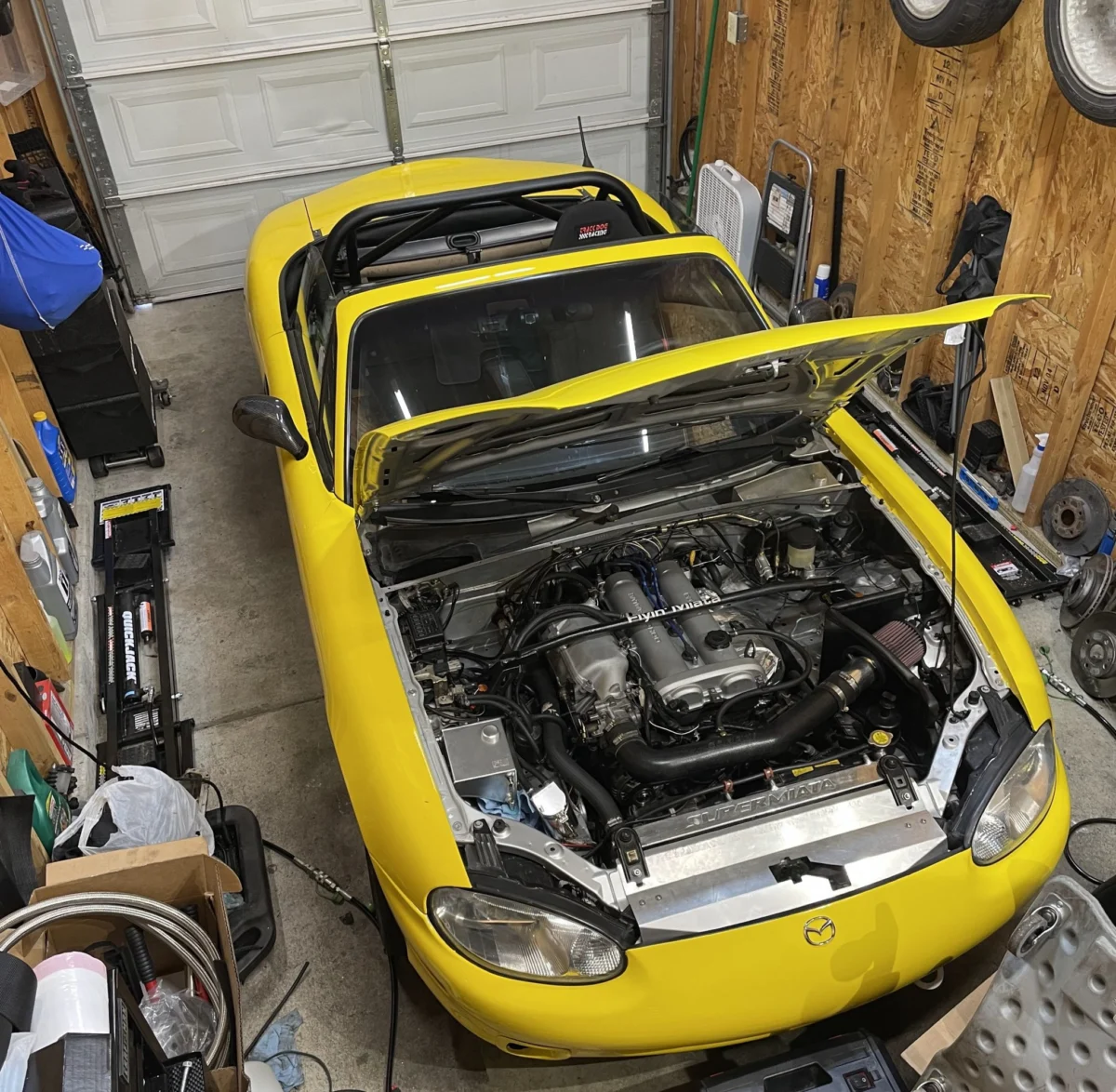
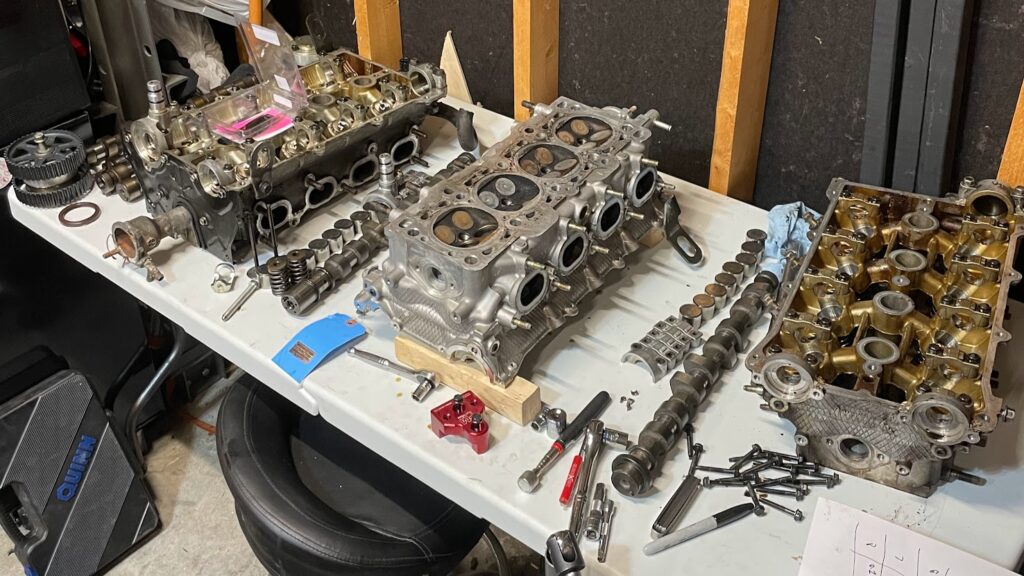
By October 2023, the original BP4W engine—the 1.8L factory-installed unit—showed signs of significant wear, specifically oil consumption at redline and smoke during engine braking. The BP4W, utilized in the 1999–2000 Miata, is prized for its high-flowing cylinder head, but the high-mileage unit in this case study began to exhibit "negative valve clearance," a condition where the valve stems stretch or the seats wear down, preventing the valves from closing fully.
The owner’s strategy for 2024 involves a sophisticated "parts-bin" engine build. The inventory includes:
- BP4W (1999-2000): Known for its solid head flow but lack of Variable Valve Timing (VVT).
- BP6D (2001-2005): Features VVT, which provides a broader torque curve, essential for exiting slow corners.
The technical objective is to marry the rebuilt BP6D head (with VVT) to a refreshed BP4W bottom end using high-compression BP6D pistons. This hybrid approach aims to maximize mid-range torque while maintaining the reliability required for 30+ track days per year.
Weight Reduction and Class Competitive Analysis
The off-season (December 2023 – February 2024) focused on the "Power-to-Weight" ratio, the primary metric for SCCA Time Trials classing. To remain competitive in mid-tier classes without the immediate expense of a turbocharger or supercharger, weight reduction became the priority.
Key deletions included:
- Dashboard and Interior Trim: Removal of non-structural plastics and the factory dashboard.
- Wiring Harness Thinning: The removal of unused circuits (audio, airbags, creature comforts) reduces both weight and electrical complexity.
- Safety Upgrades: The installation of an OMP 330mm quick-release steering wheel. While primarily a safety feature to allow rapid egress, the system also provided a slight weight reduction compared to the airbag-equipped factory unit.
In total, approximately 50 lbs (22.7 kg) were removed from the vehicle. In a car that weighs roughly 2,300 lbs, a 50-lb reduction is statistically significant, representing a nearly 2% improvement in the power-to-weight ratio.
Tire Performance Data and 2023 Statistics
The 2023 season provided a wealth of data regarding "Super 200" category tires—the street-legal but track-focused rubber required for many amateur classes.
Tire Log Analysis:
- Falken RT660: Utilized for 15 track days. Data showed the tires maintained competitive grip through 38 heat cycles and 8.5 hours of track time. This durability makes the RT660 a favorite for "budget" endurance.
- Bridgestone RE71-RS: Used for 17 autocross events (approx. 70 runs). These tires showed superior "cold" grip compared to the Falkens, which is essential for the short-duration sprints of autocross.
- Continental ExtremeContact Sport: Tested in wet conditions. Analysis showed these "UHP Summer" tires could match the pace of worn "Super 200" tires in the rain, highlighting the importance of tread depth and silica compounds in inclement weather.
Conclusion and Future Outlook
After three years of ownership, the NB Miata has transitioned from a dual-purpose street car to a specialized competition tool. The 2023 season statistics—15 track days and 15 autocross days across five states—demonstrate the high utilization rate possible with the Miata platform.
While the vehicle currently excels in cornering speed and braking zones, it remains at a disadvantage on long straights compared to modern turbocharged competitors. The data collected over the past twelve months suggests that the next phase of development must move beyond weight reduction and aerodynamics toward forced induction or a high-compression engine build. As the 2024 season approaches, the focus remains on closing the gap to the top of the Time Trials leaderboards through the integration of the BP6D VVT engine and continued refinement of the driver-vehicle interface. The project remains a testament to the enduring viability of the NB Miata in the modern landscape of North American grassroots motorsport.