Cecilia Chamidah Nur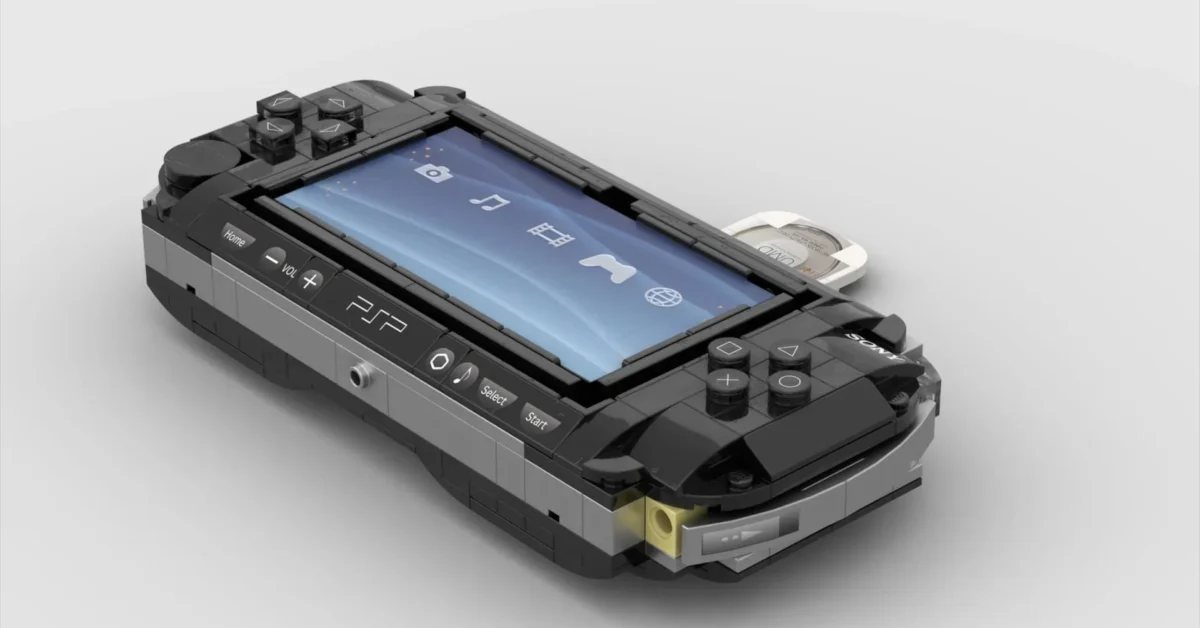
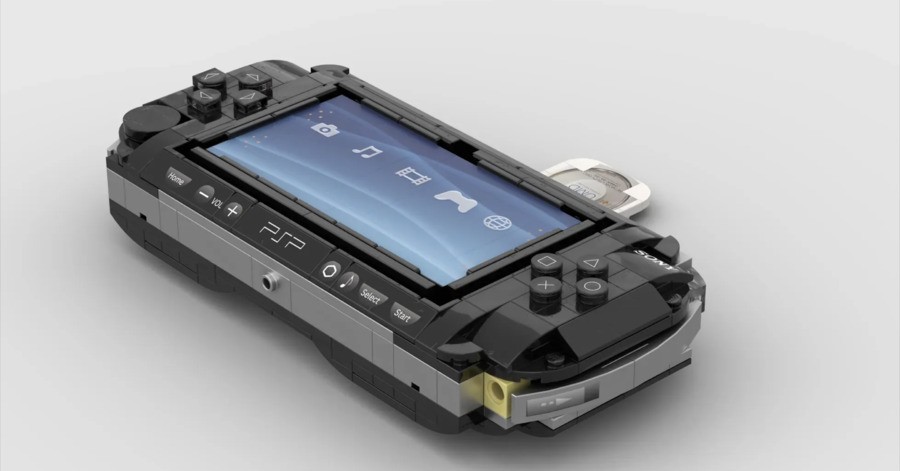
A meticulously crafted LEGO rendition of the iconic PlayStation Portable 1000 has been submitted to the LEGO Ideas platform by a dedicated fan, capturing the intricate details of Sony’s pioneering handheld console. The 333-piece concept, created by yakyah, seeks to immortalize the PSP’s distinctive design, from its ergonomic curves and control layout to a functional, removable disc tray, aiming to evoke a wave of nostalgia among gaming enthusiasts and potentially pave the way for an official LEGO set.
The project, which launched on April 1st, 2026, has already amassed over 500 supporters, marking a strong initial showing for a design that meticulously replicates the original PSP’s aesthetics and core functionalities. This initiative highlights the enduring affection for a console that, despite not outselling its primary competitor, carved out a significant niche in gaming history and remains a beloved piece of hardware for millions.
A Masterclass in Brick-Built Replication: The LEGO PSP 1000
The proposed LEGO model is a testament to yakyah’s attention to detail, aiming for an "almost 1:1" scale representation of the PSP 1000, the original launch model that first captivated audiences in 2004. Measuring approximately 170 mm (6.7 inches) in length, 74 mm (2.9 inches) in height, and 23 mm (0.9 inches) in depth, the actual PSP 1000 was a marvel of portable engineering, weighing around 280 grams (9.9 ounces). Yakyah’s LEGO design endeavors to mirror these proportions and the console’s distinct physical attributes with remarkable fidelity.
Key design elements faithfully recreated in LEGO form include the PSP’s signature D-pad on the left, the four iconic PlayStation action buttons (triangle, circle, cross, square) on the right, and the shoulder buttons (L and R) that defined its ergonomic grip. The console’s distinctive 16:9 widescreen display, a groundbreaking feature for a handheld at the time, is also represented, offering a visual focal point for the brick-built model. Beyond the primary controls, smaller, yet crucial, details such as the volume control buttons on the side and the tiny yellow charging port have been incorporated, underscoring the creator’s commitment to authenticity.
Technically, the model leverages "multiple slope pieces and SNOT bricks" (Studs Not On Top) – advanced LEGO building techniques that allow for intricate shaping and smooth surfaces, crucial for capturing the sleek, complex curves of the PSP’s chassis. These methods are essential for moving beyond basic brick stacking to achieve a truly realistic and aesthetically pleasing replica. Perhaps the most impressive functional aspect is the inclusion of a removable disc tray, housing a brick-built recreation of a PSP demo disc. This interactive feature adds a layer of playability and nostalgia, reminiscent of inserting a Universal Media Disc (UMD) into the original console.
The Creator’s Vision and Digital Craftsmanship
Yakyah’s inspiration for this ambitious project stems from a deeply personal experience. "During a trip back to my childhood home, I found my old PSP sitting in a box during some spring cleaning," yakyah recounted. "With it came a flood of happy memories. This drove me to start work on a recreation of the device as a decorative, interactive model to hopefully give fellow fans of this device a similar feeling as to what I felt." This narrative resonates strongly with the broader retro gaming community, where physical artifacts often serve as powerful conduits for cherished memories and nostalgic sentiment.
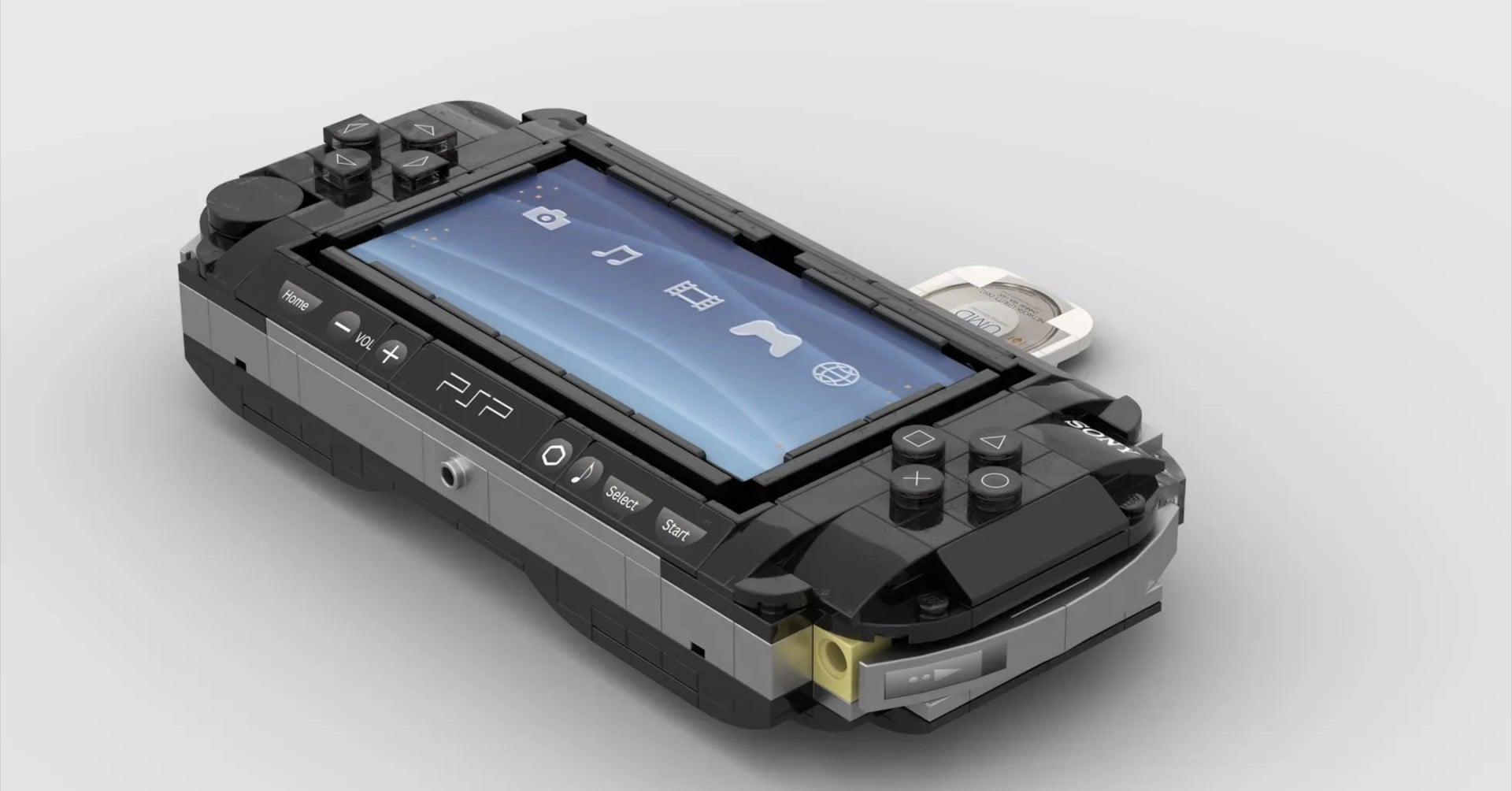
The entire design process was executed using Bricklink Studio, a sophisticated digital LEGO building platform that allows designers to construct models virtually. This digital approach ensures precision and adherence to LEGO’s design principles. Yakyah explicitly stated that the build was completed "without the use of ‘illegal’ building techniques," meaning all brick connections are structurally sound and permissible within official LEGO guidelines. Furthermore, "there are no collisions between bricks, and the internal structure is fully complete," indicating a robust and well-engineered digital model ready for potential physical realization. This meticulous approach is vital for any project hoping to pass LEGO’s stringent review process.
Navigating the LEGO Ideas Platform: Milestones and Pathways
The LEGO Ideas platform serves as a unique conduit for fan-generated concepts to potentially become official LEGO products. The process is multi-tiered and highly competitive, requiring significant public support to advance. A project must first accumulate 100 supporters within 60 days. Following this, it needs to reach 1,000 supporters within a year, then 5,000 supporters within six months, and finally, the ultimate goal of 10,000 supporters within another six months. Only projects that achieve the 10,000-supporter threshold proceed to the official LEGO Review stage.
Currently, yakyah’s LEGO PSP 1000 concept has garnered 514 supporters, with 424 days remaining to hit its next milestone of 1,000 supporters. While the initial momentum is positive, the path to 10,000 is challenging. Historically, a significant number of projects reach the 10,000-supporter mark, but only a small fraction are ultimately selected for production. The LEGO Review Board, comprising expert designers and marketing specialists, evaluates projects based on factors such as originality, playability, build quality, market viability, brand fit, and intellectual property considerations.
Despite the low conversion rate, the LEGO Ideas platform has successfully brought several beloved pop culture and technology-inspired sets to market. Notable examples include the LEGO Nintendo Entertainment System (NES), the LEGO Atari 2600, the LEGO Typewriter, and the LEGO Fender Stratocaster. These successful projects demonstrate LEGO’s willingness to embrace sophisticated, display-oriented models that appeal to an adult demographic with a penchant for nostalgia and intricate builds, a demographic perfectly aligned with the target audience for a LEGO PSP. The success of these previous sets provides a glimmer of hope for yakyah’s PSP model, suggesting that there is a proven market for detailed, retro-tech replicas.
The Enduring Legacy of the PlayStation Portable
The PlayStation Portable (PSP) holds a significant place in the annals of gaming history, embodying Sony’s bold foray into the handheld market. Launched in Japan on December 12, 2004, and subsequently in North America and PAL territories in March and September 2005, respectively, the PSP was envisioned as a "Walkman for the 21st Century." It aimed to be more than just a gaming device, positioning itself as a comprehensive multimedia entertainment system capable of playing music, movies, and connecting to the internet via Wi-Fi.
A Pioneer in Handheld Entertainment
The PSP 1000 boasted impressive specifications for its time, featuring a vibrant 4.3-inch 16:9 widescreen LCD display with a resolution of 480×272 pixels. Under the hood, it was powered by a MIPS R4000-based CPU clocked at 333 MHz and a dedicated graphics processor, allowing it to render visuals comparable to, and in some cases exceeding, those of the PlayStation 2. This technical prowess enabled developers to create visually stunning and complex games that pushed the boundaries of portable gaming. The console’s proprietary Universal Media Disc (UMD) format was central to its physical media strategy, accommodating both games and feature films, a unique selling point that further emphasized its multimedia ambitions.
Market Competition and Cultural Impact
Upon its release, the PSP entered a fierce competitive landscape dominated by Nintendo, whose Nintendo DS launched in late 2004. While the Nintendo DS ultimately outsold the PSP significantly—shifting an astounding 154 million units compared to the PSP’s respectable 82 million units globally during its lifespan—the narrative of the PSP as a "failure" is a gross mischaracterization. Achieving over 80 million units sold worldwide is a commercial success by almost any metric, establishing Sony as a formidable player in the handheld space and paving the way for its successor, the PlayStation Vita, in 2011. The PSP’s impact extended beyond sales figures; it introduced many to high-fidelity portable gaming and multimedia consumption on the go, cementing its status as a cultural icon for a generation of gamers.
A Rich Library of Iconic Titles
The PSP’s impressive hardware was complemented by an extraordinary library of games that showcased its capabilities and left an indelible mark on players. These titles ranged from console-quality ports and spin-offs to original IPs that became synonymous with the platform:
- Metal Gear Solid: Peace Walker: A critically acclaimed title that redefined what was possible on a handheld, offering a deep stealth-action experience with a compelling story, robust multiplayer, and near-console production values. Hideo Kojima’s ambitious vision for a portable Metal Gear Solid was fully realized here.
- God of War: Ghost of Sparta: A technical masterpiece that pushed the PSP’s graphical capabilities to their limits, delivering the brutal combat and epic scale synonymous with the God of War series in a portable format.
- Final Fantasy Tactics: The War of the Lions: The definitive version of a beloved strategy RPG, featuring enhanced graphics, new cutscenes, and additional content that solidified its status as a must-have for fans of the genre.
- Grand Theft Auto: Vice City Stories / Liberty City Stories: These titles brought the expansive open-world crime sagas of Grand Theft Auto to handhelds, allowing players to explore iconic cities on the go with surprisingly few compromises.
- Daxter: A charming and vibrant platformer that served as a successful spin-off from the popular Jak and Daxter series, showcasing the PSP’s ability to host engaging and graphically appealing original content.
- Persona 3 Portable: An enhanced version of the acclaimed JRPG, offering a new female protagonist, improved combat mechanics, and a compelling narrative that captured the hearts of RPG enthusiasts.
- Monster Hunter Series (Freedom Unite, Portable 3rd): Hugely popular in Japan and gaining traction globally, these action RPGs offered immense depth, challenging hunts, and cooperative multiplayer, becoming system sellers for the PSP.
- Lumines: A groundbreaking puzzle game that blended music, light, and block-dropping mechanics into a hypnotic and addictive experience.
- Patapon Series: A unique rhythm-strategy game series with a distinctive art style and innovative gameplay that garnered critical acclaim.
- Crisis Core: Final Fantasy VII: A prequel to the iconic Final Fantasy VII, offering an action RPG experience with a poignant story that resonated deeply with fans of the original.
- Tekken: Dark Resurrection: A visually stunning fighting game that brought arcade-quality 3D combat to the handheld, showcasing the PSP’s graphical prowess.
The sheer breadth and quality of these titles solidified the PSP’s reputation as a serious gaming platform, demonstrating that handheld consoles could deliver experiences previously thought exclusive to home systems.
Broader Implications of Fan-Driven Design
The enthusiastic reception to yakyah’s LEGO PSP concept underscores the power of fan communities in shaping consumer products. In an era dominated by digital experiences, there’s a growing appreciation for tangible, nostalgic items that celebrate beloved technologies. LEGO Ideas taps into this sentiment, providing a democratic platform where passion can translate into product. Should the LEGO PSP reach the 10,000-supporter milestone and pass the official review, it would not only be a triumph for yakyah but also a significant win for the retro gaming community, further legitimizing their influence in the consumer market.
The success of such projects also signals to major companies like Sony and LEGO the enduring appeal of vintage gaming hardware. It suggests a potential market for future collaborations that celebrate other iconic consoles or technological innovations, offering fans a unique way to engage with their cherished memories. These detailed, display-focused sets bridge the gap between toy and collectible, appealing to both seasoned LEGO builders and nostalgic gamers.
Looking Ahead: The Road to Production
The journey from a fan’s idea to an official LEGO set is long and arduous, requiring sustained support and a compelling concept. Yakyah’s LEGO PSP 1000 has made a strong start, but it will need continued advocacy from the gaming and LEGO communities to gather the necessary 10,000 supporters. Enthusiasts eager to see this intricately designed tribute to the PlayStation Portable become a reality are encouraged to cast their vote on the LEGO Ideas website. Each vote moves the project closer to the review stage, where its potential to join the ranks of official LEGO products will be critically assessed.
As the deadline approaches for the next milestone, the gaming community watches with keen interest, hoping that this brick-built homage to Sony’s groundbreaking handheld will one day sit proudly on shelves, a tangible reminder of the PSP’s innovative spirit and rich legacy.
[source beta.ideas.lego.com, via retrododo.com]