Cecilia Chamidah Nur
Mauro Xavier, the dedicated developer behind the highly acclaimed fan-made port Final Fight MD for the Sega Mega Drive/Genesis, has announced his decision to release the game’s complete source code to the public. This significant move, shared by Xavier himself, will see the project made available on GitHub, fully prepared for compilation using the latest version of the SGDK (Sega Genesis Development Kit). This initiative marks a pivotal moment for the retro gaming homebrew community, promising enhanced accessibility and the potential for collaborative evolution of the beloved beat-’em-up title.
The open-source release will involve the removal of all ROM protection systems embedded within the game. Xavier has also indicated that the game might even function without the need for SRAM (Static Random-Access Memory), though this would result in the disabling of achievement tracking and save game functionalities. Alongside the GitHub release, Xavier plans to utilize the itch.io platform for free distribution of the compiled binaries, while continuing to accept voluntary donations from the community. This dual approach aims to maximize the project’s reach and sustainability.
Developer’s Motivation: A Gesture of Gratitude and Project Redirection
Xavier’s decision to transition Final Fight MD to an open-source model, even before its official version 1.0 release, stems from a desire to "give back" to the community that has supported him throughout the project’s demanding development. He explicitly stated that this is his way of expressing gratitude to "everyone who believed in and supported this project, whether through donations, kind words, criticism, suggestions, promotion, or anything else that was important in keeping this flame alive." This sentiment underscores the collaborative spirit often found within the homebrew development scene, where shared passion drives innovation.
Beyond altruism, Xavier also addressed some of the underlying pressures and criticisms he has faced, particularly concerning the donations he has received through his Patreon. He clarified that his Patreon funding was never exclusively earmarked for Final Fight MD but rather supported his broader programming endeavors. "I’m tired of some comments about the project, especially regarding the donations I receive, as I never said since the start of my Patreon that it was specifically for Final Fight MD," Xavier explained. By making the project open-source and offering free binaries, he aims to alleviate these concerns and ensure transparency while still allowing avenues for those who wish to support his work financially.
The Genesis of Final Fight MD: A Deep Dive into Homebrew Excellence
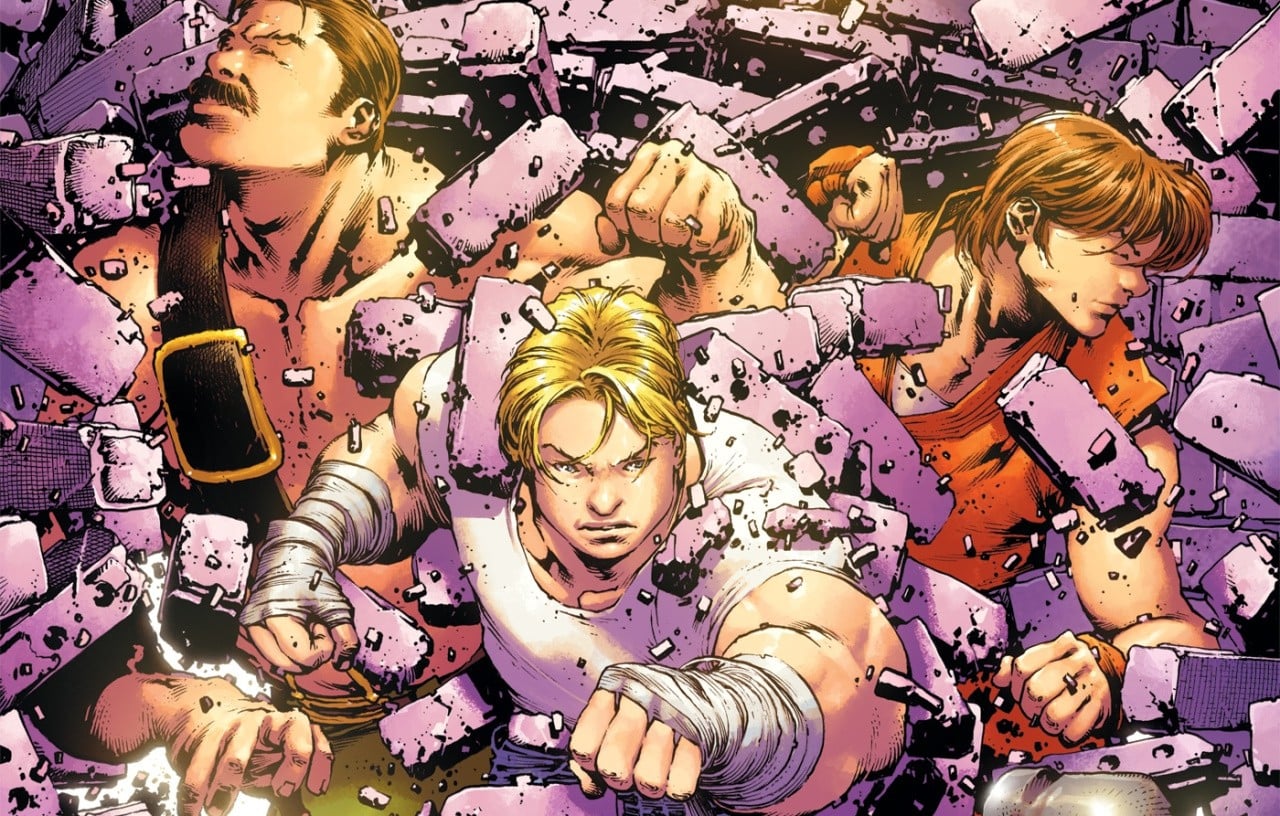
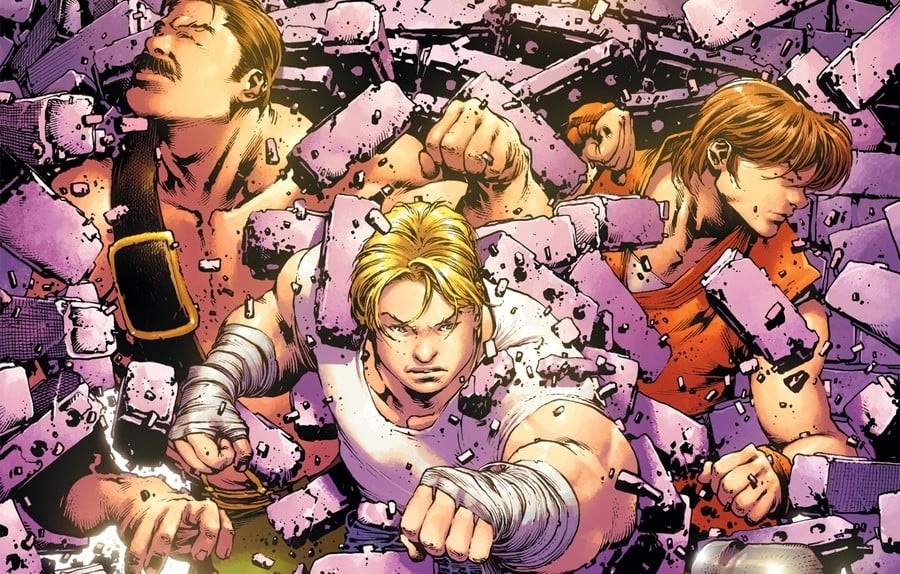
Final Fight MD represents a remarkable achievement in the realm of retro gaming homebrew. The original Final Fight, developed by Capcom, debuted in arcades in 1989 and quickly became a genre-defining beat-’em-up. Its gritty urban setting, memorable characters like Cody, Guy, and Haggar, and compelling side-scrolling action captivated players worldwide. While the game saw successful ports to various consoles, most notably the Super Nintendo Entertainment System (SNES) in 1990, a direct and faithful port to the Sega Mega Drive/Genesis, a rival console of the 16-bit era, was conspicuously absent. The SNES version, despite its popularity, was notorious for concessions such as missing characters, truncated levels, and the exclusion of a two-player mode due to technical limitations of the cartridge size and console hardware.
This gap in the Mega Drive’s library became a compelling challenge for skilled programmers like Mauro Xavier. The Mega Drive, with its different architecture and sound chip (the Yamaha YM2612 and Texas Instruments SN76489), presented unique opportunities and obstacles for porting a graphically intensive arcade title. Xavier’s project sought not just to port the game, but to do so with an ambition to surpass previous console adaptations, aiming for arcade fidelity on Sega’s hardware. Over several years, Final Fight MD evolved from an ambitious concept into a tangible reality, garnering significant attention and anticipation within the retro gaming community. Its development timeline, though not explicitly detailed in publicly available records, can be inferred to span several years, involving iterative updates and community feedback, consistent with large-scale homebrew projects aiming for high polish.
The choice to develop with the SGDK, a modern development kit for the Sega Mega Drive/Genesis, was crucial for Final Fight MD‘s success. The SGDK provides contemporary tools and libraries that simplify many of the complexities of programming for vintage hardware, allowing developers to focus more on game logic and asset implementation rather than low-level hardware intricacies. This has fostered a resurgence in Mega Drive homebrew development, enabling projects like Final Fight MD to achieve a level of sophistication previously unimaginable for amateur developers.

Technical Implications and Future Prospects
The technical aspects of Xavier’s open-source release are significant. By removing "all ROM protection systems," he ensures that the game’s code is fully accessible and modifiable without proprietary barriers. This is standard practice for open-source projects, promoting transparency and enabling community contributions. The ability to compile the game with the latest SGDK version also means that future improvements to the development kit can potentially be integrated into Final Fight MD, enhancing its stability or performance over time.
The optional removal of SRAM dependency, while sacrificing achievements and save game functionality, highlights a technical flexibility that could be valuable for specific use cases, such as very lightweight ROM builds or deployment on certain flashcarts or emulators that might not fully support SRAM. For the average player, retaining SRAM for saves and achievements would likely be preferred, but the option demonstrates a thorough understanding of the underlying hardware and software constraints.
The most exciting prospect of this open-source release is the potential for community-driven enhancements and ports. Xavier explicitly stated his openness to others taking the Final Fight MD code as a foundation for "porting it to other consoles, especially the PC Engine or Supergrafx." This invitation could spark a wave of creativity, with developers adapting the game to other 8-bit or 16-bit platforms that also lacked a definitive Final Fight experience. The PC Engine, known for its strong arcade conversions, could particularly benefit from a high-quality Final Fight port, leveraging the foundational work already done by Xavier. This collaborative model aligns perfectly with the open-source philosophy, where a project’s life extends beyond its original creator through the efforts of a wider community.
The Developer’s Evolving Journey: New Horizons
With Final Fight MD transitioning to an open-source model, Mauro Xavier is also signaling a shift in his personal development focus. While he will continue to polish Final Fight MD to ensure its stability and quality, his primary attention will increasingly turn to his original projects. He intends to "start talking more about Driftin’ Rage and The Legend of Drakonnus, making these original projects more active in my programming journey during my free time."
Driftin’ Rage, a new 16-bit racer for the Mega Drive/Genesis, and The Legend of Drakonnus, an entirely new IP, represent Xavier’s ambition to move beyond fan projects and establish his own creative footprint within the retro gaming landscape. This transition is a natural progression for many talented homebrew developers who, after honing their skills on existing IPs, seek to express their unique visions. By open-sourcing Final Fight MD, Xavier effectively entrusts the project’s legacy to the community, freeing up his valuable time and creative energy for these new ventures. This strategy allows him to honor his past commitments while pursuing future aspirations.
Broader Implications for the Retro Gaming Community and IP Holders
Mauro Xavier’s decision has several broader implications for the retro gaming and homebrew community. Firstly, it provides a high-quality, fully functional example of advanced Mega Drive development, serving as an invaluable educational resource for aspiring homebrewers. Studying the source code of a polished title like Final Fight MD can offer deep insights into optimal coding practices, hardware utilization, and game design for vintage systems. This contribution to the collective knowledge base is significant.
Secondly, it reinforces the ethos of sharing and collaboration that often defines the homebrew scene. In an era where digital preservation and access to gaming history are increasingly important, open-sourcing fan projects ensures their longevity and adaptability across different platforms and future technologies. It also empowers players and developers to modify, fix, or enhance games, giving them agency over their digital experiences.

From the perspective of intellectual property holders like Capcom, the situation surrounding Final Fight MD is a delicate one. Historically, companies have varied in their responses to fan-made games, ranging from issuing cease and desist orders to tacitly allowing them to exist, particularly when they do not directly compete with official products or generate significant commercial revenue. In this case, Xavier’s move to open-source and free distribution, while still accepting donations, positions Final Fight MD more as a community project and less as a direct commercial threat. The fact that the game is a "demake" or "port" to an old system, rather than a modern remake, also generally lowers the likelihood of aggressive legal action. By stepping back and letting the community manage the code, Xavier may also be subtly navigating the complex legal landscape surrounding fan projects, shifting potential liabilities to a more distributed model, although the original IP ownership remains with Capcom.
Ultimately, this development for Final Fight MD highlights the vibrant and evolving nature of the retro gaming scene. It showcases the dedication of individual developers like Mauro Xavier, the power of community support, and the potential for open-source models to ensure the legacy and future evolution of beloved games, even those born from fan passion rather than official corporate initiatives. As Xavier embarks on new creative journeys, Final Fight MD will continue its own journey, now in the hands of a global community eager to explore its code and potentially expand its reach across the retro gaming landscape.