Farhan hamdan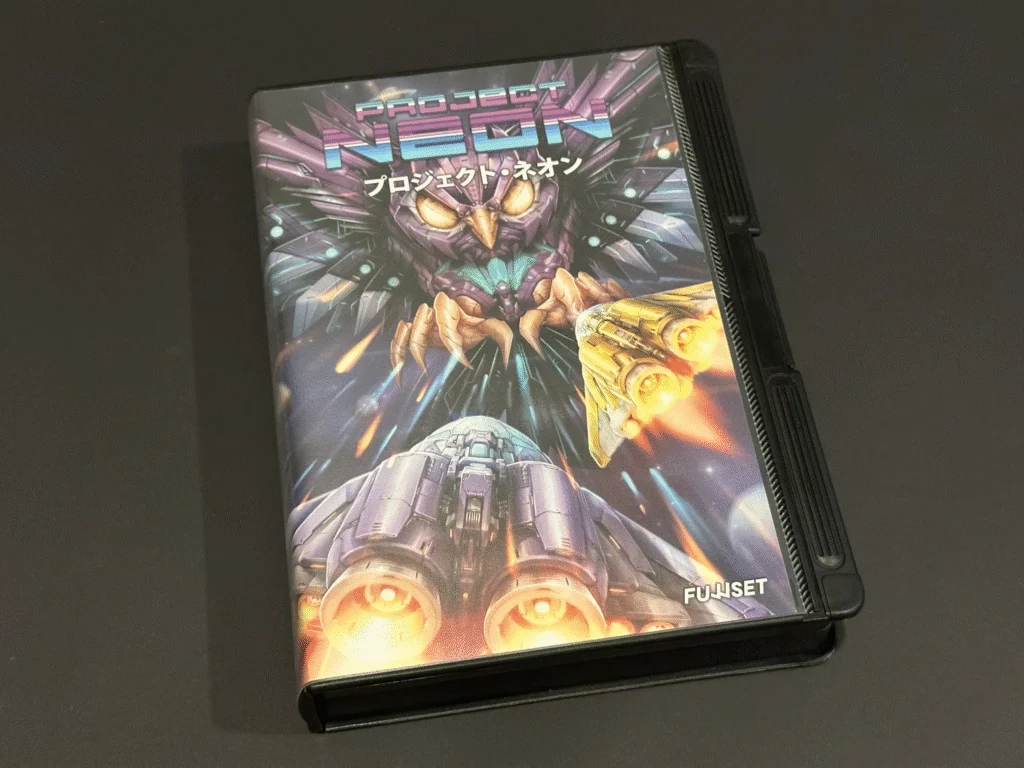
In a move set to redefine expectations for retro console development, indie studio Fullset has confirmed the forthcoming port of their critically acclaimed Neo Geo shoot-em-up, Project Neon, to the Sega Saturn. This ambitious undertaking is distinguished not only by its cross-platform migration between two iconic 90s systems but also by its innovative distribution method: a custom-designed cartridge featuring integrated Wi-Fi connectivity for post-launch updates and future-proofing. The announcement has sent ripples of excitement through the dedicated retro gaming community, highlighting the ongoing vitality of homebrew development and the potential for modern technological enhancements on vintage hardware.
The Genesis of Project Neon: From Neo Geo Excellence to Saturn Ambition
Project Neon, a high-octane sci-fi shmup, first captivated audiences upon its release in 2024 on the Neo Geo. The game, lauded for its intricate bullet patterns, vibrant pixel art, and challenging gameplay, was the culmination of six years of dedicated development by the Fullset team, with initial reports of the project surfacing as early as 2019. Its original Neo Geo release also notably incorporated Wi-Fi functionality within its cartridge, a pioneering feature that allowed for game updates — an unprecedented capability for the venerable arcade-home console hybrid. This initial innovation established Fullset’s reputation for pushing boundaries within the retro gaming sphere, setting the stage for their even more audacious plans for the Sega Saturn version.
The game is primarily designed for "tate mode" play, where the screen is rotated vertically to maximize the vertical scrolling experience typical of many classic arcade shmups. However, recognizing the diverse setups of players, Fullset has also included a "yoko mode" option, allowing for horizontal screen orientation with adjusted controls and graphics. This attention to detail underscores the developer’s commitment to delivering an authentic yet adaptable experience, catering to both purists and those with standard display configurations.

The Sega Saturn Revival: A Challenging Yet Rewarding Platform
The Sega Saturn, released in 1994, holds a unique and often complex place in console history. While celebrated for its powerful 2D capabilities and a library of cult classics, particularly in Japan, its dual-CPU architecture presented significant programming challenges for developers during its commercial lifespan. This complexity contributed to its struggle against the more developer-friendly Sony PlayStation, ultimately leading to its relatively short market dominance outside of Japan. Despite its commercial performance, the Saturn has cultivated a passionate following over the decades, fueled by its distinctive hardware, exclusive titles, and a burgeoning homebrew community dedicated to exploring its untapped potential.
The decision to port Project Neon to the Saturn is a testament to this enduring passion and the growing sophistication of the homebrew scene. Developing for the Saturn requires deep technical expertise, often leveraging modern software development kits (SDKs) to streamline a process that was notoriously difficult in the 90s. Fullset’s programmer, Sascha, confirmed that the Saturn port is being developed using the Jo Engine, an open-source SDK specifically designed to facilitate homebrew game creation for the Sega Saturn. The Jo Engine has become a cornerstone for contemporary Saturn development, abstracting many of the console’s low-level complexities and allowing developers to focus more on game design and less on hardware idiosyncrasies.
Sascha indicated that the porting process, though recently initiated, is already approximately 80% complete. "Just started recently, but it’s about 80% done by now," Sascha stated on X, adding a crucial caveat: "Just waiting for our cartridge prototypes before continuing as that will make a few things easier." This statement underscores the symbiotic relationship between software development and the custom hardware being designed for this unique release, suggesting that final optimizations and debugging will be more efficient once the physical cartridge prototypes are available for testing.
Technical Innovation: The Wi-Fi Enabled Cartridge
The most groundbreaking aspect of Project Neon‘s Saturn release is undoubtedly its custom cartridge, which aims to address several long-standing issues associated with retro gaming and introduces unprecedented modern functionality. Unlike the Saturn’s primary medium, CD-ROMs, cartridges offer inherent advantages that Sascha highlighted in his communications with Sega Saturn SHIRO!.

Foremost among these benefits is the elimination of loading times, a common frustration with CD-based games of the era. Cartridges provide near-instant access to game data, offering a smoother and more uninterrupted play experience. Furthermore, the physical resilience of cartridges compared to optical media directly combats "disc rot," a phenomenon where the data layer of older CDs degrades over time, rendering games unplayable. This aspect is particularly appealing to collectors and preservationists who value the longevity of their game libraries.
The custom cartridge also bypasses the need for an Action Replay or similar boot cartridges, which were often required to play imported games or burned copies by circumventing the Saturn’s regional lockout and security measures, such as the "wobble" security ring pressed into retail discs. By directly booting from a custom cartridge, Project Neon promises a streamlined and authentic experience without auxiliary hardware.
However, the most forward-thinking feature is the integrated Wi-Fi chip. While Project Neon itself does not utilize this for online multiplayer, focusing instead on its established couch co-op experience, the Wi-Fi capability is revolutionary for a Sega Saturn title. Sascha elaborated on the technical implementation: "The gamecode can talk to a co-processor on the cartridge via a specific memory address range. That chip has WiFi, and from there it’s a simple TCP connection to a game server. We already have this running on our Neo Geo cartridge, it will work the same way."
This built-in Wi-Fi opens a Pandora’s Box of possibilities for future retro development. It eliminates the need for rare and expensive original Saturn NetLink or Xband modem cartridges, which can fetch upwards of US$100 on the secondary market. By integrating networking capabilities directly into the game’s physical media, Fullset is laying the groundwork for potential online leaderboards, downloadable content, or even online multiplayer in subsequent projects. This innovation effectively bridges the gap between vintage hardware and contemporary connectivity, offering a glimpse into a potential future where classic consoles can participate in modern online ecosystems.

Addressing Hardware Concerns: Quality and Compatibility
The development of custom hardware for retro consoles is not without its challenges, particularly concerning manufacturing quality and compatibility with aging systems. Bob from RetroRGB, a respected voice in the retro gaming community known for his meticulous hardware analysis, raised pertinent questions regarding the physical design of the cartridge. He emphasized the critical importance of specific physical attributes: "Please remember to make sure the cartridge is beveled, chamfered and the proper thickness; many Saturn carts get this wrong and it will damage your console." Incorrectly designed cartridges can cause stress on a console’s cartridge slot, leading to potential long-term damage.
Sascha promptly allayed these concerns, assuring the community of Fullset’s commitment to quality and safety. His response, "Yeah, all of that plus correct voltage usage," indicates a comprehensive understanding of the delicate requirements for manufacturing hardware compatible with a 30-year-old console. This attention to detail is paramount, as the retro gaming community places a high value on preserving original hardware and ensuring new products do not compromise its integrity. It also reflects the increasing professionalism within the homebrew hardware scene, moving beyond hobbyist-grade components to deliver products that meet rigorous standards.
Economic Landscape: Pricing and Production
The pricing of Project Neon‘s Neo Geo version, which sold for US$381, reflected the niche market and higher production costs associated with new releases for that particular console, known for its historically expensive games. While a high price point is common for Neo Geo titles, Fullset anticipates a more accessible price for the Saturn port.
Sascha provided preliminary estimates during an appearance on the SHIRO! Show, suggesting a price range of US$120 to US$150 for the Saturn cartridge. This range, while still premium compared to standard modern game releases, is considerably lower than the Neo Geo version and positions the product as a high-end collector’s item within the Saturn community. The final price, Sascha explained, will be solidified once the cartridge design is finalized and manufacturing costs are precisely determined. He also projected that prototypes of the cartridge are expected within the next four to eight weeks, indicating that the project is rapidly moving towards its manufacturing phase.

The cost of producing custom cartridges, especially those incorporating advanced features like Wi-Fi chips and co-processors, is significantly higher than manufacturing standard CD-ROMs. These costs include research and development, custom PCB fabrication, component sourcing, assembly, and rigorous testing to ensure compatibility and reliability. The anticipated price reflects these complexities and the bespoke nature of the product, targeting a dedicated audience willing to invest in unique, high-quality retro experiences.
Broader Implications for Retro Gaming
Fullset’s Project Neon port to the Sega Saturn, particularly with its innovative cartridge design, carries significant implications for the broader retro gaming landscape. It represents a confluence of several key trends:
- The Rise of "New Retro" Titles: Beyond simple ports or emulations, Project Neon exemplifies a growing movement of developers creating entirely new games for vintage hardware, often incorporating modern design sensibilities while respecting the original console’s limitations and aesthetic.
- Physical Media Resurgence: In an increasingly digital world, the demand for physical media in retro gaming remains strong, driven by collectors, enthusiasts, and those who value tangible ownership. Fullset’s commitment to a cartridge release taps directly into this market, offering a premium physical product.
- Preservation and Longevity: By bypassing disc rot and providing an updateable format, Fullset is contributing to the longevity of game access. Future updates via Wi-Fi could even include bug fixes or minor enhancements, ensuring the game remains playable and potentially improved over time, a concept rarely seen in traditional retro releases.
- Community Empowerment: Projects like this invigorate the homebrew community, demonstrating what’s possible with dedication, modern tools like the Jo Engine, and creative hardware solutions. It encourages other developers to push boundaries and explore new ways to interact with classic systems.
- Re-evaluation of Console Capabilities: The Wi-Fi enabled cartridge forces a re-evaluation of what retro consoles are capable of. It shatters the perception of these systems as static, isolated pieces of hardware, instead presenting them as platforms that can be dynamically updated and potentially connected to modern networks.
Beyond Project Neon: Fullset’s Future Endeavors
Fullset’s innovative spirit extends beyond Project Neon. The developer has already embarked on a new ambitious project titled Overserved: Food Fighters!, an eight-player battle arena game described as a spiritual successor to the beloved Saturn Bomberman. This upcoming title showcases Fullset’s intention to leverage their expertise in multi-platform development and push the boundaries of multiplayer gaming, even on retro systems.
What makes Overserved: Food Fighters! particularly noteworthy is its planned cross-play functionality across an astonishing array of platforms: Neo Geo, Saturn, Nintendo Switch, PlayStation, Xbox, PC, Mac, Linux, iOS, tvOS, and Android. This multi-platform strategy highlights Fullset’s vision for creating inclusive gaming experiences that bridge generations of hardware and operating systems. The specific mention of a Saturn version for a Bomberman-esque title is a nod to the Saturn’s iconic 8-player multiplayer capabilities, which were a standout feature of its time. Sascha succinctly captured this sentiment: "Only fair for a spiritual successor of Saturn Bomberman, ya reckon?"

This commitment to supporting both modern and retro platforms simultaneously underscores Fullset’s unique position in the indie development scene, blending nostalgic appeal with contemporary technical ambition. Their work on Project Neon and Overserved: Food Fighters! positions them as pioneers in the evolving landscape of retro gaming, demonstrating that classic consoles can still be platforms for cutting-edge innovation.
Fullset’s port of Project Neon to the Sega Saturn, featuring a bespoke Wi-Fi enabled cartridge, is more than just a new game for an old console; it is a statement about the future of retro gaming. It demonstrates a profound understanding of both the hardware limitations and the passionate community surrounding these systems, while simultaneously introducing modern functionalities that could reshape how we interact with vintage platforms. As the gaming world watches for the arrival of these cartridge prototypes, Fullset stands poised to usher in a new era of enhanced, connected, and endlessly playable retro experiences.