Cecilia Chamidah Nur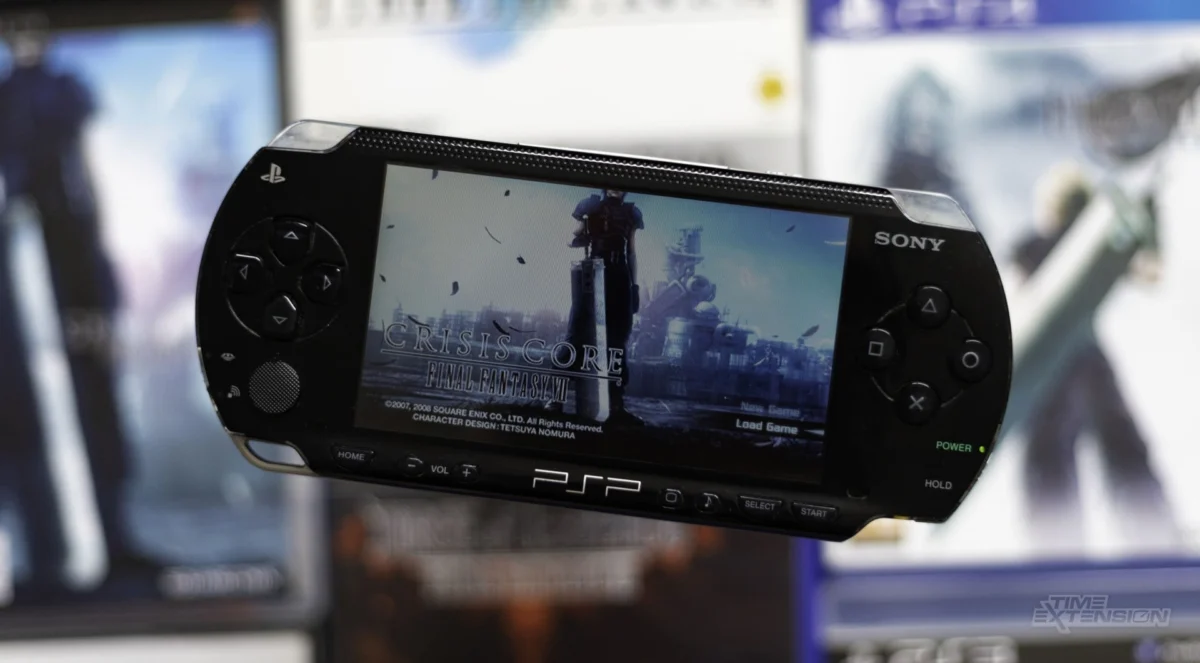
A recent social media post from the account of Linda McMahon, former CEO of WWE and former Administrator of the Small Business Administration, ignited a firestorm of online criticism and factual corrections after inaccurately asserting that the PlayStation Portable (PSP) marked "the beginning of life on the go" for entertainment. The post, which also contained a factual error regarding the PSP’s release year and featured an image that was not of the device it lauded, quickly became a subject of widespread mockery across social media platforms, particularly X (formerly Twitter). The incident underscored the challenges public figures and their social media teams face in maintaining accuracy and historical context in an age of instant information and vigilant online communities.
The Genesis of the Gaffe: A Misguided Tribute
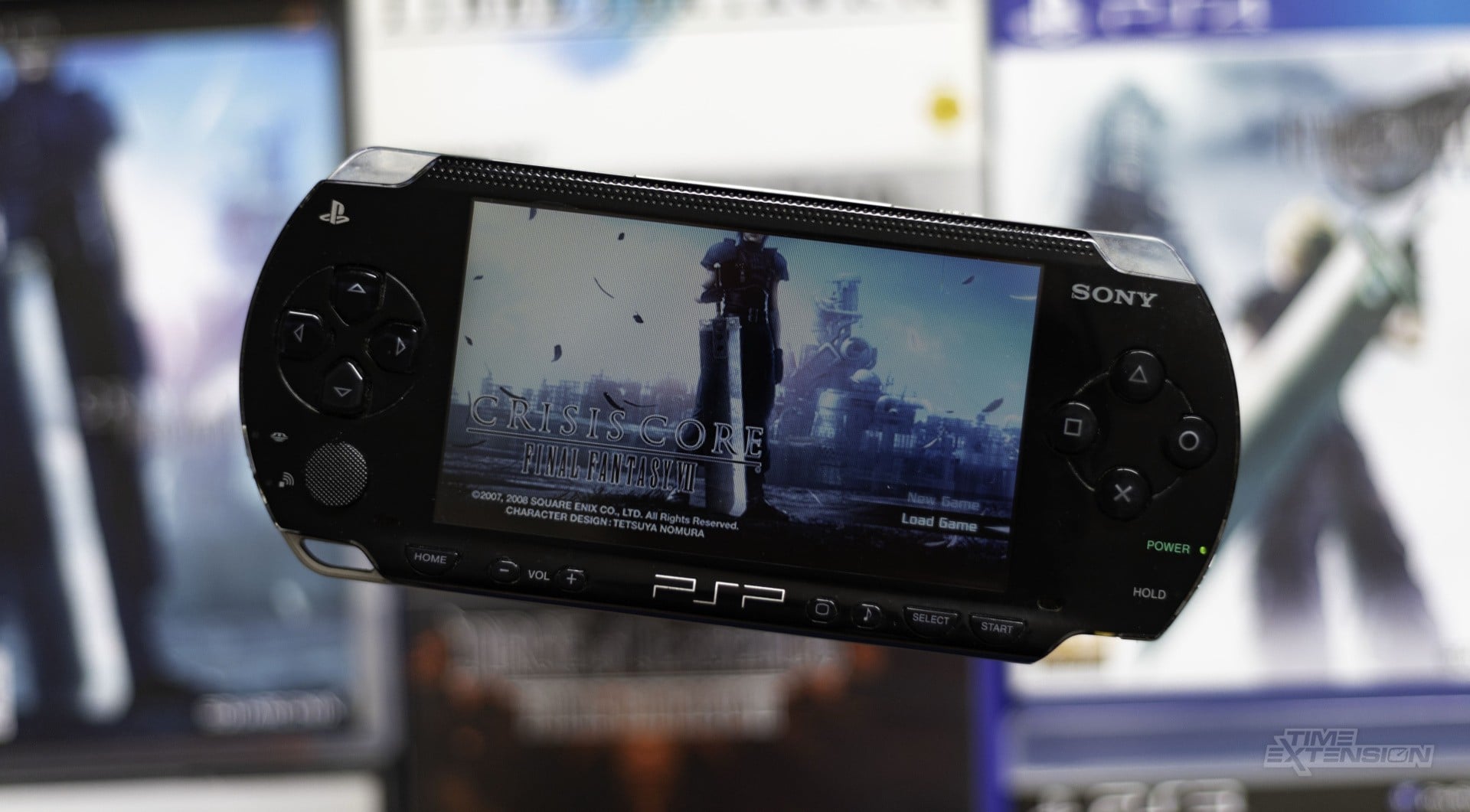
The controversial post originated from Linda McMahon’s official X account, stating, "In 2005, everything changed. The ‘PlayStation Portable’ (PSP) was released and it did more than make gaming portable…it made entertainment personal, mobile, and always within reach. It was the beginning of life on the go." This declaration was accompanied by an image, erroneously depicting a different handheld device rather than a PSP. The assertion that the PSP initiated the concept of mobile entertainment immediately drew the ire of gaming enthusiasts and history buffs alike, who pointed out decades of prior innovation in portable gaming and personal electronics.
The inaccuracies were manifold: the PSP first launched in Japan in December 2004, not 2005, with its North American and European releases following in March and September 2005, respectively. More significantly, the claim that it was "the beginning of life on the go" for entertainment fundamentally misrepresents the rich and extensive history of portable electronic devices. Social media users swiftly deployed X’s "Community Notes" feature, a collaborative fact-checking tool, to append corrections directly to McMahon’s post, highlighting the historical omissions and factual errors.
A Journey Through Portable Entertainment: Decades Before the PSP
To understand the scale of the historical oversight in McMahon’s post, one must delve into the expansive timeline of portable entertainment, which stretches back to the 1970s. The concept of "life on the go" entertainment did not merely predate the PSP by a few years; it had been evolving for over three decades before Sony’s handheld console even arrived on the scene.
The Dawn of Digital Portability: The 1970s and Early 1980s
The seeds of mobile entertainment were sown in the 1970s with the advent of simple, dedicated electronic games. Companies like Mattel Electronics were pioneers in this nascent field. Their "Mattel Auto Race," released in 1976, is often credited as the first handheld electronic game with an LED display. This was quickly followed by "Mattel Football" in 1977, which became a cultural phenomenon, selling millions of units. These devices, though rudimentary by modern standards, offered discrete gaming experiences that could be enjoyed anywhere, thus embodying the very essence of "life on the go." Waco also contributed with its line of mini-arcade games, further cementing the idea that entertainment didn’t need to be tethered to a television or a power outlet.
However, it was Nintendo, a company then primarily known for playing cards and toys, that would truly revolutionize the handheld market. Under the visionary leadership of engineer Gunpei Yokoi, Nintendo launched its "Game & Watch" series in 1980. These devices were inspired by Yokoi’s observation of a bored commuter playing with an LCD calculator on a bullet train. Each Game & Watch unit featured a single game on an LCD screen, incorporating a digital clock and alarm function, making them multi-purpose and incredibly popular. The series sold over 43 million units worldwide by 1991, showcasing a massive appetite for portable digital entertainment. The Game & Watch series, with its iconic D-pad (directional pad), laid critical groundwork for future handheld console design and firmly established Nintendo as a major player in portable gaming.
The Game Boy Era: A Revolution in the Palm of Your Hand (1989 Onwards)
The true watershed moment for portable gaming arrived in 1989 with the release of the Nintendo Game Boy. Building upon the lessons learned from the Game & Watch, Gunpei Yokoi and his team designed a console that prioritized affordability, robust construction, and exceptional battery life, often lasting 15-30 hours on four AA batteries. While its monochrome dot-matrix screen and relatively low processing power seemed modest compared to home consoles of the era, the Game Boy’s strategic launch title, Tetris, proved to be its killer application. The addictive puzzle game appealed to a broad demographic, transcending traditional gaming boundaries and making the Game Boy a must-have device.
The Game Boy’s success was monumental and unprecedented. It sold over 118 million units across its various iterations (original, Pocket, Color) by the time it was discontinued in 2003, making it one of the best-selling video game consoles of all time. It was a ubiquitous presence in pockets, backpacks, and briefcases, fundamentally redefining "life on the go" for an entire generation. Children, teenagers, and even adults found solace and entertainment in its simple yet engaging gameplay, whether on long car rides, during school breaks, or while commuting. This device, more than any other before it, truly brought gaming to the masses in a personal and mobile format.
Competition and Innovation in the 1990s and Early 2000s

While the Game Boy dominated, other companies attempted to carve out their niche in the burgeoning handheld market, further illustrating the ongoing evolution of portable entertainment.
- Atari Lynx (1989): Released the same year as the Game Boy, the Lynx was technologically superior, boasting a color, backlit screen. However, its high price, poor battery life (requiring six AA batteries for only 4-5 hours of play), and limited software library severely hampered its commercial success.
- Sega Game Gear (1990): Sega’s answer to the Game Boy also featured a color, backlit screen and could even function as a portable television with an optional tuner. Like the Lynx, it suffered from dismal battery life (around 3-5 hours on six AA batteries) and was significantly bulkier than the Game Boy, preventing it from truly challenging Nintendo’s dominance.
- Bandai WonderSwan (1999): Another creation of Gunpei Yokoi after he left Nintendo, the WonderSwan was a Japan-exclusive handheld that offered unique gameplay experiences and impressive battery life. While popular in its home market, it never achieved global recognition.
- Neo Geo Pocket/Color (1998/1999): SNK’s entry offered high-quality arcade conversions and a comfortable design, but struggled against the overwhelming market presence of the Game Boy Color and later, the Game Boy Advance.
- Early Mobile Phone Gaming: Even before dedicated gaming handhelds reached their peak, basic mobile phones began offering simple games. Nokia’s "Snake," introduced in 1997 on the Nokia 6110, became a global phenomenon, demonstrating that mobile phones themselves were becoming platforms for "on-the-go" entertainment, long before the PSP or smartphones.
This rich tapestry of innovation clearly demonstrates that the concept of "personal, mobile, and always within reach" entertainment was well-established and continually refined over several decades, making McMahon’s claim about the PSP utterly disconnected from historical reality.
The PlayStation Portable (PSP): A Significant Evolution, Not a Genesis
When Sony finally entered the handheld market with the PlayStation Portable (PSP), it did so with considerable fanfare and technological ambition. Launched in Japan in December 2004 (and subsequently in North America and Europe in 2005), the PSP was indeed a groundbreaking device for its era, but its significance lay in its advancement of portable entertainment, not its initiation.
The PSP was designed to bring console-quality gaming experiences to a portable format. It featured a vibrant 4.3-inch widescreen LCD, powerful graphics processing capabilities (rivaling the PlayStation 2 in some respects), and multi-functional capabilities. Crucially, it utilized the Universal Media Disc (UMD) format, allowing not just for games but also for full-length movies and music albums, truly embracing the concept of a portable multimedia device. Its built-in Wi-Fi connectivity enabled online multiplayer gaming and web browsing, further enhancing its "on-the-go" utility.
The PSP’s contribution was undeniable. It pushed the boundaries of what was possible in a handheld device, offering rich 3D graphics, cinematic cutscenes, and a robust online experience that previous handhelds couldn’t match. It successfully brought the "PlayStation experience" into a mobile form factor, appealing to an older, more sophisticated gaming audience than Nintendo’s offerings. Selling over 80 million units worldwide, the PSP was a commercial success and a pivotal moment in the history of portable electronics. However, to frame it as "the beginning of life on the go" for entertainment ignores the foundational work of Mattel, Waco, and most notably, Nintendo, which had already popularized and refined the concept over decades. The PSP elevated the portable experience, bringing it into a new era of multimedia convergence, but it did not originate it.
The Immediate Aftermath: Online Derision and Community Corrections
The reaction to Linda McMahon’s post was swift and overwhelmingly critical. Within hours of its publication, the comments section was inundated with replies from users, many expressing incredulity and humor at the historical inaccuracies. Memes featuring classic handheld devices like the Game Boy and Game & Watch quickly proliferated, satirizing the post’s oversight. Phrases such as "My Game Boy from 1989 would like a word" and "Did we just collectively forget about the entire 80s and 90s?" became common refrains.
The role of X’s "Community Notes" feature was particularly prominent. Multiple users contributed factual corrections directly beneath McMahon’s tweet, providing context about earlier handheld consoles and clarifying the PSP’s actual release year. This feature, designed to combat misinformation, effectively served as a public, real-time fact-check, amplifying the gaffe and ensuring that anyone viewing the original post was immediately presented with the correct historical information. The community notes highlighted that the handheld gaming industry began in the 1970s and specifically mentioned Nintendo’s Game & Watch (1980) and Game Boy (1989) as foundational devices.
Beyond the factual errors, the choice of an incorrect image to accompany the post added another layer of awkwardness, suggesting a lack of basic research or attention to detail from the social media team managing the account. This oversight further fueled the online ridicule, painting a picture of an uninformed public figure or an inattentive staff.
Broader Implications: Digital Literacy and Public Accountability
The incident, while seemingly minor in the grand scheme of public discourse, carries several broader implications concerning digital literacy, the management of public figures’ online presences, and the ongoing demand for accuracy in the digital age.
The Role of Social Media Management: Public figures like Linda McMahon often rely on social media teams to craft and disseminate their messages. This incident serves as a stark reminder of the critical importance of rigorous fact-checking and historical accuracy, even on seemingly trivial topics. A momentary lapse in research can lead to significant reputational damage, particularly when the online community is quick to identify and amplify errors. The expectation is that posts from official accounts reflect a level of informed understanding, and a failure to meet this expectation can undermine credibility. One can infer that McMahon’s social media manager likely faced a stern internal review following the widespread backlash.
Public Perception and Credibility: In an era rife with misinformation, the public is increasingly attuned to factual inaccuracies, regardless of the subject matter. While a gaffe about video game history might not carry the same weight as a misstatement on policy, it can still erode public trust and contribute to a perception of carelessness or disconnect from reality. For a figure who has held significant public office, maintaining an image of being well-informed across various domains is crucial.
The Power of Online Communities: The incident also highlights the formidable power of online communities and collaborative tools like X’s Community Notes in holding public figures accountable. The collective knowledge and vigilance of users can rapidly identify and correct inaccuracies, turning what might have once been an unnoticed error into a widely publicized learning moment. This dynamic emphasizes that information disseminated online is subject to immediate and extensive scrutiny.

The Evolution of "Life on the Go": Beyond gaming, the concept of "life on the go" entertainment has evolved continuously. From the Sony Walkman revolutionizing portable music in 1979, through early mobile phones with simple games and ringtone composers, to the advent of smartphones that consolidated gaming, music, video, and communication into a single device, the trajectory of mobile entertainment is long and multifaceted. Attributing its genesis to a single device in the mid-2000s overlooks decades of innovation that progressively miniaturized, digitized, and mobilized various forms of media consumption.
In conclusion, Linda McMahon’s social media post regarding the PlayStation Portable, while perhaps intended as a nostalgic tribute, inadvertently served as a lesson in the extensive and diverse history of portable entertainment. The swift and decisive online reaction, amplified by community fact-checking, underscored the critical need for accuracy and historical context in public communication, reminding all public figures and their teams that in the digital age, a single misstep can quickly become a globally scrutinized error. The PSP was indeed a remarkable device, but its place in history is that of a powerful evolution, not an unprecedented origin.