Chalid Lutfie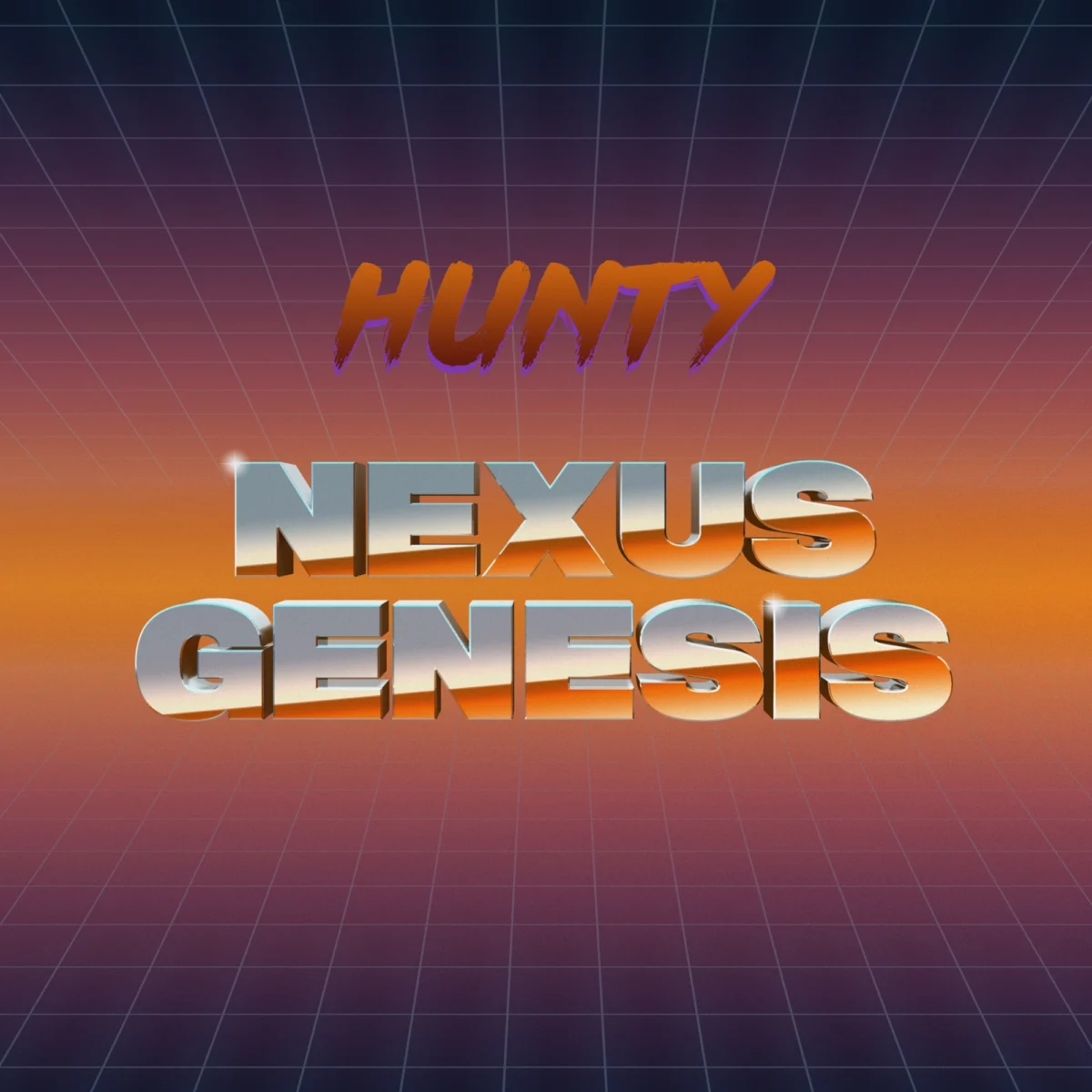
The independent music label Ubiktune has officially announced the release of Nexus Genesis, the debut album from composer Hunter Bridges, known in the digital music community as Hunty. The album serves as a comprehensive archival and creative realization of the soundtrack for Sonic Nexus, a high-profile fan-developed video game that remained in development from 2006 to 2010. This release marks a significant milestone in the intersection of fan culture and professional game development, documenting a project that ultimately facilitated the entry of independent developers into the official industry pipeline of SEGA.
The history of Nexus Genesis is inextricably linked to the trajectory of the Sonic Nexus project, a fan-led endeavor headed by Brad Flick, also known as Slingerland, and Christian Whitehead, known as The Taxman. While the game itself never reached a final commercial or public release in its original form, its impact on the gaming community was profound. The project eventually became the catalyst for Christian Whitehead’s professional recruitment by SEGA, following his successful development of the Retro Engine and a subsequent pitch for a mobile port of Sonic the Hedgehog CD. As Whitehead transitioned into official development for the Sonic franchise, the fan project Sonic Nexus was discontinued to protect professional relationships and intellectual property rights. However, the musical legacy of the project remained, preserved through the work of Hunter Bridges.

The Formative Years of a Digital Composer
Hunter Bridges’ journey into the world of digital composition began in Alabama, where he was exposed to a diverse musical environment from an early age. His father, a performing musician, frequently hosted band rehearsals at the family home, providing Bridges with early access to professional instrumentation. By the age of six, Bridges had begun experimenting with drums, captivated by the mechanical complexity of the instrument. This early curiosity led to formal lessons and a foundational understanding of rhythm and performance.
Parallel to his musical upbringing, Bridges was deeply influenced by the 8-bit and 16-bit eras of gaming. Soundtracks for titles such as Super Mario Bros. 3, Street Fighter II, and Gauntlet IV played a pivotal role in his auditory development. However, it was the soundtrack of Sonic the Hedgehog 3 that left the most lasting impression. Bridges spent significant time utilizing "Sound Test" menus in these games, effectively treating the consoles as early digital music players. This immersion in the aesthetic of the FM synthesis era would eventually define his professional output.
In the early 2000s, during the era of dial-up internet, Bridges discovered VGMusic.com, a central hub for the arrangement and transcription of video game music into MIDI format. This community served as a training ground where Bridges began submitting his own transcriptions, honing his skills in arrangement and digital orchestration. By the time he reached high school and college, his focus had shifted toward music theory, digital production, and the technical nuances of recording.

The Evolution of Sonic Nexus and the Fan Community
The development of Sonic Nexus began in the summer of 2006, spearheaded by the "Nexus Team." At the time, the Sonic fan game community was undergoing a period of intense technical growth. Platforms like Sonic Fan Games HQ (SFGHQ) and the Sonic Amateur Games Expo (SAGE) provided a space for developers to showcase their work, often utilizing engines like Multimedia Fusion and the Sonic Worlds framework.
Bridges joined the project in 2006 after being recruited by Brad Flick. At this stage, the project was transitioning from the standard MIDI-based audio typical of the dial-up era to full-resolution waveform audio, a move made possible by the increasing availability of broadband internet. Bridges initially utilized Fruity Loops 4 before migrating to Cubase to achieve a higher level of production value. The game received critical acclaim within the community for its visual fidelity and mechanical accuracy, often being cited as one of the most promising fan projects of its time.
By 2008, the technical ambitions of Sonic Nexus led the team to seek a migration from the Sonic Worlds engine to Christian Whitehead’s proprietary Retro Engine. Whitehead had achieved notoriety for reverse-engineering the physics and logic of the original Sega Genesis titles, creating a framework that offered a level of authenticity previously unseen in fan development. In 2010, in an effort to pool resources, Sonic Nexus was merged with other prominent fan projects, including Retro Sonic and Sonic XG.

The Transition to Official Industry Engagement
The trajectory of Sonic Nexus took a definitive turn in 2010. Christian Whitehead utilized the Retro Engine to produce a proof-of-concept video showing Sonic CD running on iOS hardware. This demonstration caught the attention of SEGA, leading to an official partnership. Whitehead was hired to develop the 2011 remake of Sonic CD, followed by enhanced versions of Sonic the Hedgehog and Sonic the Hedgehog 2.
This professional breakthrough necessitated the cessation of the Sonic Nexus project. To avoid potential legal conflicts and to maintain the integrity of Whitehead’s business relationship with SEGA, the development team decided to halt work on the fan game. While the decision was a strategic necessity, it left several years of creative work, including Bridges’ extensive soundtrack, in a state of limbo.
Reflecting on this period, Bridges noted that while the project had ended, his personal commitment to the music remained. He felt that his earlier compositions had not yet reached the level of technical authenticity required to truly match the 16-bit aesthetic of the Retro Engine. This realization prompted a years-long deep dive into the mechanics of FM synthesis.

Technical Analysis: The Pursuit of FM Synthesis Authenticity
The primary challenge in creating a soundtrack that serves as a successor to the 16-bit era lies in the recreation of the Sega Genesis’s unique sound profile. The original hardware utilized the Yamaha YM2612 FM synthesis chip alongside the Texas Instruments SN76489 programmable sound generator (PSG). Unlike modern sample-based synthesis, FM synthesis generates sound through the frequency modulation of multiple operators, resulting in a distinct, "gritty" metallic timbre that defined the early 1990s.
During his senior year of college, Bridges focused his studies on the mathematics and application of FM synthesis. He sought to move beyond the limitations of modern digital audio workstations (DAWs) and trackers to find a workflow that allowed for the "genuine SEGA Genesis sound" while maintaining the flexibility of contemporary production environments.
In 2013, Bridges released the "Sonic 3 & Knuckles FM8 Patch Collection," a set of digital presets for the FM8 software synthesizer that meticulously recreated the instrument sounds used by the original Sega sound team. This technical achievement allowed Bridges to return to his Sonic Nexus compositions and "realize the tunes the way they were intended." Nexus Genesis is the culmination of this technical mastery, blending the authentic spirit of the YM2612 chip with modern production techniques.

Impact and Implications for the Independent Music Scene
The release of Nexus Genesis on the Ubiktune label represents more than just the completion of a long-dormant project; it serves as a case study in the preservation of digital art. In the volatile world of fan development, where projects are frequently cancelled due to "Cease and Desist" orders or team dissolution, much of the creative output is often lost to time.
Industry analysts suggest that the "Whitehead Effect"—the transition from fan creator to official developer—has fundamentally changed how major publishers interact with their communities. While companies like Nintendo have historically taken a more litigious approach to fan projects, SEGA’s decision to hire Whitehead and allow creators like Bridges to release their music independently suggests a more symbiotic relationship between corporate IP holders and the enthusiast community.
Nexus Genesis stands as a "love letter" to the original composers of the 16-bit era, including those who worked on the influential Sonic 3 soundtrack. By releasing this album, Bridges has fulfilled a nearly decade-long promise to himself and his collaborators, Brad Flick and Christian Whitehead. The album provides a window into a "game-that-never-was," ensuring that the musical identity of Sonic Nexus survives the cancellation of the project itself.

As of August 2015, the album is available through Ubiktune, featuring cover art by Daniel Warner Smith. It remains a definitive example of how amateur aspirational projects can evolve into professional-grade artistic contributions, bridging the gap between nostalgia and modern digital composition.