Retno Hari Mulyono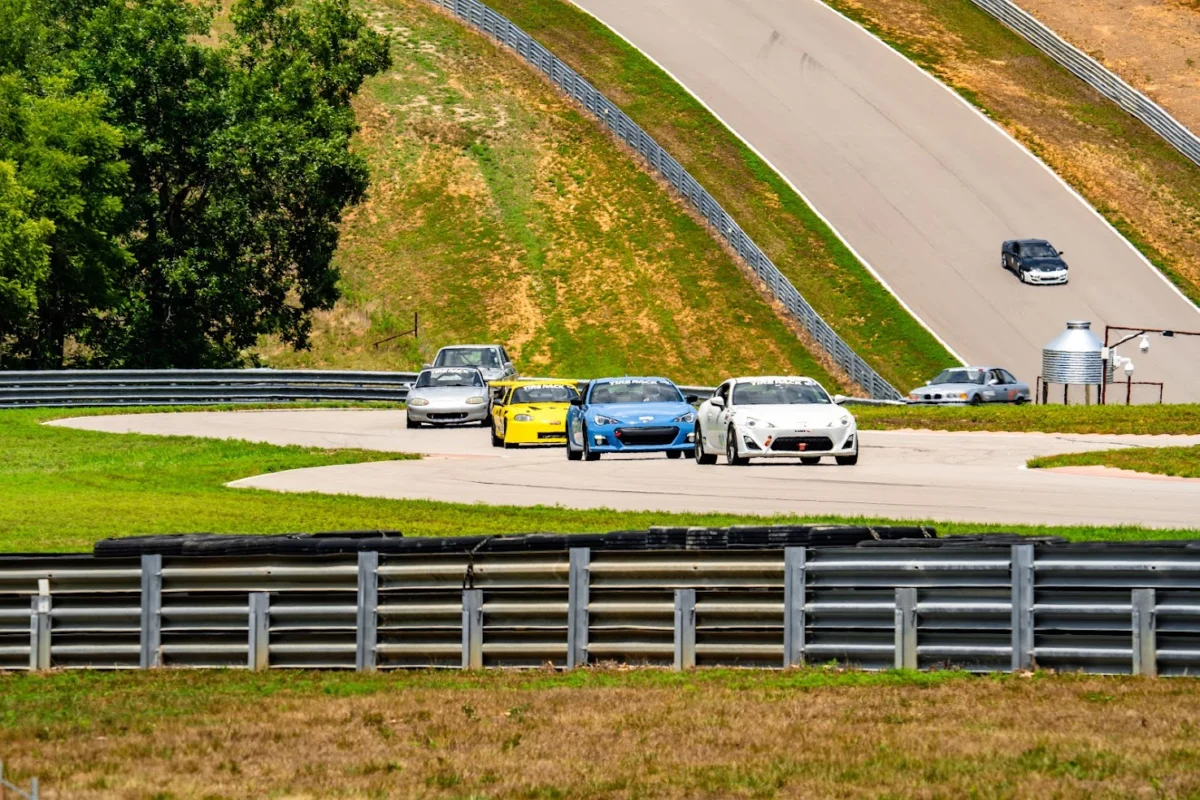
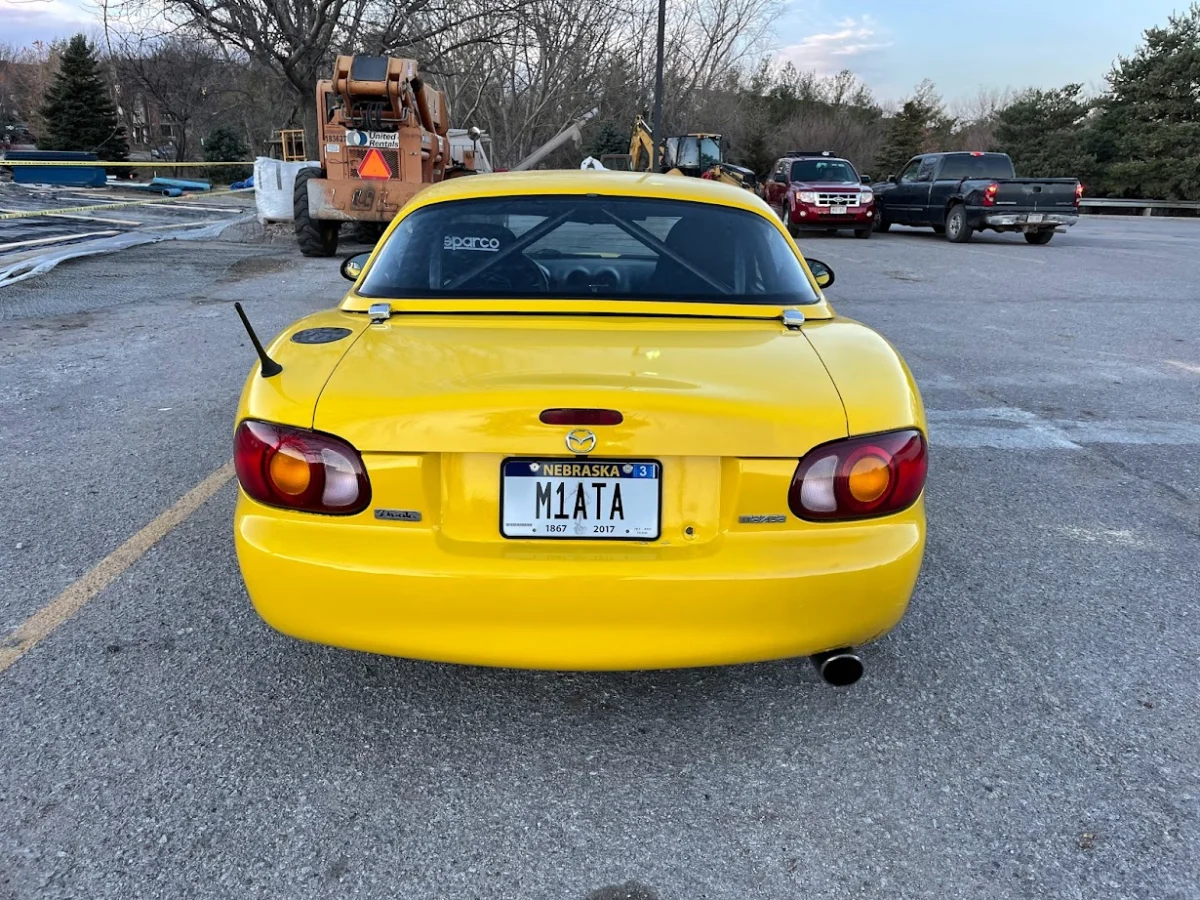
The grassroots motorsports landscape in the United States continues to be dominated by the second-generation Mazda Miata, known internally as the NB platform, due to its balanced chassis and extensive aftermarket support. Over a twelve-month period spanning March 2023 to February 2024, a detailed technical evaluation of one such vehicle reveals the complexities of maintaining a dual-purpose street and track machine. This period, marking the third year of the vehicle’s development, highlights a shift from foundational modifications to granular optimization, aerodynamic refinement, and the logistical challenges of competitive time trials.
Logistical Infrastructure and Aerodynamic Optimization
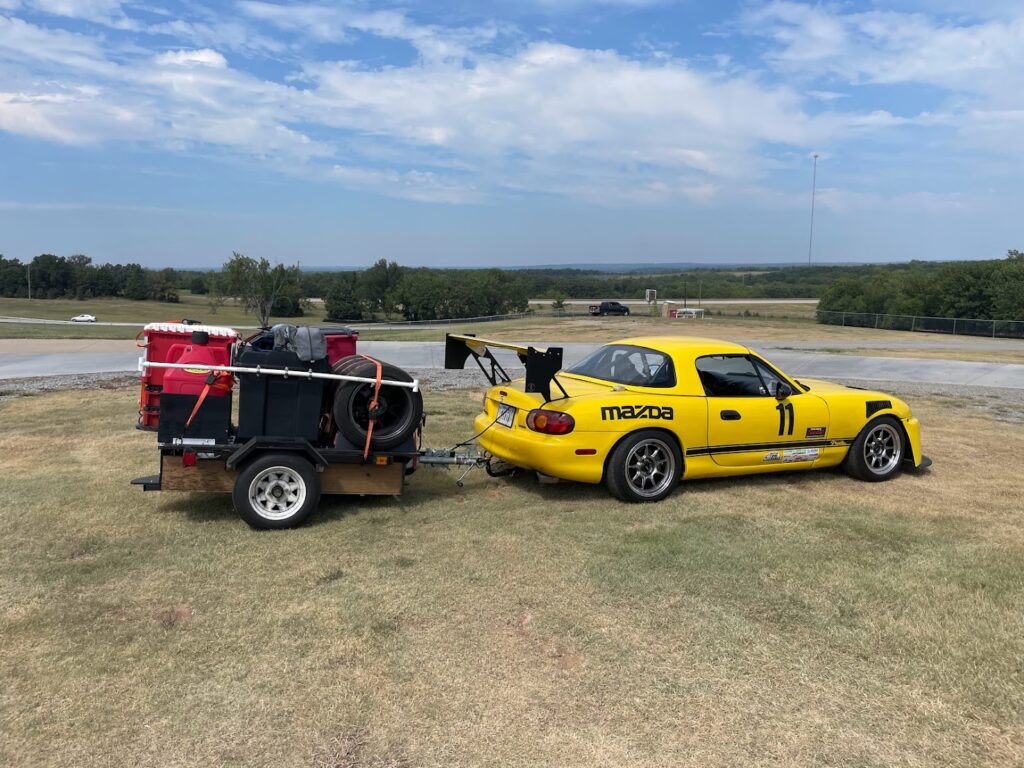
The 2023 racing season began with a focus on logistical efficiency. In March, the vehicle’s support infrastructure was upgraded via a custom-built tire trailer. Grassroots competitors who drive their vehicles to the circuit often face the "space-constrained" dilemma; the owner addressed this by adding a lower deck to the trailer, positioned just below the axle to maintain a low center of gravity. Technical additions included a 15-gallon fuel reservoir, a dedicated mounting system for a spare aerodynamic splitter, and a storage tube for Gurney flaps of varying heights. These modifications reflect a growing trend in the SCCA (Sports Car Club of America) community toward self-sufficiency without the need for a full-size truck and trailer.
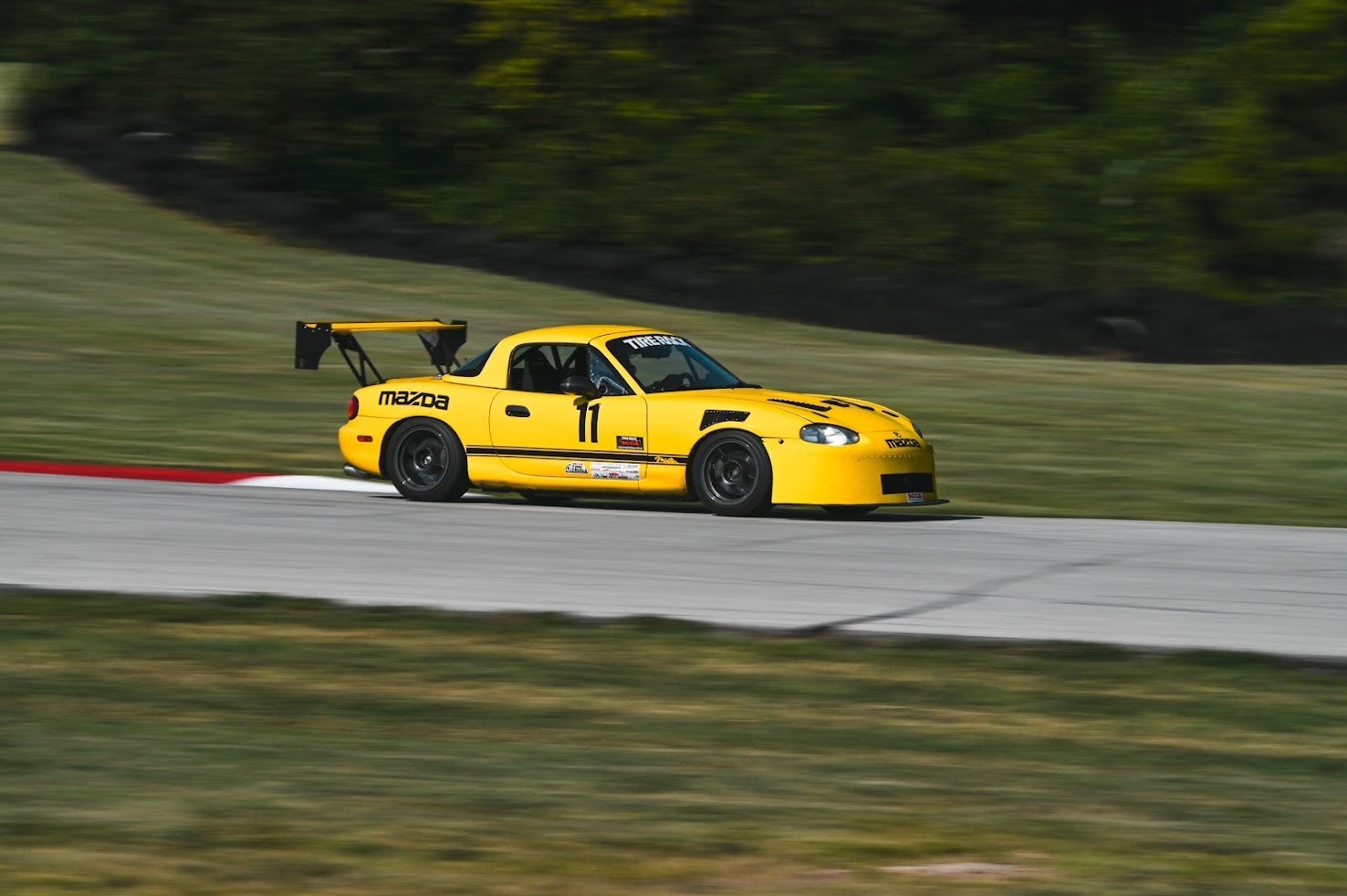
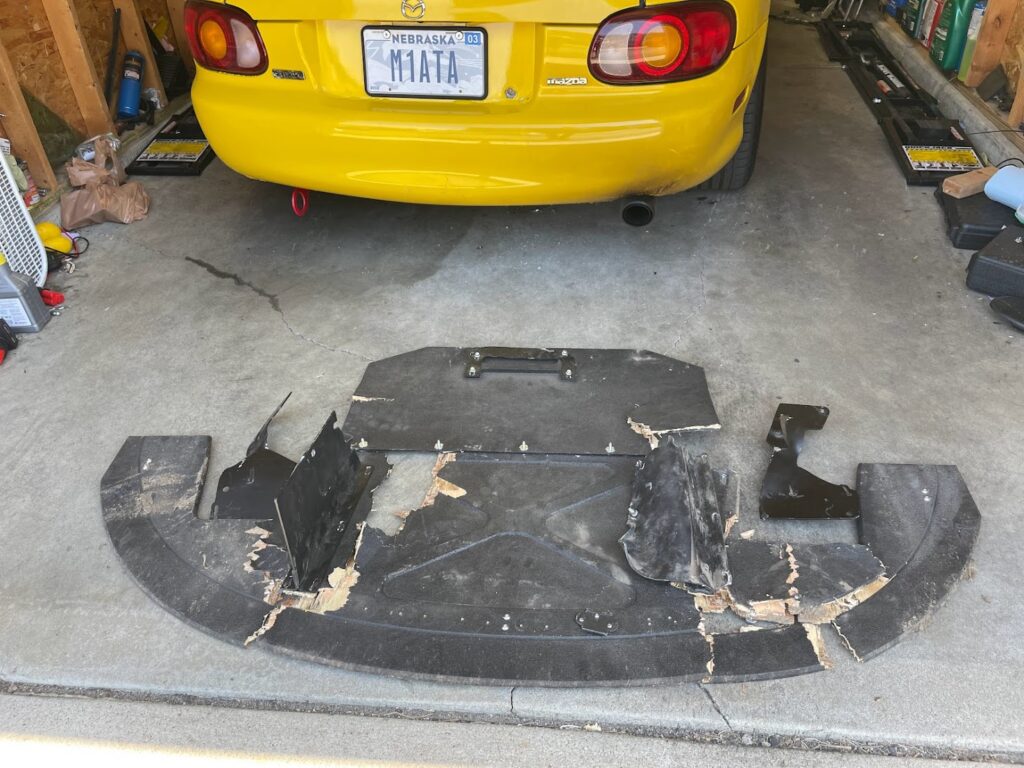
Aerodynamic testing commenced in April following the installation of a Nine Lives Racing medium downforce kit. The kit, designed to balance front-end grip with rear-end stability, faced immediate real-world challenges. During a high-speed corner exit at a regional track day, the vehicle overshot the rumble strips, resulting in the total destruction of the front splitter and damage to the radiator support. This incident underscores the "consumable" nature of aerodynamic components in amateur racing. To mitigate future costs and downtime, the driver transitioned to 1/2-inch plywood splitters with reinforced side supports, a cost-effective solution that provides similar performance to carbon fiber or alumalite alternatives while offering superior durability against track-side debris and curbing.
Regional Circuit Analysis and the Heartland Closure
May 2023 marked a significant milestone with an SCCA Time Trials event at Heartland Motorsports Park in Topeka, Kansas. The vehicle utilized a 225/45R15 Falken RT660 tire setup on 15×9 wheels, a popular choice for the 200-treadwear (200tw) classes. However, the event was overshadowed by the looming closure of the facility. Following a protracted legal dispute regarding property taxes between the track owner and Shawnee County, Heartland Motorsports Park ceased operations at the end of the 2023 season.
The loss of Heartland represents a significant blow to Midwestern motorsports. The facility had been a staple for SCCA National Championships and regional events since 1989. The closure forces regional competitors to seek alternative venues, such as Ozarks International Raceway or Hallett Motor Racing Circuit, often increasing travel times and logistical overhead.
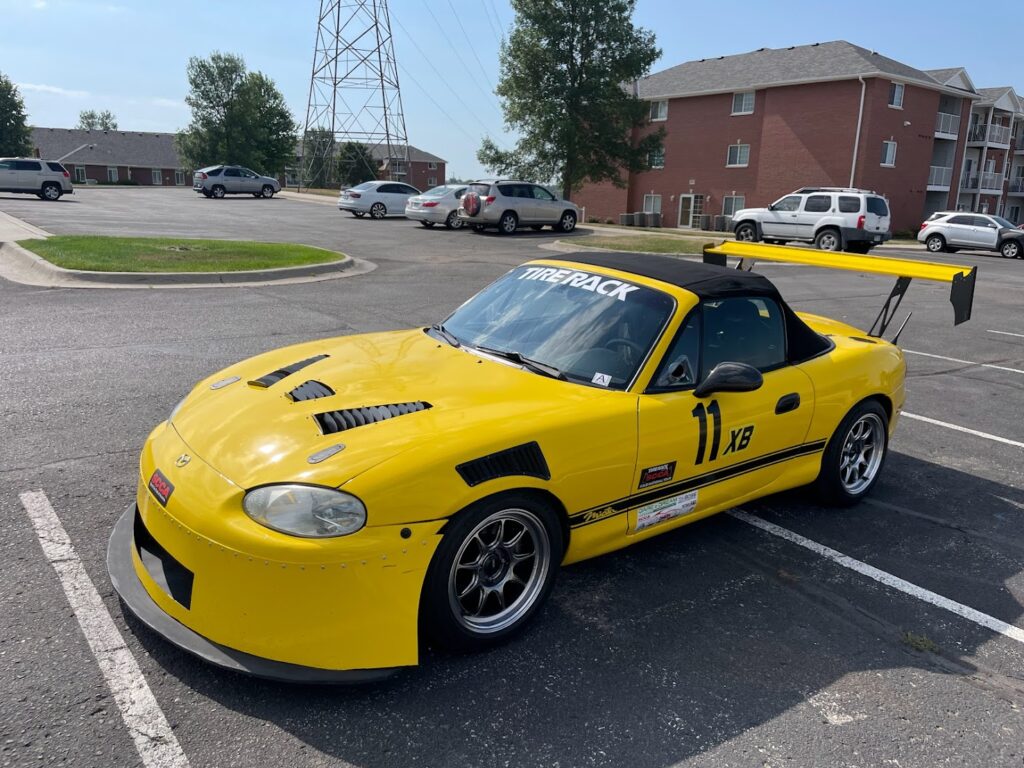
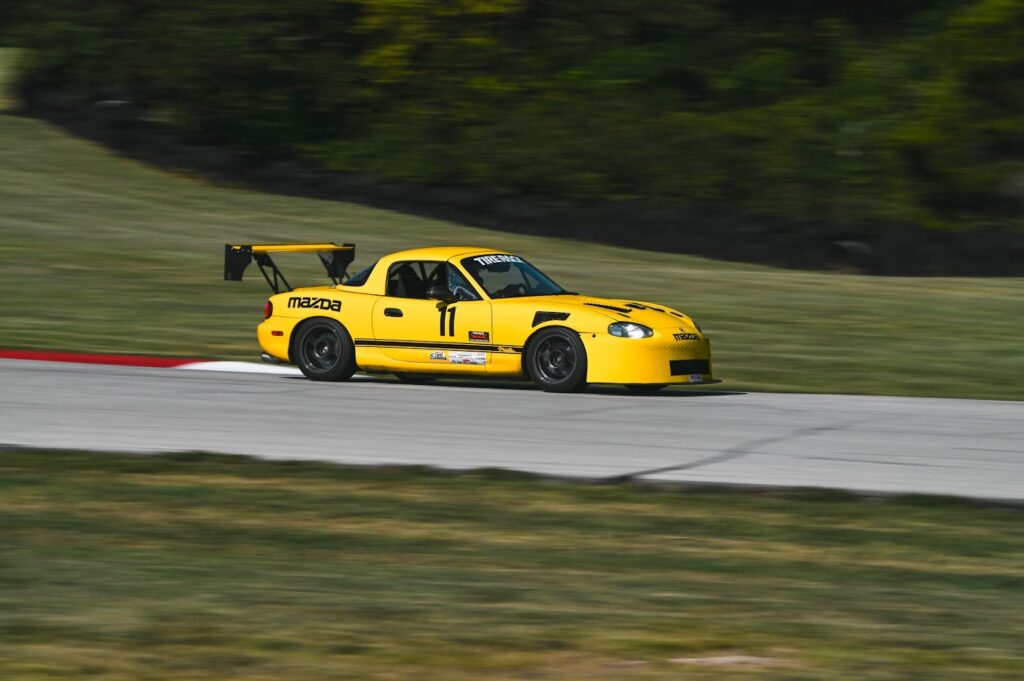
In June, a pivotal decision was made to remove the vehicle’s soft top permanently. Engineering data suggested that the rear wing required the smoother airflow provided by a hardtop to function at peak efficiency. Removing the soft top assembly also yielded a weight reduction of approximately 40 to 50 pounds, a critical gain for a vehicle competing in power-to-weight ratio classes.
Mechanical Resilience and Thermal Management
The July 2023 outing to Ozarks International Raceway (OIR) presented both mechanical and physical challenges. Prior to the event, the vehicle suffered a clutch failure, likely due to a combination of high-heat cycles and a possible rear main seal leak. Due to time constraints, a standard organic replacement was installed to ensure the vehicle could make the OIR debut.
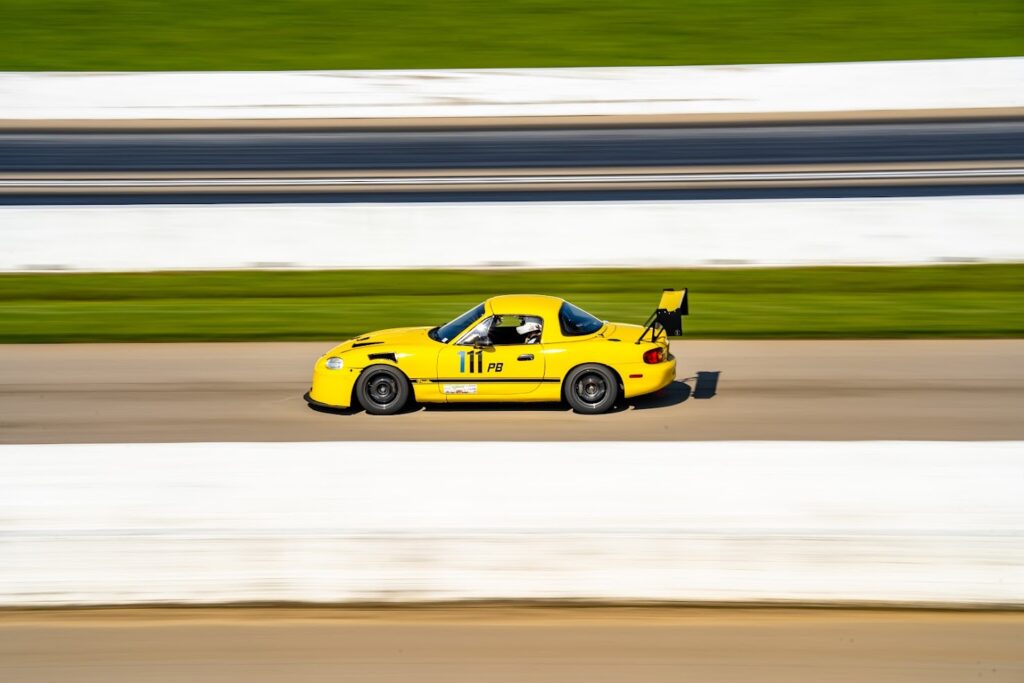
OIR is widely considered one of the most technical tracks in North America, featuring 19 turns and 1200 feet of elevation change over 3.97 miles. The driver noted that the vehicle’s aerodynamic package was essential for stability on the track’s many blind crests. However, the extreme summer temperatures highlighted a need for driver cooling. This led to the implementation of a "Cool Shirt" system—a portable ice-water circulation unit that pumps chilled fluid through a specialized garment worn by the driver. In a professional context, thermal management is often the difference between consistent lap times and heat-induced driver error.
August and September saw continued participation in SCCA Time Trials at Motorsports Park Hastings and the "Miatas at Hallett" event. At Hastings, the vehicle achieved a personal best lap time of 1:42.78. For context, the NASA Spec Miata lap record at the same track stands at 1:40.415. The gap suggests that while the current build is competitive, further gains in high-speed cornering—specifically Turn 3—are required to match the pace of purpose-built race cars.
Powertrain Evaluation and Winter Reconditioning
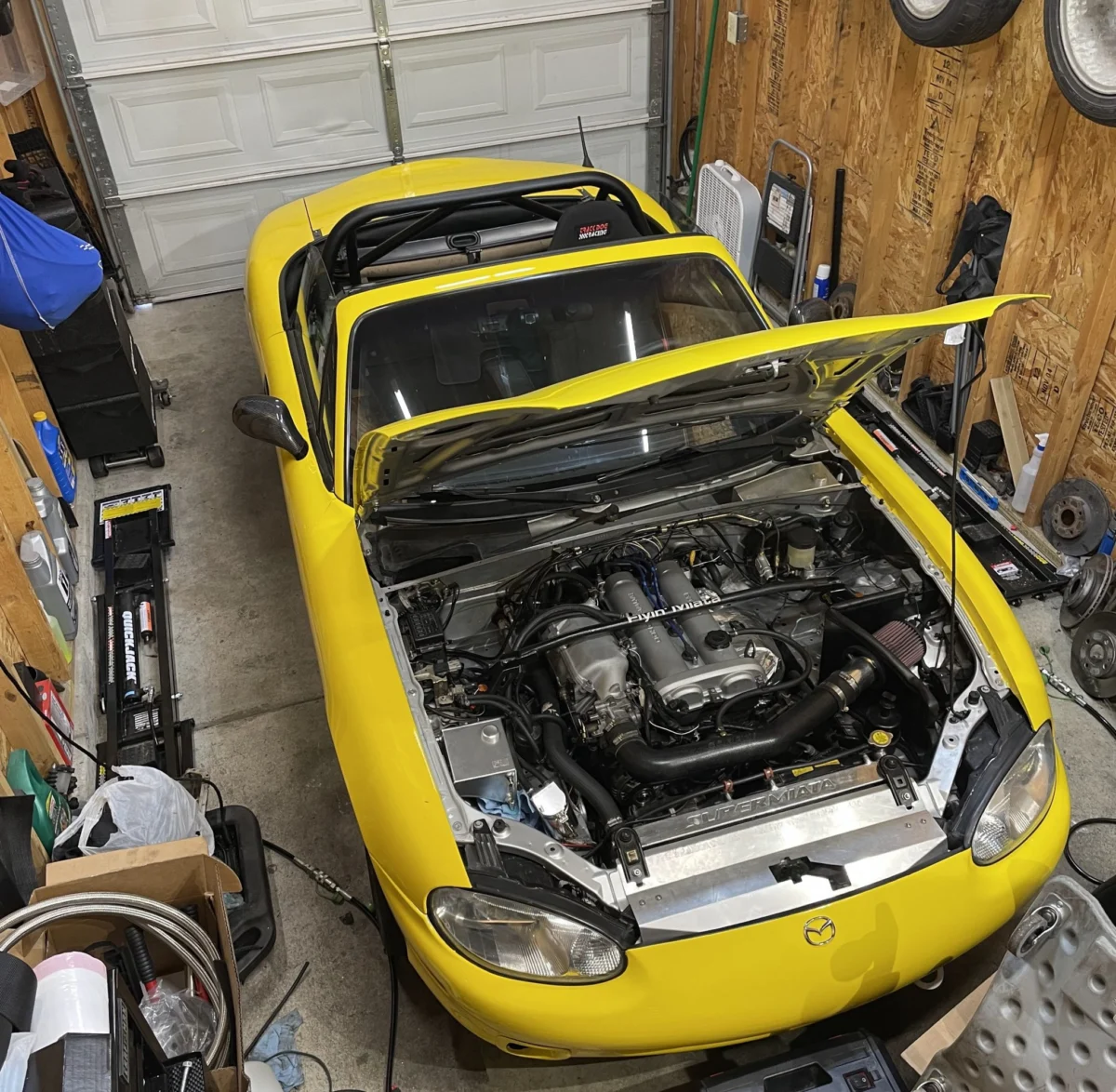
As the 2023 season concluded in November, the vehicle had completed 15 track days and 15 autocross events, totaling 30 days of high-performance use. This high volume of use necessitated a thorough evaluation of the original BP4W engine. Despite modifications including a Boundary Engineering oil pump and an "Exhintake" camshaft swap, the engine exhibited signs of wear, specifically oil consumption at redline and smoke during engine braking.
In October and December, the focus shifted to a dual-engine strategy. The owner currently maintains two BP4W (1999–2000) engines and a BP6D (2001–2005 VVT) engine. The BP6D, known for its Variable Valve Timing, offers a broader power band but requires more complex electronic management. During the winter teardown, the owner performed a "budget rebuild" on a spare BP4W bottom end, pairing it with a refreshed BP6D head and high-compression pistons. This hybrid approach aims to maximize naturally aspirated power while staying within the limits of regional Time Trials classing.
Ergonomics, Weight Reduction, and Future Trajectory
The final phase of the year’s development, spanning December 2023 to February 2024, focused on interior ergonomics and weight optimization. A full dashboard removal allowed for the deletion of unused wiring harnesses and the passenger-side airbag, contributing to a total winter weight loss of 50 pounds.
Key interior upgrades included:
- OMP 330mm Flat Steering Wheel: A smaller diameter wheel improves steering response and provides more legroom for the driver.
- Quick Release Hub: Essential for ingress and egress in vehicles equipped with fixed-back racing seats and roll cages.
- Custom Cool Shirt Mount: To accommodate passengers during HPDE (High-Performance Driving Events), the cooling system was moved from the passenger footwell to a custom-fabricated aluminum bracket in the trunk.
Analysis of tire performance throughout the year provided data for the 2024 season. The Bridgestone RE71-RS tires lasted approximately 70 autocross runs, while the Falken RT660 track tires endured 38 heat cycles. For the upcoming season, the project will transition to Yokohama A052 and Nankang CRS v2 compounds, which are currently regarded as the "super-200" tires of choice for maximum lateral grip.
Impact and Implications for the Amateur Racing Community
The three-year journey of this NB Miata illustrates the evolving standards of the "Club Sport" enthusiast. The transition from a street car with minor upgrades to a stripped-out, aerodynamically dependent track tool mirrors the broader trend in the SCCA and NASA (National Auto Sport Association) ecosystems.
As tracks like Heartland Motorsports Park disappear, the community is seeing a rise in "destination" tracks like Ozarks International Raceway, which offer premium facilities but require higher levels of vehicle preparation and driver skill. The shift toward data-driven modifications—such as specific tire heat cycle tracking and aerodynamic flow analysis—indicates that the line between amateur enthusiasts and professional-style racing teams continues to blur.
For the 2024 season, the project stands at a crossroads. While the vehicle is optimized for its current class, the driver has expressed interest in forced induction (turbocharging or supercharging) to compete in higher-tier power-to-weight categories. This move would require a significant overhaul of the cooling and drivetrain systems but represents the logical conclusion of a three-year development cycle aimed at extracting the maximum performance from the Mazda NB platform.