Retno Hari Mulyono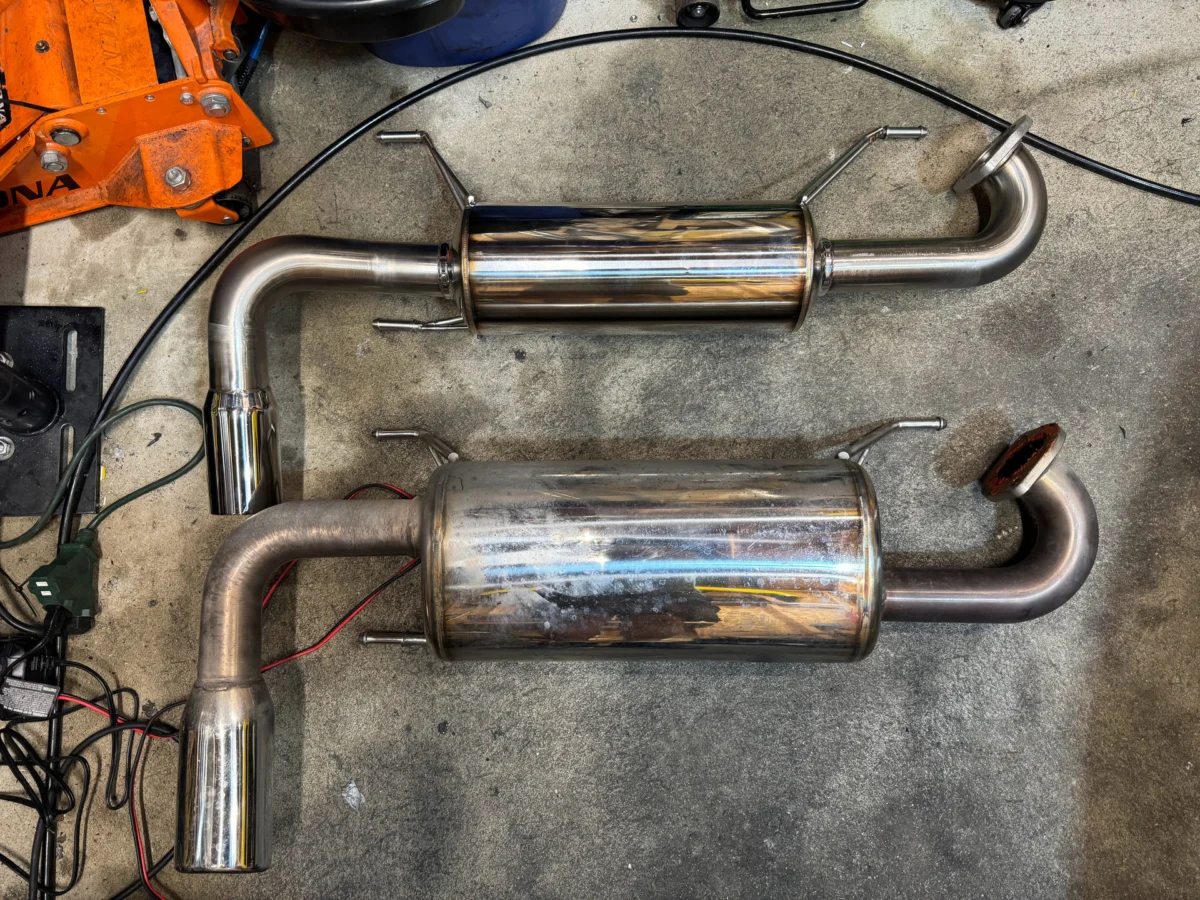
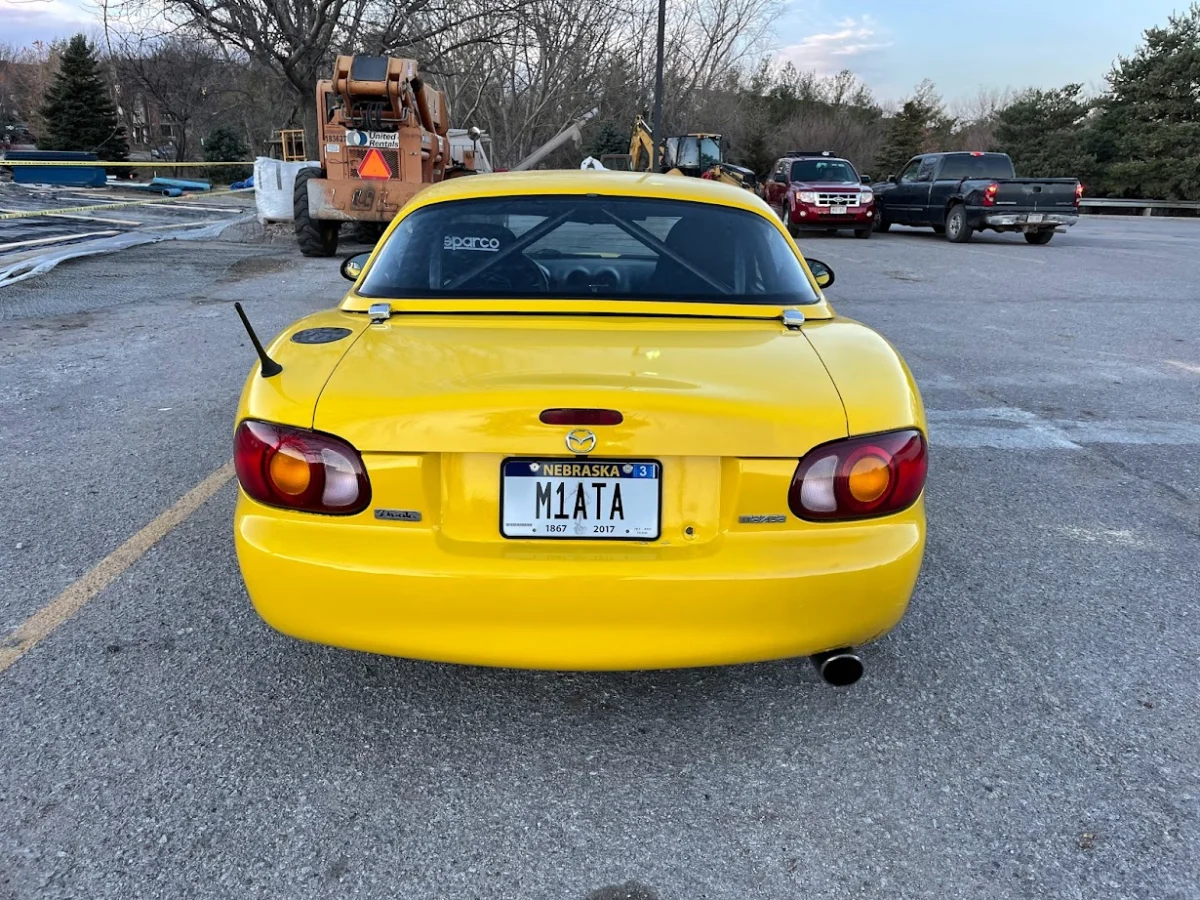
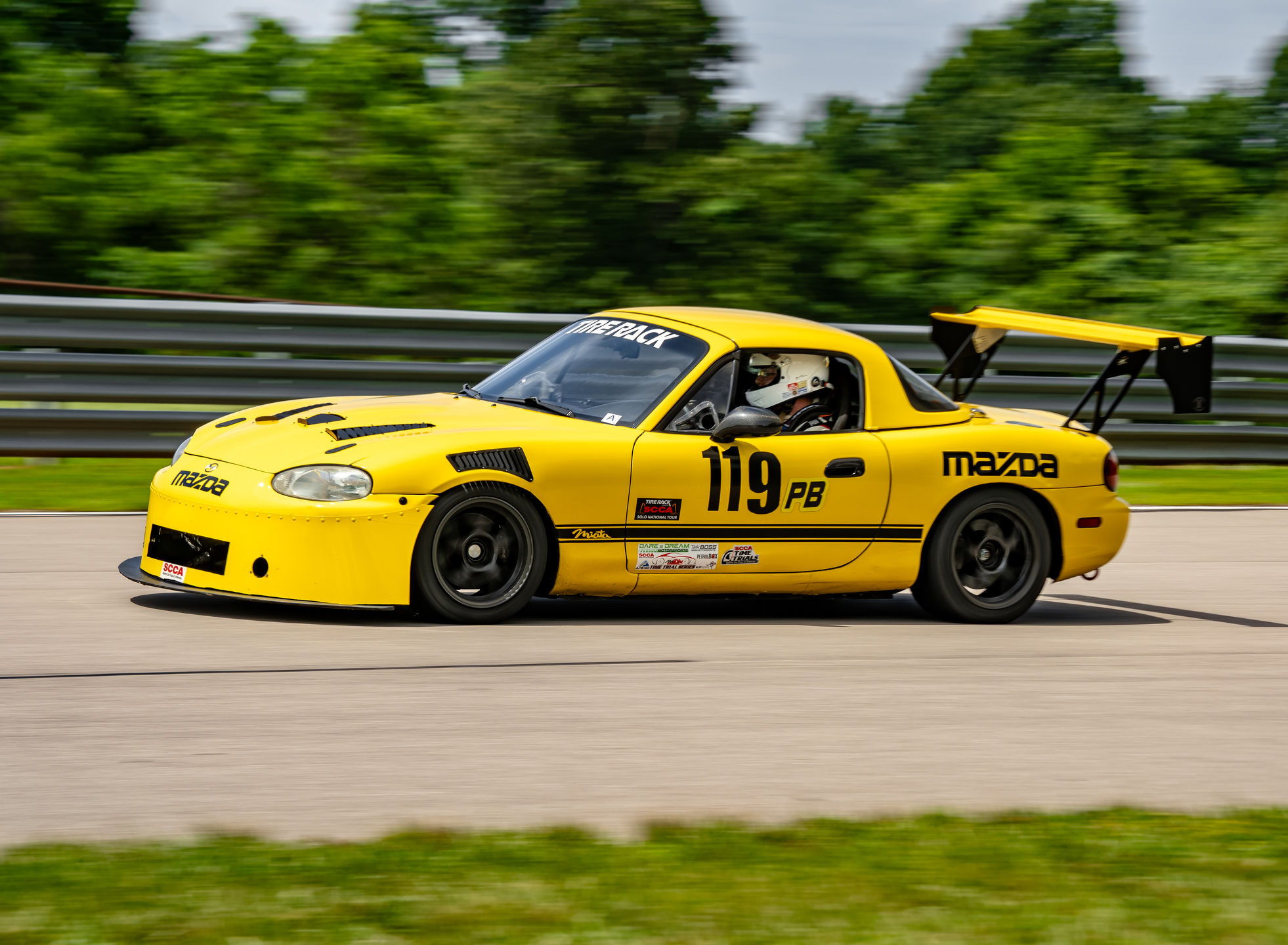
The second-generation Mazda MX-5, known internally as the NB chassis, remains a cornerstone of grassroots motorsports due to its balanced rear-wheel-drive dynamics and robust aftermarket support. Following four years of continuous ownership and iterative development, a detailed technical review of the vehicle’s performance from March 2024 through February 2025 reveals a significant shift from a street-legal hobbyist car toward a dedicated, logistically independent track platform. This period was characterized by ambitious powertrain swaps, the implementation of advanced thermal management systems, and a transition to a comprehensive towing and paddock infrastructure.
Powertrain Development and the Challenges of Variable Valve Timing
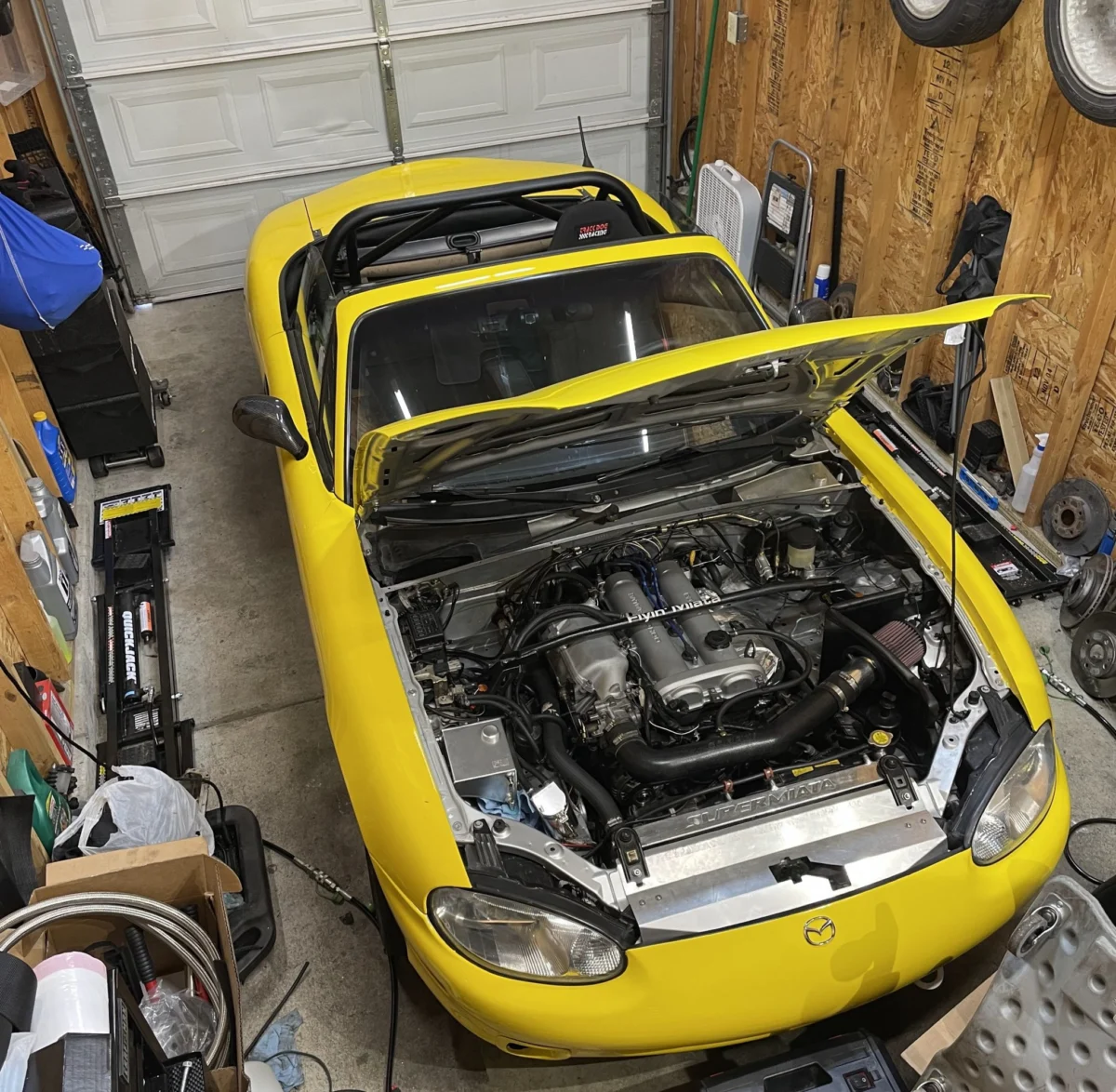
The 2024 season commenced with a primary focus on increasing the vehicle’s power-to-weight ratio through an engine conversion. The original BP4W engine, standard in early NB Miatas, was slated for replacement with the BP6D. This later-model 1.8-liter engine features Variable Valve Timing (VVT), which offers a broader torque curve and higher peak power potential. During the winter preparation phase, the BP6D underwent a comprehensive "refresh," which evolved into a more intensive rebuild after diagnostic testing indicated poor valve sealing.
The rebuild included a cylinder head overhaul and a "DIY" hone of the block to accommodate new Original Equipment Manufacturer (OEM) rings and aftermarket pistons. To handle the increased stresses of track use, the powertrain was further bolstered with a six-speed manual transmission, replacing the factory five-speed unit to provide closer gear ratios and improved mechanical advantage on high-speed circuits.
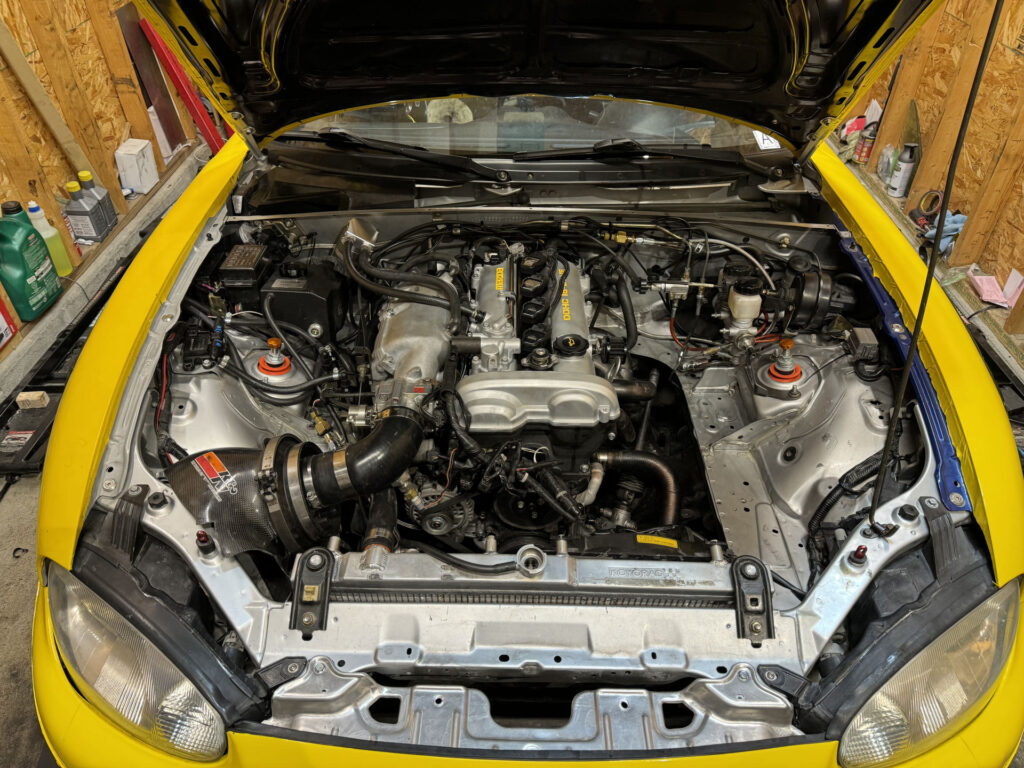
However, the limits of the DIY assembly were tested during early-season competition. During an autocross event in March 2024, the cooling system experienced a catastrophic pressure spike, resulting in a blown freeze plug. Technical analysis suggests that near-redline RPMs, combined with a minor head gasket breach, allowed combustion gases to over-pressurize the water jacket. Consequently, the VVT motor was sidelined for the remainder of the 2024 season, and the original BP4W engine was reinstalled to ensure reliability for scheduled competitive events, though the upgraded six-speed transmission remained in service.
Thermal Management and Braking Efficiency
In April 2024, the focus shifted to the vehicle’s braking system. While the car was already equipped with a Supermiata BX11 big brake kit, high-intensity track sessions were resulting in accelerated pad wear. The thin profile of racing pads often leads to rapid heat saturation, which can degrade friction material and increase maintenance costs.
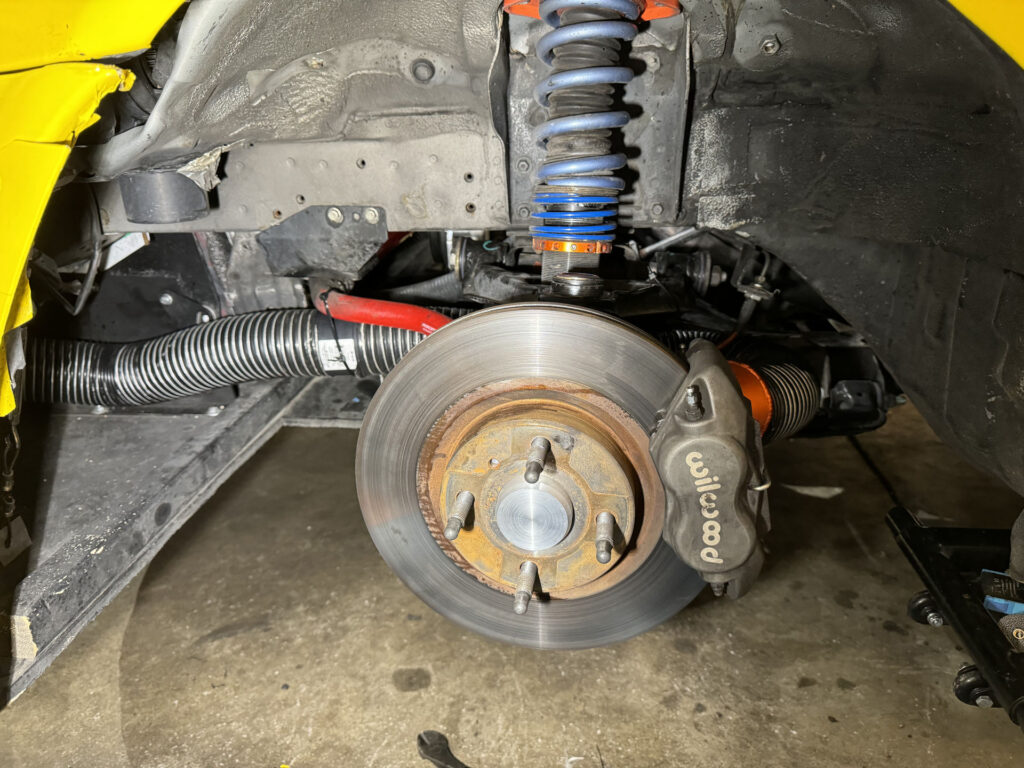
To mitigate this, a custom brake cooling duct system was installed. The design utilized a modular approach, employing two sections of high-temperature hose joined by a central coupler. This configuration allows for the isolated replacement of damaged sections—frequently caused by tire rub at full steering lock—without requiring a full system overhaul. Data collected throughout the season indicated that the introduction of forced-air cooling approximately doubled the service life of the brake pads, representing a significant reduction in the vehicle’s operating cost per track hour.
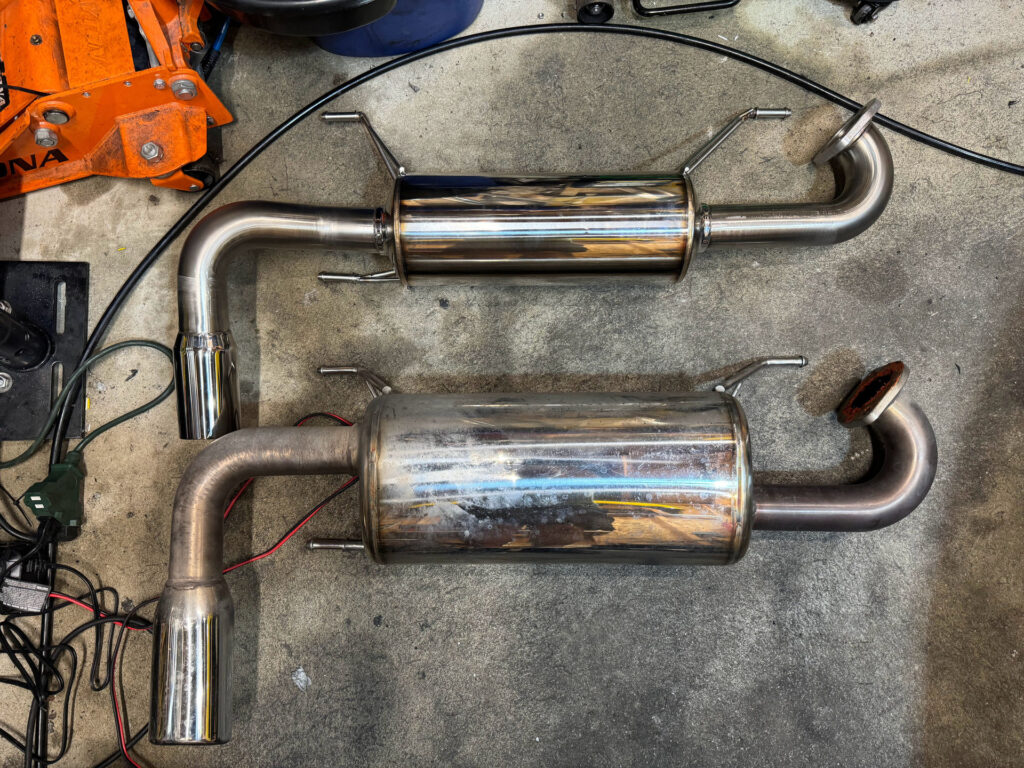
Further refinement of the vehicle’s "breathing" and weight profile occurred in May with the installation of a Racing Beat Race muffler. This component replaced the heavier Power Pulse variant, contributing to a marginal weight reduction and a more aggressive acoustic profile. When paired with a Raceland header and a resonated midpipe, the exhaust system remained within the decibel limits enforced by most North American racing circuits while improving high-RPM exhaust scavenging.
Competitive Analysis and Circuit Performance
The 2024 competitive season spanned several high-profile Midwestern circuits, providing a diverse set of data points for the NB platform.
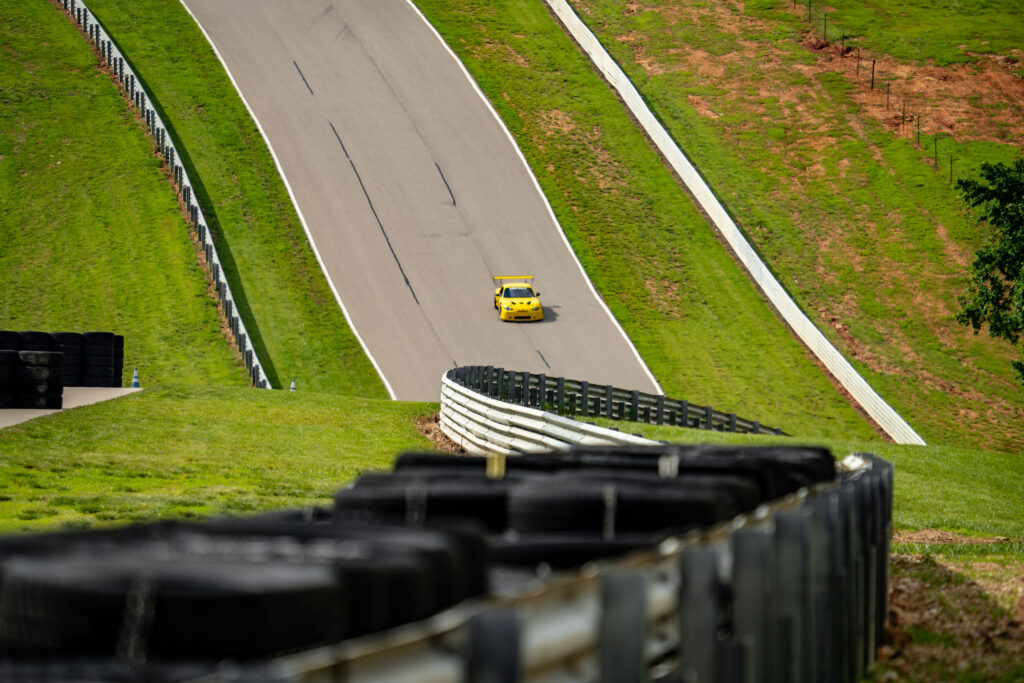
Ozarks International Raceway (June)
Ozarks is recognized as one of the most technical circuits in the United States, featuring extreme elevation changes and blind apexes. Performance data from June 2024 showed marked improvement over the previous year. The driver reported increased confidence in the vehicle’s stability during high-speed transitions, highlighting the importance of "seat time" in mastering a technical track where the line is dictated by elevation as much as geometry.
High Plains Raceway (July)
A 900-mile round trip to Colorado marked a logistical milestone. For the first time, the vehicle was towed rather than driven to the circuit. This transition allowed for a more aggressive track setup without the compromise of highway drivability. Despite minor ignition issues involving oil-fouled spark plugs, the Miata performed consistently in the high-altitude environment.
Motorsports Park Hastings (August)
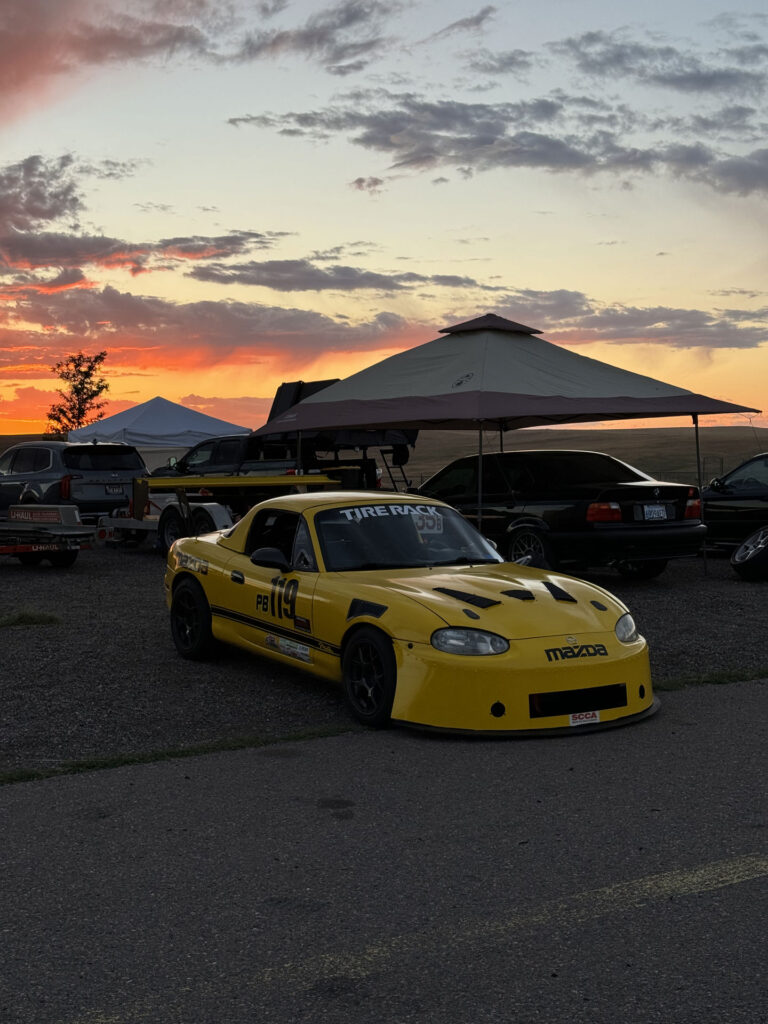
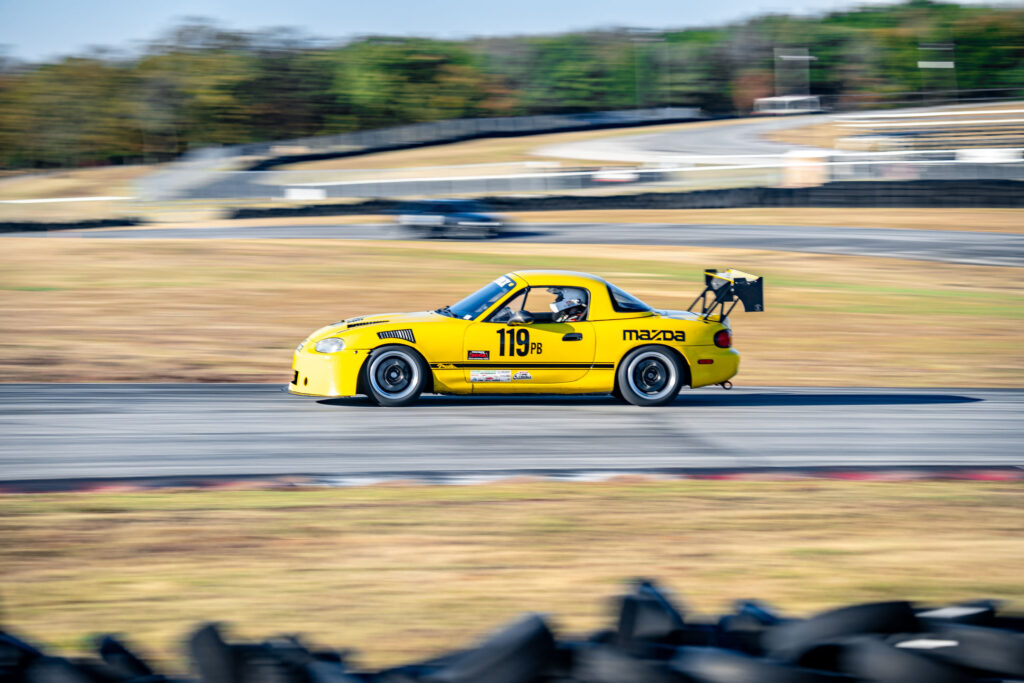
At the SCCA Time Trials event in Hastings, Nebraska, the Miata demonstrated its competitive ceiling. The vehicle recorded a peak lap time of 1:39.19, a 3.59-second improvement over the 2023 season. This time is statistically significant, as it surpassed the NASA Spec Miata track record (1:40.41) and the NASA TT6 record (1:39.62). The analysis places the current build between the NASA TT6 and TT5 classes, suggesting that the car is performing at the top tier of its current naturally aspirated configuration.
Hallett Motor Racing Circuit (November)
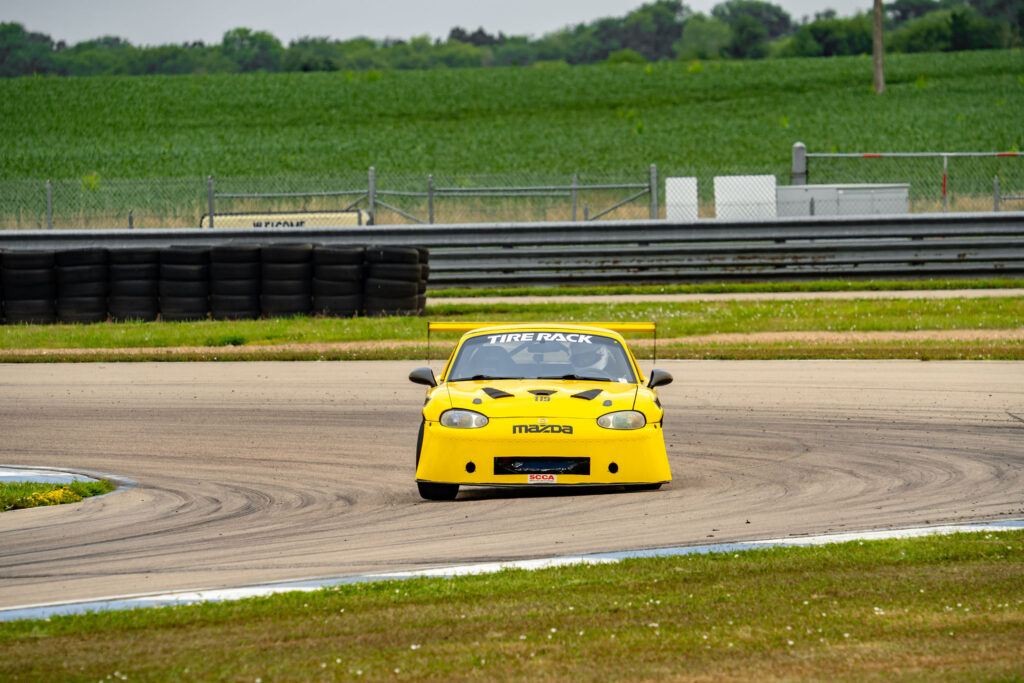
The final event of the season involved the SCCA Time Trials at Hallett, where the track was run in both clockwise and counter-clockwise configurations. Despite significant tire wear and rear-wheel lockup issues toward the end of the day, the vehicle secured first-place finishes in several sessions within its class, reinforcing the effectiveness of the year’s incremental suspension and transmission tuning.
Infrastructure and Logistical Scaling
A critical theme of the fourth year of ownership was the development of a self-sustaining support ecosystem. The transition from driving the car to the track to a full truck-and-trailer setup represents a professionalization of the racing effort.
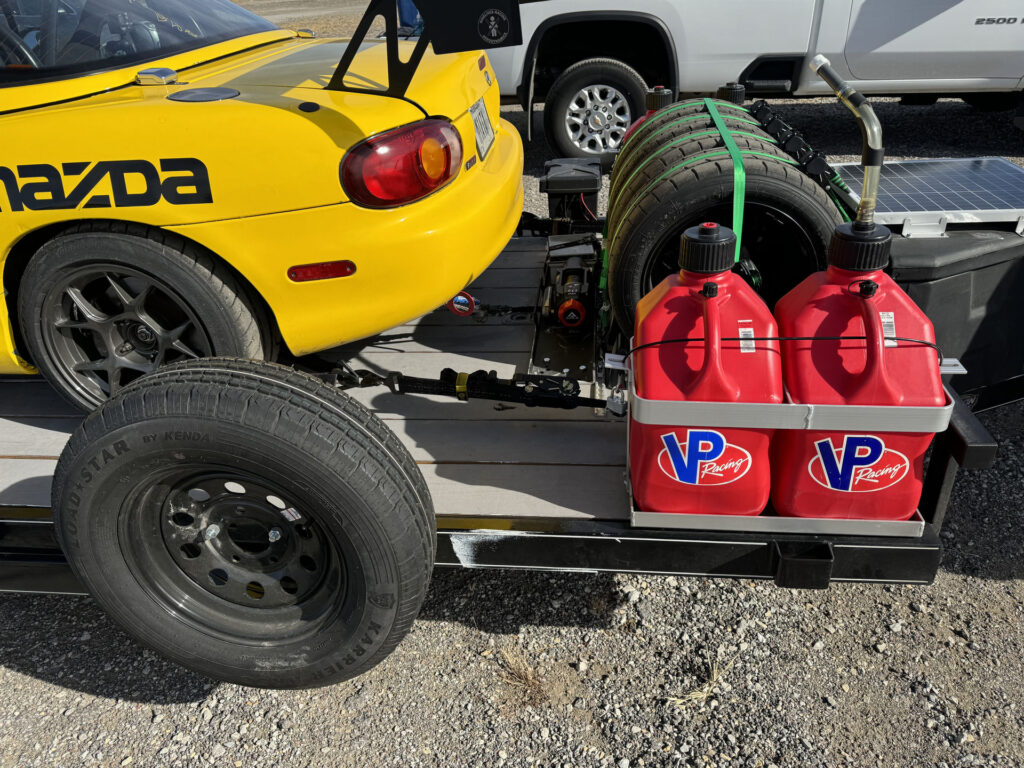
In July 2024, a dedicated 18-foot open car hauler was acquired. Between July and October, the trailer underwent extensive modifications to serve as a mobile paddock. These upgrades included:
- A front-mounted toolbox for tool and fluid storage.
- A 9,500-lb electric winch for vehicle recovery.
- A dedicated battery system supported by a 100-watt solar panel.
- A custom-fabricated tire rack for spare wheel sets.
- LED lighting and an electric tongue jack for improved ergonomics during night-time loading.
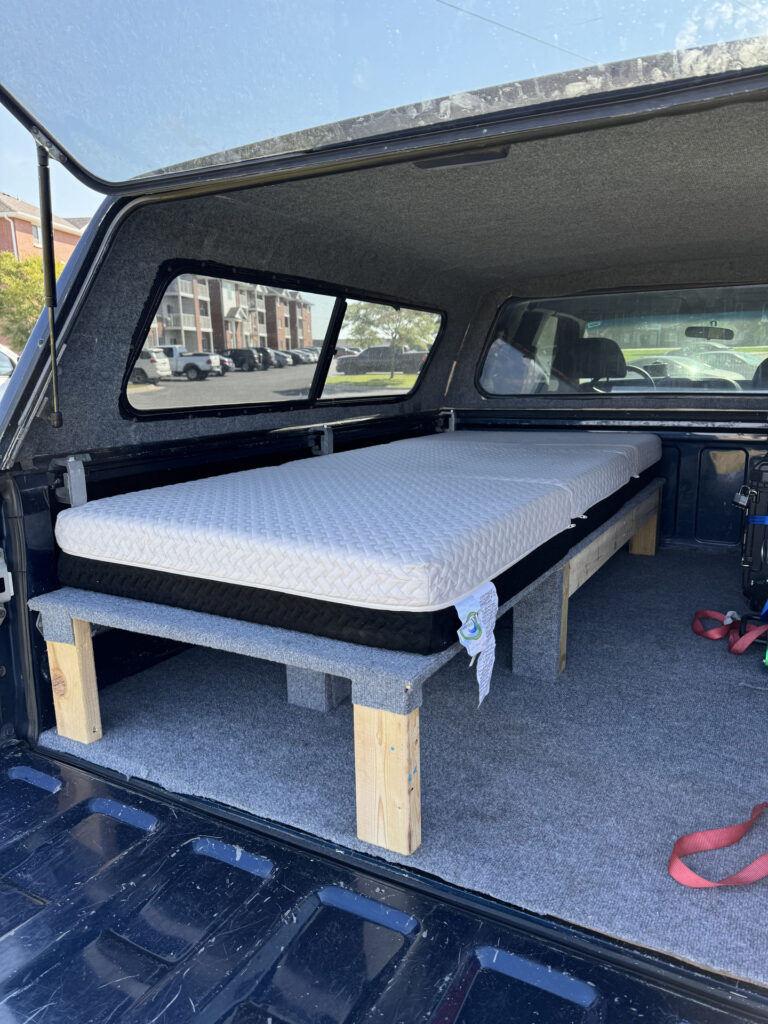
Furthermore, the tow vehicle—a truck equipped with a color-matched camper shell—was converted into a mobile sleeping quarters. This "truck bed camping" setup included a memory foam mattress, a MaxxFan Deluxe RV roof vent for climate control, and a standalone solar power system. This logistical independence reduces the overhead costs of hotel stays and minimizes the time required for track-side setup and teardown, particularly during multi-day events.
Technical Diagnostics and 2025 Preparations
As the 2024 season concluded, the focus returned to the sidelined VVT engine. A December teardown revealed that while there were no catastrophic failures, the cylinder walls showed premature wear through the hone on the thrust side. This suggests potential issues with piston-to-wall clearance or cylinder roundness. Consequently, the decision was made to continue using the reliable BP4W engine while a secondary block is prepared at a professional machine shop.
In January 2025, the intake system was upgraded with a Skunk2 manifold. While the previous "Squaretop" manifold is highly regarded, the Skunk2 unit is designed to shift the power band higher into the RPM range. For a track-focused vehicle that operates primarily between 5,000 and 7,200 RPM, the potential gain of 1–4 horsepower at the top end is a calculated trade-off against mid-range torque.
Finally, in February 2025, the vehicle’s communication systems were modernized. A GMRS-based radio system using Baofeng UV-5R units was integrated into the car. The system features a steering-wheel-mounted Push-To-Talk (PTT) button and a NASCAR-to-IMSA wiring harness for helmet connectivity. This allows for real-time communication between the driver and the pit crew, enabling tactical adjustments based on live timing and scoring data—a necessity for competitive Time Trials.
Broader Implications and Summary of Data
Over the course of the fourth year of ownership, the NB Miata completed 392 laps, totaling 12.1 hours of track time across 16 separate days of competition. Cumulative data from the Garmin Catalyst telemetry system shows that the chassis has logged over 1,023 laps and 34.6 hours of high-performance driving under current ownership.
The evolution of this vehicle highlights a broader trend in the amateur racing community: the shift toward "data-driven" development. Every modification—from the brake ducts to the GMRS radio—was a response to specific performance bottlenecks identified during competition. As the platform enters its fifth year, it stands as a testament to the longevity of the NB chassis and the depth of development possible within the framework of production-based sports car racing. The focus for 2025 remains on refining the high-RPM power delivery and maintaining the mechanical reliability that allowed for a record-breaking 2024 season.