Cecilia Chamidah Nur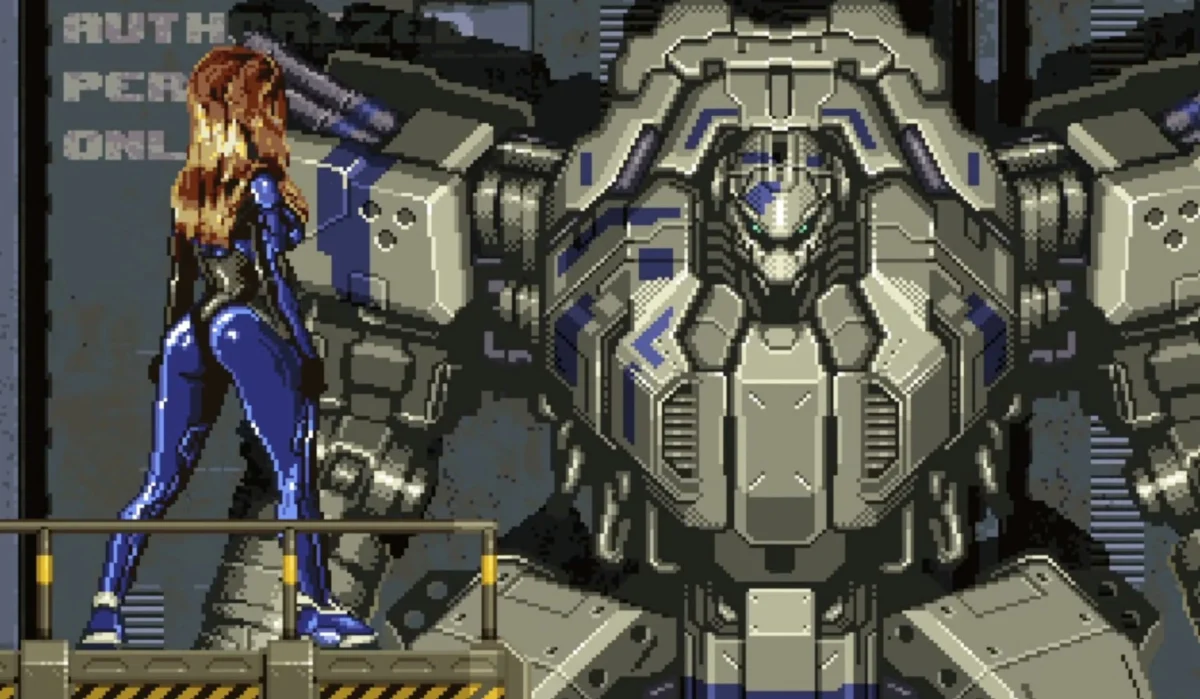
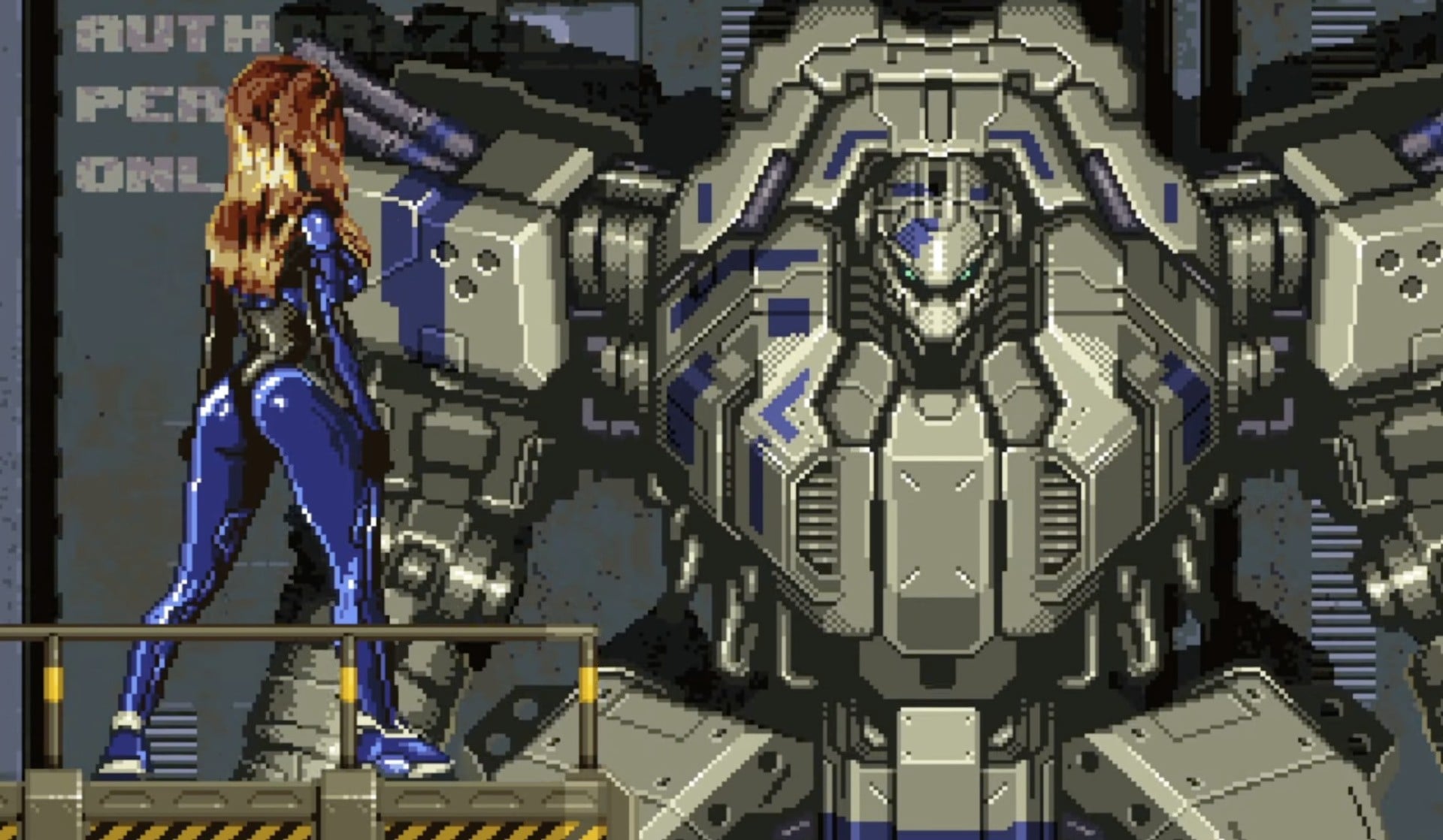
The burgeoning retro gaming scene has witnessed a significant development with the release of a playable demo for "Impact Armor Alpha," an "old school mecha platform game" that immediately evokes the golden age of 16-bit console action. Developed by 2Bit Combo, this ambitious title is currently showcasing its foundational gameplay on the Amiga AGA platform, specifically optimized for the Amiga 1200, and is generating considerable buzz due to its stated potential for future ports to iconic systems such as the Sega Mega Drive/Genesis and SNK Neo Geo. This initiative represents more than just a new game; it embodies a broader trend of developers returning to classic hardware and design philosophies, leveraging modern tools to breathe new life into beloved genres and platforms, ultimately reinforcing the enduring appeal of vintage computing and console ecosystems.
The Resurgence of Retro: Why Amiga, Why Now?
The Amiga platform, a cornerstone of computing and gaming in the late 1980s and early 1990s, maintains a passionate and dedicated global community. Originally introduced by Commodore International, the Amiga line was renowned for its advanced multimedia capabilities, particularly in graphics and sound, which often surpassed contemporary PCs and even some dedicated consoles of its era. The Amiga 1200, released in 1992, represented the pinnacle of Commodore’s consumer-grade Amiga range, featuring the Advanced Graphics Architecture (AGA) chipset. The AGA chipset significantly enhanced the Amiga’s graphical prowess, offering a 256-color palette from a total of 262,144 colors, higher resolutions (up to 1280×512 with overscan), and improved sprite capabilities, making it a powerful machine for its time, especially for 2D games. Despite Commodore’s eventual bankruptcy in 1994, the Amiga’s legacy has persisted through enthusiast communities, hardware modifications, and a continuous, albeit niche, stream of new software development.
The decision by 2Bit Combo to initially target the Amiga AGA, and specifically the A1200, for "Impact Armor Alpha" is indicative of several factors. Firstly, it taps into this vibrant, dedicated community that actively seeks new experiences for their cherished vintage hardware. This demographic is often willing to support independent developers creating content for their preferred systems, fostering a direct relationship between creators and consumers. Secondly, developing for the Amiga, particularly with its well-understood architecture, can offer a more controlled environment for initial development compared to the complexities of modern multi-platform releases. This allows developers to focus on core gameplay mechanics and aesthetic fidelity without the overhead of contemporary engine requirements and broad hardware compatibility. The project aligns with a broader retro gaming movement that celebrates the tactile feel, distinct graphical styles, and unique gameplay paradigms of yesteryear, often finding modern gaming experiences too complex or homogenized. This movement is not merely nostalgic; it actively pushes the boundaries of what can be achieved on vintage systems, showcasing the enduring creativity within these communities and ensuring the Amiga’s software library continues to grow.
Forging the Future with the Past: The Scorpion Engine’s Role
A pivotal element in the development of "Impact Armor Alpha" is its utilization of the Scorpion Engine. This versatile development tool has emerged as a significant enabler for modern retro game development, bridging the gap between contemporary development practices and the unique constraints of classic hardware. The Scorpion Engine is specifically designed to facilitate the creation of games for a variety of classic platforms, including the Amiga (supporting OCS, ECS, and AGA chipsets), Commodore 64, ZX Spectrum, and critically for "Impact Armor Alpha," it boasts robust support for the Sega Mega Drive/Genesis and SNK Neo Geo. Its primary advantage lies in abstracting away many of the low-level hardware intricacies, such as direct register manipulation and highly optimized assembly routines, allowing developers to focus more on game design, asset creation, and high-level logic rather than specialized, platform-specific programming.
For a developer like 2Bit Combo, the Scorpion Engine offers a streamlined workflow that is crucial for independent projects with limited resources. It provides a comprehensive suite of tools for graphics (sprite and tilemap editors), sound (tracker integration), level design, and scripting, all within a modern, user-friendly development environment. This approach significantly reduces the barriers to entry for creating high-quality games on vintage hardware, making such ambitious projects more accessible to a wider range of developers. The engine’s cross-platform capabilities, as highlighted by 2Bit Combo, are particularly transformative. By building the game once within the Scorpion Engine, the potential for porting to multiple target systems becomes a significantly less daunting task. This not only expands the potential audience for the game but also maximizes the return on development effort, making projects like "Impact Armor Alpha" more viable from a business perspective. The engine’s growing community support and ongoing development also mean that developers can benefit from shared knowledge, tutorials, and continuous improvements, further solidifying its position as a go-to tool for the retro development scene. This innovative use of modern tools to target legacy systems exemplifies how the retro gaming community is evolving, effectively bridging the gap between historical hardware and contemporary development practices.
A Homage to Giants: The Mecha Genre’s Enduring Appeal
"Impact Armor Alpha" openly declares its lineage, drawing direct inspiration from legendary mecha action titles of the 16-bit era. The developer explicitly names "Assault Suits Valken" (known as "Cybernator" in North America), "Ranger-X," and "Front Mission: Gun Hazard" as key influences. These titles represent a golden age for side-scrolling mecha combat, each contributing distinct elements to the genre’s enduring appeal and setting benchmarks for future mecha games.
"Assault Suits Valken," released by NCS Corporation for the Super Famicom in 1992 (and localized as "Cybernator" by Konami for the SNES in 1993), is revered for its gritty, realistic mecha design, tight controls, and impactful weaponry. Players piloted large, agile mechs through hostile environments, engaging in intense run-and-gun combat against enemy forces and colossal boss machines. The game’s emphasis on responsive movement, weighty combat mechanics, and environmental destruction, where elements of the background could be destroyed by heavy fire, set a high bar for the genre. Its relatively dark narrative, exploring themes of war and sacrifice, often depicted through subtle visual cues and limited dialogue, also resonated deeply with players seeking more mature themes in their action games.

"Ranger-X," developed by GAU Entertainment and published by Sega for the Mega Drive/Genesis in 1993, stood out with its innovative gameplay mechanics and stunning technical presentation. Players controlled a transforming mecha equipped with a jetpack and a versatile arsenal, often accompanied by a customizable support vehicle (the "Inner Core") that could be deployed for additional firepower or defensive capabilities. The game was celebrated for its fluid animation, fast-paced action, and complex level design that encouraged strategic use of the mech’s various forms and weapons. "Ranger-X" pushed the Mega Drive’s hardware to its limits, showcasing impressive parallax scrolling, large, detailed sprites, and elaborate boss encounters, making it a visual and technical benchmark for the console. Its unique control scheme, which allowed separate aiming and movement, offered a level of tactical depth uncommon for its time.
"Front Mission: Gun Hazard," a spin-off from Square’s acclaimed "Front Mission" tactical RPG series, released for the Super Famicom in 1996, fused side-scrolling action with robust RPG elements. Players customized their "Wanzers" (mechs) with different body parts (arms, legs, body), weapons, and accessories, offering a depth of strategic customization rarely seen in action platformers. The game combined intense combat sequences with a compelling narrative and a robust upgrade system, allowing players to tailor their mechs to their preferred playstyle and adapt to various mission requirements. This blend of action and customization offered a unique proposition within the mecha genre, appealing to players who enjoyed both immediate action and long-term character progression.
By citing these titans, 2Bit Combo is setting a clear expectation for "Impact Armor Alpha": a game that prioritizes solid mech combat mechanics, intricate level design, and potentially a degree of customization or strategic depth, all wrapped in a visually distinctive package that honors the 16-bit aesthetic. The developer’s intent is not merely to mimic but to channel the spirit and design principles that made these classics so memorable, offering a fresh experience built on a beloved foundation. The enduring appeal of mecha games lies in the fantasy of piloting powerful war machines, the tactile feedback of heavy weaponry, and the strategic possibilities offered by diverse loadouts and movement options. "Impact Armor Alpha" aims to capture these core tenets, translating them for a new generation of retro enthusiasts and veteran players alike.
2Bit Combo’s Vision: Crafting a Demo, Paving the Way
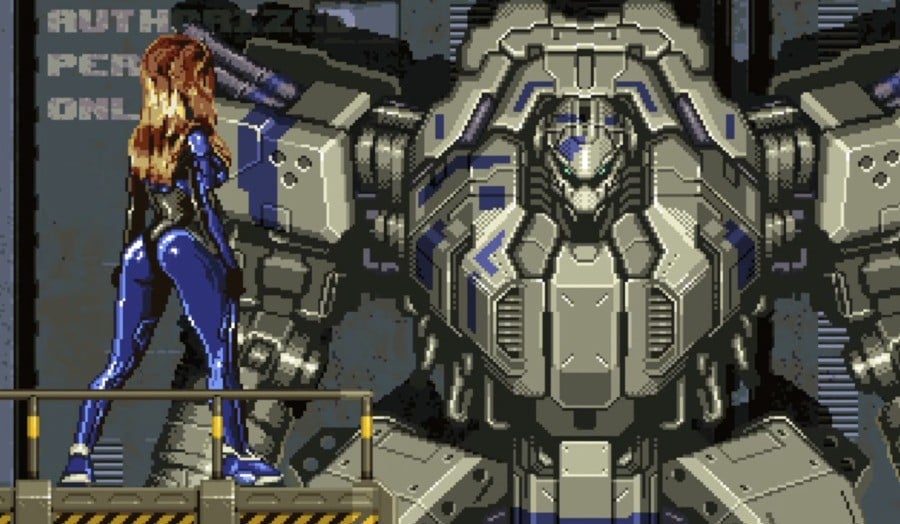
The developer, 2Bit Combo, has been transparent about the current state of "Impact Armor Alpha," clearly stating that the released demo "does not reflect, by any means, the final product." This upfront communication is crucial in the independent and retro development communities, where early access and work-in-progress builds are often shared to gather feedback and build anticipation. The demo’s purpose is explicitly "to show off how the gameplay will be," focusing on core mechanics and the overall feel rather than polished content or complete levels. Acknowledging that it is "buggy sometimes" and lacks "a complete level" further manages expectations, inviting players to experience the foundational vision rather than a finished product. This transparency builds trust within the community, setting realistic expectations for an ongoing development process.
This approach is characteristic of many independent developers who rely on community engagement throughout the development cycle. By releasing an early demo, 2Bit Combo can solicit valuable feedback on controls, combat feel, visual clarity, enemy balancing, and other critical aspects from their target audience. This iterative development process, fueled by direct player input, can significantly refine the game and ensure it meets the high standards of retro enthusiasts, who often have very specific expectations regarding fidelity to classic design principles. It also serves as a proof-of-concept, demonstrating the viability of their vision and the capabilities of the Scorpion Engine to potential supporters and publishers. The commitment to such a specific niche and the transparency in development speak volumes about 2Bit Combo’s dedication to quality and their respect for the retro gaming community. It positions "Impact Armor Alpha" not just as a game, but as a passion project developed with the input of its future players, fostering a sense of co-creation.
Expanding Horizons: Potential Ports to Mega Drive and Neo Geo
The mention of potential future ports to the Sega Mega Drive/Genesis and SNK Neo Geo is a significant highlight for "Impact Armor Alpha." These platforms carry immense weight in retro gaming culture, each with its own unique history and fan base, and the prospect of new releases on them generates considerable excitement.
The Sega Mega Drive (known as Genesis in North America) was Sega’s most commercially successful console, selling over 30 million units worldwide. It was famous for its "blast processing," arcade-quality ports, and a library rich in action games, sports titles, and, notably, a strong presence of mecha-themed experiences, including the aforementioned "Ranger-X." A port of "Impact Armor Alpha" to the Mega Drive would open it up to a massive audience of retro console owners and emulator users, many of whom grew up with titles like "Ranger-X" and would be eager for a new experience in that vein. The technical capabilities of the Mega Drive, while different from the Amiga AGA, are well-suited for fast-paced 2D action, and the Scorpion Engine’s design explicitly supports it, making such a port technically feasible and highly desirable. The console’s large install base and ongoing aftermarket support make it an attractive target for independent developers.
The SNK Neo Geo, often dubbed the "Rolls-Royce of gaming" due to its exorbitant price point and unparalleled graphical fidelity for its time, was a system primarily known for its arcade-perfect conversions of SNK’s fighting games and action titles. While its install base was significantly smaller than the Mega Drive’s (estimated at around 1 million units for the AES home console), its community is fiercely loyal and appreciative of high-quality 2D pixel art and intense action. Developing for the Neo Geo presents a unique challenge and prestige, as its hardware was designed for powerful 2D sprites and animation, often featuring much larger sprites and more animation frames than its 16-bit contemporaries. A successful Neo Geo port of "Impact Armor Alpha" would not only be a technical marvel but would also position the game as a premium retro title, attracting a dedicated segment of hardcore collectors and enthusiasts willing to invest in new software for their treasured hardware. The potential for the game to appear on both the widely accessible Mega Drive and the elite Neo Geo speaks to the versatility of the Scorpion Engine and 2Bit Combo’s ambition to reach a broad spectrum of retro hardware aficionados, demonstrating a significant commitment to multiple vintage platforms.

The Gameplay Glimpse: What the Demo Reveals
While the current demo is explicitly stated as incomplete and not representative of the final product, its existence provides a crucial initial look into the core gameplay loop and aesthetic vision of "Impact Armor Alpha." The description "old school mecha platform game" immediately suggests a blend of precise platforming mechanics with engaging combat. Players can expect to control a bipedal combat machine, navigating environmental hazards, leaping across gaps, and engaging various enemy types. The "mecha" aspect implies a certain weight and power to the player’s movements and attacks, distinguishing it from traditional character-based platformers. This often translates to deliberate movement, powerful but potentially slow attacks, and a sense of being a formidable, armored machine.
Visuals, even in an early demo, would likely showcase the distinct pixel art style aiming for the 16-bit era. This means detailed sprites for the mech and enemies, potentially multi-layered parallax scrolling for backgrounds to create a convincing sense of depth, and vibrant color palettes consistent with Amiga AGA and 16-bit console aesthetics. The inspiration from "Assault Suits Valken" and "Ranger-X" suggests a focus on impactful weaponry, potentially with different weapon types (e.g., projectile, melee, beam), power-ups