Retno Hari Mulyono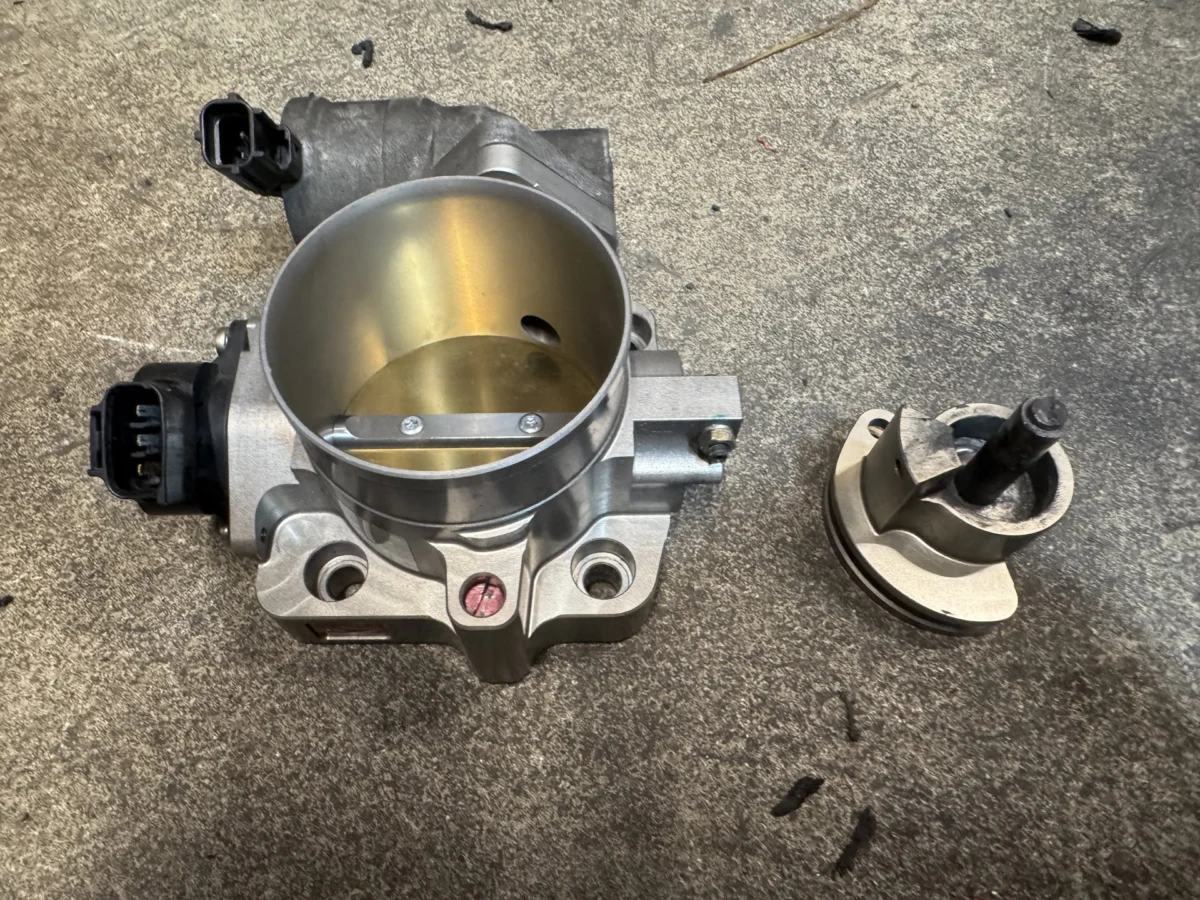
The transition from mechanical, cable-driven throttle systems to modern electronic "drive-by-wire" (DBW) technology represents a significant evolution in automotive performance tuning, particularly for legacy platforms like the Mazda MX-5 Miata. While the second-generation (NB) Miata, produced between 1998 and 2005, was engineered with a traditional throttle cable, contemporary performance demands and reliability concerns are driving enthusiasts toward sophisticated electronic upgrades. This shift is prompted by a combination of mechanical failures in aftermarket components, the inherent risks of aging OEM hardware, and the desire for more granular engine management control.
The Case for Modernization: Reliability and Safety in High-Performance Environments
For decades, the Mazda Miata has served as a cornerstone of grassroots motorsports, but as these vehicles age and power outputs increase, the limitations of the original mechanical throttle system have become apparent. The primary catalyst for moving toward drive-by-wire is the documented failure rate of both stock and aftermarket cable-driven throttle bodies.
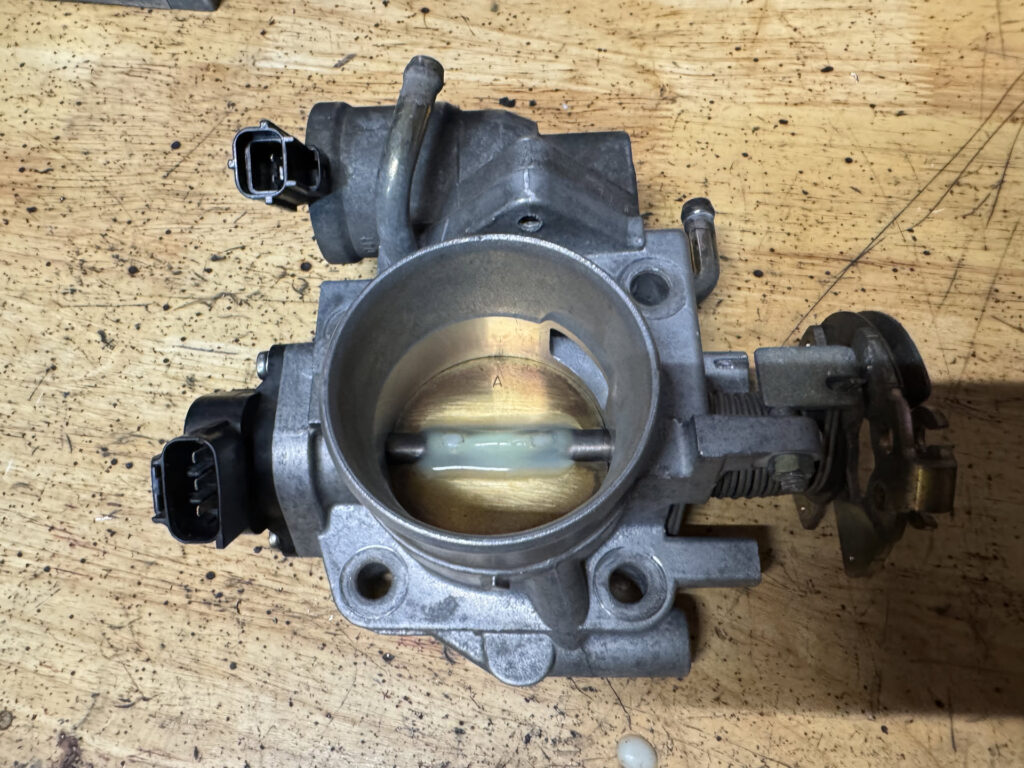
In track-oriented applications, the Skunk2 aftermarket throttle body has faced significant criticism from the tuning community, often colloquially referred to as "Junk2" due to recurring reliability issues. Users have reported multiple failure modes during high-stress circuit driving, including internal spring failures and throttle blades that stick partially open. A sticking throttle not only results in an inconsistent high idle but poses a substantial safety risk during high-speed maneuvers.

Furthermore, the original equipment manufacturer (OEM) throttle bodies are not immune to catastrophic failure. At power levels exceeding the factory specification—frequently around the 140-wheel horsepower mark in naturally aspirated builds—the mechanical stresses on the throttle shaft and screws increase. There are numerous documented instances where throttle blade screws have backed out or the shaft itself has snapped. If these metal components are ingested into the intake manifold, the result is typically immediate and terminal engine damage. While some tuners attempt to mitigate this by using high-strength epoxies like 3M DP420 to secure the hardware, this remains a reactive measure rather than a systemic solution.
Technical Barriers: Integrating Drive-By-Wire with Megasquirt Architecture
The implementation of drive-by-wire on an NB Miata is technically complex due to the limitations of common standalone Engine Control Units (ECUs). The Megasquirt MS3Pro Evo, a popular choice for Miata enthusiasts, does not feature native, high-current H-bridge drivers required to power an electronic throttle motor directly. While more modern alternatives like the MaxxECU or Haltech systems offer integrated DBW support, many owners are hesitant to abandon existing MS3-based setups due to the significant cost of hardware replacement and the labor involved in re-wiring and re-tuning.
To bridge this gap, tuners are increasingly turning to external controllers that communicate with the ECU via a Controller Area Network (CAN bus). Recent firmware updates for the Megasquirt MS3 platform have enabled the processing of DBW messages over CAN, allowing for a hybrid system where the ECU handles the logic while an external module handles the physical actuation of the throttle motor.
Comparative Analysis of CAN-Enabled Drive-By-Wire Controllers
As of late 2025, the market for CAN-compatible DBW controllers has expanded, offering varying levels of sophistication, price points, and environmental protections.

The DBWX2 Controller
Introduced around 2019, the DBWX2 is one of the most established options on the market. Retailing at approximately $500, it is positioned as a premium solution. Its primary advantage is its ability to control two independent throttle bodies simultaneously. This is particularly relevant for complex forced induction setups, such as "hot side" supercharger configurations or vehicles utilizing a boost actuator alongside a primary throttle. It is fully configurable via TunerStudio, the standard interface for Megasquirt users.
The SPTronics Controller
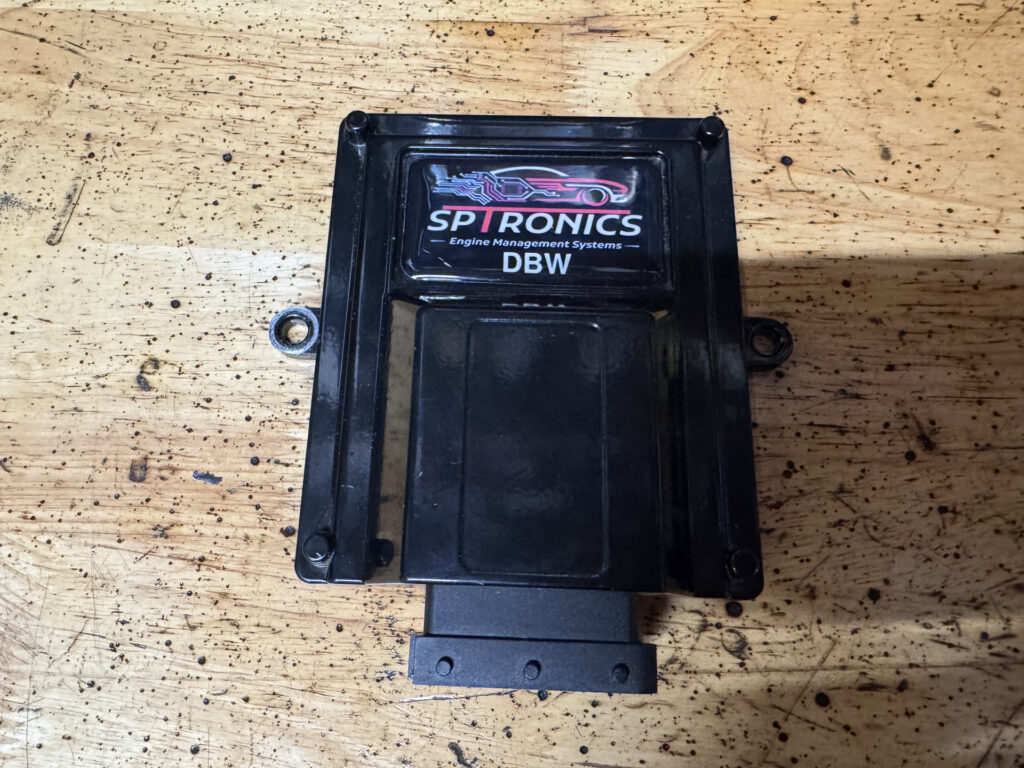
Representing the budget-conscious end of the spectrum, the SPTronics unit is priced at roughly $150. While it offers dual-channel support (allowing for two throttle bodies to follow the same mapping), it lacks some of the advanced configurability found in higher-end units. Limitations include a non-updateable firmware and a fixed CAN bus termination resistor. However, for standard single-throttle applications, it provides a functional and cost-effective entry point.

The AMP EFI Controller
Released in October 2025, the AMP EFI controller is the newest entry into the market. Priced at $300, it aims to provide a middle ground between the SPTronics and the DBWX2. It features a waterproof enclosure and automotive-grade connectors, making it suitable for engine bay mounting. Notably, it includes dedicated inputs for brake and clutch sensors, enabling advanced features such as "auto-blip" downshifts, which automate throttle blips during gear changes to synchronize engine speed with the drivetrain.
The MS Labs and LD Performance Options
Other notable entries include the MS Labs controller, which is highly regarded for its advanced idle control and auto-blip capabilities but currently faces limited availability in the North American market. Conversely, the LD Performance controller offers a mid-range price of $200 but lacks the integrated TunerStudio support and waterproof housing found in its competitors, necessitating an interior installation.

Hardware Selection and Implementation Strategy
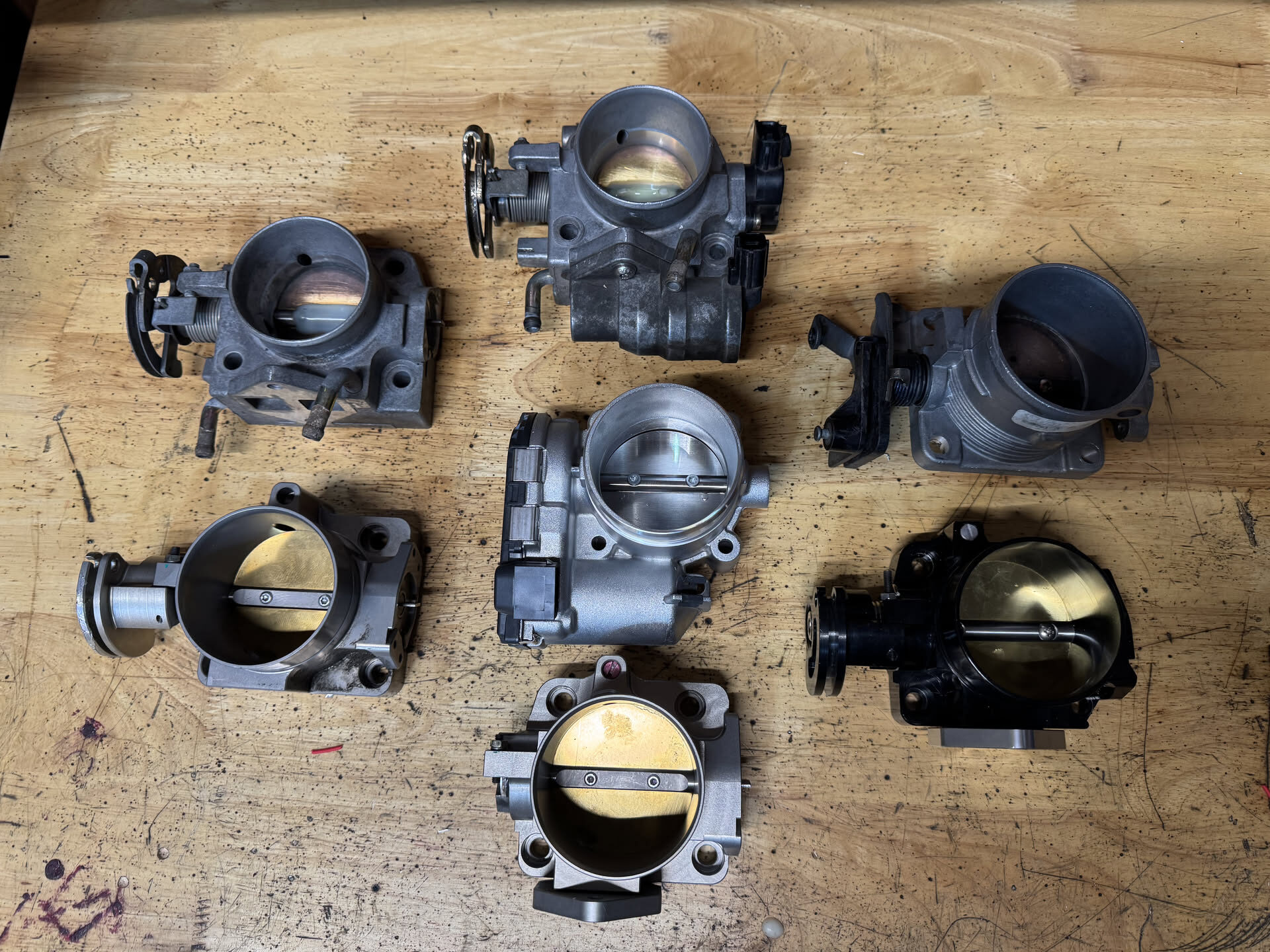
A successful drive-by-wire conversion requires a synergy of mechanical adapters and electronic sensors. For the NB Miata, the Bosch Motorsports 60mm electronic throttle body has emerged as the industry standard. These units are OEM-grade, widely available, and cost-effective (averaging $150). They are manufactured in various diameters, but the 60mm version provides an optimal balance of airflow and throttle resolution for the Miata’s 1.8L BP-series engine.
Because the Bosch bolt pattern differs from the Mazda intake manifold, a specialized adapter is required. Companies such as Outsider Garage and ChathamCNC have developed CNC-machined aluminum adapters, priced between $95 and $150, to facilitate a bolt-on installation.

The final critical component is the Accelerator Pedal Position (APP) sensor. While some tuners opt to swap the entire pedal assembly for a unit from a modern vehicle (such as the Mazda RX-8 or C6 Corvette), a more efficient approach involves using a cable-driven sensor, such as those found in 2003–2007 Honda Accord V6 models. This sensor allows the user to retain the factory Miata pedal and throttle cable. The cable attaches to the Honda sensor mounted in the engine bay or under the dash, converting the mechanical pull into an electrical signal. This method preserves the original mechanical "feel" of the pedal while eliminating the reliability issues associated with a mechanical connection to the engine’s intake.
Project Chronology and Testing Phase
The conversion process is structured into several distinct phases to ensure system stability and safety:
- Component Sourcing: Acquisition of the Bosch 60mm throttle body, the Honda APP sensor, and the chosen CAN controller.
- Mechanical Installation: Mounting the throttle body via the adapter and securing the APP sensor.
- Wiring and Integration: Establishing the CAN bus connection between the MS3Pro Evo and the external controller, and wiring the throttle motor and dual TPS sensors.
- Comparative Benchmarking: A series of tests will be conducted to compare the SPTronics, DBWX2, and AMP EFI controllers. This phase focuses on response time (latency), PID loop stability (the ability of the throttle to reach a target position without oscillating), and ease of calibration.
- Field Testing: Long-term evaluation under track conditions to monitor for thermal drift and vibration resistance.
Broader Impact and Implications for the Aftermarket
The shift toward drive-by-wire in the Miata community reflects a broader trend in the automotive aftermarket: the "electrification" of mechanical systems for the sake of precision. Beyond simple reliability, DBW opens the door to sophisticated software-defined features. These include adjustable throttle maps (allowing for a "linear" feel or a more aggressive "sport" mode), integrated traction control where the ECU can pull back the throttle to stop wheelspin, and significantly improved idle stability through electronic control rather than a separate idle air control (IAC) valve.
As mechanical parts for 25-year-old vehicles become harder to source in high-quality forms, the ability to adapt modern, mass-produced Bosch components ensures the longevity of the platform. The ongoing development of CAN-based controllers by companies like AMP EFI and SPTronics suggests a healthy ecosystem where legacy hardware can be augmented with 21st-century technology without requiring a total overhaul of the vehicle’s electrical architecture. This project serves as a blueprint for other enthusiasts looking to enhance the safety and performance of their vintage sports cars through modern electronic integration.