
 Farhan hamdan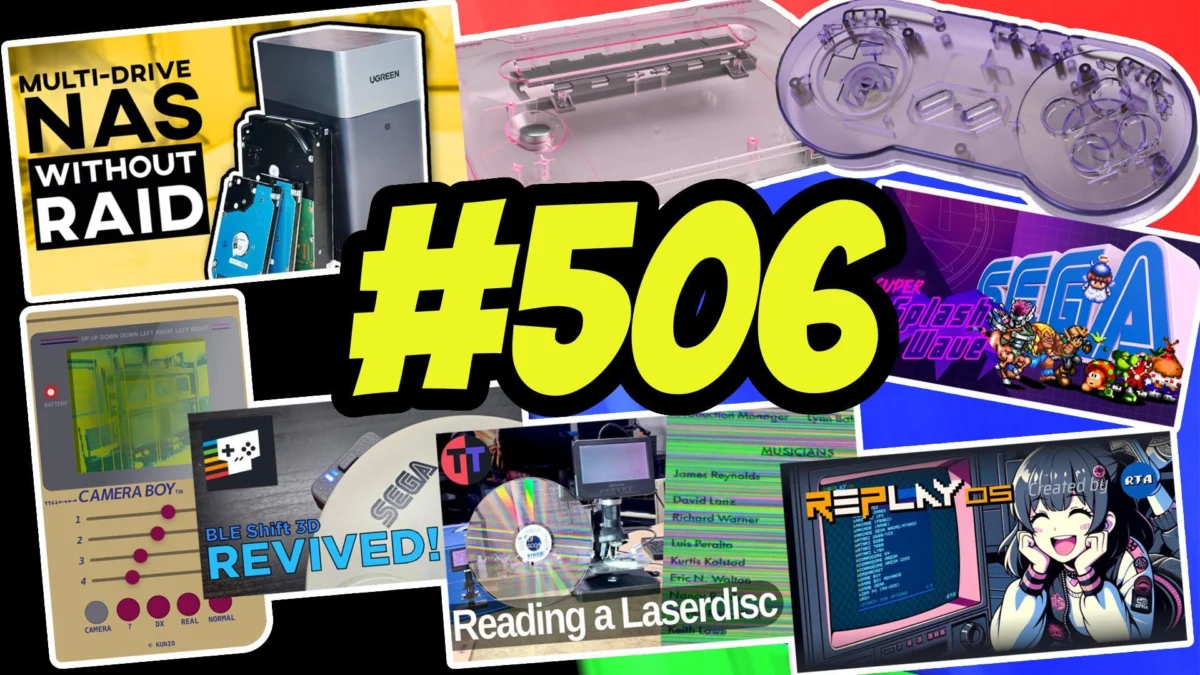
The latest installment of the RetroRGB Weekly Roundup, released on March 25th, 2026, provided an extensive overview of significant developments and ongoing projects within the retro gaming and hardware enthusiast community. This edition, number 506, highlighted advancements ranging from data storage solutions and classic console controller modernizations to open-source software updates and deep dives into vintage media technology. The roundup, available across various platforms including YouTube, iTunes, Google Podcasts, Stitcher, Spotify, and Amazon Music, serves as a crucial informational hub, reflecting the vibrant and continuously evolving landscape of retro technology preservation and innovation.
Hardware Innovations and Preservation Efforts
The retro gaming community consistently demonstrates a commitment to not only preserving historical hardware but also enhancing its functionality and longevity through modern engineering. This week’s roundup featured several such initiatives, underscoring the ingenuity and dedication prevalent in the scene.
Advancements in Data Storage and Home Networking
A notable segment of the roundup focused on the practical application of modern storage solutions for retro enthusiasts: the deployment of random hard disk drives (HDDs) within a Network Attached Storage (NAS) system, specifically utilizing a Ugreen NAS in a basic JBOD (Just a Bunch Of Disks) setup. In an era where digital libraries of retro games, emulators, and historical documentation can accumulate rapidly, efficient and reliable storage is paramount. A NAS provides a centralized, accessible repository for such data, mitigating the risks associated with scattered external drives or limited local storage. The discussion highlighted the pragmatism of a JBOD configuration, which, unlike RAID (Redundant Array of Independent Disks), aggregates multiple drives into a single logical volume without parity or striping, making it a cost-effective solution for users looking to maximize storage capacity from a collection of disparate drives. While JBOD lacks the data redundancy of RAID, its simplicity and ability to utilize drives of varying sizes make it an attractive option for enthusiasts primarily concerned with sheer volume for non-critical, easily replaceable data such as extensive ROM sets or media archives. Ugreen, a prominent manufacturer in consumer electronics and accessories, offers accessible NAS solutions that cater to both entry-level and intermediate users, making such setups increasingly viable for the average hobbyist. This practical guide likely resonated with many in the community grappling with expanding digital collections.
Modernizing Classic Controllers: Dreamcast and Saturn Reimagined
The enduring appeal of classic consoles often comes with the challenge of aging peripherals. The roundup featured two significant projects aimed at revitalizing iconic controllers:
Updates to the Sega Dreamcast controller, specifically regarding "Dream Color," signify a broader trend of aesthetic and functional customization within the retro hardware scene. The original Dreamcast controller, while innovative for its time with its Visual Memory Unit (VMU) integration, often receives mixed reviews for its ergonomics and lack of a second analog stick. "Dream Color" likely refers to community-driven modifications that allow for personalized LED lighting or other visual enhancements, breathing new life into the controller’s appearance. Such modifications not only cater to individual tastes but also represent a way to celebrate the console’s legacy through contemporary design elements. The retro community frequently engages in these types of projects, from custom paint jobs to full-scale internal modifications, demonstrating a deep connection to the hardware beyond mere gameplay. This ongoing development underscores the community’s desire to both preserve and personalize their beloved gaming artifacts.
Concurrently, the revival of the Sega Saturn 3D Controller Bluetooth adapter project by Humble Bazooka was a key highlight. The Sega Saturn 3D Controller is a revered piece of hardware, specifically designed to enhance experiences in games like NiGHTS into Dreams with its superior analog stick and comfortable grip. Its wired connection, however, can be a limitation in modern gaming setups. Humble Bazooka’s initiative to develop or revive a Bluetooth adapter addresses this directly, offering wireless freedom while retaining the authentic feel of the original controller. This project exemplifies the technical challenges and rewards of retrofitting modern wireless technology into vintage hardware. Developers must navigate power consumption, latency, and compatibility issues to deliver a seamless experience. The successful revival of such a project signals a strong demand for high-quality, wireless solutions for classic controllers, allowing enthusiasts to enjoy their Saturn games with enhanced convenience without compromising on the original tactile experience. The implications extend to better cable management, reduced wear and tear on original ports, and increased flexibility in gaming setups, making it a highly anticipated development for Saturn aficionados.
Aesthetic and Functional Rebirth: Neo Geo AES and SNES Shells
The physical presentation and repairability of retro consoles and accessories also received attention:
The unveiling of a 3D-printed replacement shell for the Neo Geo AES underscores the premium status of this legendary console. Known for its exorbitant price point and arcade-perfect ports, the Neo Geo AES remains a coveted item among collectors. Original shells can suffer from wear, cracks, or discoloration over decades. The advent of high-quality 3D printing offers a viable solution for restoration and customization. A 3D-printed shell allows owners to replace damaged casings, or even to create unique, custom-colored versions, enhancing the console’s aesthetic appeal and extending its functional life. This development is particularly significant for high-value collectibles like the AES, where maintaining physical integrity is paramount. It also highlights the increasing sophistication and accessibility of 3D printing technology, empowering enthusiasts to fabricate complex parts that were once unobtainable.
Similarly, the return to stock of transparent SNES/SFC controller shells taps into a deep vein of nostalgia and customization. Transparent electronics, popularized in the late 1980s and 1990s, offered a captivating glimpse into the inner workings of devices. For SNES and Super Famicom controllers, these aftermarket shells allow users to replace damaged or yellowed original casings with vibrant, see-through alternatives. This not only revitalizes the controller’s appearance but also serves as a popular modding base for internal component upgrades or LED lighting. The consistent demand for such items reflects a desire among retro gamers to personalize their hardware and recapture the unique aesthetic of a bygone era, while also offering a practical solution for controller repair and refurbishment.
Software, Media, and Community Engagement
Beyond physical hardware, the retro community thrives on software development, media analysis, and collaborative projects that enhance accessibility and understanding of classic technologies.

Empowering Raspberry Pi with RePlayOS
The release of RePlayOS v1.5.0 for Raspberry Pis marks a significant update for one of the most popular platforms for retro emulation. Raspberry Pi boards have become a cornerstone of the modern retro gaming scene, offering compact, affordable, and versatile hardware for running emulators and frontends. RePlayOS is a dedicated operating system optimized for retro gaming, aiming to provide a streamlined, high-performance experience. Version 1.5.0 likely brings with it a suite of improvements, including enhanced compatibility with a wider range of emulators and ROMs, performance optimizations for specific Raspberry Pi models (e.g., Raspberry Pi 5), user interface refinements, and potentially new features like improved network capabilities or controller support. Such updates are critical for maintaining the relevance and usability of emulation platforms, ensuring that both novice and experienced users can easily set up and enjoy a vast library of classic games. The open-source nature of projects like RePlayOS relies heavily on community contributions and feedback, fostering an ecosystem of continuous improvement that directly benefits retro enthusiasts globally. This iterative development ensures that the Raspberry Pi remains at the forefront of accessible retro gaming.
Unveiling the Secrets of Analog Media: Laserdisc Data Storage
A fascinating dive into media archaeology was presented with a segment titled "Laserdisc in a microscope: How data is stored on a laserdisc." Laserdisc technology, a pioneering optical video storage format introduced in the late 1970s, predates CDs and DVDs and played a crucial role in home entertainment and arcade gaming (e.g., Dragon’s Lair). Unlike digital optical media, Laserdiscs store video and audio in an analog format, encoded as microscopic pits and lands on the disc’s surface that modulate a reflected laser beam. Examining this structure under a microscope offers a unique educational opportunity to visualize how analog data was physically represented and read. This segment likely explored the intricate physical patterns that constitute video frames and audio tracks, demonstrating the engineering marvel behind this now-obsolete technology. For media preservationists and technology historians, understanding the physical encoding methods of vintage media is vital for accurate digital archiving and emulation. It provides invaluable insight into the evolution of data storage and the challenges involved in preserving formats that rely on specific physical properties and playback mechanisms.
Celebrating Indie Innovation and Digital Archiving
The roundup also cast a spotlight on the historical and contemporary aspects of game development:
The discussion on the "big impact of smaller 90s Genesis devs" serves as an important reminder that the gaming industry has always been fueled by independent creativity, even during the console wars of the 16-bit era. While major studios and publishers dominated the headlines, numerous smaller development teams contributed significantly to the Sega Genesis/Mega Drive’s diverse library. These indie developers often pushed creative boundaries, experimented with genres, and sometimes delivered cult classics that are fondly remembered today. This segment likely aimed to highlight their often-overlooked contributions, fostering a greater appreciation for the full breadth of the Genesis’s catalog. It also draws parallels to the modern indie gaming boom, emphasizing that innovation and passion are not exclusive to large corporations. Documenting and celebrating these smaller studios is crucial for a complete understanding of gaming history, ensuring that their impact is not lost to time.
Bridging classic hardware with modern digital convenience, the Game Boy Camera Web App offers a practical solution for a beloved niche peripheral. Released in 1998, the Game Boy Camera was one of the first consumer digital cameras, allowing users to capture low-resolution, monochrome photos and print them via the Game Boy Printer. Its distinctive pixelated aesthetic holds significant nostalgic value. A web application designed to interface with the Game Boy Camera (presumably via an intermediary device that reads the camera’s memory card or live feed) streamlines the process of extracting, viewing, and sharing these unique images. This eliminates the need for original hardware setups or complex transfers, making it easier for enthusiasts to archive their old Game Boy Camera photos or even use the camera for new creative projects and share them on modern social platforms. This project perfectly encapsulates the community’s drive to make vintage technology more accessible and integrated into contemporary digital workflows.
Broader Implications and Community Support
The diverse range of topics covered in Weekly Roundup #506 underscores several key trends and implications within the retro technology community.
The Enduring Appeal of Retro Tech
Collectively, these projects – from enhancing storage and modernizing controllers to preserving media and empowering development platforms – illustrate the multifaceted passion driving the retro tech scene. It’s not merely about playing old games; it’s about historical preservation, technological innovation, customization, and fostering a collaborative community. The drive to extend the life of classic hardware, improve user experience, and uncover the historical nuances of technology speaks to a deeper appreciation for the foundational elements of modern computing and entertainment. These efforts ensure that future generations can interact with and understand the technological heritage that shaped today’s digital world.
Supporting the Ecosystem
Crucially, the roundup also included a segment encouraging viewers to support the channel via monthly services, tips, or affiliate links. This financial appeal highlights the economic realities of maintaining such a comprehensive and informative platform. Content creation, particularly in niche technical fields, requires significant time, research, and often expensive equipment. Community support, whether through direct donations via Patreon or by using affiliate links for everyday purchases, directly contributes to the sustainability of these initiatives. It enables creators like RetroRGB to continue investing in new projects, producing high-quality content, and fostering the development of vital tools and information for the retro community. This symbiotic relationship between content creators and their audience is fundamental to the continued vitality and growth of the retro gaming and tech ecosystem.
Finally, the inclusion of a lighthearted segment, *"Another f%&@ing shoe storage!?!?"**, likely serves as a moment of levity, a common practice in video roundups to add personality and connect with the audience on a more personal level. These occasional breaks from technical discussions help to humanize the content and build a stronger community bond, demonstrating that even serious tech enthusiasts appreciate a touch of humor and relatable, everyday experiences.
In conclusion, Weekly Roundup #506 provided a comprehensive and insightful look into the dynamic world of retro technology. It showcased the ongoing dedication to hardware preservation, the ingenious application of modern technology to classic systems, and the collaborative spirit of a community committed to keeping the legacy of retro gaming and computing alive and thriving for years to come.








