Cecilia Chamidah Nur
Philippe Nguyen, a prominent producer behind PixelHeart and JoshProd, has officially teased the nascent development of a new 3D survival horror game specifically designed for the Sega Dreamcast console. The announcement, made via a cryptic social media post, immediately ignited discussions within the dedicated retro gaming community, hinting at a revival of the genre’s foundational tenets on a beloved, albeit discontinued, platform. While details remain scarce due to the project being in its earliest stages, Nguyen’s preliminary statements have set a clear tone, promising "fixed cameras," a "dark atmosphere," and positioning the game as "a love letter to the classics" of the survival horror genre. This declaration suggests a deliberate return to the design principles that defined horror gaming in the late 1990s and early 2000s, an era when the Dreamcast itself played a pivotal role in the industry.
The prospect of a brand-new 3D survival horror title for the Sega Dreamcast in an era dominated by modern consoles and digital distribution platforms is a remarkable development. Nguyen’s brief but evocative description — "fixed cameras. dark atmosphere. a love letter to the classics" — points to a conscious design philosophy. Fixed camera angles, a hallmark of early survival horror titles such as Resident Evil and Silent Hill, were instrumental in building tension and controlling player perspective, often obscuring threats and fostering a sense of claustrophobia. This design choice stands in stark contrast to the free-roaming, over-the-shoulder perspectives prevalent in most contemporary horror games. The emphasis on a "dark atmosphere" further reinforces the commitment to psychological dread over jump scares, a characteristic feature of the genre’s golden age. By invoking "the classics," Nguyen is not only appealing to nostalgia but also signaling an intent to capture the essence of what made these early titles terrifying and memorable: resource management, intricate puzzle-solving, oppressive environments, and a focus on narrative depth.
The Vision Behind the Revival: Philippe Nguyen and His Creative Philosophy
Philippe Nguyen is a recognized figure in the retro gaming ecosystem, primarily through his roles as a co-founder of PixelHeart and the founder of JoshProd. His leadership in these companies has been instrumental in the continued production and distribution of physical games for various legacy consoles, including the Dreamcast, Neo Geo, and Game Boy, alongside publishing titles for modern platforms like the Nintendo Switch. Nguyen’s decision to embark on a new survival horror project for the Dreamcast is not merely an act of fan service but a testament to a deep-seated appreciation for gaming history and a belief in the enduring appeal of classic gameplay mechanics.
Industry observers suggest that Nguyen’s creative philosophy is rooted in a desire to both preserve and innovate within established genres. His previous endeavors with JoshProd, which primarily focuses on creating new titles for retro systems, demonstrate a keen understanding of what makes these older platforms special and how to leverage their unique characteristics. Developing a 3D survival horror game on the Dreamcast presents distinct technical challenges, given the console’s hardware limitations compared to modern machines. However, these very limitations can often foster creative solutions and lead to a distinctive aesthetic that modern games struggle to replicate. The "dark atmosphere" promised could be enhanced by the Dreamcast’s graphical capabilities, which, while dated by today’s standards, were cutting-edge in their time and capable of producing truly unsettling environments with the right artistic direction. Nguyen’s vision appears to be about harnessing these specific strengths to deliver an authentic retro horror experience that feels both familiar and fresh.
PixelHeart and JoshProd: Pillars of the Retro Gaming Renaissance
The announcement of this new Dreamcast title is intrinsically linked to the operational models and philosophies of PixelHeart and JoshProd, two entities that have carved out significant niches in the burgeoning retro gaming market. PixelHeart, established in 2018 by Philippe Nguyen, Sami Chlagou, and Michaël Rabaioli, has rapidly become a key player in the publishing of physical games for a wide array of retro systems. Their mission extends beyond mere re-releases; they actively facilitate the development and distribution of new titles for consoles long considered obsolete by mainstream industry standards. This dedication addresses a growing demand from collectors, enthusiasts, and even new generations of gamers eager to experience the unique charm and challenge of older hardware.
JoshProd, founded solely by Nguyen, serves as a crucial development arm, focusing specifically on creating content for the Dreamcast, Mega Drive, and Neo Geo. The symbiotic relationship between PixelHeart and JoshProd is a testament to an effective vertical integration strategy within the retro gaming sphere: JoshProd develops the games, and PixelHeart handles the intricate process of manufacturing physical cartridges, discs, and packaging, as well as global distribution. This model allows for greater control over the creative process and the final product, ensuring that releases meet the high standards expected by the discerning retro gaming community. Their existing portfolio includes a diverse range of genres, from arcade-style shooters to platformers, demonstrating their versatility and technical prowess in developing for various retro architectures. The success of these previous projects provides a solid foundation of credibility and expertise for tackling a more ambitious 3D survival horror title.
The Enduring Allure of the Sega Dreamcast
The choice of the Sega Dreamcast as the target platform for this ambitious new survival horror game is particularly noteworthy, given the console’s storied history and its enduring cult status. Launched in 1998 in Japan and 1999 globally, the Dreamcast was Sega’s final foray into the console hardware market. Despite its groundbreaking innovations, including built-in internet connectivity for online multiplayer and the unique Visual Memory Unit (VMU) memory card that doubled as a secondary screen, the Dreamcast’s commercial lifespan was cut short in 2001. However, its brief existence was marked by a library of critically acclaimed and influential titles, many of which pushed graphical and gameplay boundaries for their time.
The Dreamcast hosted several notable survival horror titles during its prime, including the groundbreaking Resident Evil CODE: Veronica, which was initially a Dreamcast exclusive, and Blue Stinger, an early 3D horror adventure. These games established a precedent for the genre on the console, demonstrating its capability to deliver intense, atmospheric experiences. The console’s distinct hardware, featuring a Hitachi SH-4 CPU and a NEC PowerVR2 GPU, offered a unique development environment. While not as powerful as its successor, the PlayStation 2, the Dreamcast’s architecture was often praised for its ease of development and its ability to render impressive visuals, particularly for its era.
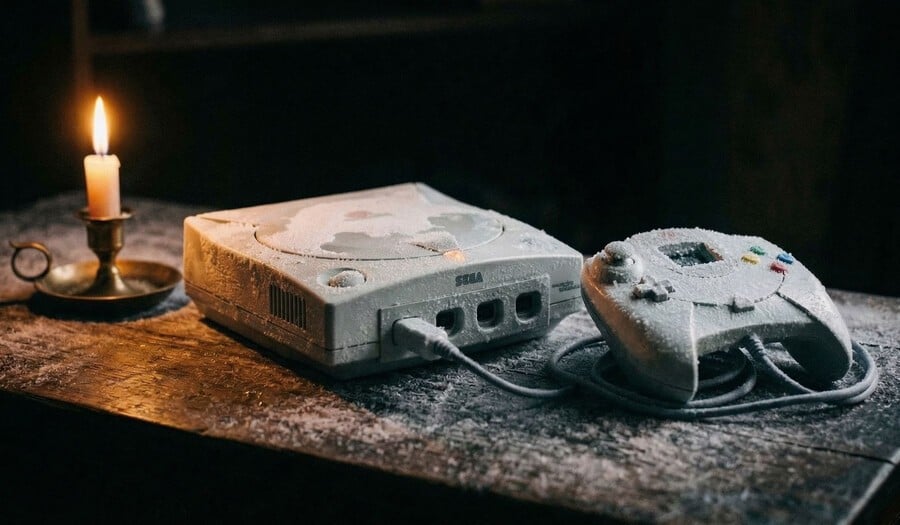
In the years since its discontinuation, the Dreamcast has maintained a vibrant community of fans, modders, and independent developers. This continued interest is fueled by nostalgia, a desire to experience classic gaming, and the inherent collectibility of its physical media. The console’s open-ended nature, relative ease of homebrew development, and the dedication of its fanbase have fostered a unique ecosystem where new games continue to be created and released, often in limited physical editions that quickly become collector’s items. This sustained activity underscores the viability of developing new content for the Dreamcast, transforming it from a relic of the past into a living, evolving platform within a niche but passionate market.
The Broader Context of the Retro Gaming Market
The announcement from PixelHeart and JoshProd is not an isolated incident but rather a symptom of a much larger trend within the global gaming industry: the booming retro gaming market. This segment, once relegated to niche communities and online forums, has grown into a significant economic force. Driven by nostalgia, the desire for physical media in an increasingly digital world, and a growing appreciation for game history, players and collectors are actively seeking out classic consoles, games, and, crucially, new experiences for old hardware.
Market analytics firms and industry reports have consistently highlighted the expansion of the retro gaming sector. While precise figures are challenging to ascertain due to its fragmented nature, estimates suggest a multi-billion dollar market encompassing everything from vintage hardware sales and game collecting to emulation software and the production of "new-old" games. Companies like Analogue and Evercade, specializing in high-quality retro-compatible hardware and curated game libraries, respectively, are thriving, indicating a robust demand for authentic retro experiences.
This trend is also fueled by a cultural shift where video games are increasingly recognized as an art form and a significant part of cultural heritage. Museums, academic institutions, and dedicated archives are working to preserve gaming history, further legitimizing the appeal of older titles and systems. For developers like Philippe Nguyen, this environment offers a unique opportunity: to create games that resonate with a dedicated audience, free from some of the pressures and commercial expectations of the mainstream AAA market. It allows for creative freedom and the ability to focus on specific gameplay mechanics and atmospheric elements that might be deemed too niche or old-fashioned for modern audiences. The "love letter to the classics" approach is a direct response to this market, catering to a demographic that values traditional game design and a particular aesthetic.
Implications and Future Outlook

The development of a new 3D survival horror game for the Sega Dreamcast by PixelHeart and JoshProd carries several significant implications. For the Dreamcast community, it represents a continued commitment to the console’s legacy and a fresh injection of content that will undoubtedly generate considerable excitement. New game releases, particularly those that tap into popular genres like survival horror, help keep the console relevant and foster community engagement. It signals that the Dreamcast is not just a console of the past but a platform capable of hosting new creative endeavors.
For PixelHeart and JoshProd, this project could further solidify their reputation as leaders in the retro gaming publishing space. A successful, well-received survival horror title could significantly boost their brand recognition and attract new customers to their extensive catalog of retro-focused releases. It also demonstrates their capacity for original game development, moving beyond ports or re-releases to create entirely new experiences for legacy hardware. The challenges, however, are substantial. Developing for older hardware requires specialized skills and an intimate understanding of its constraints. Marketing and distributing a game for a discontinued console also necessitate a targeted approach, primarily relying on online communities, social media, and specialized retro gaming outlets. Managing player expectations, particularly given the strong nostalgic attachment to classic survival horror, will also be crucial.
Looking ahead, this announcement could herald a continued trend of ambitious original game development for retro platforms. As modern gaming continues to push boundaries in terms of graphical fidelity and open-world scope, there remains a significant appetite for experiences that prioritize focused gameplay, atmospheric immersion, and narrative depth, often found in the classic titles of yesteryear. Philippe Nguyen’s "love letter to the classics" is more than just a marketing slogan; it is a philosophy that resonates deeply with a growing segment of the gaming population. If successful, this new Dreamcast survival horror title could serve as a blueprint for future retro game development, proving that innovation and new experiences can still flourish on the foundations of gaming’s glorious past. The anticipation for "The Darkness Is Coming," or whatever its final title may be, will undoubtedly build as PixelHeart and JoshProd prepare to unveil more details, promising a chilling return to the roots of fear on Sega’s iconic final console.