Cecilia Chamidah Nur
The persistent clamor from a dedicated global fanbase for a modern remake or remaster of the beloved 2003 video game, The Simpsons: Hit & Run, has received a significant, albeit cautious, boost from an unexpected quarter. Matt Selman, the executive producer and showrunner for The Simpsons television series and a former writer on the original game, recently offered a glimmer of hope to enthusiasts, stating his position on a potential revival is a definitive, "Never say never." This remark, made during an interview with People.com and subsequently highlighted by IGN, injects new energy into a long-standing fan campaign, despite the formidable corporate and logistical challenges that have historically plagued such a prospect.
For nearly two decades, The Simpsons: Hit & Run has maintained a unique status within the pantheon of licensed video games, evolving from a commercially successful title into a bona fide cult classic. Released in September 2003 across PlayStation 2, Xbox, Nintendo GameCube, and Windows PC, the game quickly distinguished itself with its innovative blend of open-world exploration, vehicular mayhem, and on-foot platforming, drawing frequent comparisons to Rockstar Games’ hugely influential Grand Theft Auto III. What set Hit & Run apart, however, was its meticulous adherence to the satirical humor and iconic aesthetic of The Simpsons universe, featuring an expansive Springfield populated by familiar characters, vehicles, and locations, all brought to life by the original voice cast. Players could control Homer, Marge, Bart, Lisa, and Apu, undertaking missions that often parodied real-world events or classic Simpsons episodes, while unraveling a conspiracy involving extraterrestrial visitors and mind-controlling "Buzz Cola." This potent combination of engaging gameplay, authentic Simpsons charm, and replayability cemented its place in the hearts of many gamers.
The Enduring Legacy and Unwavering Fan Demand
The game’s initial critical reception was largely positive, with reviewers praising its humor, faithfulness to the source material, and engaging mission design, even while some noted minor technical quirks typical of the era. Commercially, it performed strongly, selling millions of copies worldwide and becoming one of the best-selling Simpsons games of all time. However, its true legacy has blossomed in the years since its release. In an age dominated by digital content and nostalgic revivals, The Simpsons: Hit & Run has emerged as one of the most frequently requested titles for a modern update. Social media platforms, fan forums, and online petitions are replete with passionate pleas for a remake or remaster, underscoring a consistent, widespread desire that transcends fleeting trends.
This fervent demand is not isolated. Hit & Run stands alongside other cherished titles from the early to mid-2000s, such as EA’s SSX Tricky and NBA Street, and Rockstar’s Bully, as games that fans ardently wish to see resurrected with contemporary graphics and gameplay enhancements. The reasons for this enduring appeal are manifold: the game’s unique charm, the depth of its open world, the memorable missions, and the sheer joy of experiencing Springfield in a dynamic, interactive environment. For many, it represents a golden era of licensed games that successfully captured the essence of its source material while delivering a genuinely fun and engaging experience. The nostalgia factor is undoubtedly significant, but the underlying quality and enduring replayability of Hit & Run are equally crucial to its continued relevance.
A Chronology of Hope, Rumors, and Corporate Entanglements
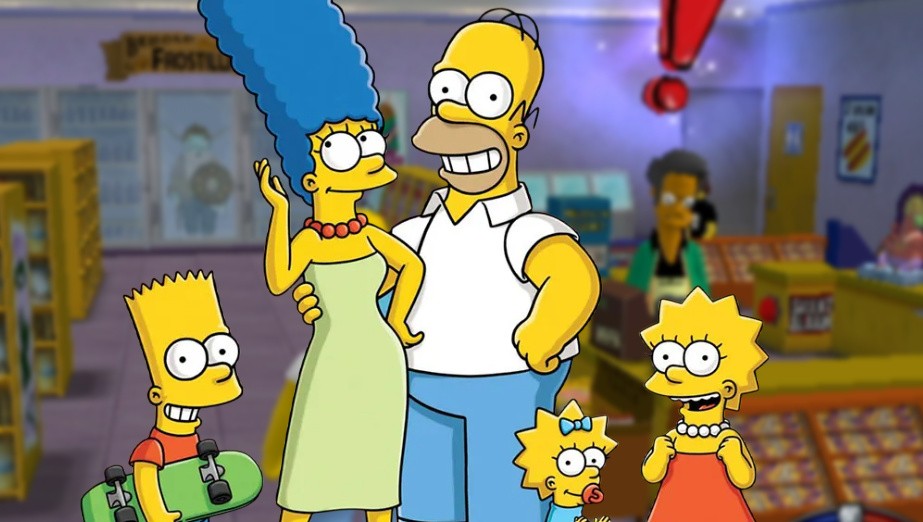
The journey towards a potential Hit & Run revival has been fraught with challenges, largely rooted in the complex web of intellectual property rights and corporate mergers that have transpired since the game’s original release.
- September 2003: The Simpsons: Hit & Run is released by Vivendi Universal Games (under its Sierra Entertainment label) and developed by Radical Entertainment. The Simpsons intellectual property is owned by 20th Century Fox.
- 2008: Vivendi Games merges with Activision to form Activision Blizzard. This consolidation meant that the publishing rights and any associated game assets for Hit & Run became part of the newly formed entity.
- 2012: Radical Entertainment, the talented developer behind Hit & Run and other popular titles like Prototype, undergoes significant layoffs and is effectively shut down, with its remaining staff reassigned to support other Activision projects. This raises questions about the accessibility of original source code and development assets.
- 2019: The Walt Disney Company completes its acquisition of 21st Century Fox assets, including 20th Century Fox, thus becoming the primary holder of The Simpsons intellectual property rights. This adds another major corporate player to the equation.
- Post-2012 to Present: Despite the corporate complexities, fan demand for a remake intensifies. Online petitions garner hundreds of thousands of signatures, and social media campaigns frequently trend, illustrating the game’s persistent cultural footprint.
- 2021: In an interview with IGN, Matt Selman himself acknowledges the desire for a remake but candidly describes the situation as a "complicated corporate octopus." He cites the various entities involved – 20th Century Fox, Vivendi Universal Games, and Radical Entertainment – as significant hurdles.
- Early 2023: Rumors briefly resurface, fueled by comments from the game’s composers, who admitted they were "in the dark" about any official projects, inadvertently highlighting the ongoing public interest.
- Last Week (of original article’s publication): Matt Selman’s latest statement to People.com, "Never say never," provides the most direct and optimistic official comment on a revival in years, signaling that the idea is at least on the radar of key Simpsons stakeholders.
Matt Selman’s Perspective and the Weight of His Words
Matt Selman’s recent remarks carry particular weight due to his intimate connection with both The Simpsons franchise and the game itself. As a writer for The Simpsons: Hit & Run, he was directly involved in crafting its narrative and humor. More significantly, as the current showrunner for the long-running television series, he is a pivotal figure in shaping the future direction of the entire Simpsons brand. His acknowledgment of the game’s popularity – "We know people love it. We know they want it, so that’s good. If we know people want it, never say never" – suggests an awareness within the Simpsons creative team of the game’s enduring appeal and potential value.
Interestingly, Selman also expressed a degree of surprise at Hit & Run‘s cult status, revealing a personal preference for another Simpsons video game, 2007’s The Simpsons Game. He lauded the latter as "the funniest and most innovative love letter to video games," praising its "great… movie-level of storytelling." This insight provides a nuanced view of his perspective. While he appreciates Hit & Run‘s success, his heart seems to lean towards a game that offered a more direct, self-referential parody of the gaming industry. Nevertheless, his pragmatic recognition of Hit & Run‘s unique legacy and the fervent fan base it commands is what truly matters for those hoping for a remake. His "Never say never" statement is not a confirmation, but it is an open door, a signal that the idea is not entirely off the table, and that the sustained fan passion is indeed being noticed by influential figures.
Navigating the Labyrinth of Rights and Ownership
The "complicated corporate octopus" Selman referenced in 2021 remains the most formidable obstacle to any Hit & Run revival. The legal and business landscape surrounding the game’s intellectual property is notoriously intricate, involving multiple parties whose interests must align for a project to move forward.
- Intellectual Property Holder: The Simpsons brand itself, including characters, settings, and lore, is now ultimately controlled by The Walt Disney Company, following its acquisition of 20th Century Fox. Disney would be the primary gatekeeper for any new Simpsons game.
- Original Publisher/Game Assets: The publishing rights and potentially the original source code, development tools, and other assets related to Hit & Run now reside within Activision Blizzard, which was formed from the merger with Vivendi Universal Games.
- Developer Assets: Radical Entertainment, the original developer, is no longer an independent entity. Its former staff and assets have been dispersed, making it challenging to access or reconstruct the original development environment.
- Voice Acting and Music Rights: Licensing agreements for the original voice cast (who are unionized and have specific contracts) and the game’s music (which includes both original compositions and potentially licensed tracks) would need to be revisited and renegotiated.
The situation has become even more dynamic with Microsoft’s recent acquisition of Activision Blizzard. While this mega-merger itself created new complexities, it also introduces a tantalizing possibility: if Microsoft (now owning Activision Blizzard’s assets) and Disney (owning The Simpsons IP) were to collaborate, it could potentially streamline the negotiation process. However, this is speculative, and the integration of such vast corporate entities is rarely simple. Each party would need to see clear commercial benefit, and the financial implications of untangling and re-licensing all components of the game would be substantial. This intricate web of ownership means that even with immense fan demand and a receptive showrunner, the path to a remake is less about a single decision and more about a multi-party negotiation of epic proportions.

The Business Case for a Revival: Weighing Demand Against Difficulty
Despite the significant hurdles, the business case for a Hit & Run revival is compelling. The video game industry has witnessed a boom in remakes and remasters in recent years, with many proving to be critical and commercial successes. Titles like the Resident Evil remakes, Final Fantasy VII Remake, and the Crash Bandicoot and Spyro Reignited Trilogies have demonstrated that a well-executed modern update of a beloved classic can tap into powerful nostalgia while attracting new players. These projects often generate substantial revenue, proving that fan demand can indeed translate into significant dollar signs for rights holders.
For The Simpsons: Hit & Run, a remake could offer numerous advantages:
- Modern Graphics: Updating the game’s visuals to current-generation standards would be a major draw.
- Improved Controls and Quality of Life: Refining gameplay mechanics, camera controls, and adding modern conveniences could enhance the player experience.
- New Content: Opportunities for additional missions, characters, vehicles, or even expansion of Springfield.
- Wider Audience: Releasing on modern platforms (PS5, Xbox Series X/S, PC, Switch) would expose the game to a new generation of players.
- Merchandise and Cross-Promotion: A successful remake could open avenues for new Simpsons merchandise and cross-promotional opportunities with the TV series and other Disney properties.
However, the cost and effort involved in navigating the rights, finding a capable development studio, and then actually producing a high-quality remake are immense. Any potential project would require significant investment and a meticulous approach to ensure it meets the high expectations of its passionate fanbase. The delicate balance lies in preserving the original game’s charm and spirit while modernizing it sufficiently to appeal to contemporary audiences.
In conclusion, Matt Selman’s "Never say never" comment represents the most optimistic signal yet for a potential The Simpsons: Hit & Run remake. It affirms that the enduring fan passion has registered with key decision-makers within the Simpsons franchise. While the "complicated corporate octopus" of intellectual property rights, publisher assets, and developer legacy remains a formidable challenge, the burgeoning market for nostalgic remakes, coupled with Selman’s remarks, suggests that the possibility, however distant, is not entirely extinguished. For the legions of fans who have waited patiently for nearly two decades, this latest statement is a powerful reassurance that their hopes, though yet unrealized, continue to be heard.