Cecilia Chamidah Nur
The specialized market for retro-gaming handheld devices is currently navigating a severe supply chain disruption, directly attributed to an unprecedented global shortage of memory components. This scarcity, colloquially dubbed the "RAMpocalyse" by some industry observers, stems primarily from the tech sector’s rapidly escalating and almost insatiable demand for high-performance Random Access Memory (RAM) chips, driven by the explosive growth of artificial intelligence (AI) technologies. Manufacturers like Retroid, a prominent name in the emulation handheld segment, are feeling the brunt of this market shift, leading to immediate consequences for product availability and pricing.
Earlier this month, Retroid had already signaled the initial impact of these market pressures by increasing the price of its popular Retroid Pocket 6 model and, notably, discontinuing its 12GB variant. The situation has since intensified, with the company recently confirming further drastic measures. The Retroid Pocket G2, another well-regarded device in its lineup, is now slated for a "temporary discontinuation," while the price of the Retroid Pocket Classic will see an additional increase of $20. These actions underscore the acute challenges faced by hardware manufacturers reliant on a stable and affordable supply of memory components.
Retroid’s Response to Unprecedented Market Pressures
The announcements from Retroid represent a direct consequence of a semiconductor market in flux. The company, through its official channels, communicated these changes to its customer base, acknowledging the difficult position it finds itself in. The decision to temporarily discontinue the Retroid Pocket G2 highlights not just a scarcity of components but also potentially the prohibitive cost of acquiring them, making continued production economically unfeasible at current price points. The subsequent price hike for the Retroid Pocket Classic further solidifies the trend, indicating that the increased cost of memory is being passed on, at least in part, to the end consumer.
To mitigate the impact of these changes, Retroid has pointed to the Retroid Pocket 5 as a viable alternative for consumers. Sharing a similar design ethos with the now-discontinued G2, the Pocket 5 "remains a great option for anyone considering a device," according to the company. This strategic guidance aims to redirect demand towards models where component availability or cost structures remain more favorable, offering some continuity in product offerings amidst the volatility.
Broader Industry Impact: AYANEO and the High-End Market
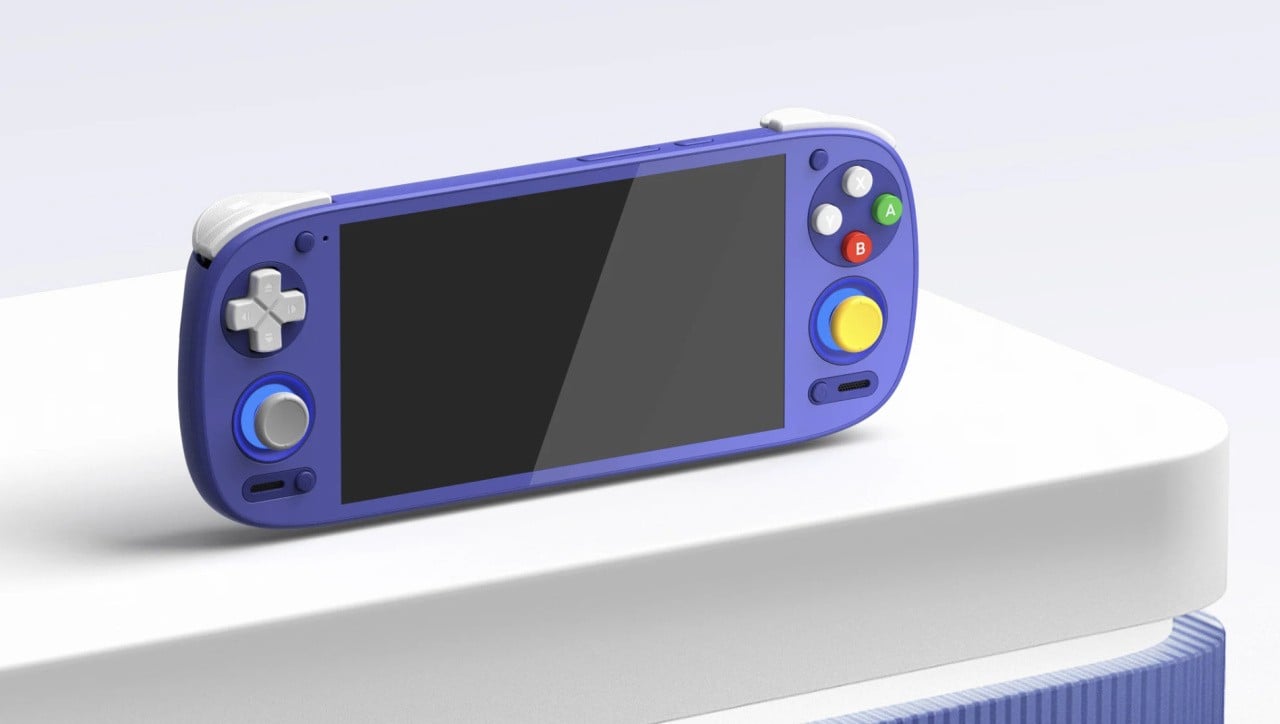
The challenges faced by Retroid are not isolated incidents but rather symptomatic of a broader industry-wide phenomenon. The repercussions of the memory shortage are being felt across the entire spectrum of consumer electronics, extending even to the high-end gaming handheld market. AYANEO, another significant player known for its premium Windows-based handhelds, provides a stark illustration of the extreme pricing ramifications. The upcoming AYANEO Next 2, particularly its 128GB version, is projected to retail for an astonishing $4,299. This exorbitant price tag is directly attributed to the soaring demand and corresponding cost of high-capacity memory chips essential for such advanced devices.
The pricing of the AYANEO Next 2 serves as a bellwether for the potential future trajectory of high-performance consumer electronics. It indicates that manufacturers are grappling with component costs that are several multiples higher than historical norms, making flagship devices luxury items for a niche market. This trend raises concerns about accessibility and affordability across the personal computing and gaming hardware landscape.
Understanding the "RAMpocalyse": The AI-Driven Demand Surge
At the core of this global memory shortage is the explosive proliferation of artificial intelligence technologies. AI, particularly in the form of large language models (LLMs), generative AI, and advanced machine learning algorithms, requires immense computational power and, critically, vast amounts of high-speed, high-density memory. Training these complex AI models involves processing petabytes of data, a process that necessitates specialized memory types, most notably High Bandwidth Memory (HBM).
HBM, a type of RAM that stacks multiple memory dies vertically, is designed to offer significantly higher bandwidth than traditional DDR (Double Data Rate) memory. This makes it ideal for AI accelerators and data center Graphics Processing Units (GPUs) that power AI computations. The demand for HBM has surged dramatically, with market research firms like TrendForce projecting HBM output to increase by over 100% year-on-year in 2024 and continue its rapid growth into 2025. This intense focus on HBM production, while crucial for the AI sector, has inadvertently diverted manufacturing capacity and resources away from other types of memory, including the DDR4 and DDR5 modules commonly used in consumer devices like handheld gaming systems, laptops, and smartphones.
The "AI craze" has spurred massive investments from tech giants like Nvidia, Microsoft, Google, and Amazon into building out AI infrastructure. Data centers are rapidly expanding, equipped with thousands of AI servers, each demanding multiple HBM modules and significant amounts of standard DDR5 RAM. This colossal demand creates a domino effect:
- Prioritization: Memory manufacturers (Samsung, SK Hynix, Micron) are prioritizing the production of high-margin HBM and premium DDR5 modules for AI servers, as these yield higher profits.
- Resource Allocation: Manufacturing lines, skilled labor, and research & development efforts are heavily skewed towards AI-centric memory.
- Lead Times: The production of new memory fabs and the expansion of existing ones require substantial capital expenditure and several years to come online, making it difficult for supply to quickly adapt to sudden surges in demand.
While the original article cautiously notes that AI "has resulted in precious few rewards" in terms of immediate profits, the sheer investment and perceived future value of AI are what drive this demand. Companies are in an arms race to develop and deploy AI, pouring billions into infrastructure, regardless of immediate returns. This speculative investment is what creates the underlying pressure on the memory market.

Semiconductor Supply Chain Dynamics and Historical Context
The semiconductor industry is inherently cyclical, characterized by periods of boom and bust in demand and supply. However, the current "RAMpocalyse" presents a unique challenge due to the unprecedented scale and specific nature of AI-driven demand. Memory manufacturing is a highly complex, capital-intensive process involving multiple stages: wafer fabrication, assembly, testing, and packaging. Each stage requires specialized equipment, controlled environments, and highly skilled personnel.
When demand spikes unexpectedly, the supply chain struggles to respond swiftly.
- Wafer Production: Increasing silicon wafer production, the raw material for chips, takes time.
- Fab Construction: Building a new fabrication plant (fab) can cost tens of billions of dollars and take 3-5 years to complete.
- Technological Shifts: The transition from one memory generation (e.g., DDR4) to the next (DDR5) and the development of specialized memory like HBM require significant R&D and retooling of production lines, further constraining overall output.
Historically, memory shortages have been driven by factors like PC market booms, smartphone proliferation, or unexpected supply disruptions (e.g., natural disasters affecting fabs). What distinguishes the current situation is the singular, concentrated, and high-value demand from the AI sector, which has the financial muscle to outbid other industries for limited supply. This shift has fundamentally altered the economics of memory production, making it less attractive for manufacturers to produce lower-margin memory for consumer devices when lucrative AI contracts are available.
A Chronology of Market Disruptions and Escalating Prices
The seeds of the current memory crisis were sown in late 2023 and early 2024 as the AI boom gained significant momentum.
- Late 2023: Early reports from market analysts like TrendForce began to indicate a tightening supply of HBM and an anticipated rebound in DDR5 prices, reversing a previous downturn.
- Q1 2024: Memory prices, particularly for DDR5, began a noticeable upward trend. Manufacturers started adjusting contract prices for enterprise clients.
- Early March 2026 (based on article’s implied timeline): Retroid announces initial price hikes for the Retroid Pocket 6 and discontinues its 12GB variant, marking the first public acknowledgment of the direct impact on their product line.
- Mid-March 2026: The latest announcement from Retroid confirms further escalations: the temporary discontinuation of the Retroid Pocket G2 and an additional $20 price increase for the Retroid Pocket Classic.
- Concurrent Developments: The revelation of AYANEO Next 2’s eye-watering $4,299 price for its 128GB model emerges as a stark indicator of how these increased component costs are translating into final product pricing at the high end.
This timeline illustrates a rapid deterioration of the memory supply situation for consumer-focused manufacturers, moving from initial price adjustments to outright product discontinuations within a matter of weeks or months.
Industry Voices and Market Reactions
Retroid’s statements, disseminated via social media platforms, serve as a direct communication from a company struggling with the current market dynamics. Their transparency about the "temporary discontinuation" and price adjustments reflects the difficult choices being made to sustain operations.
From a broader industry perspective, analysts have consistently warned about these trends. Companies like IDC and Gartner have forecasted continued memory price increases throughout 2024 and potentially into 2025, driven largely by AI demand. They project that while overall memory bit shipments will grow, the allocation will heavily favor data centers and AI accelerators, leaving other sectors scrambling for supply. These experts advise consumer electronics manufacturers to adjust their procurement strategies, potentially locking in longer-term contracts or redesigning products to use more readily available, albeit sometimes less optimal, components.
Consumer reaction, as observed across various online forums and tech communities, ranges from understanding to frustration. Enthusiasts of niche devices like emulation handhelds often prioritize performance and affordability. The current situation forces them to either accept higher prices, settle for older models, or delay purchases, impacting a segment of the market built on accessible retro-gaming experiences.
Implications for the Handheld Gaming Sector
The handheld gaming sector, particularly for devices capable of emulation, operates on relatively thin margins compared to mainstream consumer electronics. These devices often rely on a delicate balance of performance, affordability, and component availability. The "RAMpocalyse" threatens this equilibrium in several ways:
- Increased Barrier to Entry: Higher component costs will inevitably lead to higher retail prices, making these devices less accessible to a broad audience.
- Reduced Innovation: Manufacturers may be forced to stick with older, cheaper, or more readily available components, potentially stifling the pace of innovation in terms of performance and features.
- Product Simplification: To manage costs, companies might offer fewer high-spec variants or simplify designs, as seen with Retroid discontinuing the 12GB variant of the Pocket 6.
- Market Consolidation: Smaller manufacturers with less purchasing power or weaker supply chain relationships may struggle to compete, potentially leading to consolidation or exits from the market.
- Shift to Cloud Gaming: As local hardware becomes more expensive, it could inadvertently accelerate the shift towards cloud-based gaming solutions, which rely on remote data centers and are less impacted by individual device component costs.
For a company like Retroid, which caters to a passionate but often price-sensitive niche, these challenges are existential. Their ability to adapt, innovate with alternative designs, or secure favorable component deals will be critical for their long-term viability.

Wider Economic Repercussions and Future Outlook
Beyond handheld gaming, the memory shortage has wider economic repercussions. The rising cost of RAM affects:
- Smartphones and Laptops: Next-generation devices will likely see higher base prices or fewer configuration options.
- Data Centers (Non-AI): Cloud computing providers not primarily focused on AI may also face increased operational costs for their standard server infrastructure.
- Automotive Industry: Modern vehicles increasingly rely on advanced electronics and memory, making them susceptible to these supply chain pressures.
- Industrial IoT: Connected devices and industrial automation also require memory, potentially impacting deployment costs and timelines.
Looking ahead, the resolution of the "RAMpocalyse" depends on a complex interplay of factors. While memory manufacturers are investing heavily in new HBM and DDR5 production capacities, these investments take time to yield results. Analysts anticipate that supply could begin to catch up with demand by late 2025 or early 2026, assuming AI demand growth stabilizes and new fabs come online as planned. However, the sheer scale of AI’s memory appetite means that any forecast remains subject to significant uncertainty.
In the interim, companies like Retroid and AYANEO will need to navigate a volatile market characterized by elevated component costs and unpredictable supply. Consumers, in turn, will need to adjust their expectations regarding product availability, pricing, and the pace of technological advancement in certain consumer electronics segments. The AI revolution, while promising transformative technological advancements, is undeniably reshaping the foundational economics of the hardware industry, with direct and tangible consequences for product development and consumer access.
Source: x.com