Cecilia Chamidah Nur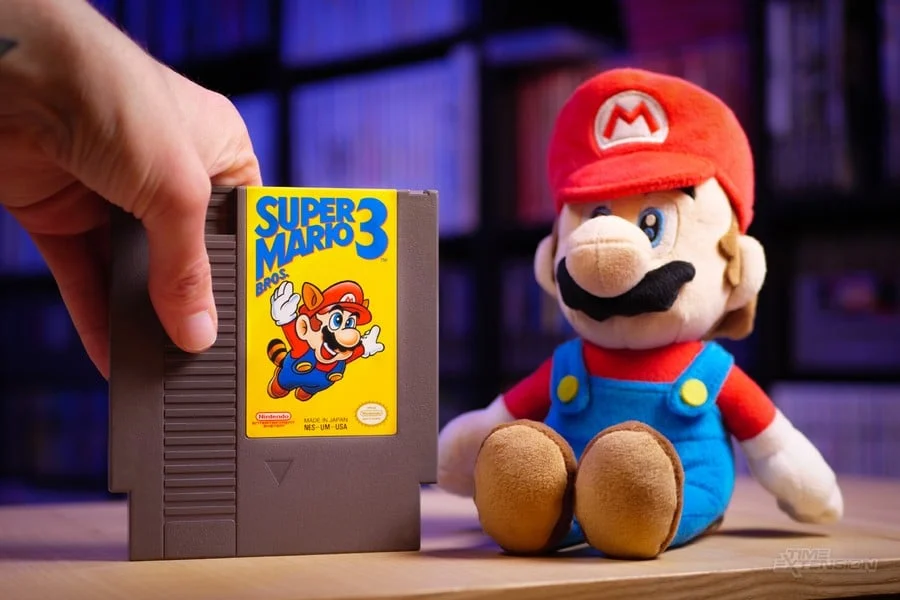
The Genesis and Evolution of the Game Developers Conference
The Game Developers Conference, as it is known today, has humble but significant origins. It began as the Computer Game Developers Conference (CGDC) in 1988, an initiative spearheaded by influential game designer Chris Crawford. Crawford, recognizing the growing need for a dedicated forum where game creators could share knowledge, collaborate, and discuss the unique challenges of their craft, organized the inaugural event in his living room in San Jose, California. This first gathering attracted a modest but dedicated group of 27 developers. The success of this intimate meeting quickly necessitated a larger venue, leading to the 1989 event at the Sunnyvale Hilton Hotel. Over the decades, the conference steadily grew in size, scope, and influence, transitioning from its computer-centric focus to embrace console and mobile gaming, eventually rebranding as the Game Developers Conference (GDC). Today, GDC is one of the largest and most prestigious professional events in the video game industry, attracting tens of thousands of attendees annually and serving as a crucial platform for networking, learning, and showcasing innovation. The preservation of the 1989 tapes underscores the VGHF’s commitment to documenting this remarkable evolution, ensuring that the foundational discussions and early philosophies are not lost to time.
The Gaming Landscape of 1989: A Crossroads of Innovation
To fully appreciate the significance of CGDC 1989, it is essential to understand the state of the video game industry at that moment. The late 1980s represented a pivotal era, characterized by rapid technological advancements, evolving market dynamics, and a burgeoning sense of professional identity among developers.
On the console front, Nintendo’s NES (Nintendo Entertainment System), launched in North America in 1985, had firmly established its dominance. By 1989, the NES commanded an estimated 80-90% market share in the U.S. console market, having revitalized an industry previously crippled by the video game crash of 1983. Its success was driven by a strong library of first-party titles like Super Mario Bros. and The Legend of Zelda, alongside a robust third-party ecosystem, albeit one tightly controlled by Nintendo. Sega, Nintendo’s primary competitor, was gaining traction with its Master System, particularly in Europe, but struggled to challenge the NES’s supremacy in Japan and North America. The 16-bit era was on the horizon, with Sega’s Mega Drive (Genesis in North America) launching in Japan in 1988 and scheduled for a North American release later in 1989, signaling a new wave of graphical and processing power.
The home computer gaming market was equally vibrant and diverse. Platforms such as the Commodore 64, Apple II, Atari ST, Amiga, and IBM PC compatibles each boasted dedicated fan bases and unique game libraries. The PC market, in particular, was experiencing exponential growth, fueled by advancements in graphics cards, sound capabilities, and processor speeds. Genres like role-playing games (RPGs), adventure games (both text-based and graphical), simulations, and strategy games flourished on these platforms, often allowing for more complex narratives and deeper gameplay mechanics than their console counterparts. Developers in the computer space often operated with greater creative freedom and a more direct connection to their audience compared to the console segment, which was increasingly beholden to platform holders. This dual landscape of booming console sales and sophisticated computer gaming provided a rich backdrop for the discussions at CGDC 1989, where developers grappled with the challenges and opportunities presented by both worlds.
A Gathering of Titans: The Luminaries of CGDC 1989
The 300-person turnout at CGDC 1989, though modest by today’s standards, was anything but inconsequential. It represented a concentrated assembly of some of the most influential and innovative minds in the industry, whose work laid the groundwork for modern gaming. The recordings capture the voices of pioneers whose insights continue to resonate.
!["The [NES] Is Not Gonna Go On Forever" - Forget GDC 2026, Take A Trip Back In Time With Recordings From The 1989 Event](https://images.timeextension.com/1aeccb092c2b3/large.jpg)
- Danielle Bunten Berry: A trailblazing designer, Berry was renowned for her work on multiplayer games, most notably "M.U.L.E." (1983), a seminal title that explored economic simulation and player interaction. Her presence at CGDC 1989 underscored the early importance of social dynamics in gaming.
- Bing Gordon: Then an executive at Electronic Arts (EA), Gordon played a crucial role in shaping EA’s publishing strategy and talent acquisition in its formative years. His later career saw him become a highly influential venture capitalist, investing in numerous successful tech and gaming startups.
- Chris Crawford: The founder of the CGDC, Crawford was a passionate advocate for games as an art form and a medium for serious expression. His extensive body of work includes groundbreaking titles like "Eastern Front (1941)" and "Balance of Power," and his writings heavily influenced game design philosophy.
- Richard Garriott: Revered as "Lord British," Garriott is the visionary creator of the "Ultima" series, one of the most influential computer role-playing game franchises of all time. His contributions to world-building, ethical choices in games, and online multiplayer experiences were revolutionary.
- Steve Cartwright: A prolific developer for Activision, Cartwright was known for creating memorable titles such as "Ghostbusters" and "Little Computer People" for the Commodore 64. His work exemplified the creative potential of early home computer platforms.
- Noah Falstein: An early and instrumental developer at LucasArts, Falstein contributed to iconic adventure games like "Maniac Mansion" and "Indiana Jones and the Last Crusade: The Graphic Adventure." His insights into interactive storytelling and puzzle design were highly valued.
- Trip Hawkins: The charismatic founder of Electronic Arts, Hawkins was a key figure in establishing a publisher-developer model that valued creators. EA, founded in 1982, quickly became a powerhouse by championing talented programmers and artists.
- Joe Miller: While less universally recognized than some contemporaries, figures like Joe Miller often represented the crucial, unsung heroes of game development – engineers, producers, or business strategists who helped bring these creative visions to market. His participation signifies the diverse skill sets present.
These individuals, collectively, embodied the spirit of innovation and collaboration that defined the early game development community. Their discussions were not merely academic; they were the practical deliberations of people actively shaping a new entertainment medium.
Key Discussions and Prophetic Insights
The recorded talks from CGDC 1989 reveal a striking prescience regarding the challenges and opportunities that would continue to define the industry for decades. The topics ranged from nostalgic reflections to critical analyses of emerging business models.
One recurring theme was the "Golden Days" of home computer gaming. Even in 1989, a sense of nostalgia for the earlier, more experimental days of gaming was palpable. Developers reflected on the era when individual programmers could create groundbreaking titles with minimal resources, fostering a culture of innovation driven by passion rather than corporate mandates. This discussion hinted at an underlying tension between the growing commercialization of games and the desire to preserve creative freedom, a debate that remains relevant today.
Another significant topic explored the perils of working with movie licenses. Game developers voiced concerns over the creative restrictions, tight deadlines, and often mismatched expectations that came with adapting popular films into games. Historically, many licensed games of that era were rushed to market to coincide with film releases, often resulting in mediocre quality. This led to discussions about how to maintain creative integrity while leveraging the marketing power of established brands, a challenge that developers continue to navigate. Examples from the era like E.T. the Extra-Terrestrial (though pre-dating CGDC 1989, it served as a cautionary tale) and various adaptations of popular cartoon characters often highlighted the pitfalls.
The media’s relationship with the video game industry was also a subject of keen interest. In 1989, video games were still often viewed by mainstream media as a niche hobby or, worse, as frivolous entertainment primarily for children. Developers discussed the struggle to gain respect and serious journalistic coverage, advocating for recognition of games as a legitimate cultural and artistic form. This period saw the rise of dedicated gaming magazines and publications, which played a crucial role in legitimizing the industry and fostering a sense of community among players and developers.
Perhaps the most prophetic discussion revolved around Nintendo’s seemingly draconian business practices with its NES console. Trip Hawkins, the outspoken founder of Electronic Arts, famously uttered the statement that "the [NES] is not gonna go on forever." This remark, captured on tape, encapsulates the growing frustration among third-party developers regarding Nintendo’s restrictive licensing policies. Nintendo enforced strict rules, including mandatory chip-based authentication (the 10NES lockout chip), limits on the number of games a publisher could release per year, and exclusivity clauses that prevented publishers from releasing the same game on competing platforms for a set period. These practices, while arguably crucial to Nintendo’s recovery of the industry post-1983, were seen by many developers as stifling innovation and fostering an unfair monopolistic environment.
!["The [NES] Is Not Gonna Go On Forever" - Forget GDC 2026, Take A Trip Back In Time With Recordings From The 1989 Event](https://images.timeextension.com/users/794/avatar.jpg?v=1597229651)
Hawkins’s prediction about the NES’s lifespan, while accurate for the console itself (it was eventually succeeded by the Super NES), proved to be more complex regarding Nintendo’s enduring influence. While the NES console indeed had a finite life, Nintendo’s strategic business acumen, its focus on quality control, and its ability to cultivate iconic intellectual properties ensured its continued dominance in the industry. The discussions at CGDC 1989 foreshadowed the console wars of the 1990s, where competitors like Sega would directly challenge Nintendo’s market control by offering more developer-friendly terms and innovative hardware. The lessons learned from Nintendo’s powerful position profoundly influenced subsequent platform holders and the very structure of the game publishing industry.
The Unsung Heroes of Preservation: VGHF and Stanford University
The monumental task of bringing these historical recordings to light was a collaborative effort, primarily spearheaded by The Video Game History Foundation (VGHF). The VGHF is a non-profit organization dedicated to preserving, celebrating, and teaching the history of video games. Their mission encompasses archiving physical media, documents, and oral histories, ensuring that the rich heritage of interactive entertainment is accessible for future generations of scholars, developers, and enthusiasts. The foundation recognizes that historical artifacts, particularly those from a rapidly evolving digital medium, are vulnerable to decay and loss if not actively preserved.
For the CGDC 1989 tapes, the VGHF’s efforts were significantly bolstered by the cooperation of the Department of Special Collections at Stanford University Libraries. Stanford’s involvement highlights the increasing recognition of video game history as a legitimate field of academic study. The university provided access to a copy of the original CGDC 1989 program from the Steve Meretzky papers. Steve Meretzky is a legendary figure in the world of interactive fiction, known for his seminal work at Infocom on classic adventure games like "Planetfall" and "Leather Goddesses of Phobos." His personal archives, carefully preserved by Stanford, likely contain a wealth of materials beyond just the conference program, such as design documents, correspondence, internal memos, and personal notes that offer even deeper insights into the development process of the era.
The preservation process itself is a complex undertaking. Audio tapes from the late 1980s are susceptible to physical degradation, including "sticky shed syndrome" and magnetic data loss. The VGHF and its partners would have undertaken meticulous efforts to clean, stabilize, and digitize these fragile recordings using specialized equipment to ensure the highest fidelity capture. This involves not only the technical aspects of audio recovery but also the painstaking work of cataloging, transcribing, and contextualizing the content, making it searchable and understandable for modern audiences. The collaboration between a specialized non-profit and a prestigious academic institution exemplifies the multidisciplinary approach required for effective digital cultural heritage preservation.
Gaps in the Historical Record: A Reminder of Fragility
Despite the remarkable success in recovering and digitizing most of the CGDC 1989 audio, the archive is not entirely complete. Two specific talks are noted as missing: ‘Strategy Games’ with Roger Keating and Ian Trout, and ‘Aristotle for Nerds’, with Brenda Laurel. The absence of these recordings represents a significant loss to the historical record, particularly given the stature of the individuals involved.
Roger Keating and Ian Trout were pioneers in strategy game development, particularly known for their work on titles like "Wargame Construction Set" (Keating) which allowed players to design their own wargames. Their discussion on strategy games would have offered invaluable insights into the design philosophies, technical challenges, and market considerations for a genre that continues to be a cornerstone of PC gaming. Understanding their approach to game balance, artificial intelligence, and player engagement from a 1989 perspective would have provided a crucial historical benchmark.
!["The [NES] Is Not Gonna Go On Forever" - Forget GDC 2026, Take A Trip Back In Time With Recordings From The 1989 Event](https://images.timeextension.com/1aeccb092c2b3/the-nes-is-not-gonna-go-on-forever-forget-gdc-2026-take-a-trip-back-in-time-with-recordings-from-cgdc-1989-1.900x.jpg)
Brenda Laurel is another titan whose missing talk is particularly regrettable. A highly influential figure in human-computer interaction, virtual reality, and interactive narrative, Laurel’s work has consistently pushed the boundaries of how humans interact with technology. Her concept of "Aristotle for Nerds" likely delved into the application of classical dramatic theory and storytelling principles to interactive media, a topic she explored extensively in her seminal book "Computers as Theatre." Her insights from 1989 would have provided an early glimpse into the theoretical underpinnings of interactive experiences, predating the mainstream adoption of concepts like virtual reality and immersive storytelling by decades. The loss of her perspective on record is a missed opportunity to hear her early thoughts on these profound ideas.
Furthermore, the original event included 22 roundtables that were not committed to audio tape. Roundtables are typically informal, often unrecorded, discussions where participants engage in free-flowing dialogue on specific topics. While the structured talks provide formal presentations, roundtables often yield the most candid and unvarnished insights into industry sentiment, emerging trends, and shared challenges. The absence of these discussions means that a significant portion of the spontaneous, collaborative spirit of CGDC 1989 remains uncaptured, leaving researchers to infer these dynamics from the more formal presentations. These gaps serve as a poignant reminder of the fragility of historical records and the urgency of preservation efforts for events and materials that might seem ephemeral at the time.
Broader Impact and Enduring Relevance
The release of the CGDC 1989 audio tapes is far more than a nostalgic trip; it is a vital resource that offers profound implications for understanding the video game industry’s trajectory. These recordings serve as an invaluable time capsule, preserving the voices, concerns, and aspirations of an industry on the cusp of exponential growth.
For current and aspiring game developers, these tapes offer a unique opportunity to connect with the foundational principles and early struggles of their predecessors. Many of the challenges discussed in 1989—such as intellectual property management, platform holder relations, market saturation, and the pursuit of artistic expression—remain highly relevant today. By understanding how these pioneers grappled with such issues, contemporary developers can gain perspective, avoid repeating past mistakes, and draw inspiration from the enduring spirit of innovation.
Academics and historians will find this archive a rich primary source for research into the cultural, economic, and technological evolution of digital entertainment. It provides empirical data for studying the socio-technical shaping of the industry, the emergence of professional communities, and the early discourse surrounding game design ethics and business models. The candid discussions offer a rare glimpse into the intellectual ferment that characterized the early game development scene, providing context for the industry’s subsequent development into a global cultural force.
The VGHF’s effort, supported by institutions like Stanford University, underscores the critical importance of historical archives in a rapidly evolving digital world. As technology advances and past formats become obsolete, the risk of losing valuable historical data increases. This initiative highlights the ongoing need for dedicated preservation organizations to meticulously catalog, digitize, and make accessible the artifacts of our digital past. Without such efforts, future generations would be deprived of the foundational knowledge necessary to understand the roots of modern interactive entertainment.
!["The [NES] Is Not Gonna Go On Forever" - Forget GDC 2026, Take A Trip Back In Time With Recordings From The 1989 Event](https://images.timeextension.com/dd1c391261d37/300x150.jpg)
Ultimately, the CGDC 1989 recordings demonstrate that while technology and market dynamics may change dramatically, certain core tenets of game development endure. The passion for creation, the pursuit of innovation, and the desire to connect with players across digital landscapes remain constant. By revisiting these historical conversations, the industry can better understand its heritage, appreciate its progress, and draw wisdom from the foresight of its early visionaries, ensuring that the future of gaming is built on a solid foundation of its rich and complex past.
Conclusion
The release of the CGDC 1989 audio recordings by The Video Game History Foundation, in collaboration with Stanford University Libraries, marks a significant moment for enthusiasts and scholars of video game history. For the first time in 37 years, these original discussions offer an unparalleled window into the formative years of an industry that has profoundly impacted global culture. From the early concerns over business practices and media perception to the passionate debates about game design, the voices captured on these tapes resonate with a timeless relevance. This meticulously preserved archive not only celebrates the pioneering spirit of the late 1980s but also provides crucial context for understanding the complex journey of video games from a niche hobby to a dominant entertainment medium, ensuring that the wisdom of its founders continues to inform its future.