Edi Durjana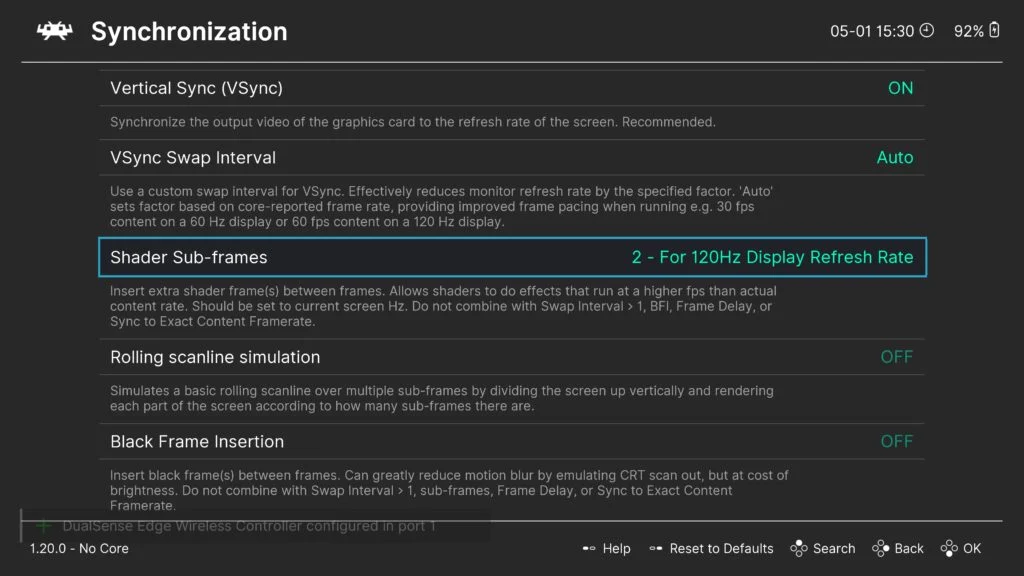
A groundbreaking shader has been unveiled, promising to redefine motion clarity on contemporary displays within the RetroArch emulation platform. This innovative solution, developed through a collaboration between display technology expert Mark Rejhon of BlurBusters and renowned shader architect Timothy Lottes, aims to deliver superior visual fidelity without the inherent drawbacks of traditional black-frame insertion (BFI) techniques. Leveraging RetroArch’s recently implemented “subframe” shader capabilities, this advancement operates at multiples of the content’s native framerate, offering a significant leap forward for retro gaming enthusiasts and display connoisseurs alike.
The Perennial Challenge of Motion Clarity on Modern Displays
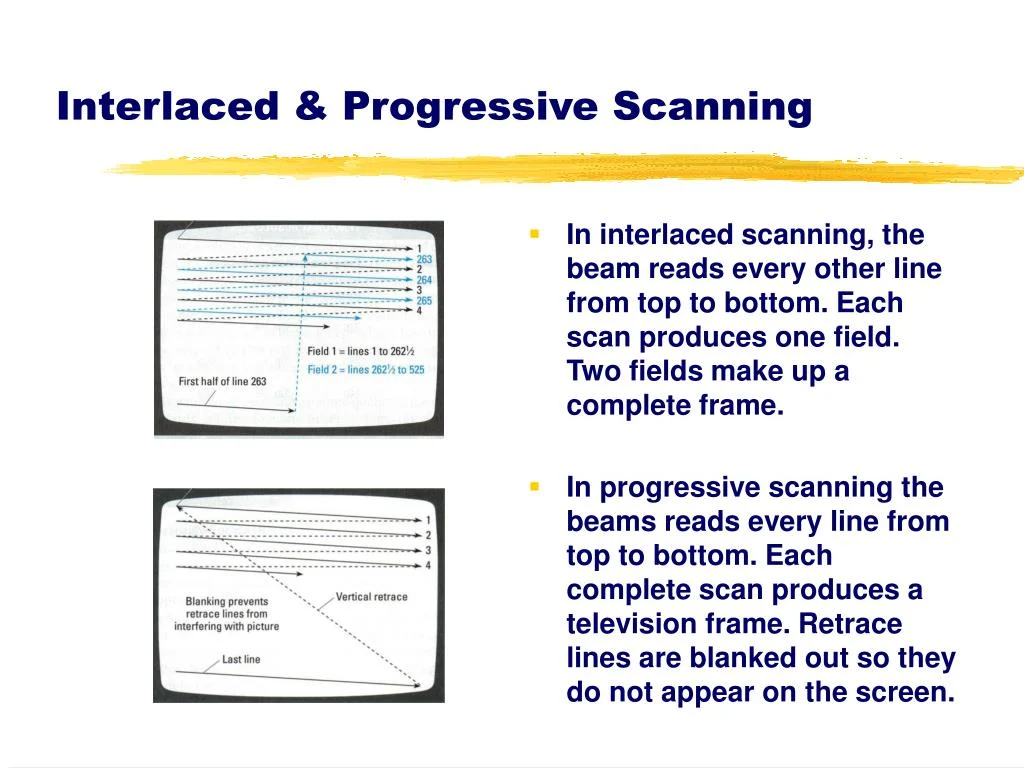
For decades, the crisp, fluid motion characteristic of Cathode Ray Tube (CRT) displays has been a benchmark for visual excellence, particularly in fast-paced video games. CRTs operated on a "pulsed" display principle, where pixels were only illuminated for a brief moment as an electron beam scanned across the screen. This momentary illumination, followed by darkness, created a natural form of motion compensation that minimized perceived blur. However, the advent of flat-panel displays—LCDs, and more recently, OLEDs—introduced a different operational paradigm known as "sample-and-hold." In sample-and-hold displays, each pixel remains illuminated with a static image until the next frame is drawn. While this eliminates flicker and allows for higher resolutions and larger screen sizes, it inherently introduces motion blur, as the eye tracks a moving object across a display where the image of that object is held stationary for the entire frame duration. This phenomenon, known as "persistence of vision" interacting with "sample-and-hold," smears moving images across the retina, diminishing clarity.
The quest to mitigate this motion blur on modern displays has led to various technological interventions, most notably Black-Frame Insertion (BFI). BFI attempts to emulate the pulsed nature of CRTs by inserting a black frame between each displayed content frame. This brief period of darkness allows the eye to reset, reducing the perceived smearing. While effective to a degree, BFI comes with significant trade-offs: a noticeable reduction in overall screen brightness, the introduction of visible flicker which can cause eye strain for some users, and in certain LCD panels, an increased risk of image persistence or "burn-in" due to the rapid on/off cycling of pixels. These limitations have historically prevented BFI from becoming a universally adopted solution, leaving a void for a more sophisticated approach.
The Innovation: Subframe Shader Capabilities in RetroArch
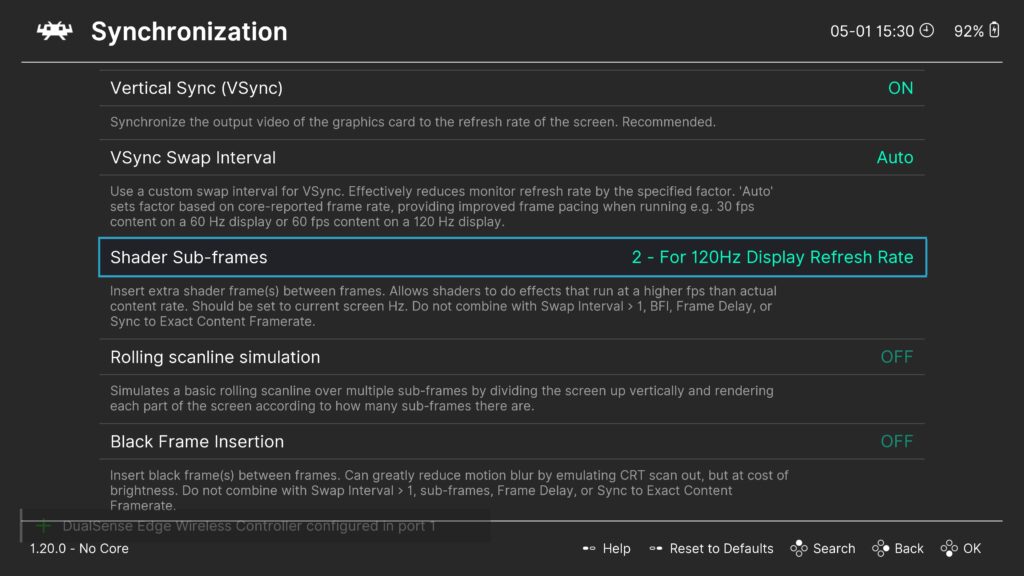
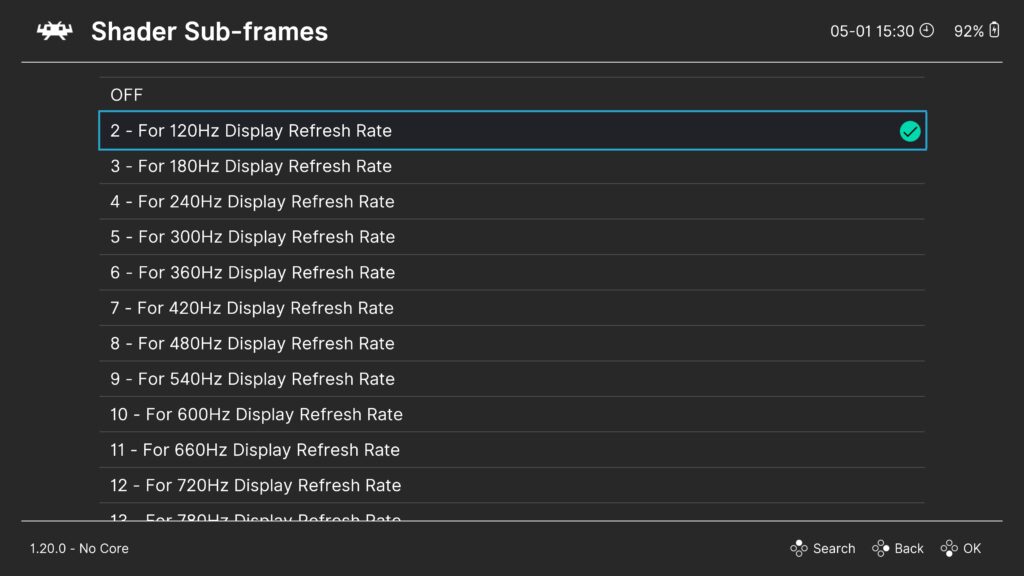
The breakthrough achieved by Rejhon and Lottes capitalizes on a critical new feature introduced in RetroArch: "subframe" shader capabilities. This architectural enhancement allows the emulation frontend to render multiple intermediate frames—or "subframes"—between each standard content frame. By operating at multiples of the content framerate (e.g., rendering two subframes for a 60Hz game on a 120Hz display, or four subframes on a 240Hz display), the new shader can implement a far more nuanced and effective form of motion clarity enhancement than simple BFI. Instead of merely inserting a black frame, the subframe approach enables the shader to dynamically manipulate the timing and illumination of pixels within the refresh cycle, closely mimicking the scanline behavior of a CRT without the crude brightness reduction and flicker of conventional BFI. This allows for a precise control over pixel persistence, effectively "strobing" the image in a way that aligns with the display’s refresh rate and the content’s framerate, thereby restoring much of the lost motion clarity.
This advanced capability necessitates a recent version of RetroArch; specifically, version 1.20.0 or any subsequent nightly build is required to access the Shader Sub-frames feature. Earlier versions lack the foundational support for this intricate rendering technique, underscoring the collaborative development effort between the shader creators and the RetroArch development team to integrate such a complex feature. The original Shadertoy implementation, available at www.shadertoy.com/view/XfKfWd, serves as a testament to the shader’s conceptual genesis and the early stages of its development.
The Architects of Enhanced Clarity
The development of this revolutionary shader is a product of expertise from two highly respected figures in the display and graphics technology communities.
Mark Rejhon, the founder of BlurBusters.com, is widely recognized as a leading authority on display motion performance and input lag. For years, BlurBusters has been a go-to resource for enthusiasts and professionals seeking in-depth analysis, benchmarks, and solutions for achieving optimal motion clarity on various display technologies. Rejhon’s work often involves dissecting the intricate relationship between refresh rates, response times, and human perception of motion, making him uniquely qualified to tackle the challenges of simulating CRT-like motion on modern panels. His contributions typically focus on the practical application of display science to enhance user experience, a goal clearly reflected in this shader.
Timothy Lottes, on the other hand, is a distinguished graphics programmer known for his pioneering work in real-time rendering. He is famously credited with the creation of the original FXAA (Fast Approximate Anti-Aliasing) shader, a widely adopted post-processing technique that significantly improved anti-aliasing performance in video games. Lottes also developed the popular "crt-lottes" shaders, which meticulously replicate the aesthetic characteristics of CRT displays, including scanlines, curvature, and phosphor glow. His profound understanding of shader programming and visual fidelity has been instrumental in translating the theoretical principles of motion clarity into a robust and performant software solution. The collaboration between Rejhon’s deep understanding of display physics and Lottes’s mastery of shader development has culminated in a solution that is both scientifically sound and practically implementable.
Implementation and Accessibility for Users
For users eager to experience this enhanced motion clarity, the process within RetroArch is designed to be straightforward, assuming a high-refresh-rate monitor (120 Hz or higher) is available. The shader is typically found within RetroArch’s extensive shader library, often under shaders_slang/presets/crt-beam-simulator. Users can load one of the pre-made presets or combine the crt-beamracing shader with their existing favorite CRT shaders by prepending it to a shader chain. This flexibility allows users to retain their preferred visual aesthetics while gaining the benefits of improved motion.
The initial setup involves navigating RetroArch’s user interface to the shader options, loading the appropriate preset, and then saving the configuration for future use. The key requirement, as previously noted, is ensuring RetroArch 1.20.0 or a newer version is installed to enable the essential subframe rendering feature. This accessibility ensures that a wide range of users, from casual retro gamers to dedicated emulation enthusiasts, can benefit from the innovation without requiring extensive technical knowledge beyond basic RetroArch configuration.
Customization and Fine-Tuning for Optimal Performance
Once the shader is active, it offers a suite of runtime parameters for precise tuning, allowing users to optimize its performance based on their specific display hardware and personal preferences. These parameters address crucial aspects such as gamma correction and the delicate balance between brightness and motion clarity.
One primary adjustment is the gamma setting, which is vital for achieving a neutral image. As the shader manipulates pixel illumination, it can inadvertently introduce subtle dark lines or alter the overall image luminosity. Adjusting the gamma helps to counteract these effects, ensuring that the visual output remains true to the original content while benefiting from improved motion.
Another critical parameter allows users to fine-tune the trade-off between perceived brightness and motion clarity. Unlike conventional BFI, which often forces a significant brightness reduction, this subframe shader provides a more granular control. For monitors operating at 120 Hz, which typically utilize two subframes per content frame, a gamma value around 0.5 has been found to yield an optimal balance. For ultra-high refresh rate displays running at 240 Hz, which leverage four subframes, a value of approximately 0.7 is generally recommended. These recommended values serve as starting points, allowing users to experiment and find the sweet spot that best suits their visual comfort and display characteristics. This level of customizable control underscores the shader’s sophistication and its ability to adapt to diverse hardware environments.
Key Advantages Over Conventional BFI
The new subframe shader distinguishes itself from traditional Black-Frame Insertion (BFI) methods through several critical advantages that address the long-standing limitations of prior approaches:
- Reduced Brightness Reduction: While any form of strobing or pulsed display technique will inherently involve some degree of brightness alteration compared to a continuously illuminated screen, the subframe shader minimizes this impact significantly. By intelligently distributing illumination across multiple subframes rather than simply inserting full black frames, it maintains a higher average brightness, making the experience far more comfortable and less fatiguing for extended periods.
- Elimination of Noticeable Flicker: Traditional BFI often introduces a visible flicker, especially at lower refresh rates, which can be highly distracting and uncomfortable for sensitive individuals. The subframe shader’s sophisticated timing and interpolation techniques effectively eliminate this perceptible flicker, resulting in a smoother and more stable visual experience that is closer to the seamless motion of a CRT without the visual artifacts.
- Mitigation of Image Persistence Risks: A significant concern with BFI, particularly on certain LCD panels, is the potential for image persistence or "burn-in." This occurs because the rapid on/off cycling of pixels can lead to voltage accumulation, causing temporary or even permanent ghosting. The subframe shader is designed to alleviate this risk by optimizing the illumination pattern, reducing the stress on the panel that causes such issues. This makes the technology safer for a broader range of displays, expanding its applicability.
- Superior Motion Clarity: Ultimately, the primary advantage lies in its ability to deliver superior motion clarity. By precisely controlling the pixel illumination within the subframe architecture, the shader can more accurately simulate the pulsed nature of CRTs, dramatically reducing the sample-and-hold blur and presenting moving objects with exceptional sharpness and definition. This allows retro games, often designed with CRT characteristics in mind, to be experienced with a fidelity that rivals or even surpasses their original presentation on modern hardware.
Addressing Display-Specific Nuances and OLED Compatibility
A crucial aspect of this shader’s design is its consideration for different display technologies and their unique characteristics. Not all flat-panel monitors are equally susceptible to image persistence caused by rapid on/off flickering. For instance, OLED panels, due to their self-emissive nature and different pixel driving mechanisms, are largely unaffected by the voltage accumulation issues that plague some LCDs during BFI implementations. Similarly, monitors running at odd integer multiples of 60 Hz, such as 180 Hz, may exhibit different behaviors with traditional strobing techniques.
Recognizing these distinctions, the shader includes a runtime parameter to disable the cycle timing offset. This feature is particularly useful for OLED displays or displays with specific refresh rates where the simulated raster line (which mimics a CRT’s electron beam sweep) might otherwise roll up the screen in an undesirable manner. By disabling this offset, users can prevent visual anomalies and ensure a stable image. Furthermore, another parameter allows users to precisely adjust the position of the simulated raster line, enabling them to place it in the least obtrusive or most aesthetically pleasing spot on their screen, tailoring the experience to their individual setup and preferences. This level of adaptability ensures that the shader provides optimal performance across a diverse range of modern display technologies, maximizing its utility and user satisfaction.
Community Support and Further Resources
The developers have proactively established resources for users who might encounter issues or seek further clarification. Mark Rejhon has compiled a comprehensive FAQ and troubleshooting guide, accessible via his GitHub repository at https://github.com/blurbusters/crt-beam-simulator/issues/4. This guide is an invaluable resource for diagnosing common problems, understanding advanced configurations, and optimizing the shader for specific hardware.
Beyond the GitHub repository, RetroArch maintains robust community support channels. Users can seek assistance through the official Discord server, the dedicated Reddit community, or the Libretro forums. These platforms provide direct access to experienced users and developers who can offer guidance and solutions, fostering a collaborative environment for problem-solving and knowledge sharing. Additionally, for those interested in a deeper dive into the technical underpinnings and visual impact of the shader, a highly informative video from a respected display technology expert is available on YouTube at https://www.youtube.com/watch?v=PmXmr4Yiz_0. This video offers visual demonstrations and detailed explanations, further enriching the understanding of this cutting-edge display enhancement.
Broader Implications and Future Outlook
The introduction of this subframe shader within RetroArch represents more than just an incremental improvement; it signifies a pivotal moment in the ongoing quest for display perfection, particularly for the preservation and enjoyment of retro gaming. For years, the inability of modern displays to truly replicate the motion clarity of CRTs has been a point of contention for purists. This shader bridges that gap significantly, allowing classic games to be experienced with a level of visual fidelity that was once thought exclusive to obsolete hardware.
The collaboration between independent experts and the RetroArch project also highlights the power of community-driven innovation in emulation. By integrating advanced display science directly into the emulation frontend, RetroArch continues to solidify its position as a leading platform for historical game preservation and enhancement. This development could also inspire further research and development in display technologies, pushing manufacturers to consider similar subframe or advanced strobing techniques natively in future monitors, moving beyond basic BFI to more sophisticated clarity solutions.
The implications extend beyond retro gaming. The principles demonstrated by this shader—leveraging high refresh rates with intelligent subframe rendering to achieve superior motion clarity—could potentially influence how modern games are displayed, particularly in competitive esports where every millisecond of clarity can make a difference. While the immediate focus is on emulation, the underlying technology offers a blueprint for future display enhancements across various applications. As display technology continues to evolve, this subframe shader stands as a testament to the enduring pursuit of visual excellence, proving that the best of both worlds—modern display capabilities and classic motion clarity—can indeed be achieved.