Vera Clarissa
The Evolution of Digital Field Photography
The history of digital photography is characterized by a rapid obsolescence cycle. Cameras released between 2000 and 2010 frequently featured low-resolution rear LCD panels that made it difficult for photographers to verify focus, exposure, or color accuracy in the field. While contemporary photographers rely on smartphone integration to preview images, this modern approach introduces several friction points, including proprietary file formats, battery drain, and the constant intrusion of cloud-based notifications.
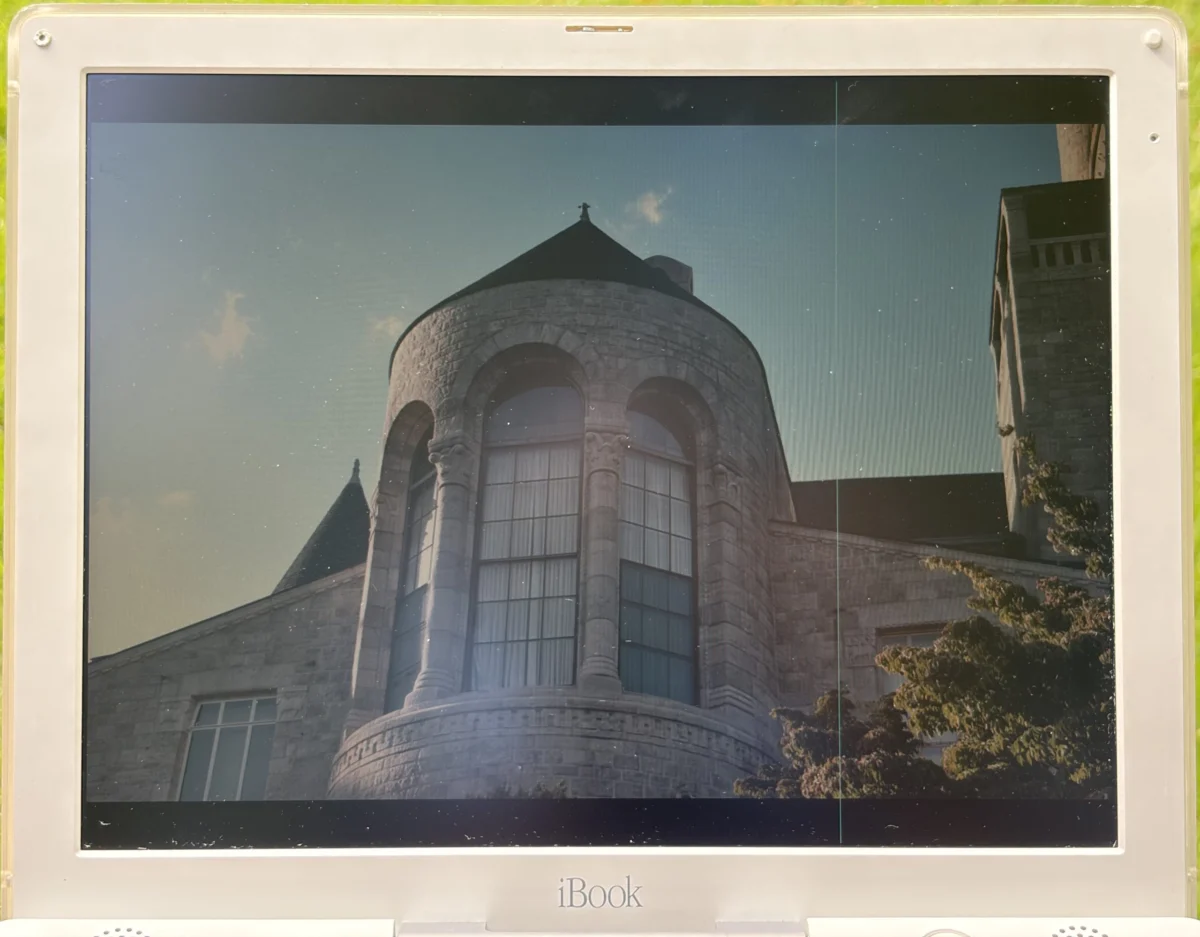
The "IceBook" represents a shift toward a decoupled, analog-adjacent workflow. By utilizing a PowerPC-based laptop, a photographer can establish a portable, self-contained digital darkroom that operates entirely independent of Wi-Fi, cellular data, or modern subscription-based software ecosystems. This hardware-centric approach provides a tactile experience that resonates with those who view photography as a technical craft rather than a rapid-fire content creation process.

Chronology of the PowerPC Resurgence
The iBook G3, first introduced by Apple in 1999 and updated through the early 2000s, remains a landmark in industrial design, featuring a durable polycarbonate shell that has proven remarkably resilient over the last quarter-century. For many, the device was relegated to storage by 2008, as the transition to Intel-based architecture rendered PowerPC software increasingly incompatible with modern web standards.
In recent years, the market for refurbished vintage computing has seen a resurgence, driven by hobbyist groups dedicated to preserving the functionality of legacy machines. The integration of these machines into modern photography workflows began as a niche experiment, gaining traction as photographers sought to reduce their digital footprint. By 2026, the cost-to-performance ratio of these units—often acquired for under $20—has made them accessible for those interested in exploring non-linear, distraction-free editing environments.
Technical Specifications and Performance Metrics
The standard 500 MHz iBook G3 is equipped with a G3 processor, typically paired with 576 MB of RAM. While these specifications are objectively insufficient for modern 4K video editing or high-frequency multitasking, they remain adequate for the processing of 12.1-megapixel JPEG or RAW images produced by cameras of the same era.

Analysis of the workflow indicates that file transfers from modern SDHC cards can be achieved through compatible USB-to-IDE or SD-to-IDE adapters. Once files are imported into Mac OS X Tiger, the operating system’s native file preview features allow for efficient sorting without the need for resource-heavy image management software.
Performance optimizations are currently being explored by the enthusiast community, including:
- Solid State Storage: Replacing the aging 4200-RPM mechanical hard drives with mSATA-to-IDE adapters to increase read/write speeds and reduce operational noise.
- LED Backlight Modding: Addressing the primary limitation of the original TFT displays, which suffer from poor visibility in high-ambient-light conditions.
- Memory Expansion: Maximizing the 576 MB RAM ceiling to allow for stable, albeit slower, operation of legacy versions of photo editing suites.
Implications for Workflow and Field Reliability
The shift toward using legacy hardware for professional or semi-professional field work has distinct implications for reliability. Modern professional equipment, while technically superior, is often fragile and dependent on complex digital infrastructure. Conversely, a 20-year-old DSLR paired with a PowerPC-era laptop offers a robust, "ruggedized" alternative for outdoor photography.

In environments such as remote wilderness areas or industrial zones where cellular connectivity is non-existent, the reliance on cloud storage becomes a liability. The iBook G3 serves as a secure, local storage repository, effectively decoupling the photography process from the internet. This provides a "hard-stop" against data loss associated with sync errors, as the physical transfer of files ensures a manual backup process that requires user verification.
Environmental and Economic Impact
From an economic perspective, the reuse of legacy hardware represents a significant reduction in e-waste. By extending the lifecycle of a device by two decades, the environmental cost of manufacturing new hardware is deferred. This "circular technology" model is gaining popularity as a reaction against the planned obsolescence of modern consumer electronics.
The financial barriers to entry are negligible. With vintage DSLRs depreciating significantly, the combined cost of a high-quality (for its time) DSLR and an iBook G3 is often less than the price of a single modern lens. For students or those new to photography, this provides an affordable entry point into the mechanics of exposure and composition without the intimidation of high-cost, high-complexity modern systems.

Expert Analysis and Future Outlook
Technical observers note that the primary challenge for this workflow remains the display technology. The original LCD panels of the early 2000s lack the color gamut and contrast ratios of modern displays, meaning that critical color grading must be performed with the understanding that the "IceBook" screen is a viewing tool, not a final proofing monitor.
However, the psychological impact of working on a device that lacks modern connectivity features cannot be overstated. By eliminating notifications and the impulse to upload images to social media immediately upon capture, the photographer is forced into a more deliberate, patient process. This "slow photography" movement, supported by the hardware constraints of the iBook G3, encourages a focus on the image itself rather than the speed of its distribution.
As the community continues to refine these setups, the focus is shifting toward longevity. The transition to solid-state storage is expected to be the final hurdle in making these devices truly reliable for long-term archival storage. While no one suggests that these devices will replace contemporary workstations for professional color grading or high-volume commercial production, they are proving to be remarkably effective, low-cost, and highly specialized tools for the field.

The durability of the polycarbonate chassis, combined with the simplicity of the Mac OS X Tiger interface, ensures that as long as the hardware can be maintained with modern internal components, the iBook G3 will continue to provide value. It remains a testament to the fact that computing power, once it reaches a certain threshold, remains sufficient for static creative tasks, regardless of the passage of time.
Conclusion: A Purpose-Built Utility
The revival of the iBook G3 for photo-viewing and storage purposes highlights a broader trend of technology re-purposing. By viewing these devices not as failed modern computers, but as specialized, purpose-built appliances, users are uncovering new ways to utilize hardware that was once considered obsolete.
Whether the goal is to save money, avoid the distractions of the modern web, or simply to engage with a period of computing history that favored tactile, durable, and self-contained design, the "IceBook" offers a unique solution. As users continue to share documentation and modification techniques, the ecosystem surrounding these PowerPC machines will likely remain active, ensuring that these classic pieces of technology continue to document the modern world through the lens of a simpler, more deliberate digital age.