Chalid Lutfie
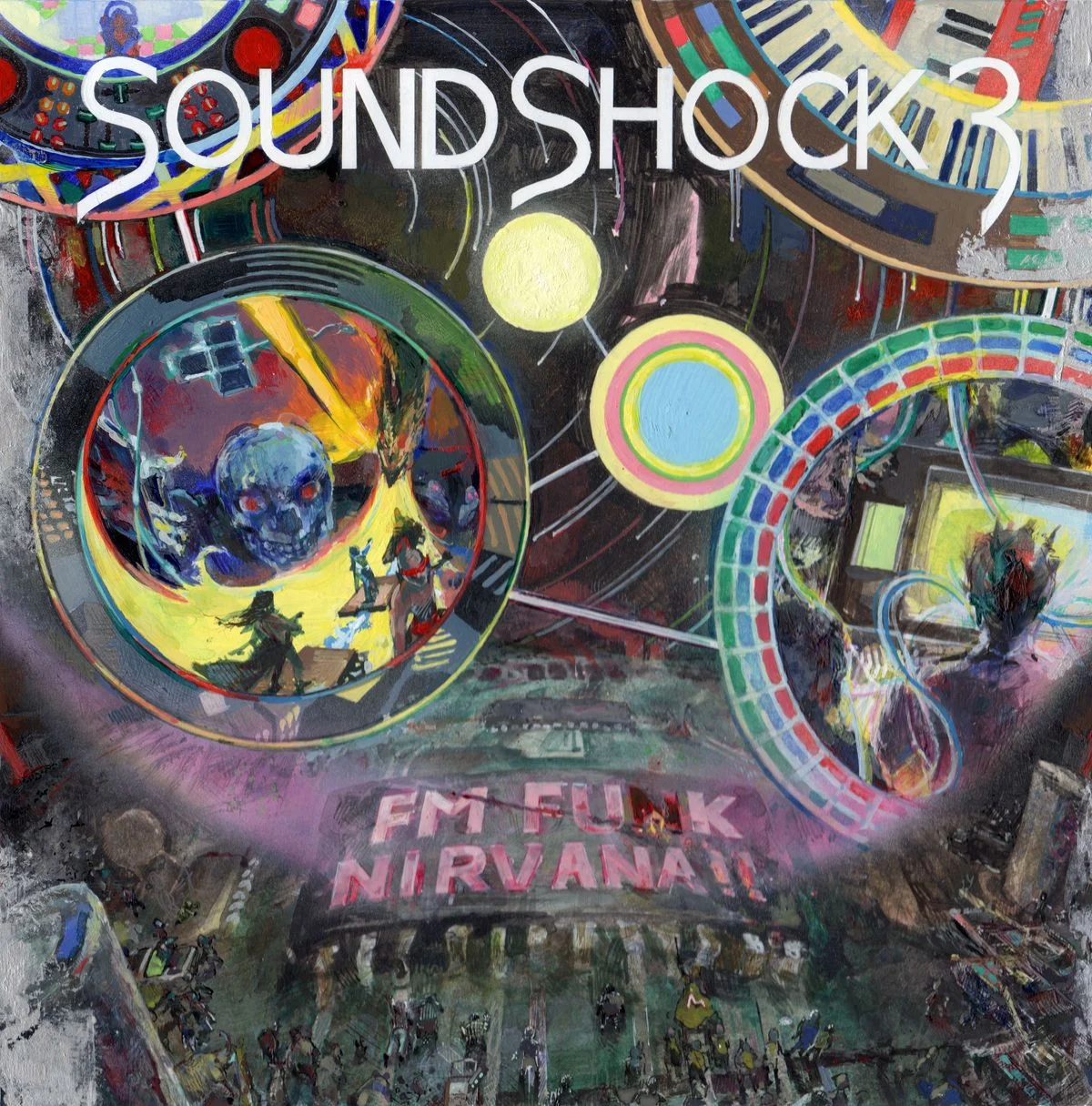
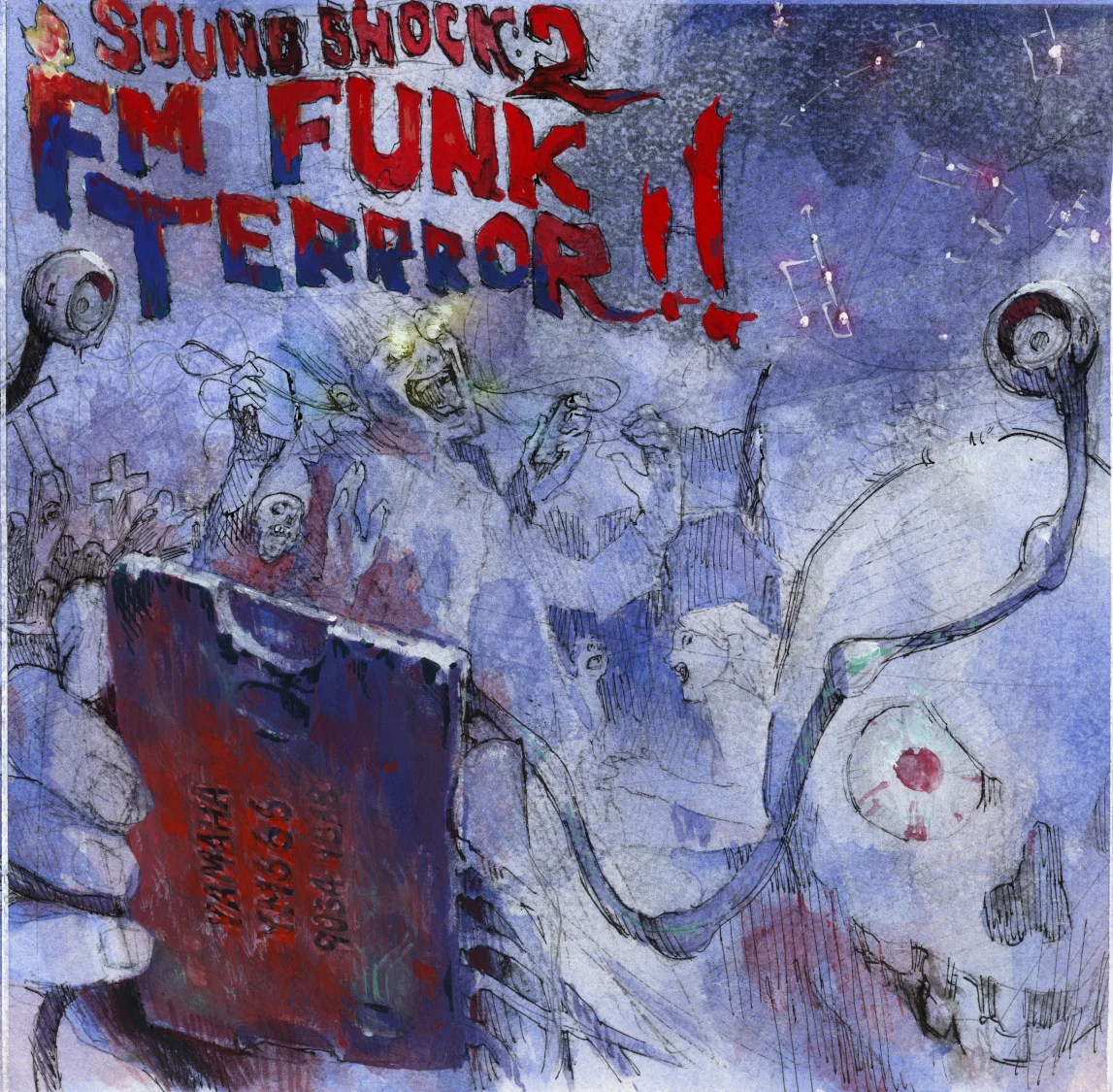
The SOUNDSHOCK series stands as a definitive cornerstone in the history of independent digital music, specifically within the niche of Frequency Modulation (FM) synthesis. What began as a nascent online forum in 2007 evolved into a multi-volume compilation project that bridged the gap between Western demoscene culture and the highly technical Japanese game music aesthetic. By 2017, the project had become a focal point for electronic musicians globally, cementing its legacy as a cultural bridge for artists who utilize legacy hardware and tracker-based software to push the boundaries of FM sound.
The Genesis of a Digital Movement: 2007–2010
The project’s origins trace back to 2007, when the composer known as zinger established the SOUNDSHOCK Forums. At that time, the internet was fragmented regarding specialized music production. While broad chiptune forums existed, there was a lack of a centralized, English-language hub for the technical discussion of FM synthesis—the complex process of modulating waveforms to create rich, bell-like, or metallic timbres famously utilized by the Yamaha YM2612 chip in the Sega Mega Drive/Genesis.
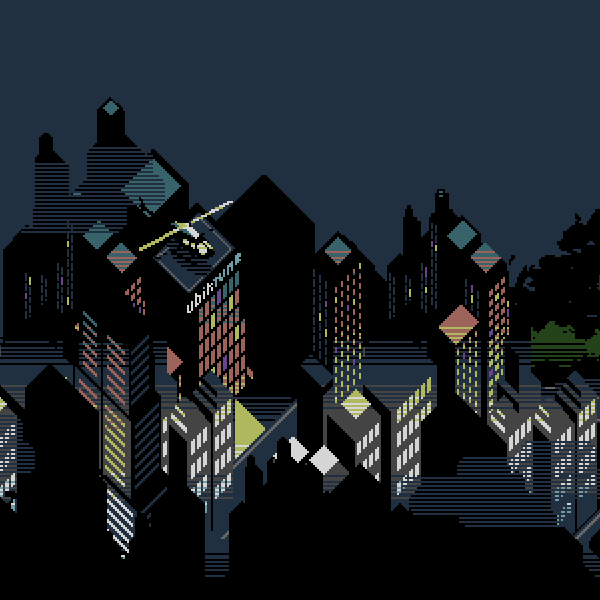
By 2010, the forum had matured into a fertile testing ground for composers. It was during this period that C-jeff, a key figure at the record label Ubiktune, approached zinger regarding a solo album project. However, the collaborative potential of the community proved to be a more compelling objective. The result was the formal launch of the SOUNDSHOCK compilation series. This shift from individual artistry to collective curation allowed for a more robust exploration of FM aesthetics, attracting talent that had previously worked in relative isolation.
Technical Foundations and Cultural Synthesis
The core mission of the SOUNDSHOCK series was to explore the "depths of computer and video game aesthetics." For the contributors, this was not merely a nostalgic exercise but a technical pursuit. FM synthesis is notoriously difficult to master; unlike subtractive synthesis, where a waveform is carved down, FM synthesis requires a deep understanding of operator algorithms, carrier-modulator relationships, and envelope control.
The community served as an essential resource for sharing "patches"—the pre-configured settings that define a synthesizer’s sound. Participants such as boomlinde have noted that the forum provided a "blessing" for a marginal hobby, allowing for the exchange of technical knowledge regarding MML (Music Macro Language) and custom FM software synthesizers. This technical rigor was balanced by a deep respect for Japanese VGM (Video Game Music) legends such as Keishi Yonao, whose work served as a primary inspiration for many Western composers who had spent their youth collecting obscure Japanese game hardware.

Chronology of Expansion
- 2007: Launch of the SOUNDSHOCK Forums, creating a primary hub for FM synthesis enthusiasts and tracker-based composers.
- 2010: Formal conceptualization of the SOUNDSHOCK compilation project following discussions between zinger and Ubiktune.
- 2011–2012: Period of rapid growth as the community successfully bridged the divide between Western demosceners and Eastern VGM composers. Notable cross-pollination occurs, evidenced by the inclusion of diverse artists like shogun, Utabi, zabutom, and Metal.
- 2013–2016: The series gains international recognition as a benchmark for high-quality FM-based electronic music, with tracks gaining traction on platforms like SoundCloud and VGMdb.
- 2017: The project reflects on its decade-long history, documenting the stories of its key contributors and the profound impact of the forum on the global FM music scene.
Case Study: The Discovery of New Talent
The story of "Bomb Boy" (Mattis) serves as a poignant example of how the SOUNDSHOCK ecosystem functioned as a talent incubator. In 2011, while working at a mobile game studio, Simon Stålenhag discovered that a colleague was composing professional-grade chiptune music in secret. Stålenhag, already an active member of the SOUNDSHOCK forums, recognized the caliber of the work and immediately facilitated an introduction to zinger.
This interaction led to the inclusion of Bomb Boy in the FM FUNK MADDNESS compilation. The event highlights a recurring theme within the SOUNDSHOCK community: the presence of "hidden geniuses" who, despite working in traditional industry roles, maintained a high-level creative output that only required a platform for dissemination. Stålenhag’s account underscores a broader trend where the SOUNDSHOCK compilations functioned as a catalyst, pulling isolated, hyper-talented individuals into a collaborative, global network.
Fact-Based Analysis: Why FM Synthesis Persists
The longevity of the SOUNDSHOCK project is rooted in the inherent flexibility of FM synthesis. Unlike sample-based music, which relies on recorded audio, FM synthesis is generative. This creates a "crystal clear, high-definition" aesthetic that remains timeless, even as technology evolves.

From an economic and artistic standpoint, the series represents a successful model of "community-as-a-label." By providing a space for technical troubleshooting, the forum effectively lowered the barrier to entry for complex music production. The resulting music—often characterized by intricate bass lines, staccato horn stabs, and harmonically dense melodies—demonstrates a high degree of compositional sophistication that stands in contrast to the often-repetitive nature of mainstream lo-fi chiptune.
Furthermore, the integration of both Eastern and Western sensibilities provided a unique competitive advantage. By aligning the technical precision of the Japanese game music scene with the experimental, often anarchic spirit of the Western demoscene, SOUNDSHOCK created a sound profile that was distinctly its own.
The Legacy of the Soundshock Community
As of early 2017, the influence of the original forums remains evident in the continued production of FM-focused compilations and the sustained activity on social media platforms. The project proved that a niche interest—specifically one involving the technical nuances of 1980s and 90s sound chip technology—could thrive in the digital age through curated community building.

The impact of SOUNDSHOCK extends beyond the music itself. It fundamentally altered the way many participants perceived their own creative process. Artists like boomlinde described a transition from a "trial-and-error" approach to a more systematic, hardware-inspired methodology. For others, the project provided a sense of belonging, connecting individuals who had previously communicated only through the names of obscure game composers and titles.
The series stands as a testament to the idea that digital communities, when focused on a singular, passionate pursuit, can transcend geographical and language barriers. By providing a structure for collaboration, the SOUNDSHOCK series successfully transformed a fragmented group of enthusiasts into a cohesive, historically significant musical movement. The project continues to serve as a benchmark for how independent, decentralized networks can preserve and advance technical art forms in the modern era. As the series moves into its next phase, it leaves behind a decade of data, music, and documented history that will undoubtedly inform the next generation of synthesizer enthusiasts and digital composers.