
 Vera Clarissa
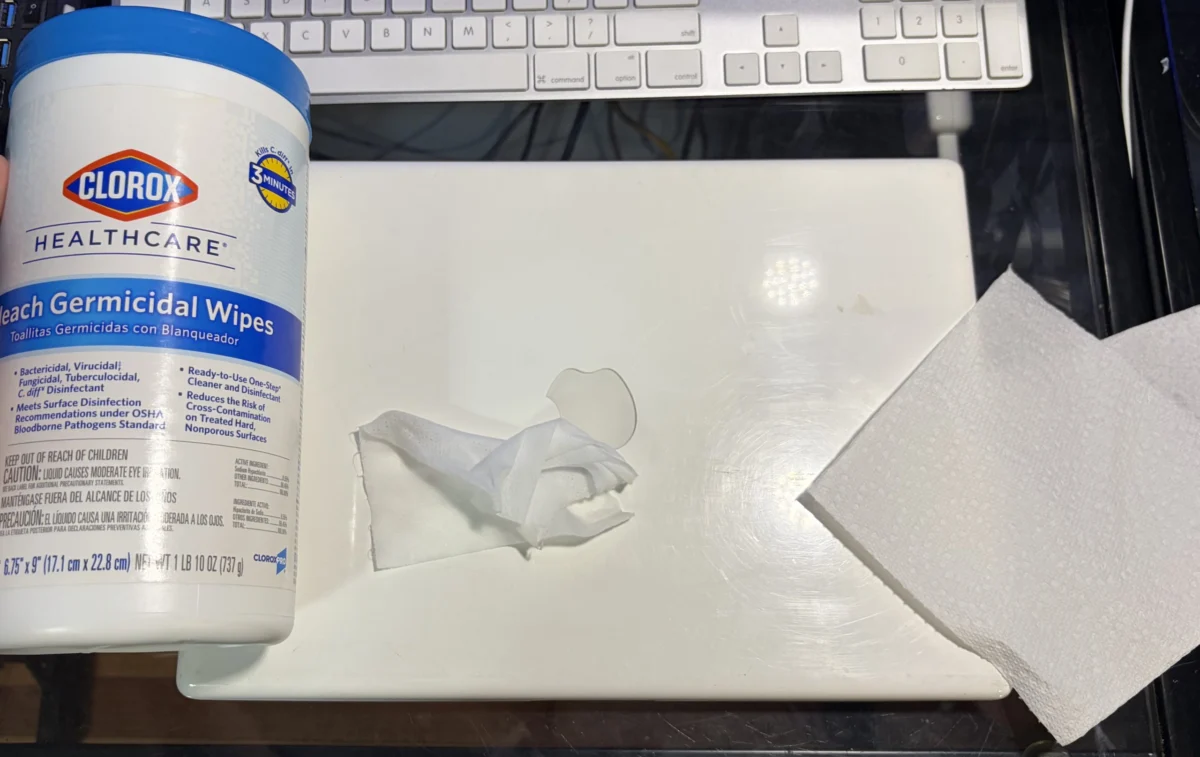
The Vintage Computer Festival (VCF) Midwest, held annually in the Chicago suburbs, serves as a premier gathering for enthusiasts, historians, and engineers dedicated to preserving the legacy of computing. Among the thousands of artifacts recovered from the event’s swap meets and vendor tables this year was a 1.83 GHz Intel Core Duo MacBook, a machine that marked Apple’s historic transition from PowerPC to Intel architecture in 2006. Purchased for a nominal $5 from the Wisconsin Computer Club’s parts bin, the device represented a challenge common among vintage hardware collectors: determining whether a long-dormant machine could be returned to functional status without significant financial investment.
Historical Context of the 2006 MacBook
The 2006 MacBook was a watershed moment for Apple, as it introduced the polycarbonate "white" design that would become iconic for the company throughout the late 2000s. Powered by the Intel Core Duo—a 32-bit architecture processor—these machines were limited in their software compatibility compared to later 64-bit iterations. At the time of its release, the device was marketed as a high-performance, accessible consumer laptop, featuring a 13.3-inch display and the integration of the Intel GMA 950 graphics chipset.

Because these machines utilize 32-bit architecture, they are officially capped at Mac OS X 10.6.8 Snow Leopard. This limitation has historically relegated these units to secondary status in the vintage community, as many modern web browsers and productivity applications require 64-bit operating systems and newer instruction sets. However, the emergence of community-led software projects has created new pathways for keeping these legacy systems operational.
Diagnostic and Physical Restoration
The initial phase of the restoration process focused on the unit’s physical integrity and power delivery. Despite minor cosmetic flaws—including surface-level scratches and plastic degradation near the keyboard assembly—the chassis remained structurally sound. The device’s internal hardware was surprisingly robust, though it required immediate attention to the display subsystem.
Initial power-on attempts revealed significant screen artifacting, a common issue for laptops of this vintage caused by oxidation or mechanical stress on internal connectors. By reseating the LVDS (Low-Voltage Differential Signaling) connector—the standard interface for laptop internal displays—the visual output was fully restored.
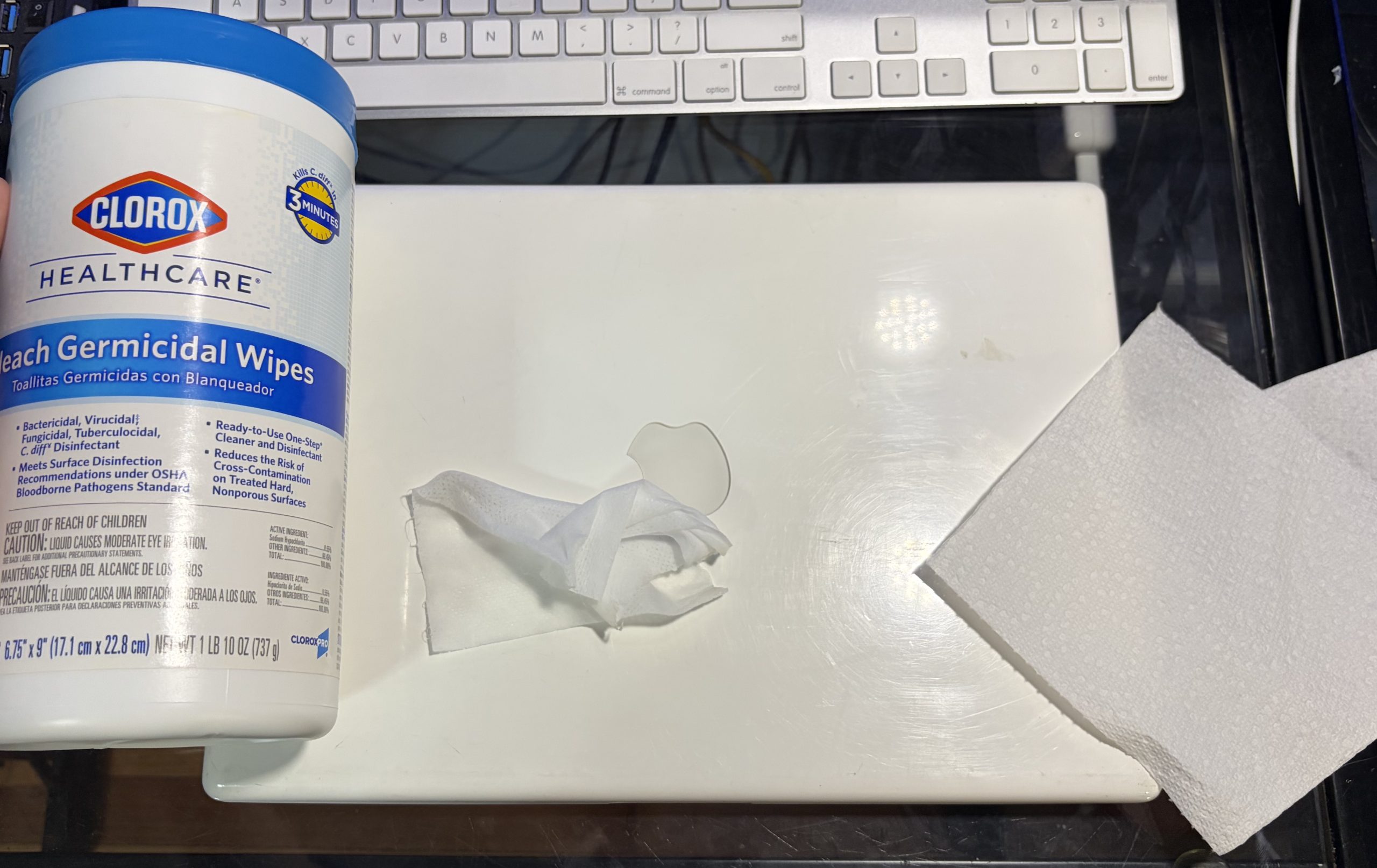
Maintenance of the internal components required a thermal management update. The original factory thermal compound had become desiccated and brittle, a common failure point for machines approaching two decades of age. Replacing the old thermal paste with a high-performance alternative, such as Arctic MX-4, is a critical step in preserving the lifespan of the Intel Core Duo processor, as it ensures efficient heat transfer to the heat sink, preventing thermal throttling or premature hardware failure.
Software Challenges and the Quest for Modern Utility
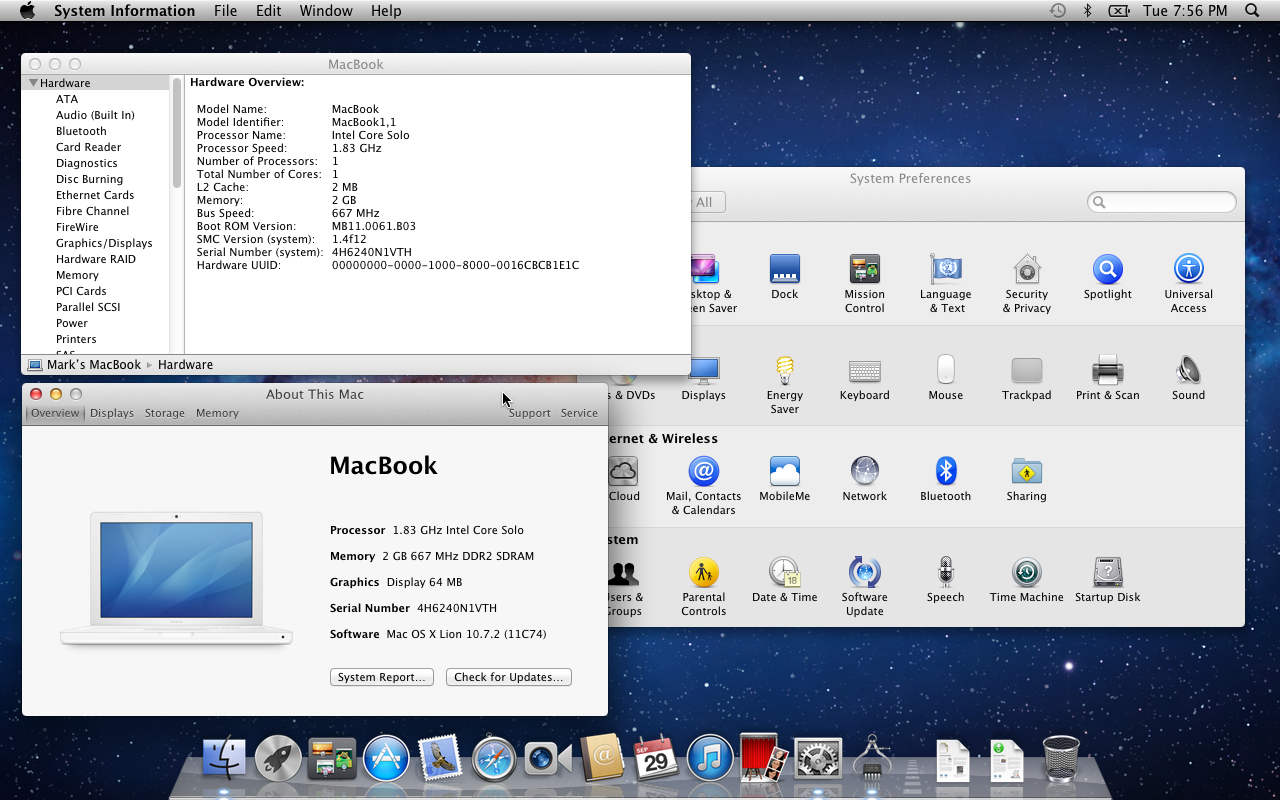
While the machine was successfully brought back to a functional state, the objective shifted toward optimizing the software environment. The primary hurdle for a 32-bit machine in a 64-bit digital ecosystem is the inability to run modern web browsers. To address this, the restoration team experimented with installing Mac OS X 10.7.2 Lion.
The installation process was not straightforward. Standard deployment methods, including Carbon Copy Cloner 4, resulted in a boot failure indicated by the "prohibitive sign" (a circle with a slash). Technical analysis suggested a mismatch in the firmware or bootloader requirements. However, by employing specific installation procedures documented by the MacRumors enthusiast community, the machine was successfully forced into an environment that triggered an automated, silent firmware update. This sequence allowed the system to boot successfully into Mac OS X 10.7.2, specifically using a rare build (11C74).
The Role of Community-Led Software Development
A pivotal factor in the usability of this 2006 MacBook is the "PowerFox" browser. PowerFox is a community-developed, 32-bit web browser designed specifically to bridge the gap for legacy Apple hardware. It allows users to access contemporary web standards that are otherwise inaccessible via the native, outdated Safari versions included with OS X Lion.
During testing, the browser initially failed to launch, displaying only a black screen. This was traced back to the Intel GMA 950’s struggle with hardware acceleration in the Lion environment. By disabling hardware-accelerated rendering in the browser’s settings, the application became stable. While performance remains modest—struggling with high-bandwidth video content like YouTube—the machine is capable of rendering basic web pages, including Google and technical documentation portals, with sufficient speed for light productivity tasks.
Implications for Vintage Computing
The successful restoration of this MacBook carries broader implications for the field of electronic preservation. First, it demonstrates the vital role of third-party software. Without the development of browsers like PowerFox, the "digital utility" of early Intel-based MacBooks would be near zero, effectively turning them into e-waste.

Second, it highlights the importance of hardware modularity. The ability to replace the 80 GB mechanical hard drive with a modern solid-state drive (SSD) and upgrade the RAM to 3 GB remains a viable path for improving performance. These upgrades are relatively inexpensive, suggesting that even the most "obsolete" machines can serve as functional, albeit limited, computing tools in a modern home office or hobbyist environment.
Chronology of the Restoration Project
- September 2026: Acquisition of the unit at VCF Midwest from the Wisconsin Computer Club.
- Initial Triage: Verification of power-on status; diagnostic of screen artifacting; cleaning of the polycarbonate shell.
- Hardware Maintenance: Application of new thermal interface material to the Intel Core Duo CPU.
- Software Deployment: Failed attempts at standard OS cloning followed by the successful deployment of a customized Mac OS X 10.7.2 image.
- Firmware Stabilization: Successful execution of a silent firmware update via Verbose boot mode.
- Software Optimization: Configuration of PowerFox browser to bypass hardware acceleration limitations of the GMA 950 chipset.
Future Outlook and Strategic Enhancements
The restoration project is currently in its intermediate stage. While the machine is operational, the lack of an original battery and the use of a legacy mechanical hard drive limit its mobility and responsiveness. The next phase of the project involves the installation of a SATA-based SSD, which is expected to drastically reduce boot times and improve the responsiveness of the file system. Furthermore, maximizing the RAM to 3 GB—the functional ceiling for this particular chipset—is necessary to provide enough overhead for the PowerFox browser to manage multiple tabs effectively.
The persistence of these early Intel MacBooks serves as a case study for the longevity of consumer electronics. While Apple’s support lifecycle for these devices ended well over a decade ago, the hardware remains physically capable of performing basic computational tasks. Through the intersection of hardware maintenance—such as replacing thermal paste and display cables—and community-driven software development, these machines avoid the scrap heap, maintaining a connection to the mid-2000s computing era. The project underscores that with the right combination of patience, technical knowledge, and niche software tools, the life of legacy technology can be significantly extended, fostering a sustainable approach to computing history.







