
 Vera Clarissa
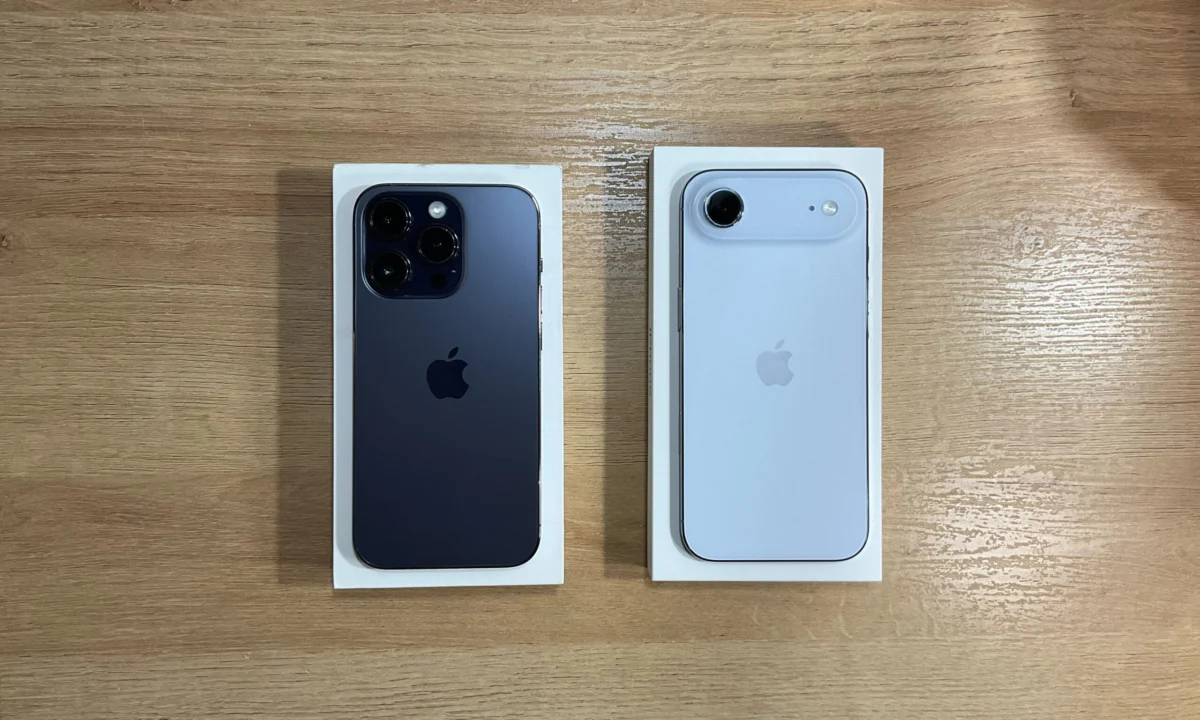
The consumer electronics landscape has shifted significantly this autumn as Apple deviates from its traditional "all-at-once" product launch cycle. With the new iPhone Duo hitting retail shelves on the 22nd and the iPhone 18 Pro and Pro Max having been unveiled midway through last month, the Cupertino-based company is signaling a transition toward a staggered, multi-phase hardware rollout. This shift stands in stark contrast to the singular September keynote events that defined the company’s trajectory for over a decade. While enthusiasts continue to speculate on the forthcoming iPhone Air and iPhone 17 refreshes—now projected for a Spring 2027 arrival—the current market focus remains firmly on the flagship Pro series and the unique positioning of the Duo.
A Chronology of Apple’s Release Strategy
Historically, Apple synchronized its hardware and software updates to create a singular, unified narrative each autumn. By consolidating the launch of its entire iPhone lineup, the company effectively optimized its supply chain and marketing efforts. However, the introduction of the iPhone 18 Pro and Pro Max in mid-September, followed by the secondary launch of the iPhone Duo, marks a departure that analysts suggest is designed to manage high-end manufacturing demand while smoothing out seasonal revenue fluctuations.

This fragmentation of the release schedule also reflects the growing diversity of the iPhone user base. As the technology matures, Apple is no longer targeting a monolithic "average user." Instead, it is segmenting its offerings into distinct categories: the Pro series for high-end productivity and creative workflows, the Air line for users prioritizing industrial design and form factor, and the Duo for consumers seeking a balanced mid-tier value proposition. This strategy allows the company to sustain public interest throughout the fiscal year rather than concentrating demand into a single, high-pressure quarter.
Performance Benchmarks and Hardware Evolution
The transition from the A16 Bionic to the A19 chip architecture has fundamentally altered the performance expectations of the average smartphone user. While earlier generations of iPhones saw incremental, often negligible, gains in raw processing power, the A19 chip represents a significant leap in efficiency and computational capacity. This evolution has rendered the internal specifications of non-Pro models, such as the iPhone Air, surprisingly competitive with older Pro devices.
Data indicates that even for power users who previously relied on the advanced capabilities of the 14 Pro, the performance delta between the current Air and the 14 Pro is minimal in daily tasks. The shift toward higher structural rigidity and improved materials has also changed the user experience regarding physical protection. During the 2010–2014 era, marked by devices like the Motorola Droid and early iPhones, the necessity of bulky, ruggedized cases was a foregone conclusion. Today, the integration of aerospace-grade alloys and refined glass-ceramic composites has allowed users to move toward slimmer, more aesthetic protection without sacrificing device integrity.

The Impact of Camera Segmentation
One of the most profound points of contention for users migrating from the Pro series to thinner, lighter devices is the camera array. The loss of the Ultra Wide lens and the degradation of natural bokeh depth are frequently cited as the primary trade-offs for a more portable design. For photographers who utilized the multi-lens versatility of the 14 Pro, adapting to a single-lens system requires a fundamental change in technique.
From an engineering perspective, this segmentation is deliberate. Apple’s image signal processors (ISP) now perform significant computational heavy lifting to compensate for hardware limitations. However, as independent tests suggest, software-driven solutions—while highly sophisticated—cannot always replicate the optical depth and color range afforded by the triple-lens arrays found in the Pro and Pro Max models. For the professional user, this remains a key differentiator that ensures the Pro series maintains its status as the pinnacle of the Apple smartphone ecosystem.
Battery Longevity and Software Optimization
The longevity of modern smartphone batteries has become a critical metric for long-term ownership. Following a full year of rigorous daily use, the iPhone Air demonstrates that efficiency gains at the chipset level are effectively offsetting the physical limitations of thinner battery chassis. Current data points reveal that the Air maintains approximately 94% of its maximum capacity after 297 charge cycles spanning 389 days.

This endurance is heavily dependent on the underlying software. Insights from iOS 26 indicate that users who manage background processes—specifically those related to machine learning and "Apple Intelligence" features—can significantly extend their daily uptime. For the power user, this creates a dilemma: do they enable the latest AI-driven features at the cost of battery life, or do they prioritize longevity? As Apple moves toward iOS 27, the industry is watching to see how the company further optimizes power consumption. The current fast-charging standard, which provides a 50% charge in approximately 30 minutes using a 20-Watt adapter, remains the industry benchmark, providing a critical safety net for users who engage in intensive tasks like mobile gaming, video conferencing, or emulation.
Economic and Market Implications
The decision to stagger the launch of the iPhone Duo and the iPhone 18 Pro has broad implications for the secondary market and consumer behavior. Historically, the release of a new iPhone model would lead to a predictable depreciation of older devices. By spacing out the release of the Air and the 17, Apple is effectively creating a "rolling upgrade" cycle. Consumers are no longer tethered to a singular September purchase date, allowing for more flexible financial planning and potentially higher total sales volume throughout the year.
Furthermore, industry analysts have noted that this approach mitigates the supply chain volatility that previously plagued early autumn launches. By spreading production across different periods, Apple can better navigate global logistics challenges and material shortages. This strategic buffer is essential as the complexity of manufacturing high-density, low-profile hardware continues to increase.

The Future of the "Air" Concept
Looking toward the Spring 2027 refresh, the "Air" branding is expected to focus heavily on the intersection of industrial design and user-centric ergonomics. The success of this product line serves as a barometer for whether users are truly willing to sacrifice "Pro" features—like telephoto zoom or advanced LiDAR arrays—in favor of a device that is unobtrusive and lightweight.
The current consensus among tech industry observers is that the iPhone ecosystem has reached a plateau of "good enough." For the vast majority of consumers, the hardware improvements offered by the latest Pro models are supplemental rather than transformative. Consequently, the value proposition of the iPhone Air is likely to grow in the coming years, provided that Apple continues to maintain its high standards for build quality and long-term software support.
Conclusion: A New Era for Apple Hardware
As we look past the excitement of the iPhone 18 Pro and the introduction of the iPhone Duo, the broader takeaway is clear: Apple’s strategy is evolving from a single, high-octane event to a continuous, year-round engagement model. This reflects a more mature market where consumer needs are highly individualized. By offering a diverse range of hardware, each with specific strengths—whether it be the rugged, powerful Pro series or the sleek, minimalist Air—Apple is effectively insulating itself against the risks of a stagnant market.

The challenge moving forward will be to maintain the "halo effect" that made the September keynotes such a cultural touchstone. While the staggered release model offers undeniable logistical and economic advantages, the company must ensure that its product messaging remains cohesive. As users continue to navigate the tradeoffs between camera performance, battery life, and form factor, the success of the current lineup will ultimately depend on whether the software experience can continue to bridge the gap between hardware limitations and user expectations. For now, the iPhone 18 Pro and its counterparts remain the gold standard, even as the market looks toward the spring with anticipation for what the next generation of Apple’s engineering will deliver.







