Cecilia Chamidah Nur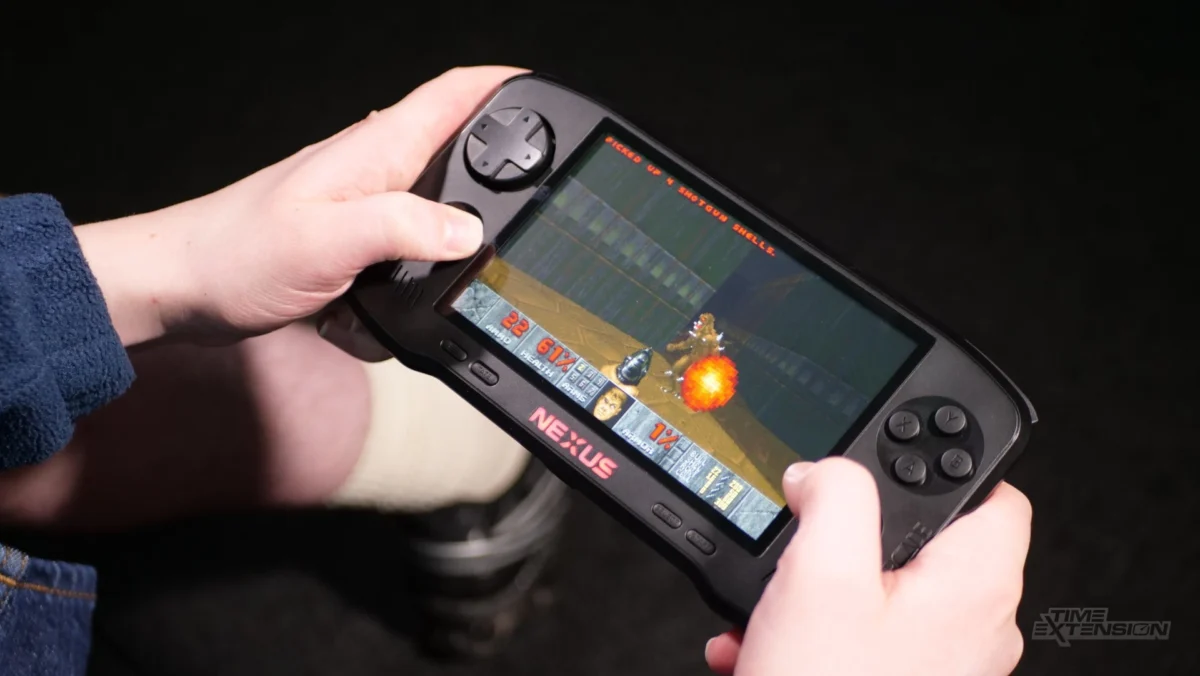
The landscape of retro gaming continues to evolve rapidly, characterized by a complex intersection of hardware preservation, modern emulation advancements, and the contentious integration of artificial intelligence in software development. This week has seen a flurry of announcements, ranging from the revival of iconic 1980s computing hardware to significant debates regarding the ethics of AI-assisted recompilation. As the community balances the preservation of original experiences with the convenience of modern technical solutions, the following report details the most critical developments impacting the industry.
The Controversy Surrounding AI in Classic Software Porting
The practice of using generative AI to facilitate software porting has become a central point of contention within the retro development scene. Recent discussions have centered on the PC port of the Sega classic Daytona USA. The developer behind the project, known as Alphanu1, has publicly addressed concerns regarding the transparency of their development methodology.
In a statement to industry observers, Alphanu1 clarified that the use of AI was never intended to be obfuscated. With a career spanning over two decades, the developer noted that while many traditional projects were completed without automated assistance, the current AI landscape provides tools that significantly accelerate technical workflows. According to Alphanu1, tasks that previously required months of manual engineering can now be accomplished in weeks, provided the technology is applied with professional rigor. Despite this, the broader community remains divided. Critics argue that relying on AI recompilation—often referred to as "AI recompilation" or "AI recomps"—risks degrading the quality of ports and undermines the manual labor that has historically defined the hobbyist scene. This tension was further highlighted at the recent Plau Expo, where industry veterans, including The Oliver Twins, faced public scrutiny regarding their use of AI in a project involving the Dizzy series, prompting a wider discourse on the ethics of machine-generated code in legacy gaming.
Hardware Evolution: From FPGA Consoles to 8-Bit Revivals
Hardware preservation and modernization remain the bedrock of the retro gaming market. A significant development this week is the partnership between Plaion and Retro Games Ltd. to resurrect the Atari 800XL. Originally released in 1983, the 800XL was a seminal 8-bit computer that captured a substantial market share during the home computer boom. The upcoming "faithful recreation" is expected to feature a full-sized mechanical keyboard and a functional cartridge slot, while integrating modern HDMI connectivity to ensure compatibility with contemporary displays. This follows the company’s recent work on the Neo Geo AES+ hardware, signaling a trend toward high-fidelity reproductions of classic consoles.
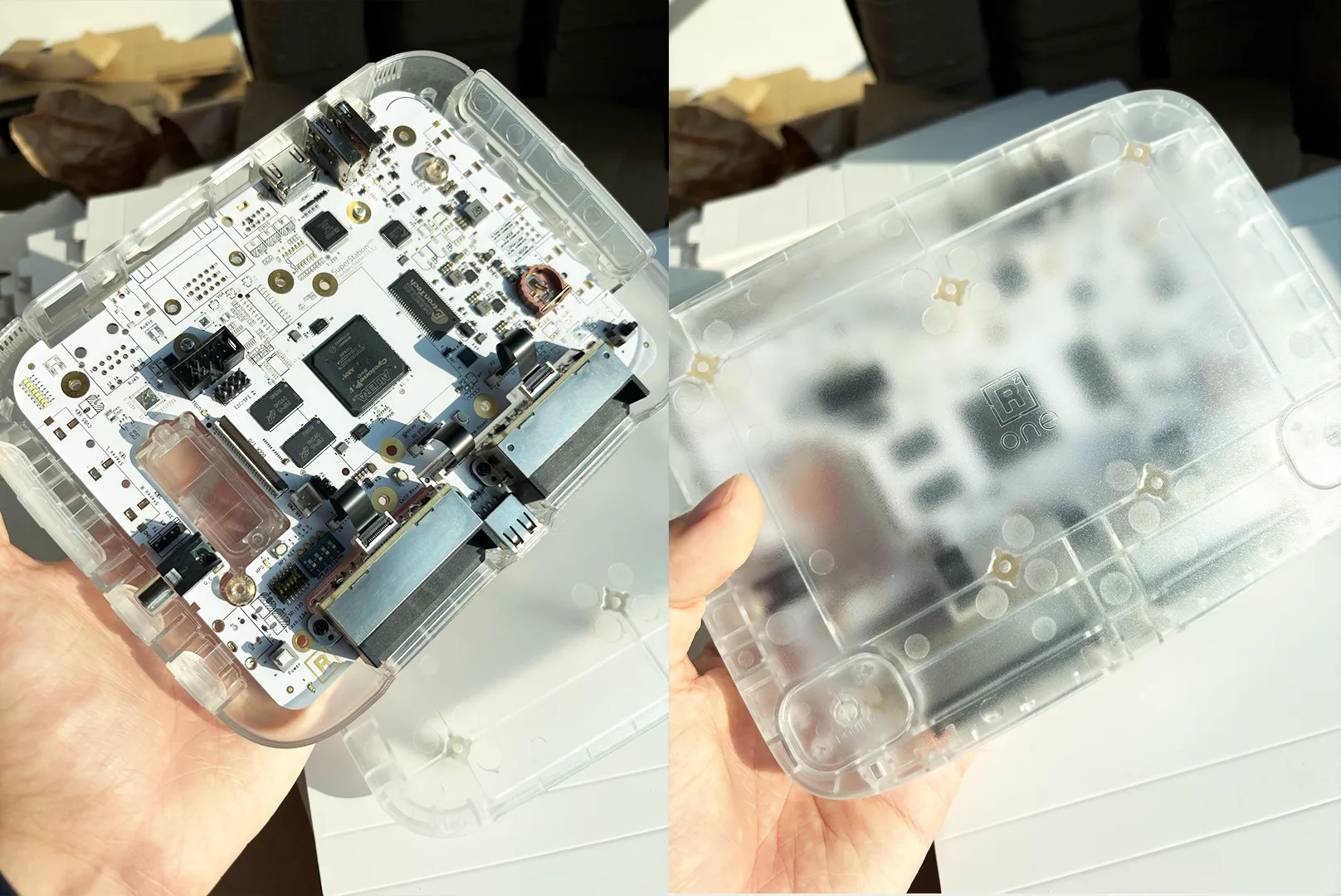
Simultaneously, the FPGA (Field Programmable Gate Array) market is experiencing a surge in activity. Taki Udon, the creator behind the SuperStation line, has teased a new FPGA project codenamed "SSNT/SuperFPGA," which is widely expected to be a hardware-accurate SNES emulator. This follows the launch of the SuperStation Memory Card (SSMC), a versatile peripheral that supports Game ID display and compatibility with advanced firmware environments like FreePSXBoot and OPL. These developments suggest a maturation of the FPGA market, where creators are moving beyond basic emulation toward highly integrated, user-friendly ecosystems.
Essential Updates and Maintenance for Niche Hardware
Beyond new hardware releases, the maintenance of existing enthusiast devices remains a critical priority. Panic, the manufacturer of the Playdate handheld, has issued an urgent advisory for all owners. Users must update their console firmware prior to October 15, as the Secure Certificate for older versions is set to expire on that date. Failure to perform this update will result in the hardware losing the ability to connect to official Playdate servers, effectively isolating the devices from online services and content delivery. This serves as a reminder of the fragility of internet-connected retro hardware, where server-side dependencies can render functional physical devices obsolete if manufacturer support lapses.
Literature and Critical Reflection in Gaming History
As the industry looks forward, it is also investing heavily in documenting its past. Bitmap Books has released The Arcade 1971–1999, a comprehensive volume written by veteran journalist Paul Drury. The book features a foreword by Atari founder Nolan Bushnell and serves as an encyclopedic look at the evolution of the coin-op industry. By chronicling the creation stories of titles such as Space Invaders, Street Fighter II, and Metal Slug, the book provides necessary historical context for the games that built the foundation of modern interactive entertainment.
Similarly, the creative team behind the avant-garde PlayStation title Vib-Ribbon has recently provided fresh reflections on the game’s development. The project, which was famously difficult to greenlight due to its abstract nature and unique music-syncing mechanics, remains a case study in experimental design. These retrospectives are vital for the preservation of the industry’s "creative DNA," ensuring that the unconventional methodologies of the 1990s are not lost to time.
Market Analysis: The Rise of the Evercade Nexus
The console market continues to see steady growth, with the launch of the Evercade Nexus marking a potential turning point for the brand. Since its inception six years ago, the Evercade family has diversified through various hardware iterations, including the Evercade Alpha bartop unit and the Super Pocket handheld. The Nexus, however, represents a more significant architectural shift. The inclusion of high-profile titles such as Banjo-Kazooie in the current software rollout is being viewed by analysts as a strategic masterstroke, intended to bridge the gap between casual retro enthusiasts and the hardcore collecting community.
Broader Implications and Industry Trends
The cumulative effect of these developments points toward a bifurcated industry. On one side, there is a push for "perfect" hardware replication, as seen with the FPGA efforts from the SuperStation team and the Atari 800XL revival. These projects aim for cycle-accurate precision, satisfying a demographic that prioritizes historical fidelity above all else. On the other side, the industry is grappling with the rapid integration of AI-assisted development tools. While these tools promise increased efficiency, the pushback from developers regarding the "harm" being done to the scene suggests that the community is not yet ready to embrace automated solutions at the expense of manual craftsmanship.
Furthermore, the vulnerability of connected devices, highlighted by the Playdate certificate expiration, underscores a growing concern for long-term archival. As more "retro" devices integrate online features, the window for preservation becomes smaller. The reliance on centralized servers means that even if the hardware remains intact, the software experience is subject to the lifespan of the manufacturer’s support infrastructure.
In summary, the state of the retro gaming industry is one of transition. From the preservation of arcade history through high-end publishing to the ongoing debate over the role of artificial intelligence in recompilation, the community is actively defining the terms of its own future. As developers and manufacturers navigate these technical and ethical challenges, the focus remains on sustaining the legacy of classic gaming while adapting to the demands of a modern digital environment. The coming months will likely see further consolidation in the FPGA space and continued friction regarding the standard of "AI-assisted" software development, both of which will dictate the trajectory of the retro market for the foreseeable future.