 Vera Clarissa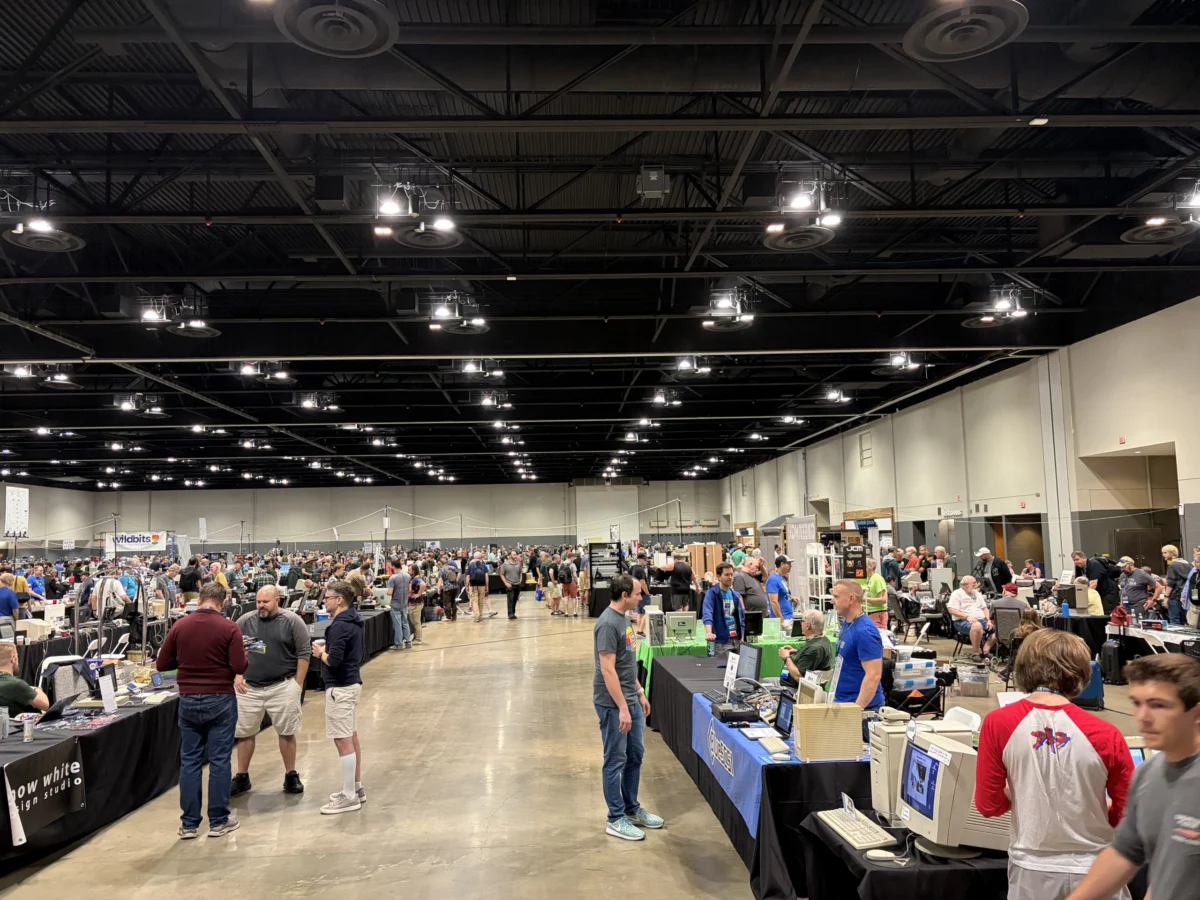
The Vintage Computer Festival (VCF) Midwest, held annually, serves as a focal point for the preservation of computing heritage, bringing together hardware enthusiasts, historians, and industry figures to document the evolution of digital technology. Following the initial overview of the event’s opening activities, the second segment of this report examines the specialized exhibits, rare hardware demonstrations, and key community interactions that defined the weekend’s technical proceedings. As the event progressed, the focus shifted from general historical appreciation to granular examinations of niche hardware, including Apple’s early graphical user interfaces, specialized cross-platform compatibility peripherals, and the architectural legacy of Silicon Graphics (SGI) workstations.

The Apple Ecosystem: From Lisa to Intel
A significant portion of the exhibition space was dedicated to the progression of the Apple ecosystem. For many attendees, the opportunity to interact with the Apple Lisa provided a necessary bridge between early command-line interfaces and the modern desktop metaphor. Launched in 1983 at a retail price of $9,995, the Lisa was a commercial failure due to its prohibitive cost, yet it introduced foundational concepts such as overlapping windows and a mouse-driven interface. Observing the Lisa’s graphics load in real-time offered a stark reminder of the computational limitations inherent in 1980s-era Motorola 68000 microprocessors.
Complementing this were displays featuring the MacCharlie, a peripheral manufactured by Dayna Communications that enabled Macintosh 128K and 512K models to run MS-DOS software. The device, which required an external breakout box to interface with the Mac, represents a rare moment in computing history where the closed ecosystem of Apple was forcibly integrated with the IBM PC standard. The presence of such peripherals in a preserved, functional state illustrates the lengths to which early enterprise users would go to reconcile the fragmented software landscape of the mid-1980s.

Further displays curated by community figures, such as those by Mac84, highlighted the development phase of the Macintosh platform. A Power Mac 7100/80 was exhibited running internal System 7.0 beta software, complete with developer release notes. These artifacts provide invaluable primary source data for historians studying the iterative development cycles of Apple’s operating systems.
Hardware Interoperability and Professional Computing
Beyond standard consumer hardware, the event highlighted the complex world of professional workstation computing. Silicon Graphics (SGI) machines, particularly the Tezro model, occupied a prominent position. SGI workstations, once the industry standard for high-end 3D rendering and visual effects—responsible for the digital imagery in films such as Jurassic Park—are increasingly being rediscovered by collectors. The Tezro’s ability to perform real-time graphical rendering that still appears sophisticated by modern standards serves as a case study in how specialized hardware architecture can outperform general-purpose computing for decades.

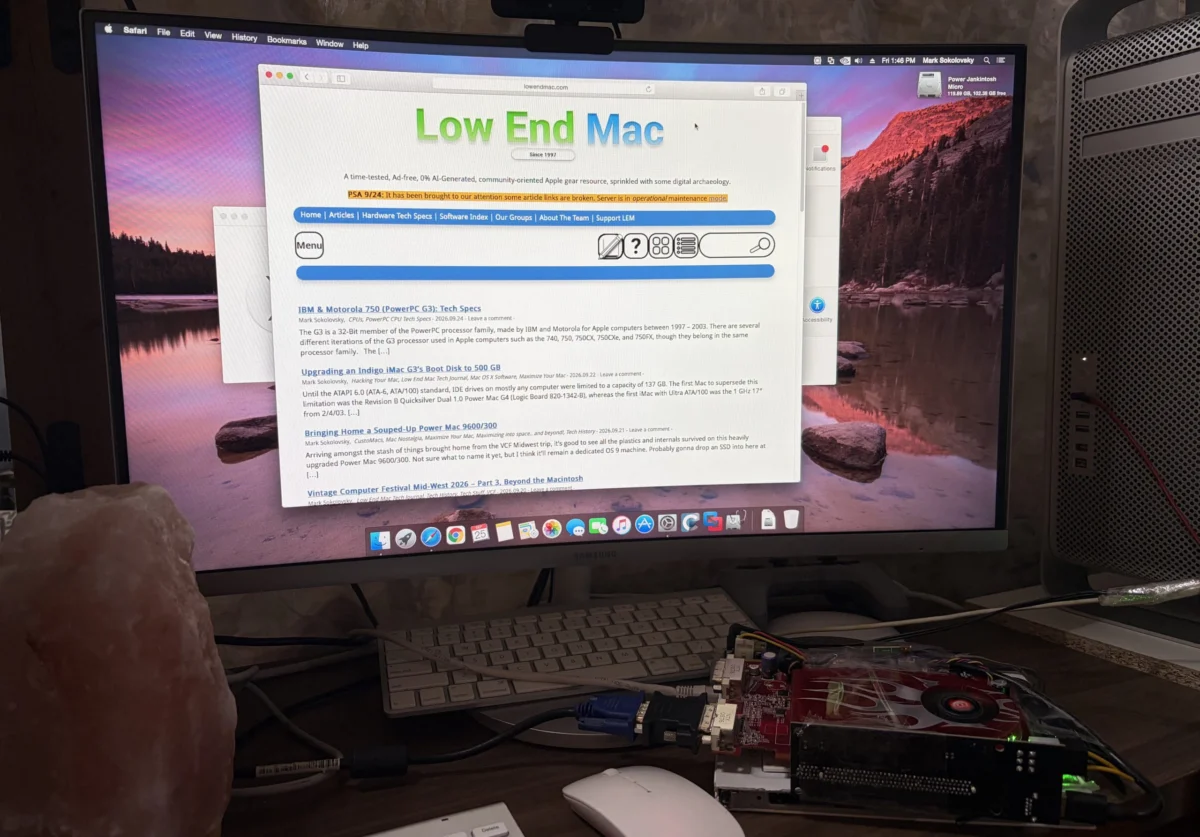
Parallel to this, the exhibition featured the Orange PC 660 Windows compatibility card housed within a Power Mac G4. These cards were essential for professional environments that required the creative capabilities of the Mac platform alongside the specific industry-standard software of the Windows/DOS environment. The presence of these cards at the event underscores the historical reliance on hardware-based virtualization before software-based solutions became efficient enough to replace them.
Community Collaboration and Expert Engagement
VCF Midwest serves as a hub for the documentation of technical expertise, facilitating meetings between developers, preservationists, and the broader user community. Interaction with notable figures in the field, such as Collin Mistr (known as DosDude1), underscored the shift toward modernizing legacy hardware. His demonstrations of prototype iPod touch units and Sony pocket PCs running modern operating systems represent a growing trend in the community: the "restomodding" of vintage technology to keep it functional in an era of cloud-based services and modern networking.

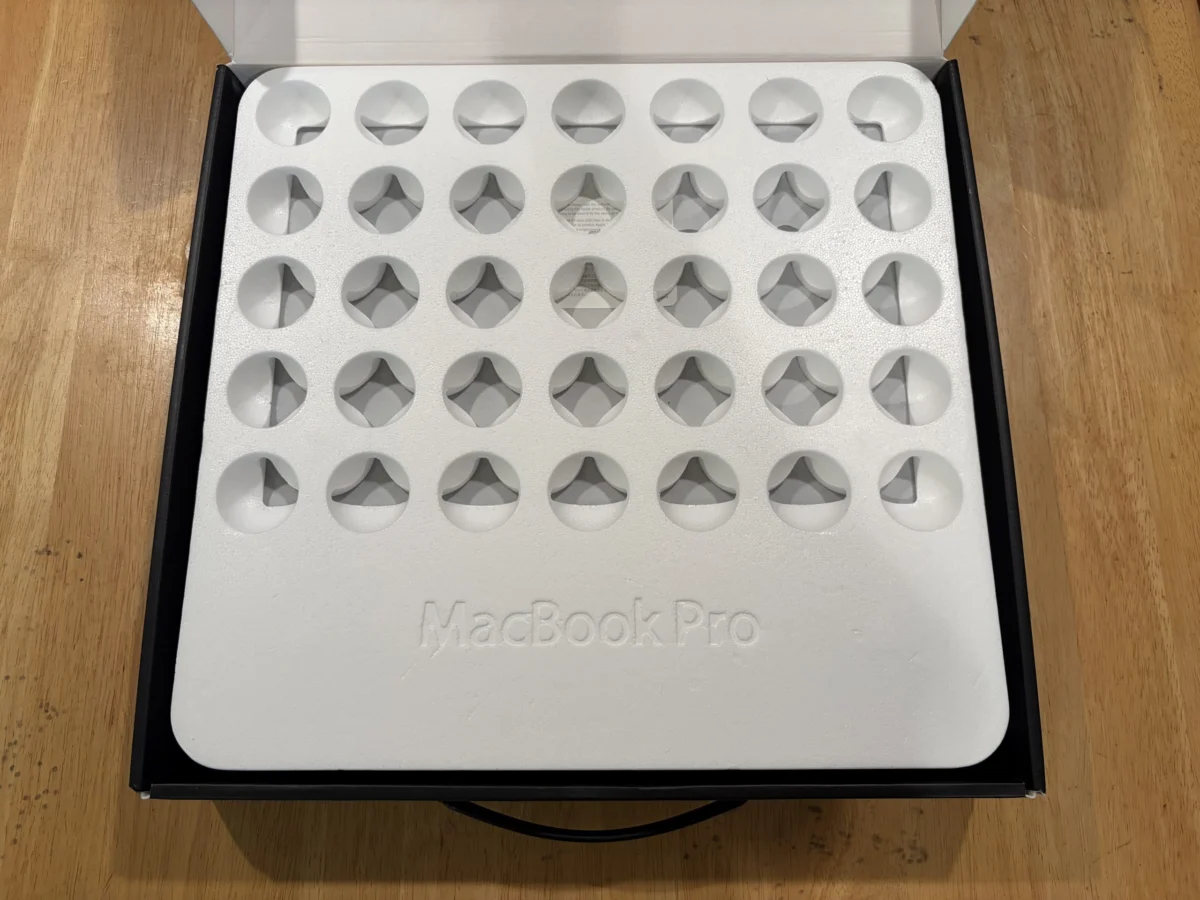
Similarly, the intellectual contribution of contributors like Superstar64, who provided a comprehensive timeline of Intel-based MacBooks, allowed for a comparative analysis of industrial design. By displaying the progression from the first Core Duo models in 2006 through the final TouchBar iterations, the exhibit provided a visual timeline of the thermal and ergonomic challenges Apple faced during its transition to Intel architecture.
Failure Analysis: The Fragility of Vintage Hardware
Not all aspects of the event were curated; the inherent fragility of vintage electronics was on full display. A notable incident involving the catastrophic failure of a Samsung EDO/EGA CRT monitor served as a practical reminder of the risks associated with operating hardware that is several decades old. When the monitor’s power supply failed, resulting in smoke emission, it sparked an impromptu discussion among attendees regarding the necessity of "recapping"—the process of replacing aging electrolytic capacitors that are prone to leaking or exploding due to chemical degradation. Such events are increasingly common at vintage expos, highlighting the urgent need for systematic documentation and repair protocols before the pool of functional hardware shrinks further.

The Virtual Boy and Experimental Design
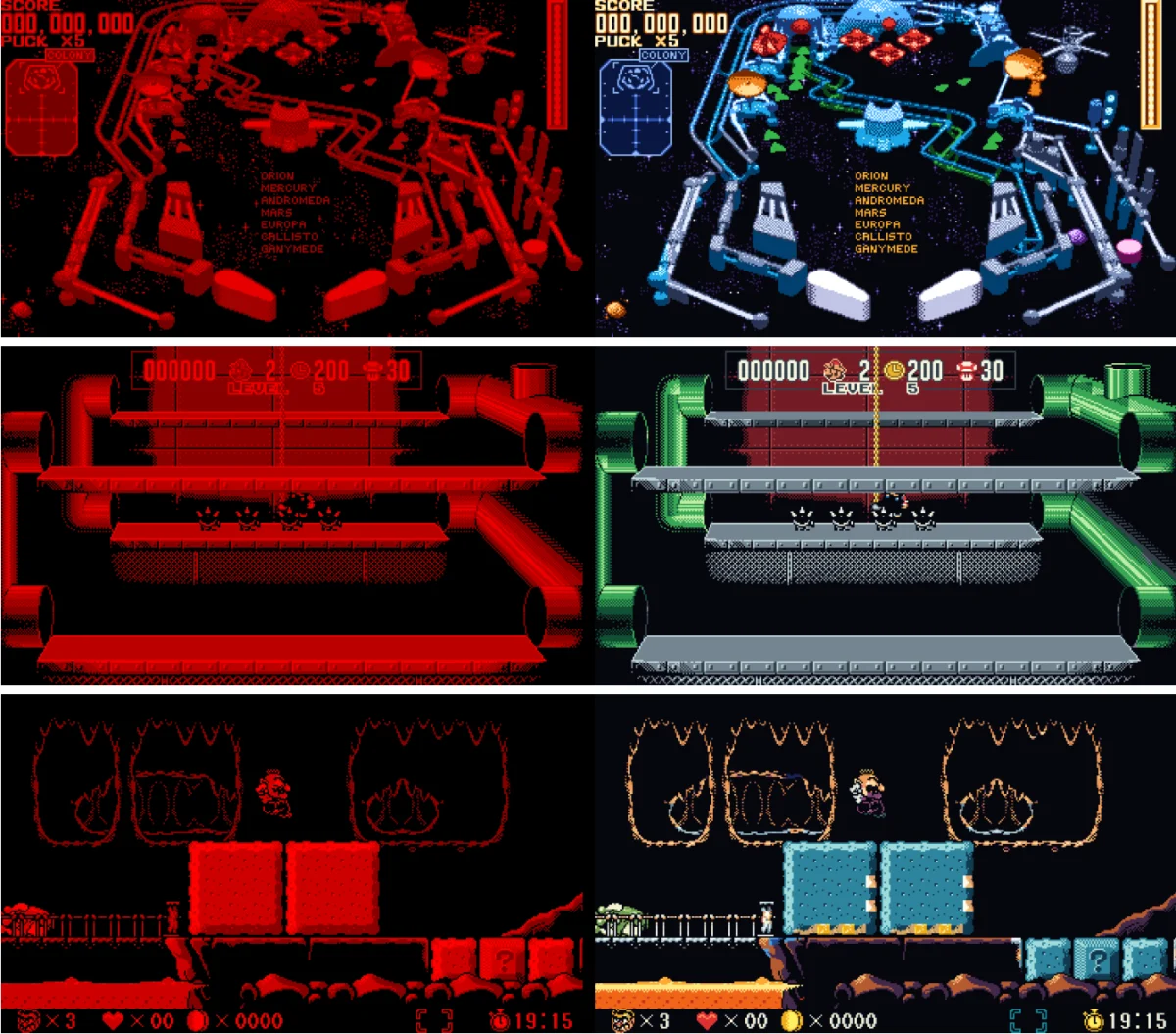
The Nintendo Virtual Boy (1996) was presented as a case study in the limitations of early immersive technology. With its monochrome red-and-black display and simulated 3D depth-of-field, the console is often cited as a cautionary tale in consumer electronics. Attendees experiencing the device noted that while the stereoscopic parallax effects were conceptually ahead of their time, the hardware’s inability to manage sound frequency—which often resulted in auditory dissonance—and the lack of head-tracking contributed to significant user discomfort. This analysis aligns with academic critiques of the period, which note that the Virtual Boy failed not necessarily due to a lack of innovation, but because the hardware could not sustain a comfortable user experience for more than a few minutes.
Broader Impact and Future Preservation
The breadth of devices showcased at VCF Midwest, ranging from the Macintosh Portable and eMate 300 to various Apple Newton MessagePads and the Twentieth Anniversary Macintosh (TAM), illustrates the diversity of Apple’s experimental phase in the 1990s. Many of these devices were market failures at their time of release, yet they represent the foundational research and development that informed modern mobile computing.

The logistical challenges of maintaining these devices were also highlighted by the presence of a Mac Pro 3,1, which served as a reminder of the physical sensitivity of older tower designs. The propensity for these machines to reboot upon minor physical vibrations is a known hardware quirk that underscores why professional-grade preservation requires dedicated, stable environments.
As VCF Midwest continues to grow, the importance of these gatherings cannot be overstated. By moving beyond mere nostalgia, the event provides a venue for technical knowledge transfer. Whether it is the restoration of an AirPort Extreme base station or the troubleshooting of PowerBook 165 power circuits, the documentation occurring at these tables is the only thing preventing these technological milestones from being lost to time. The event remains a vital resource for anyone interested in the trajectory of the computing industry, demonstrating that the history of technology is not just about what was built, but about how those machines continue to influence the architectural and design decisions of the present day.

The concluding segment of this report, to be featured in Part 3, will analyze the final day of the festival, including the closing keynote addresses and the long-term strategic plans for the organization’s growing archive of digital history.