 Vera Clarissa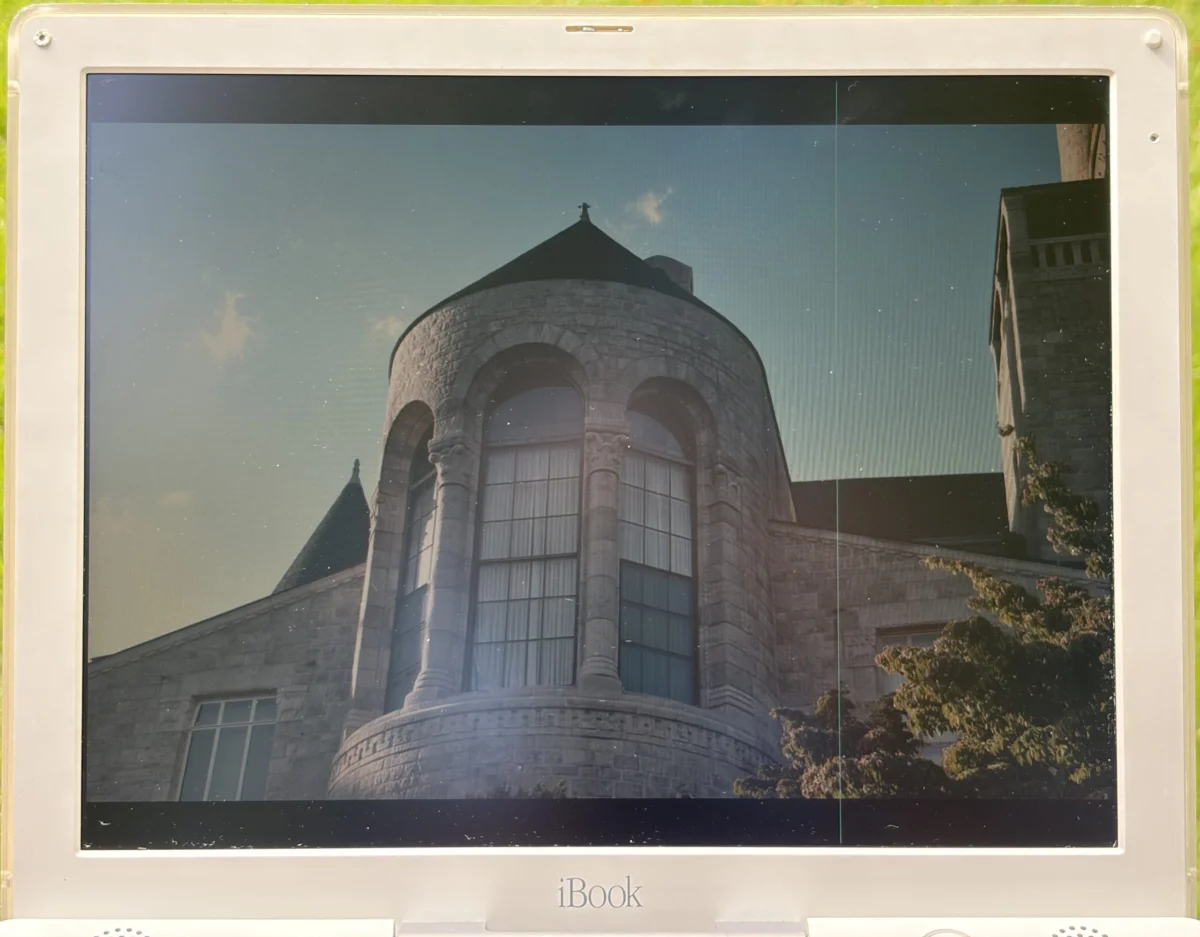
The rapid evolution of digital photography over the last two decades has left a wake of legacy hardware that, while technically obsolete, retains specific utility for enthusiasts and professionals alike. A growing trend among digital archivists and photographers involves pairing early 2000s-era digital single-lens reflex (DSLR) cameras with vintage portable computers, such as the Apple iBook G3. This combination offers a self-contained, offline ecosystem for image review and storage, challenging the industry-standard reliance on cloud-based workflows and mobile device integration.
The Technological Landscape of the Early 2000s
To understand the utility of a 500 MHz iBook G3 in a contemporary setting, one must first consider the technological constraints of the early 2000s. Introduced in the late 90s and refined through the early 2000s, the iBook G3—often referred to as the "IceBook"—was designed at a time when digital imaging was in its infancy. Digital cameras of that era, typically featuring resolutions between 2 and 6 megapixels, often lacked the high-resolution, high-dynamic-range liquid crystal displays (LCDs) found on modern mirrorless cameras.

As DSLR technology matured throughout the 2005–2015 period, prices for professional-grade bodies plummeted on the secondary market. Today, these cameras are highly accessible, providing a rugged, tactile photography experience that many modern enthusiasts prefer. However, the limitation remains the same: reviewing images on small, low-resolution camera screens often fails to reveal focus errors or exposure issues, a problem traditionally solved by tethering to a laptop.
Chronology of the Digital Workflow Transition
The shift toward mobile-first photography workflows began in earnest around 2012, with the widespread adoption of smartphones and tablet-based photo editing applications. This transition forced a departure from the "computer-centric" model of image management.
- 2001–2005: The era of "tethered shooting," where professional photographers connected DSLRs to portable workstations to verify focus and color accuracy on larger displays.
- 2006–2012: The rise of dedicated card readers and early Wi-Fi-enabled SD cards, which allowed for the first wave of wireless image transfers.
- 2013–2020: The dominance of cloud storage and mobile app ecosystems, where photographers became reliant on internet connectivity to sync, edit, and backup files.
- 2021–Present: The "Digital Minimalism" movement, where photographers are increasingly seeking to decouple their creative workflows from the constant distractions of connected devices.
Technical Analysis: Bridging the Gap
The iBook G3, particularly the 500 MHz model, operates on the PowerPC architecture, which is fundamentally different from the x86 or Apple Silicon processors found in modern machines. Despite this, the device maintains sufficient processing power to handle image files from the 10–12 megapixel range common in early digital photography.

The technical requirements for this workflow are straightforward: a standard SDHC card, a compact flash-to-SD or USB-based card reader, and an operating system like Mac OS X Tiger. Because Mac OS X Tiger includes native support for high-resolution file previews, the user can manage, sort, and organize photos without requiring the system to render the full file immediately. This minimizes the strain on the vintage processor.
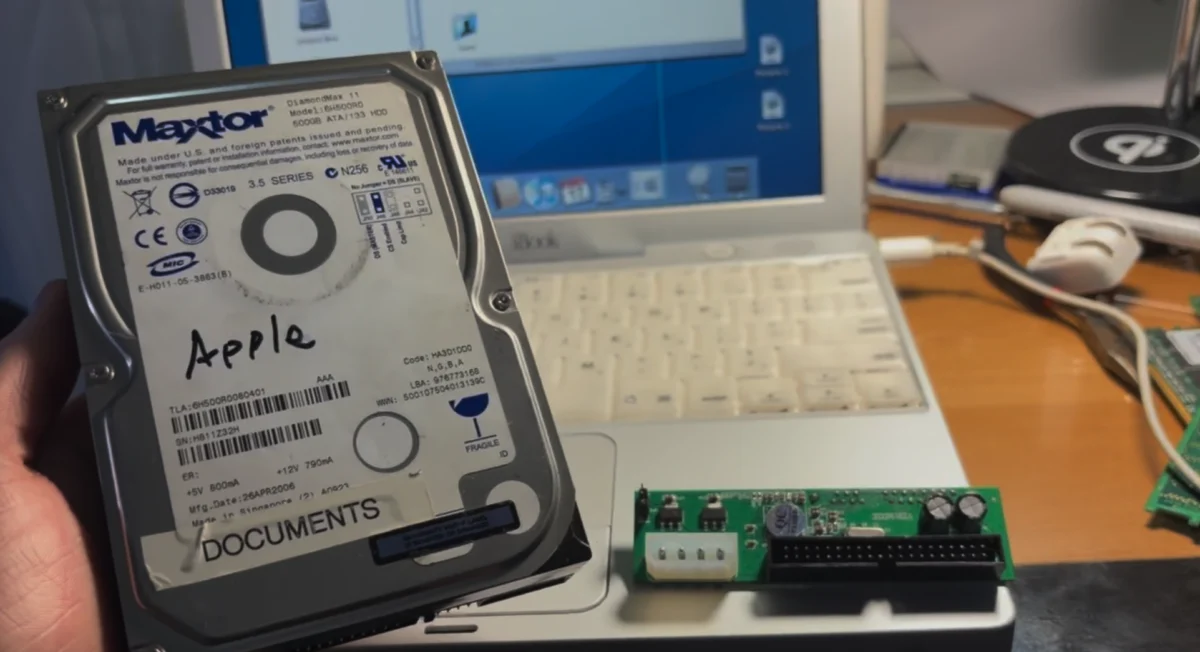
Furthermore, the integration of solid-state storage (SSD) through mSATA-to-IDE adapters has become a pivotal modification for legacy hardware. By replacing the mechanical hard drives of the early 2000s with modern flash storage, users can effectively reduce power consumption, increase reliability, and boost read/write speeds, making a 25-year-old computer surprisingly responsive.
Environmental and Practical Implications
The use of vintage hardware in the field addresses several pain points for modern photographers, particularly those working in remote environments.

- Reliability in Austere Environments: Modern devices are frequently built with delicate glass screens and sensitive electronics. In contrast, the polycarbonate shell of the iBook G3 was designed for education and field use. Its durability makes it a preferred tool for camping, hiking, or travel in regions where dust, humidity, or temperature extremes might compromise high-end professional equipment.
- Digital Sovereignty and Privacy: By utilizing a computer that lacks modern wireless networking (or where such features can be easily disabled), the photographer creates a secure, offline environment. This eliminates the risk of automatic cloud syncing, unwanted software updates, and the continuous intrusion of push notifications.
- Cost-Efficiency: As modern photography gear continues to increase in price, the low-cost barrier to entry for vintage DSLRs and refurbished legacy laptops provides a path for aspiring photographers to learn the fundamentals of the craft without a significant capital investment.
Industry Perspective on Legacy Adoption
While major manufacturers have moved toward an interconnected "ecosystem" approach, independent repair technicians and digital historians note that this trend is not merely about nostalgia. It is a pragmatic response to the "planned obsolescence" of modern software.
"The issue with modern digital workflows is that they are tied to a service, not a piece of hardware," says a representative from a prominent vintage computing archive. "When you own the hardware, the software, and the storage, you are no longer a tenant in someone else’s cloud. For many photographers, this level of control over their files is the primary motivation for returning to older equipment."
Future Outlook and Limitations
Despite the benefits, this workflow is not without significant drawbacks. The most notable limitation is the display technology. The liquid crystal displays utilized in the late 90s and early 2000s were never designed for color accuracy or high-contrast viewing. As noted by users of the G3, direct sunlight renders these screens almost entirely unusable. While aftermarket LED backlight modifications can improve visibility, the panel itself remains a bottleneck for critical color grading.

Additionally, as the gap between legacy and modern file formats widens—with RAW files from modern cameras reaching sizes exceeding 50MB—the 500 MHz processor of an iBook G3 will eventually reach a hard limit. The device is currently well-suited for JPEG workflows or modest RAW processing, but it is not a long-term solution for 4K video editing or high-throughput professional photography.
Conclusion: A Purpose-Built Utility
The decision to utilize an iBook G3 for photo management is emblematic of a broader trend in technology: the repurposing of robust, "over-engineered" devices for specific, narrow tasks. While it will never replace a modern workstation, its role as a dedicated, durable, and distraction-free photo viewer highlights the enduring value of hardware that was designed to last. For the photographer who values the process as much as the result, the intersection of 2000s-era computing and photography remains a viable and compelling frontier.