 Hartono Sudibyo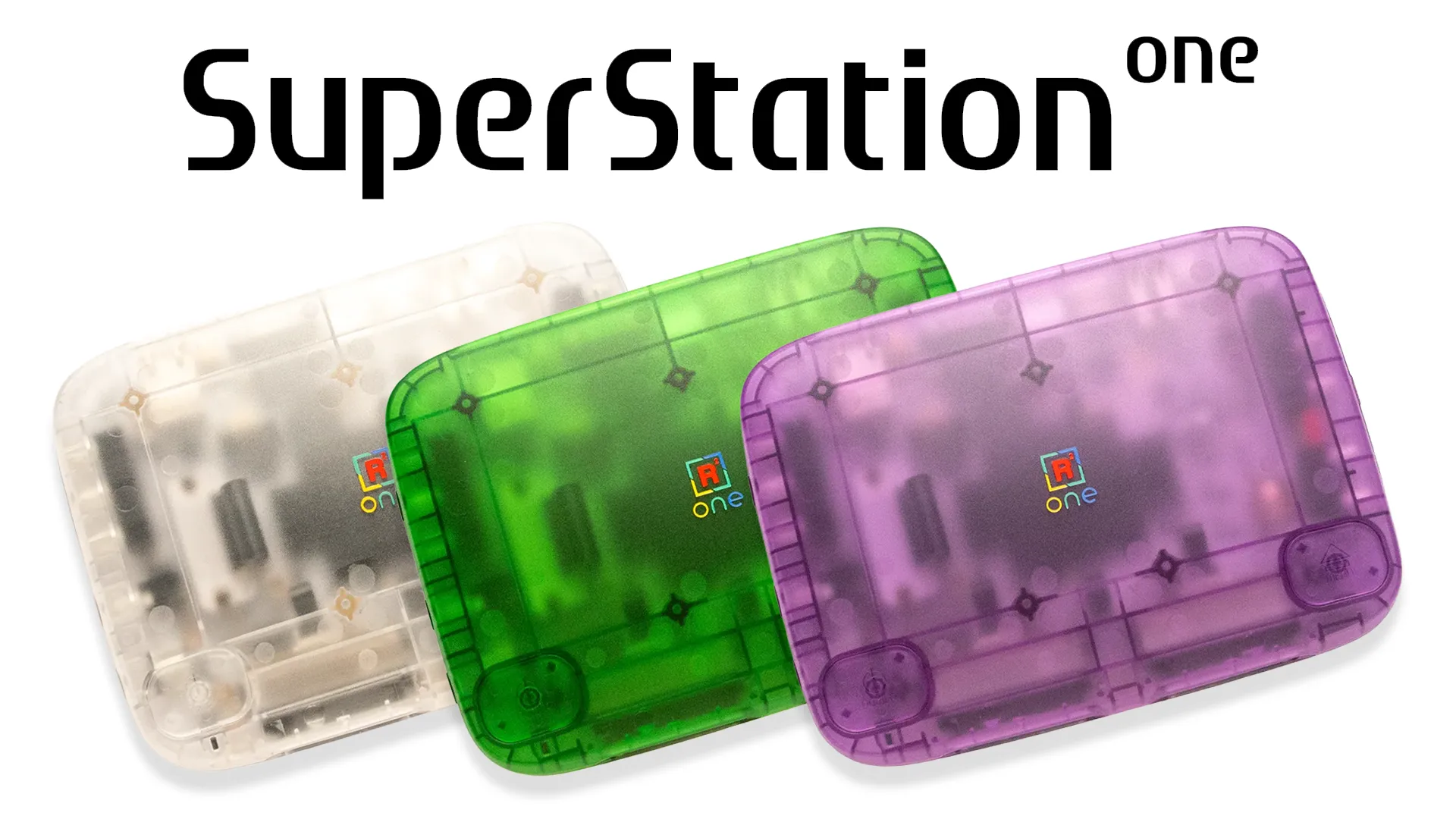
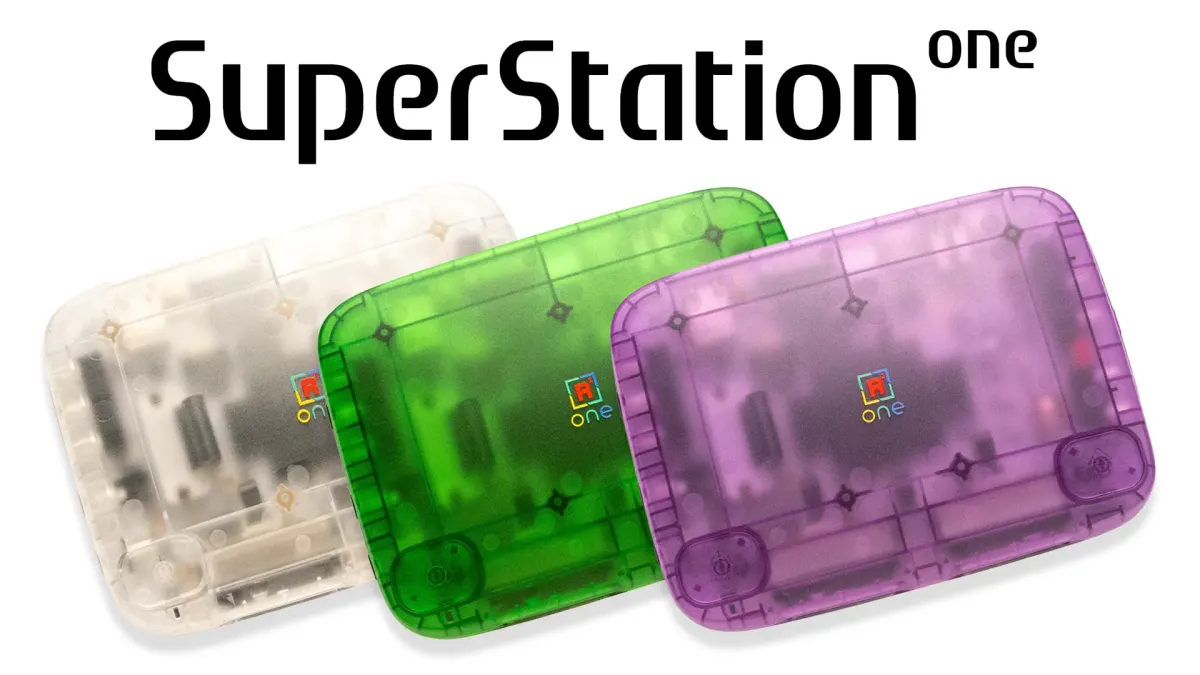
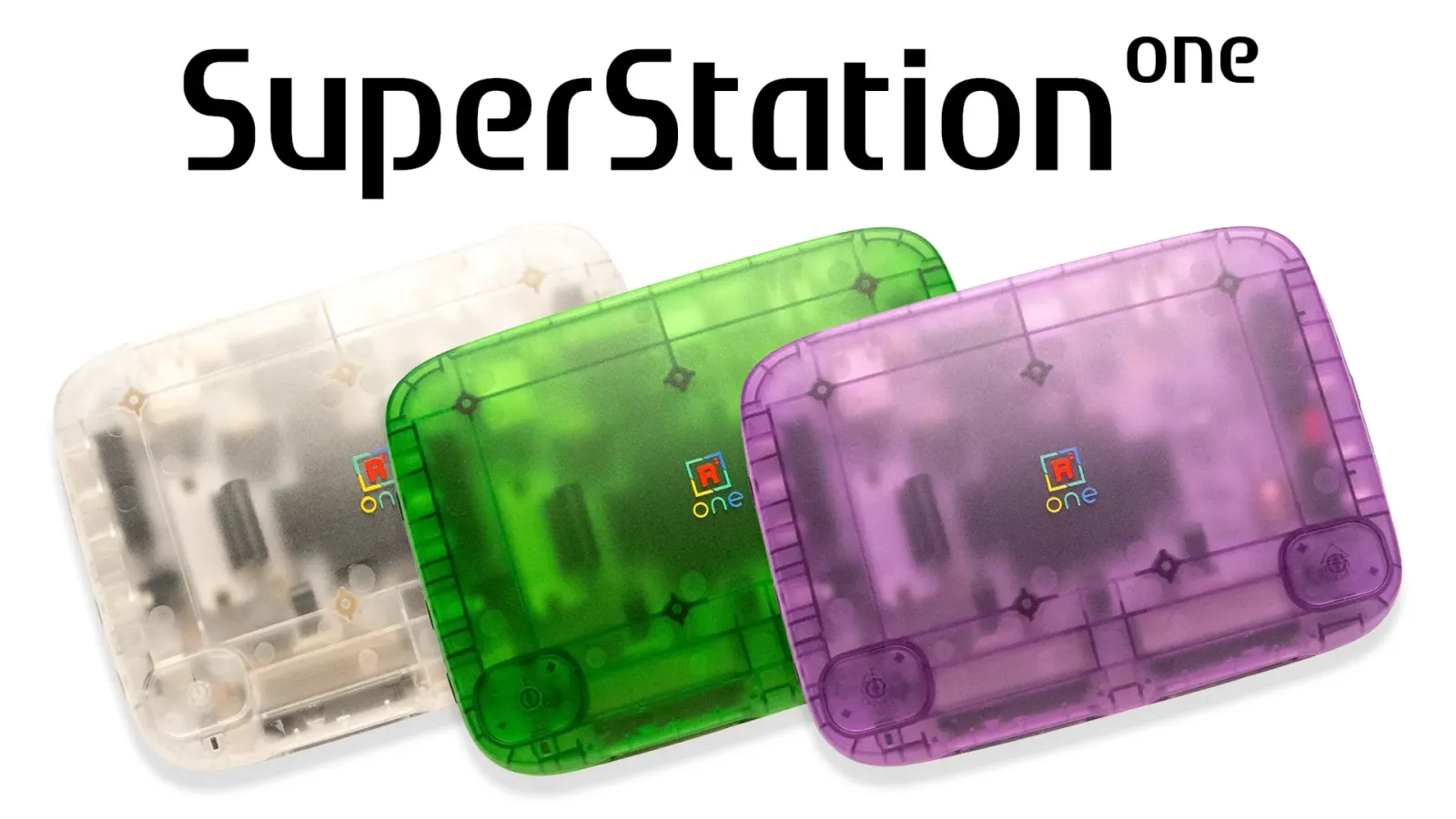
The retro gaming community has long sought hardware that faithfully bridges the gap between vintage physical media and modern display standards without relying purely on software-driven emulation. Into this specialized market steps the SuperStation One, an FPGA-based retro console created by prominent tech developer and content creator Taki Udon. Building upon the initial success of its standard colorways, RetroRemake has officially opened pre-orders for a new series of limited-edition transparent color variations. Priced starting at $249.99, these translucent variants tap into a massive wave of nostalgia for the clear-shell aesthetic popularized in the late 1990s and early 2000s, while offering high-end hardware capabilities underneath the hood. However, prospective buyers face a strictly limited window of opportunity; creators have confirmed that once these specific color runs are exhausted, they will not be manufactured again.
As the retro gaming renaissance continues to accelerate, hardware developers face mounting pressure to deliver devices that offer authentic performance, robust build quality, and versatility. The SuperStation One has managed to carve out a distinct niche for itself by answering these demands. By leveraging advanced Field Programmable Gate Array (FPGA) technology rather than traditional software emulation, the console processes code at the hardware level, significantly reducing input lag and ensuring cycle-accurate execution of classic gaming software.
Chronology and Evolution of the SuperStation One Project
The journey of the SuperStation One from concept to physical hardware reflects the rapid evolution of open-source and community-driven hardware development. The project initially gained traction through Taki Udon’s online platforms, where developmental updates and prototype testing garnered substantial interest from retro gaming enthusiasts. The core concept behind the console was to provide a dedicated, beautifully engineered chassis inspired by the iconic industrial design of the original PlayStation 1, while simultaneously incorporating support for MiSTer FPGA cores.
Following months of anticipation, the original opaque colorways of the SuperStation One launched to largely positive reviews. Critics and consumers praised its robust build quality, reliable thermal management, and impressive library compatibility. Hardware enthusiasts quickly recognized the device as a formidable all-in-one retro gaming hub capable of handling far more than just 32-bit era titles.
Capitalizing on this momentum, RetroRemake and the development team introduced accessory support to expand the console’s utility. A significant milestone in this expansion was the announcement and release of the SuperStation Bluetooth Receiver. Designed to plug directly into the standard controller ports, this peripheral bridges the technological divide by allowing users to pair modern Bluetooth controllers with the console—compatibility that extends even to original, vintage PS1 and PS2 hardware. Furthermore, the development pipeline introduced pre-orders for an authentic physical disc tray attachment, addressing a core demand from purists who wish to load and play original compact discs rather than relying solely on digital backups.
The current announcement of the limited-edition transparent collection marks the latest chapter in this timeline. Available exclusively through the RetroRemake storefront, these transparent shells pay homage to the iconic translucent electronics era of the late twentieth century. In tandem with the launch, promotional incentives—such as the preorder-bonus code granting a free Bluetooth receiver or AV cable through October 12th—have driven high initial demand, leading to reports that certain color variations are already approaching stock depletion.
Technical Architecture and FPGA Capabilities
To understand the market significance of the SuperStation One, one must examine the underlying technology that powers it. Traditional retro gaming setups typically fall into two categories: original vintage hardware, which is increasingly prone to mechanical failure, capacitor leakage, and laser degradation; and software emulation running on general-purpose computers, handhelds, or modified streaming sticks, which can suffer from minor audio-visual latency and imprecise timing cycles.

FPGA technology occupies the middle ground by physically reconfiguring programmable silicon logic gates to mimic the exact circuitry of the original console processors. This architectural approach delivers authentic hardware behavior. The SuperStation One’s compatibility with MiSTer FPGA cores elevates its value proposition significantly. While its aesthetic draws heavily from 32-bit Sony hardware, the internal architecture is capable of supporting a vast array of core implementations spanning multiple generations of gaming history.
For consumers investing $249.99 and upwards, this multi-system capability transforms the device from a single-purpose nostalgia box into a comprehensive arcade and home console preservation platform. The inclusion of physical expansion options—such as the aforementioned disc tray and modern wireless connectivity modules—demonstrates an acute understanding of modern consumer expectations paired with retro sensibilities.
Market Implications and the Retro Hardware Economy
The release of limited-edition transparent variants for niche gaming hardware highlights broader economic and cultural trends within the modern entertainment landscape. Over the past several years, hardware manufacturers targeting enthusiast demographics have increasingly relied on artificial scarcity and aesthetic variants to drive initial sales spikes. Transparent plastics, reminiscent of the Nintendo GameCube, Nintendo 64, and Game Boy Color iterations of yesteryear, carry immense emotional resonance for millennial and Generation X consumers with disposable income.
At the same time, the success of projects like the SuperStation One underscores a growing consumer fatigue with mainstream, algorithm-driven gaming ecosystems. Many players are actively seeking tactile, offline, and archival-grade experiences that grant them true ownership over their media libraries. By prioritizing physical media compatibility—such as the modular disc tray—and open-source architectural support via MiSTer cores, creators are tapping into a deeply dedicated subculture that values longevity and historical preservation over subscription models and digital storefronts.
However, this business model also presents distinct logistical challenges. Unlike massive multinational conglomerates capable of absorbing supply chain shocks and maintaining permanent manufacturing lines, boutique retro hardware developers often rely on small-batch production runs. The explicit warning from Taki Udon that the new transparent colorways will never be remade emphasizes the high-risk, high-reward nature of this manufacturing tier. It encourages immediate consumer action, turning hardware acquisition into an event while mitigating the financial risk of unsold inventory sitting in warehouses.
Broader Industry Impact
As boutique hardware manufacturers continue to refine their offerings, traditional console manufacturers are increasingly taking note of the enthusiast market’s appetite for retro authenticity. While major industry players occasionally dabble in miniaturized plug-and-play consoles with fixed libraries, the open-ended nature of FPGA platforms like the SuperStation One appeals to a much more technically literate audience.
The integration of modern amenities—such as Bluetooth controller support and advanced video output scaling—into vintage-inspired chassis proves that retro gaming does not have to be an exercise in technological compromise. Consumers are clearly willing to pay premium prices for hardware that respects both the aesthetic history of the medium and the ergonomic standards of the twenty-first century.
Looking ahead, the long-term viability of the SuperStation One will depend heavily on continued software support, community-driven core development, and the reliability of its hardware components in the wild. For now, the overwhelming initial response to the transparent collection pre-orders suggests that the appetite for high-end, meticulously crafted retro hardware remains robust. As shipping dates approach in December, early adopters will soon discover whether these limited-edition units live up to the lofty technical expectations set by their creators. Prospective buyers hoping to secure a unit before the remaining stock vanishes permanently must act swiftly through official retail channels, keeping close watch on accessory bundles and promotional deadlines as the pre-order window draws to a close.