 Farhan hamdan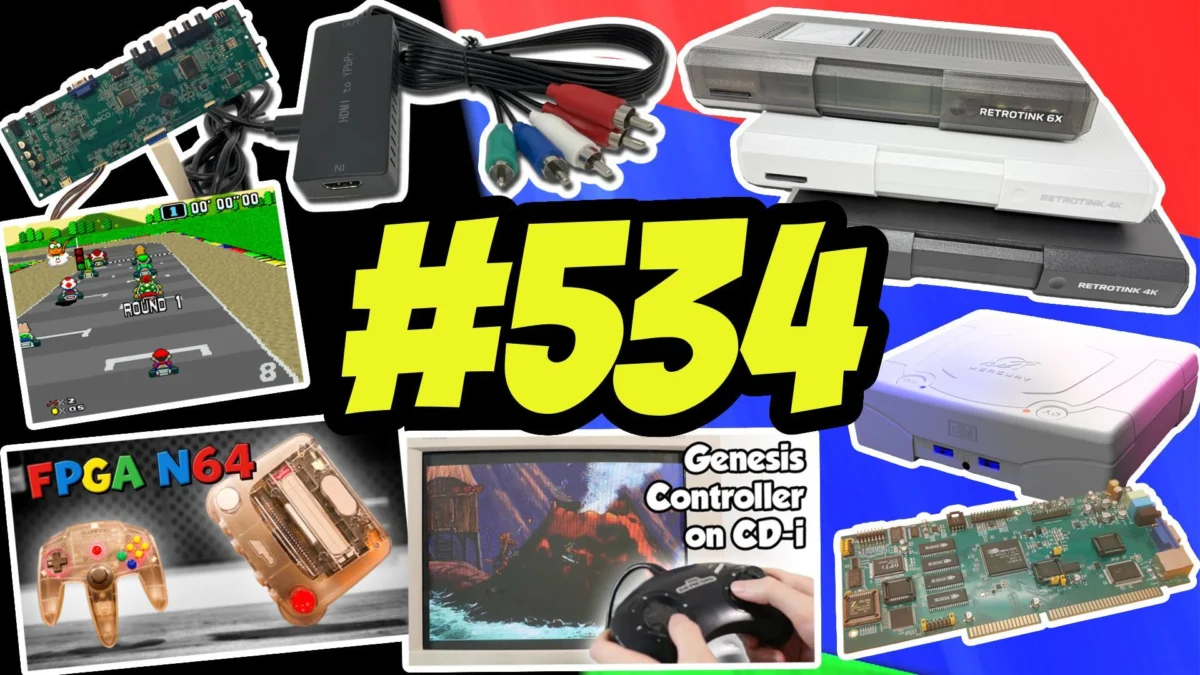
The retro gaming and classic computing hardware landscape experienced a significant wave of technical updates, community-driven hardware teardowns, and innovative peripheral developments during the first week of October 2026. As documented in the RetroRGB Weekly Roundup #534, enthusiasts and engineers continue to bridge the gap between vintage electronics and modern display standards, offering new life to hardware that spans decades of computing history. From comprehensive firmware updates for high-end video scalers to unique hardware modifications, retro enthusiasts are pushing the boundaries of what older systems can achieve when paired with modern engineering solutions.
Main Facts and Major Hardware Announcements
The October 7th broadcast highlighted several major announcements across multiple platforms, ranging from classic console modifications to vintage PC expansion cards. Chief among these developments was a major firmware release for advanced upscaling hardware, alongside specialized community hardware projects designed to modernize legacy interfaces.
Hardware preservationists received a detailed look inside modern clone and reimagined consoles with Ken’s comprehensive M64 teardown, offering a meticulous examination of internal architecture and build quality. Meanwhile, display enthusiasts welcomed the release of a new 240p- and 480i-compatible YPbPr digital-to-analog converter (DAC), addressing long-standing compatibility hurdles for users routing high-definition digital signals into legacy cathode-ray tube (CRT) monitors and standard-definition analog setups.
In the realm of FPGA (Field-Programmable Gate Array) development, the MiSTer ecosystem saw further aesthetic and functional expansion with the introduction of a Sega Saturn-themed case kit. This custom chassis design aims to bring the iconic grey-and-black contours of Sega’s 32-bit powerhouse to modern FPGA setups. Controller innovation also made headlines with Mattkcs’ creative crossover project, which successfully bridged Sega Genesis control mechanics with Philips CD-i interfacing capabilities.
Chronology of Events and Releases
The weekly cycle of retro computing news unfolded through a structured series of hardware releases, community disclosures, and software patches. The timeline of key developments featured during the early October window highlights the relentless pace of community-driven engineering:
- Early October 2026: Ken’s M64 full teardown is published, providing the community with structural analysis, component identification, and circuit evaluations.
- First Week of October 2026: Commercial availability of the HDMI-to-YPbPr component video adapter offering true 240p and 480i compatibility hits the market, solving display scaling issues for vintage display purists.
- Ongoing Period: The Sega Saturn-themed MiSTer FPGA kit gains traction among emulation and hardware enthusiasts seeking authentic console styling.
- Mid-Week Updates: Technical breakdowns of the Mattkcs Genesis-to-CD-i controller adaptation demonstrate cross-platform peripheral versatility.
- Software Milestone: The release of the Super Mario Kart fullscreen edition patch removes traditional split-screen limitations for single-player experiences, altering how classic titles are played.
- PC Retro Computing: Introduction of the SonicVision Pro 4-in-1 ISA expansion card catering to vintage DOS and Windows 9x system builders.
- Firmware Deployment: The rollout of RetroTINK firmware version v1.94.0 brings critical improvements to high-end 4K video processing hardware.
- Crowdfunding & Retail Updates: The Unico Traveller ULW10 project reaches its funding goals on Kickstarter, while specialized arcade controllers like the FightBox R10 Pro Special Artwork Edition arrive at retail distribution partners.
Supporting Data and Technical Breakdown
The technical scope of Roundup #534 touches upon several complex engineering challenges inherent in retro hardware preservation. One of the most critical issues addressed is signal conversion. Modern televisions and monitors have largely abandoned analog component inputs in favor of digital HDMI standards. Conversely, vintage display technology—particularly CRT monitors valued by competitive retro gamers for their zero input latency—relies heavily on native 240p and 480i analog signals. The newly released 240p/480i-compatible YPbPr DAC acts as a vital bridge, allowing modern digital video sources to output cleanly to analog display chains without introducing scaling artifacts or improper interlacing behavior.

In the audio-visual processing sector, the deployment of firmware version v1.94.0 for flagship RetroTINK hardware represents a major milestone in high-definition signal management. High-end scalers must process raw analog or digital signals from vintage consoles and upscale them cleanly to 4K displays without introducing motion judder, color banding, or audio desynchronization. Regular firmware iterations allow hardware developers to refine motion-adaptive deinterlacing algorithms, optimize latency parameters, and expand resolution support profiles based on ongoing community feedback.
Vintage computing enthusiasts also saw specialized hardware integration via the SonicVision Pro ISA card. Designed for IBM-compatible personal computers utilizing the legacy Industry Standard Architecture (ISA) bus, this 4-in-1 card combines video processing, audio capabilities, and Network Interface Card (NIC) functionality onto a single PCB. Such multi-function expansion cards reduce slot congestion in vintage desktop chassis, which typically feature a limited number of expansion slots.
Official Responses and Community Reactions
Reactions from the retro gaming community have underscored the value of continued third-party hardware development. Industry observers and content creators note that as original vintage hardware degrades due to capacitor aging, plastic brittleness, and component failure, the survival of the hobby increasingly relies on aftermarket engineering.
Community developers working on projects like the Sega Saturn-themed MiSTer case and the Super Mario Kart fullscreen edition have reported overwhelming positive engagement. The Super Mario Kart modification, in particular, addresses a long-standing hardware limitation of the 16-bit era, where hardware processing constraints forced developers to utilize split-screen presentations even during single-player sessions. By reprogramming game routines to utilize the entire display area for one player, developers are demonstrating how modern software patching can enhance classic titles without altering their core mechanical identity.
Furthermore, hardware creators participating in crowdfunding platforms—such as the team behind the Unico Traveller ULW10—have expressed gratitude for sustained community backing. Crowdfunding has emerged as the primary financial vehicle for niche retro hardware manufacturing, allowing low-volume production runs of specialized adapters, controllers, and shell kits to become commercially viable.
Broader Impact and Industry Implications
The continuous evolution of retro gaming hardware and software preservation carries significant implications for digital archeology and consumer electronics. As vintage consoles and computers transition from discarded consumer goods into historical artifacts, the demand for reliable maintenance tools, replacement parts, and modern interface adapters continues to expand.
The innovations featured in Roundup #534 illustrate a maturing ecosystem where open-source hardware, FPGA simulation, and precision manufacturing intersect. Rather than relying solely on official software re-releases or digital storefronts, a dedicated segment of the gaming population actively invests in physical hardware solutions that preserve the tactile and visual characteristics of classic gaming. This trend supports a sustainable circular economy of hardware maintenance, ensuring that decades-old entertainment technology remains functional, accessible, and enjoyable for future generations of enthusiasts, collectors, and researchers.