 Vera Clarissa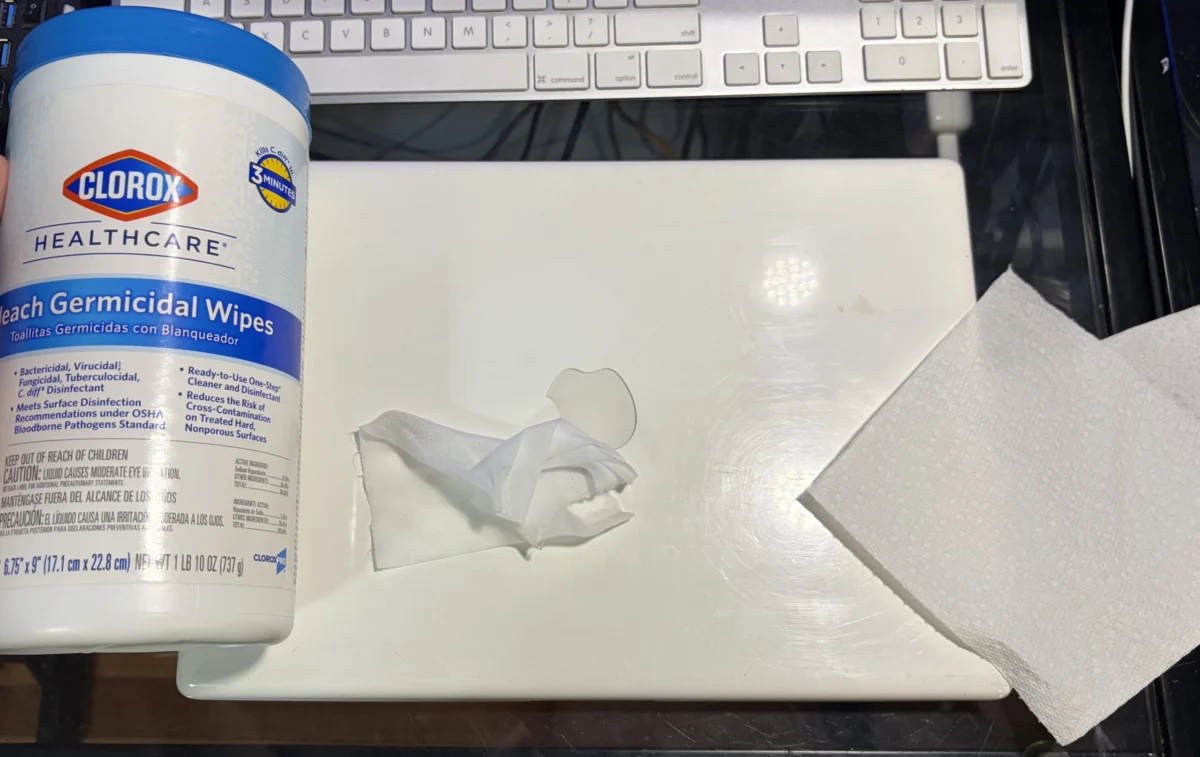
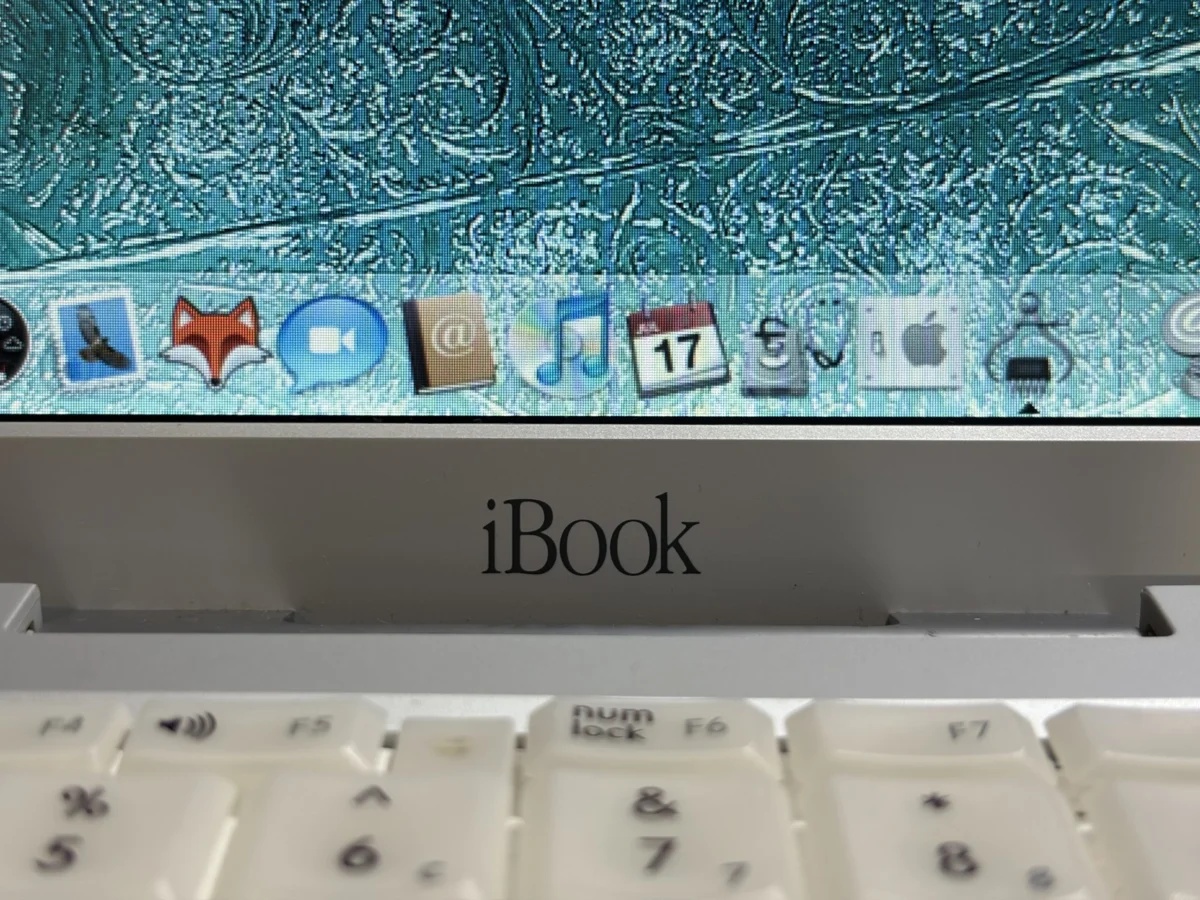
The restoration of a 2006 1.83 GHz Core Duo MacBook, salvaged from a parts bin at the 2026 VCF (Vintage Computer Festival) Midwest, represents more than a simple hobbyist project; it serves as a case study in the longevity of early Intel-based Macintosh architecture. Acquired from the Wisconsin Computer Club for a nominal fee of $5, the device—originally released during Apple’s transition from PowerPC to Intel processors—offers a unique look at the challenges and rewards of maintaining twenty-year-old hardware. While the machine initially presented with display artifacting and signs of long-term neglect, a systematic diagnostic and restoration process has revealed the viability of these early white polycarbonate MacBooks for modern, albeit niche, computing tasks.
Contextual Background: The VCF Midwest and the Legacy Market
The Vintage Computer Festival (VCF) Midwest has become a critical nexus for the preservation of computing history. The event, which draws collectors, engineers, and enthusiasts from across the United States, provides a marketplace for hardware that would otherwise be discarded in e-waste streams. The 2006 MacBook in question belongs to the first generation of Apple’s consumer-level laptop transition. Launched at a time when the industry was pivoting toward multi-core mobile processors, the Core Duo MacBook was a milestone in Apple’s history, signaling the end of the PowerPC era and the beginning of a standardized x86 architecture that would define the company’s trajectory for over a decade.

Initial Diagnostics and Physical Restoration
Upon initial inspection, the unit exhibited standard wear, including plastic degradation on the keyboard assembly and accumulated residue within the polycarbonate chassis. The most immediate concern was a persistent display artifacting, which often points to failing GPU hardware or loose ribbon cables. Following a systematic disassembly, technicians identified the issue as a loose LVDS (Low-Voltage Differential Signaling) connector. A manual reseating of the connection resolved the visual instability, confirming that the internal display panel remained functional.
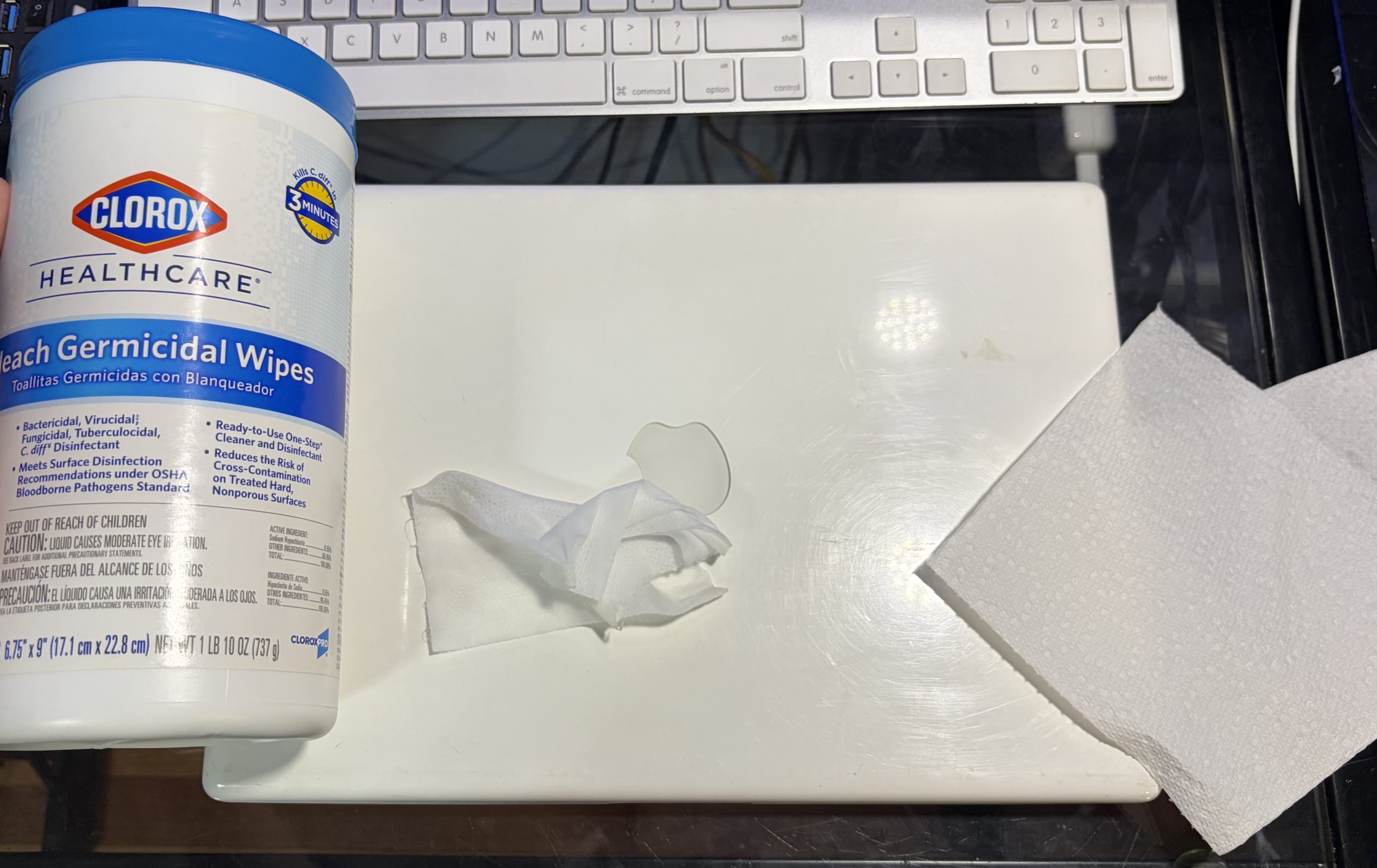
Beyond the display, the restoration required thermal management intervention. The original thermal compound on the 1.83 GHz processor had desiccated, leading to inefficient heat dissipation. Replacing this with modern thermal interface material, such as Arctic MX-4, is a standard protocol in legacy restoration to ensure the longevity of the CPU and northbridge components. Furthermore, the cleaning process involved the careful application of chemical agents specifically suited for polycarbonate shells, successfully removing surface scratches and long-term discoloration without damaging the structural integrity of the plastic.
Technical Challenges: Bridging 32-Bit Architecture and Software
The primary technical hurdle for this project was the machine’s 32-bit architecture. While many modern users associate the Intel-era Macs with 64-bit processing, the early Core Duo models were limited by their 32-bit CPU architecture. This severely restricts the software ecosystem, as most modern operating systems have long since abandoned 32-bit support.
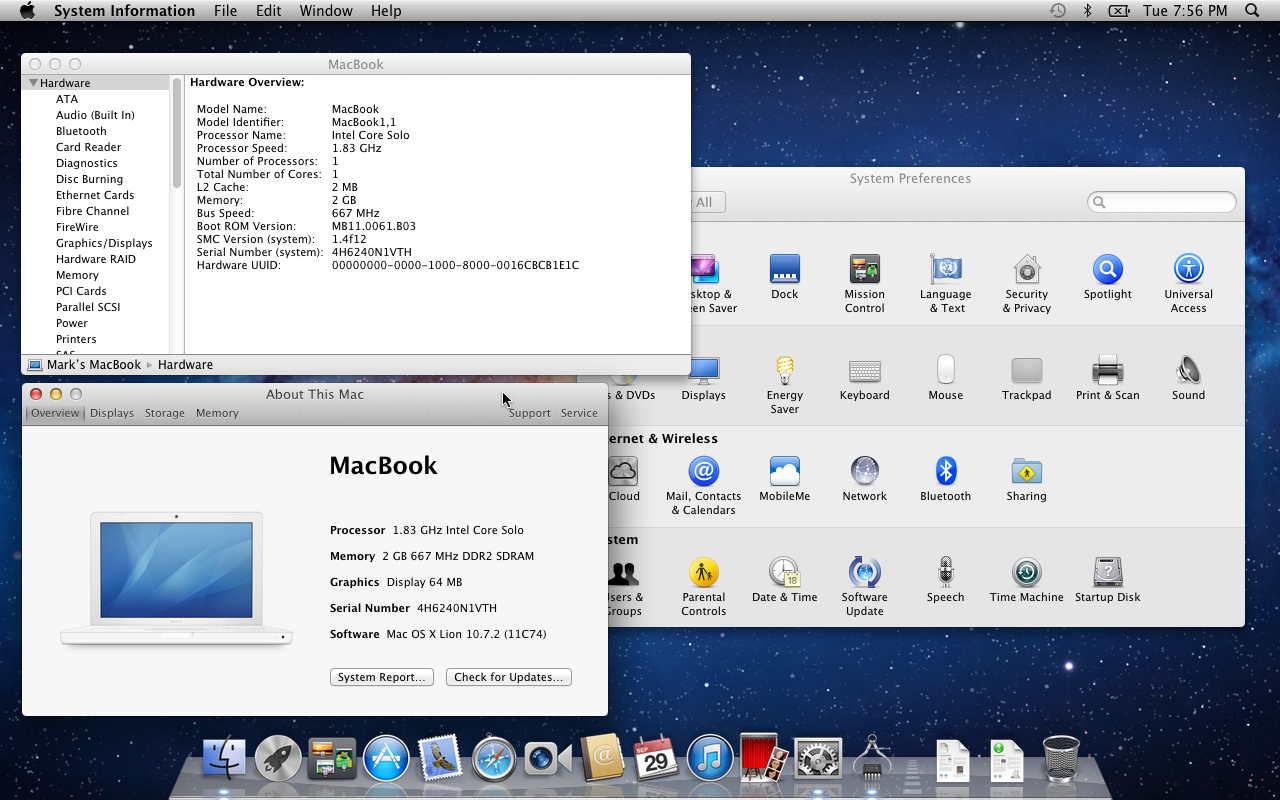
The original operating system, Mac OS X Snow Leopard, while historically significant, lacks modern security patches and compatibility with current web standards. To modernize the device, the project lead attempted to install Mac OS X 10.7.2 Lion. This installation process proved non-trivial. Initial attempts using standard disk cloning software like Carbon Copy Cloner 4 failed, resulting in a "crossed-out" boot screen, indicating a failure to boot the kernel.
The breakthrough occurred during a troubleshooting session in Verbose mode. By holding the shift key during the boot sequence, the system initiated an undocumented firmware update. This event, which did not provide the standard audible chimes or progress bars typically associated with Apple firmware updates, successfully aligned the hardware’s microcode with the requirements of the OS X 10.7.2 build. This specific build, a community-maintained version of Lion, now allows the device to boot into a functional desktop environment.
Data Analysis: Performance Metrics and Browser Optimization
Running an operating system as resource-intensive as Lion on a 2006 machine presents significant graphical challenges. The integrated Intel GMA 950 graphics processor is the primary bottleneck. Hardware acceleration, a cornerstone of the modern user interface, is largely unsupported in this configuration, leading to erratic behavior in graphical applications.
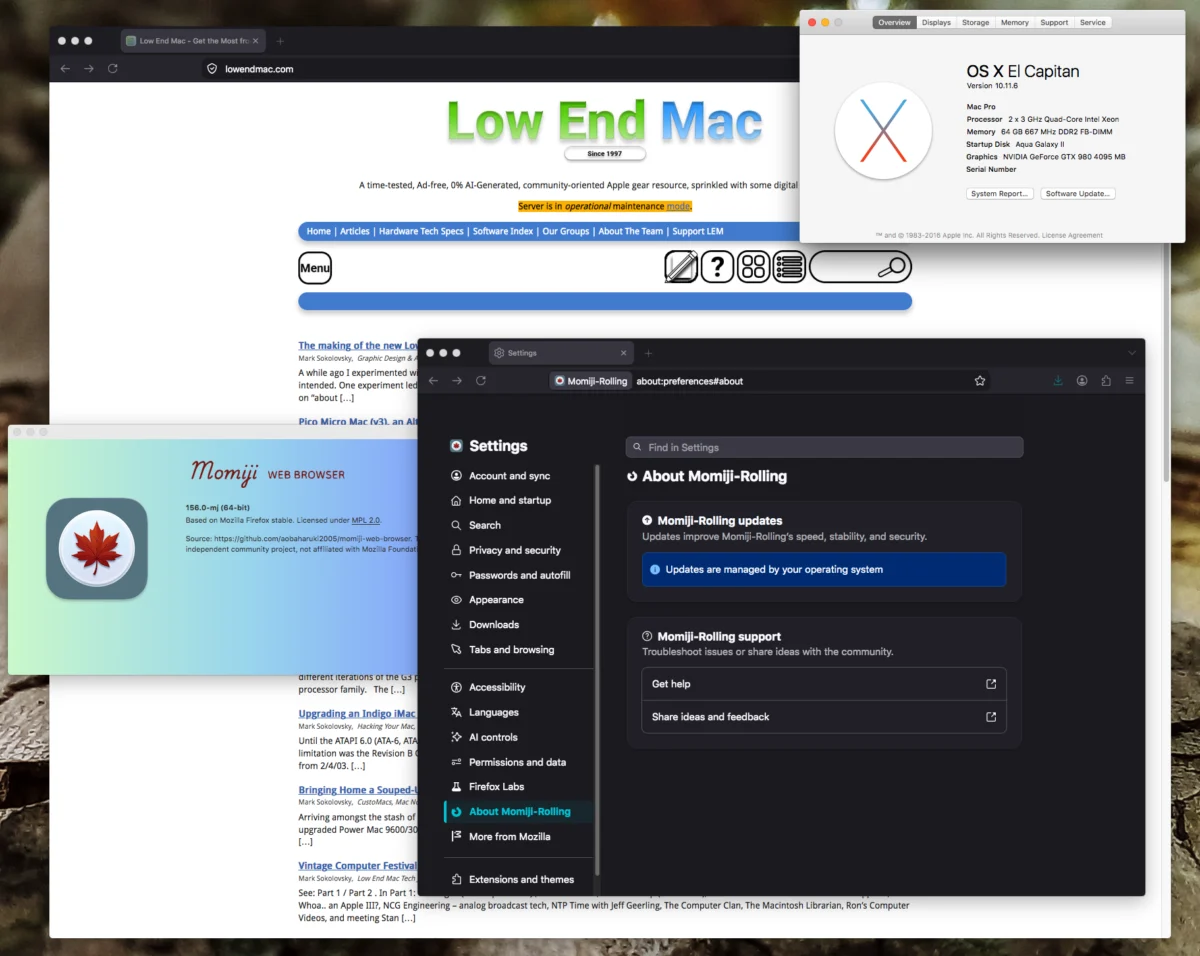
A key development in the usability of this machine is the implementation of PowerFox, a community-developed web browser designed for legacy systems. By disabling hardware acceleration and utilizing the browser in a networked volume environment, the machine regained the ability to render modern web pages. While streaming services such as YouTube remain prohibitively sluggish—likely due to the high CPU overhead required for decoding modern video codecs—static web browsing on platforms like Google and Apple’s support sites is functional.
The current hardware configuration includes:
- Processor: 1.83 GHz Intel Core Duo (32-bit)
- Graphics: Intel GMA 950
- Storage: 80 GB Hard Disk Drive (HDD)
- RAM: Currently sub-optimal (to be upgraded to 3 GB)
The potential for further performance gains is significant. Moving from a mechanical 80 GB HDD to a Solid State Drive (SSD) will drastically reduce I/O latency, which is a major factor in the perceived speed of the macOS interface. Additionally, expanding the system memory to the 3 GB ceiling will alleviate the "swapping" issues that currently plague the multitasking experience.

Broader Implications for Computing Preservation
The restoration of this device serves as a commentary on the "right to repair" and the sustainability of hardware. As manufacturers push for shorter upgrade cycles, the ability to maintain and repurpose machines like the 2006 MacBook becomes an act of environmental and historical preservation. By utilizing community-developed software like PowerFox, users can effectively extend the functional lifespan of hardware that would otherwise be considered obsolete.
Industry analysts note that while such machines are not suitable for high-intensity professional workloads, they remain perfectly capable of serving as "thin clients" or dedicated terminal machines. The ability to run legacy 32-bit applications—software that is often unavailable or incompatible with modern cloud-based ecosystems—remains a niche but vital requirement for industries ranging from music production to archival research.
Future Outlook and Next Steps
The next phase of this restoration will focus on hardware durability. A critical missing component is the battery; given the age of the machine, procuring an aftermarket replacement is a priority to ensure portability. Furthermore, the transition to an SSD is planned for the coming quarter, which will provide a definitive test of the machine’s ceiling for usability.

The success of this project highlights the resilience of Apple’s early Intel designs. Despite being nearly two decades old, the machine’s chassis remains physically robust, with intact hinges and a display that shows no signs of degradation. As the project continues, the goal remains to transform this $5 relic into a fully operational secondary machine, demonstrating that with the right combination of community-sourced software and hardware upgrades, legacy technology can continue to function in a modern, hyper-connected environment. The ongoing efforts of the Wisconsin Computer Club and similar organizations ensure that these chapters of computing history remain accessible to future generations of engineers and enthusiasts.