 Cecilia Chamidah Nur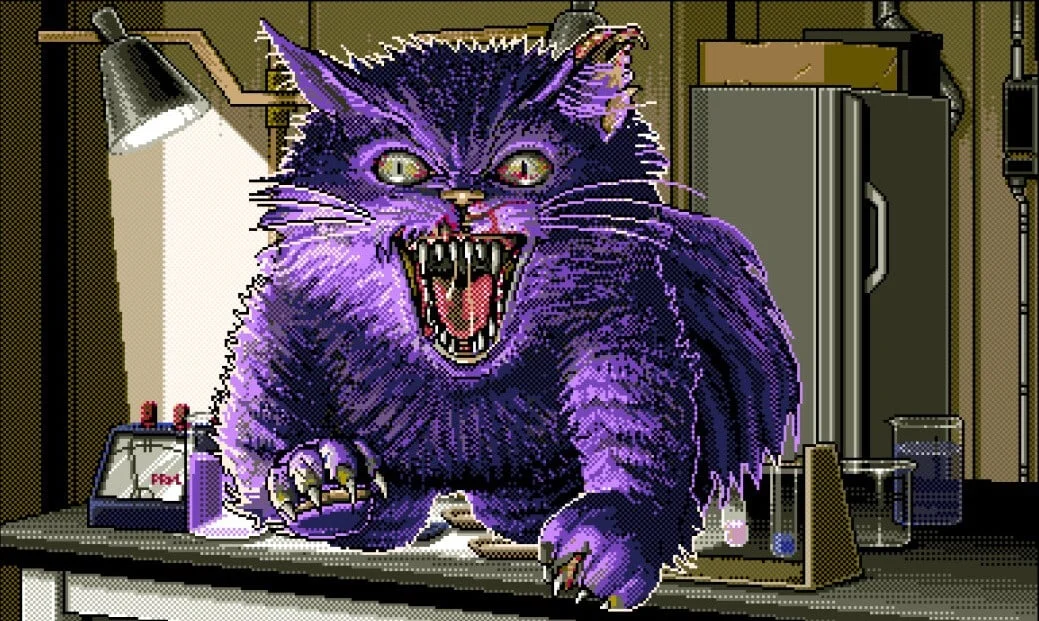
The 1990s Japanese PC market was a volatile landscape defined by rapid technological iteration and a legal environment struggling to catch up with the burgeoning adult entertainment software industry. Among the key players of this era was the developer FairyTale, a studio whose creative trajectory was forcibly altered by a scandal that would leave an indelible mark on the Japanese software industry. Today, through the efforts of publisher FAKKU, the studio’s 1992 PC-98 horror title, Dead of the Brain, is receiving its first official English-language release on Steam. This re-emergence offers a window into a period of Japanese gaming history where extreme creative shifts were often the byproduct of legal necessity rather than artistic evolution.
A Scandal Born of Retail Theft
To understand the shift from erotic software—colloquially known as "Eroge"—to the splatter-horror genre, one must examine the catalyst of the 1991 incident involving FairyTale’s title, Saori: The House of Beautiful Girls. The narrative of this transition began not in a boardroom, but in a retail environment. A high-school student in Japan successfully shoplifted a copy of Saori, a move that would ultimately trigger a chain reaction within the Japanese legal system.
Following the apprehension of the student, authorities investigated the content of the software, leading to the arrest of the studio’s president on charges of distributing obscene material. This was a watershed moment for the Japanese software market. At the time, the lack of a formalized rating system meant that adult content was frequently accessible to minors, creating a vacuum of regulatory oversight. The ensuing media firestorm and public outcry compelled the industry to organize, leading directly to the establishment of the Ethics Organization of Computer Software (EOCS). This regulatory body was created to implement age-gating and content standards, effectively ending the era of unregulated, explicit software sales in mainstream Japanese retail outlets.
The Pivot to Horror: The Nightmare Collection
FairyTale, facing immense heat from law enforcement and the newly formed EOCS, realized that its traditional business model was no longer sustainable in the public eye. The studio opted for a strategic retreat into the horror genre, a move that allowed them to continue producing content that pushed boundaries while remaining technically within the new regulatory guidelines. This pivot resulted in the "Nightmare Collection," a series of point-and-click adventure games that drew heavy inspiration from Western splatter cinema.
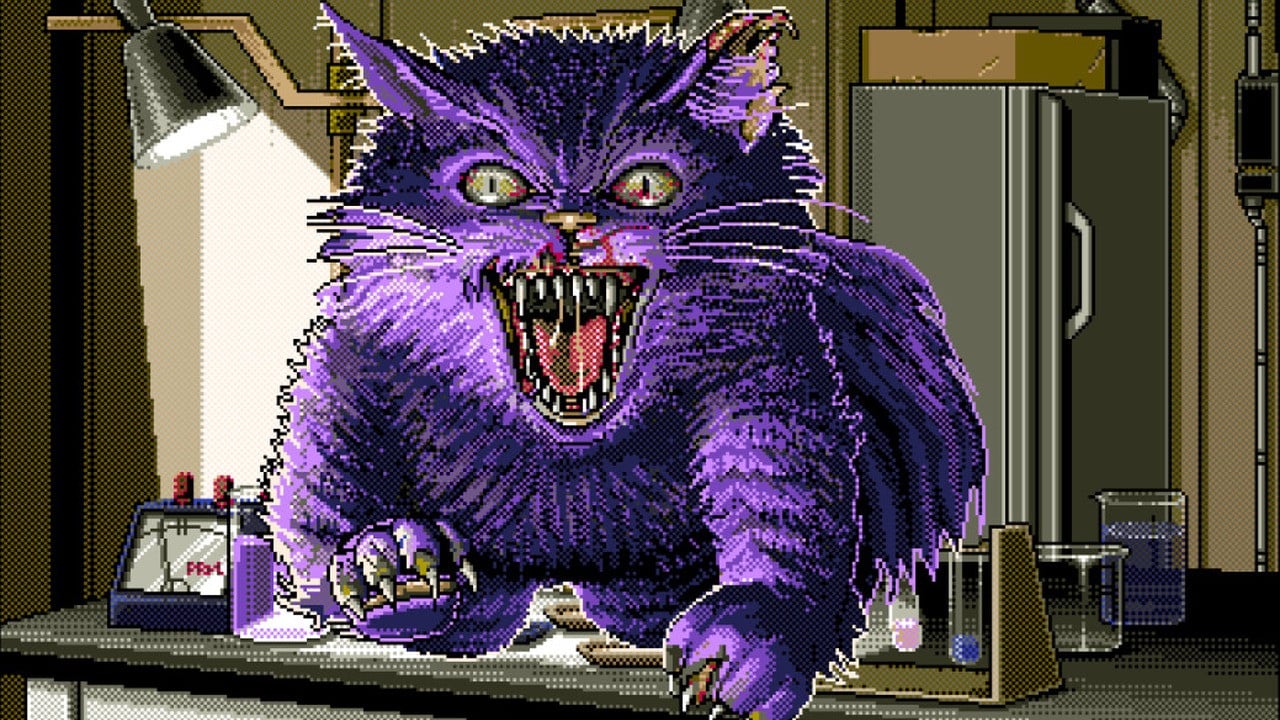
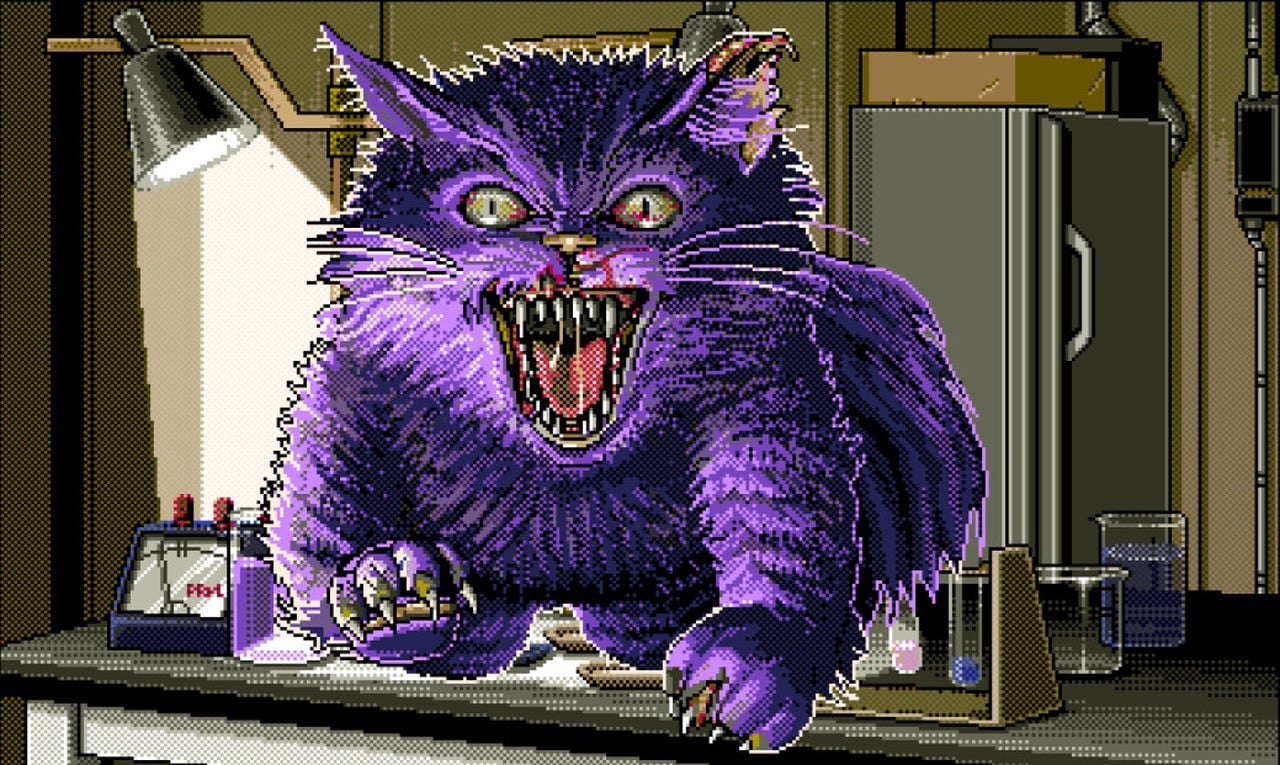
Dead of the Brain: Day of the Living Dead, released in 1992, was the inaugural entry in this collection. It was a stylistic synthesis of iconic 1980s American horror films, specifically George A. Romero’s legacy, Sam Raimi’s The Evil Dead, and Stuart Gordon’s Re-Animator. The game utilized a point-and-click interface, a staple of the era’s adventure games, but repurposed it to facilitate a narrative focused on survival, biological horror, and suspense.
Mechanical Design and Gameplay Evolution
From a design perspective, Dead of the Brain served as a precursor to the modern visual novel and horror-adventure hybrid. Players navigate as Cole, an associate of the fictional Dr. Cooger, whose scientific experiments with reanimation serum have triggered a city-wide zombie apocalypse. The gameplay loop relies on a mixture of static, high-detail imagery and interactive decision-making.
Technically, the game functions through a windowed, point-and-click interface that was common to PC-98 titles of the early nineties. However, FairyTale maintained a degree of their former identity; the game features interspersed segments of nudity and sexualized imagery, a vestige of the studio’s original focus that remained present even as they transitioned into the horror space. This juxtaposition of traditional adventure mechanics, Quick Time Events (QTEs), and graphic horror imagery provided a distinct, albeit controversial, player experience that would influence later titles in the genre.
Chronology of the Nightmare Collection
The release of Dead of the Brain marked the beginning of a short but prolific period for the studio. The chronology of these releases illustrates a studio attempting to establish a new brand identity:
- 1991: Release of Saori: The House of Beautiful Girls; subsequent legal investigations begin.
- 1992: Launch of Dead of the Brain: Day of the Living Dead (PC-98).
- 1992: Launch of supplementary titles including Dengeki Nurse, Necronomicon, and Dracula Hakushaku.
- 1993: Release of the sequel, Dead of the Brain 2.
- 1993: Release of the mutant-alien thriller, Marine Philt.
While these titles were ported to other hardware, such as the MSX 2 and the PC Engine CD, their exposure remained largely confined to the Japanese domestic market for over three decades. The current Steam initiative by FAKKU represents the first time these titles are being made accessible to an international audience with official localization.
Broader Implications and Industry Impact
The legacy of FairyTale’s horror period serves as a case study for the influence of censorship on creative output. The shift to horror was, at its core, a defensive maneuver designed to circumvent legal action. Yet, by embracing the aesthetics of Western horror, FairyTale inadvertently helped solidify a specific sub-genre of Japanese horror games that blended narrative-heavy visual novel elements with the high-stakes tension of survival horror.
The modern industry’s interest in these titles, as evidenced by the success of games like World of Horror—which consciously pays homage to the PC-98 aesthetic—highlights the enduring appeal of this era’s design language. The simple, frame-based visual presentation of the 1990s allowed developers to focus on atmosphere and shock value, creating a distinct "low-fi" aesthetic that is now being revisited by modern independent developers.
The Future of the Archive
FAKKU’s ongoing commitment to localizing the FairyTale back-catalog, including titles like Dengeki Nurse and Dracula Hakushaku, underscores a growing trend in the gaming industry: the preservation and translation of historically significant, albeit controversial, software. By bringing these games to a global digital storefront, publishers are providing researchers and enthusiasts with the opportunity to analyze the evolution of Japanese game design in its proper historical context.
The transition from a controversial Eroge developer to a purveyor of "Nightmare" horror content remains one of the most unusual chapters in Japanese software history. It serves as a reminder of how regulatory pressure, legal scrutiny, and commercial necessity can force developers to reinvent themselves. While FairyTale eventually returned to the Eroge market following the cooling of the initial scandal, the "Nightmare Collection" remains a testament to a time when the boundaries of digital content were being defined in real-time, one court case and one software release at a time.
For the contemporary player, Dead of the Brain is more than just a relic of the PC-98 era; it is a vital artifact of the 1990s, capturing the collision of Western horror tropes, restrictive regulatory shifts, and the early, experimental days of the point-and-click adventure genre. As these titles become available for modern hardware, the academic and cultural assessment of FairyTale’s work will undoubtedly continue to evolve, moving beyond the sensationalist origins of the studio and into a nuanced understanding of their technical and artistic contributions to the gaming landscape.