 Edi Durjana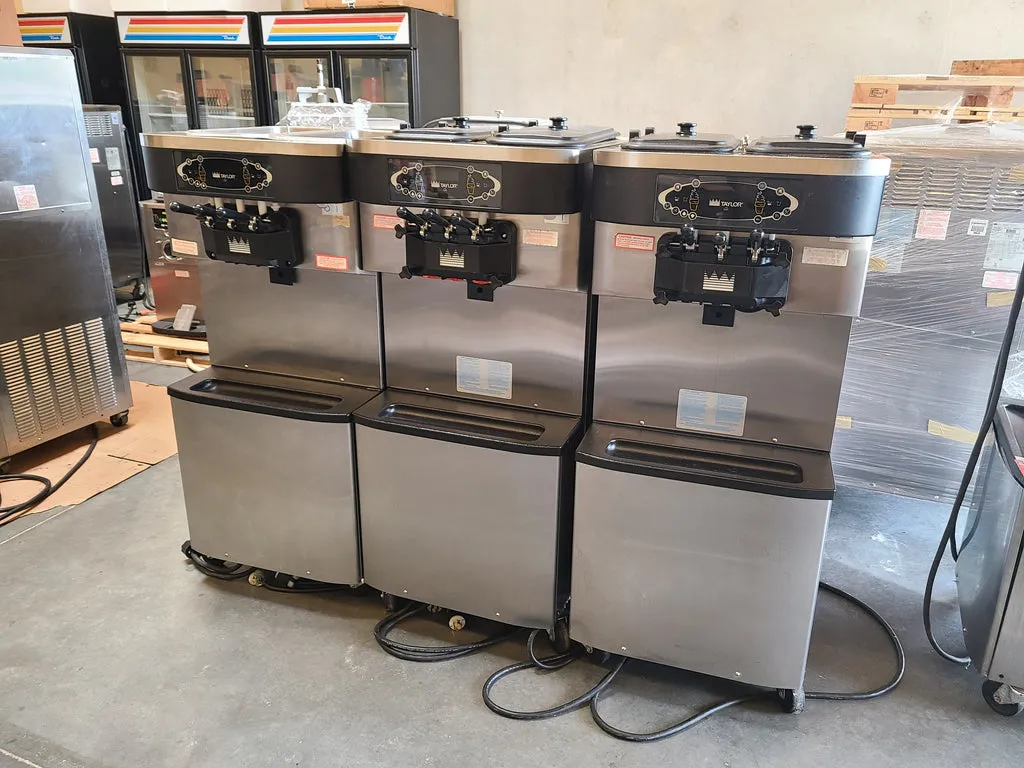
The landscape of emulation software has long expanded beyond traditional video game consoles and handheld devices, encompassing calculators, vintage computers, and arcade hardware. However, a new frontier in hardware virtualization has emerged with the introduction of McSoftServe, a specialized emulator developed by Libretro contributor Jesse Talavera. Known previously within the open-source community for his work on the melonDS Nintendo DS core, Talavera has turned his attention to industrial kitchen equipment, specifically targeting the Taylor C713 soft-serve ice cream machine.
Announced officially via the Libretro development network, McSoftServe brings the complex operational parameters of commercial dairy-dispensing machinery into the RetroArch ecosystem. The Taylor C713 is a staple of modern fast-food infrastructure, widely utilized by franchise operators globally—most notably within the United States—to produce high-volume frozen desserts. By translating the complex electromechanical and digital logic of these commercial units into software, the project bridges the gap between industrial maintenance training and consumer-grade emulation platforms.
Background Context of Commercial Kitchen Emulation
The development of McSoftServe represents a unique intersection between embedded systems engineering and the broader preservation movement within open-source software. While the emulation community typically focuses on leisure technologies such as home video game consoles, arcade boards, and home computers, the underlying principles of hardware virtualization remain identical. Industrial machinery relies on microcontrollers, proprietary firmware, sensors, and mechanical actuators to execute specific, repetitive tasks under strict thermal and mechanical tolerances.
The Taylor C713, the primary hardware target for Talavera’s emulator, is part of a legacy line of heat-treatment soft-serve machines. These units are celebrated in the commercial food service industry for their ability to maintain product safety over extended operating cycles through automated sanitization and pasteurization cycles. Despite their widespread deployment, direct access to the internal firmware and operational logic of these machines has traditionally been restricted to authorized service technicians and franchise engineers.
By reverse-engineering the operational environment of the C713, the McSoftServe project provides a sandboxed environment where users can observe, analyze, and interact with the complex internal states of a commercial appliance without the associated hardware acquisition costs, maintenance overhead, or risk of equipment damage.
Chronology and Development Timeline
While public disclosure of McSoftServe occurred recently, the project has been in stealth development for an extended duration. According to project disclosures, Talavera spent considerable time analyzing the operational quirks, diagnostic error codes, and thermal management cycles unique to the Taylor C713 hardware architecture before achieving a stable software build.
The development timeline moved rapidly following initial proof-of-concept testing, transitioning from private source code repositories to full integration within the Libretro framework. The decision to distribute McSoftServe directly through the RetroArch core downloader marks a significant milestone for unconventional emulators, allowing end-users to install and run the application with the same convenience typically reserved for classic gaming systems.
Technical Architecture and Feature Set
Although commercial soft-serve machines appear mechanically straightforward from a consumer perspective, their internal operations are governed by sophisticated control panels and multi-stage programming logic. The Taylor C713, in particular, manages multiple distinct subsystems, including barrel refrigeration compressors, hopper cooling systems, beaters, pressure sensors, and automated heat-treatment modules designed to destroy bacteria during overnight cycles.
McSoftServe faithfully replicates these internal metrics, offering users a comprehensive simulation of the machine’s daily lifecycle. Key simulated operational states include:
- Mix Level Monitoring: Real-time tracking of liquid dairy product reserves within the upper hoppers, triggering low-mix warnings and lockouts when thresholds are breached.
- Thermal Regulation and Pasteurization: Simulation of the daily heating and cooling cycles required to maintain food safety compliance, including monitoring thermal probe accuracy and cycle duration.
- Viscosity and Draw Control: Emulation of the electromechanical resistance encountered by the internal scraper blades as the liquid mix freezes, determining product consistency and serving readiness.
- Diagnostic and Error Code Generation: Replication of the alphanumeric display codes used by technicians to diagnose faults such as hopper freeze-ups, drive shaft disconnections, and sensor calibration failures.
The user interface within RetroArch has been adapted to mirror the physical control interface of the C713, enabling operators to navigate menus, initiate brush-cleaning reminders, and toggle wash, auto, and standby modes using standard input devices.
Industry Context and Technical Challenges
The emulation of commercial kitchen appliances presents a unique set of engineering hurdles compared to traditional gaming hardware. While a video game console relies primarily on CPU, GPU, and audio processing unit emulation, industrial equipment simulation requires accurate modeling of thermodynamics, fluid dynamics, and relay-based electrical logic.
Furthermore, commercial food service machinery operates under stringent regulatory frameworks, such as those established by the National Sanitation Foundation (NSF) and the Food and Drug Administration (FDA). Understanding the firmware parameters that dictate when a machine must undergo a complete disassembly and brush-cleaning cycle is critical for an authentic simulation. The integration of these protocols within McSoftServe highlights the depth of research undertaken by the developer to ensure the software reflects real-world operational realities.
The Choice of RetroArch and Libretro Ecosystem
Deploying McSoftServe as a Libretro core rather than a standalone application leverages the robust infrastructure of the RetroArch frontend. RetroArch provides cross-platform compatibility, rendering pipelines, input abstraction layers, and network capabilities that would otherwise require independent development for every target operating system.
This architectural decision allows McSoftServe to run across a vast array of hardware, ranging from high-end desktop computers to low-power single-board computers, mobile operating systems, and specialized retro-gaming handhelds. By embedding the emulator within the standard Libretro ecosystem, the project benefits from automated core updates, uniform configuration options, and a pre-existing community of developers and users familiar with the interface.
Implications for Education, Training, and Preservation
The release of McSoftServe carries several broader implications for technical education, vocational training, and the preservation of industrial technology.
From an educational perspective, the software serves as an accessible training sandbox for culinary students, franchise management personnel, and aspiring technicians. Operating commercial soft-serve equipment requires familiarity with complex sanitation guidelines and troubleshooting procedures. Mistakes made on physical hardware can lead to costly component failures, health inspection violations, or prolonged equipment downtime. A software-based training tool eliminates these financial and operational risks, allowing users to familiarize themselves with error recovery protocols in a risk-free environment.
In the context of digital preservation, the project broadens the definition of what software and hardware combinations are worth archiving. As industrial machinery becomes increasingly reliant on digital microprocessors and proprietary firmware, the risk of functional obsolescence extends beyond consumer electronics. Documenting the operational logic of ubiquitous commercial devices ensures that technical knowledge regarding their design and maintenance remains preserved within open-source repositories.
Availability and Access
McSoftServe is currently available for public use and evaluation. Users operating the RetroArch frontend can access the emulator immediately by navigating to the online core updater within the application interface, downloading the McSoftServe module, and launching the environment without requiring specialized external plugins.
As the open-source community continues to experiment with unconventional hardware targets, projects like McSoftServe demonstrate the versatility and adaptability of the Libretro framework, pushing the boundaries of what can be achieved through modern software emulation.