 Chalid Lutfie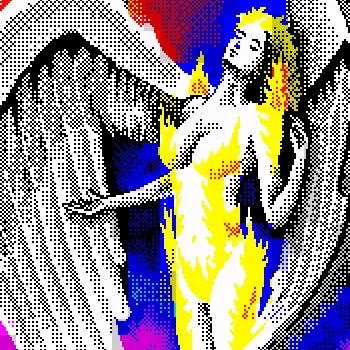
Chronology of Composition and Release
The genesis of Still Flying dates back to 2002, a period characterized by the resurgence of interest in retro-computing aesthetics and the maturation of the demoscene—a subculture dedicated to creating computer-generated audiovisual presentations that demonstrate technical and artistic prowess. C-Jeff utilized the Pro Tracker 3 editor, a tool synonymous with the AY-3-8910 sound chip found in the ZX Spectrum, to craft the album’s soundscape.
The developmental timeline accelerated following the completion of individual tracks, many of which were debuted at prominent demoparties of the era. The composition "My Mind is Free" was initially unveiled at the CAFe 2002 demoparty. Due to linguistic barriers at the time, the track was registered as "My mind free," but it nonetheless secured 13th place in the highly competitive ZX Spectrum AY Music category. Shortly thereafter, the track "Lonely Soul"—a composition contemporaneous with the core album tracks—was showcased at the Paradox 2002 demoparty, where it achieved a notable 2nd-place finish.
Roughly 18 months after the initial compositions were finalized, the project evolved from a collection of musical files into a comprehensive multimedia experience. The release was converted into an executable ZX musicdisk, a format that allowed users to run the album as a program on original hardware. This iteration featured technical contributions from the developer Vortex, graphical assets by Schafft, and data compression techniques provided by Poisoned CyberJack.
Technical Context and Hardware Constraints
The ZX Spectrum, released by Sinclair Research in 1982, was never intended for high-fidelity audio production. Its sound capabilities were restricted to the AY-3-8910 programmable sound generator, which offered three channels of square waves and a noise channel. Working within these constraints required composers to employ sophisticated techniques such as arpeggio-driven chord simulation and precise volume envelope manipulation.
C-Jeff’s approach, described as "lyric music novels," suggests an intentional move to imbue these rigid technical structures with emotional resonance. By treating the music as a narrative medium rather than mere background "beeps," the artist challenged the prevailing perception of chiptune as a purely technical exercise. The use of Pro Tracker 3 provided the necessary interface for this complexity, allowing for intricate pattern sequencing that exploited the limited memory of the Spectrum to maximum effect.
Analysis of the Demoparty Ecosystem
The demoscene provided the essential infrastructure for Still Flying to gain traction. In the early 2000s, demoparties served as the primary hubs for creative exchange within the computer hobbyist community. These events were characterized by rigorous competitions, or "compos," where artists submitted their work for peer review and public voting.
The success of "Lonely Soul" at Paradox 2002 highlights the importance of these venues in validating the technical and aesthetic quality of the album. By placing second in a field of international competitors, C-Jeff demonstrated that the material within Still Flying possessed both technical merit—respecting the hardware’s limitations—and musical accessibility that transcended the niche interests of the demoscene. The feedback loop established by these parties allowed composers to refine their styles in real-time, leading to the cohesive collection eventually finalized for the public.
Production and Collaborative Credits
The final release of Still Flying involved a multi-disciplinary effort that mirrored the collaborative nature of the broader demoscene. The credits for the project reflect a clear division of labor designed to elevate the work from a series of audio files to a polished, distributed product:
- C-Jeff: Served as the primary composer and producer, establishing the melodic and harmonic framework for the album.
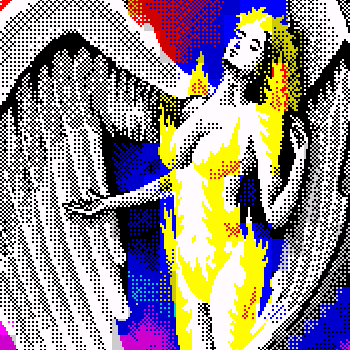
- Schafft: Provided the visual identity for the project, creating artwork that likely accompanied the musicdisk release to provide a unified aesthetic experience.
- MmcM: Handled the mastering process, ensuring that the audio output was balanced and technically compliant with the requirements of the ZX Spectrum hardware.
- Vortex and Poisoned CyberJack: Provided the essential coding and packing services, enabling the music to be played as an executable file on authentic hardware.
This collaboration illustrates the "all-in-one" philosophy of the era, where the music was inseparable from the code and the visuals that delivered it to the user.
Broader Impact on the Chiptune Genre
The legacy of Still Flying extends beyond its 2002 release date. As the digital music landscape shifted toward high-fidelity streaming and professional-grade production software, the work of artists like C-Jeff preserved the history of the "1-bit" and "3-channel" sound.
The decision to re-release the album on modern platforms like Bandcamp serves as a bridge between the historical demoscene and contemporary music audiences. By providing a digital window into the capabilities of the ZX Spectrum, the album allows listeners to experience the specific timbre and character of the AY-3-8910 chip, which has since become a staple sound in the lo-fi and electronic music genres.
Furthermore, the "music novel" conceptualization foreshadowed later trends in electronic music where albums are designed as cohesive, immersive experiences rather than mere aggregations of singles. The fact that the album was written in 2002, a time when the ZX Spectrum was already considered an "obsolete" platform, underscores the artist’s dedication to medium-specific art. This commitment to legacy hardware is now a cornerstone of the retro-gaming and chiptune movements, which continue to attract enthusiasts who prioritize technical craft and creative ingenuity over the ease of modern digital workstations.
Implications of Legacy Preservation
The transition of Still Flying from an executable musicdisk to a widely available digital album represents a successful model of digital archiving. In the field of computer history, the loss of early demoscene data—due to floppy disk degradation, storage medium obsolescence, and the loss of source code—is a significant concern. By moving these compositions to platforms that prioritize long-term accessibility, C-Jeff has ensured that the creative output of the 2002 ZX Spectrum community remains accessible for future study and enjoyment.
The ongoing interest in these tracks suggests that the artistic value of the music remains high, regardless of the limitations of the hardware used to create it. It proves that the "lyric" quality C-Jeff intended to capture is inherent to the composition itself, independent of the technological medium. As scholars and enthusiasts continue to analyze the evolution of digital music, Still Flying remains a definitive reference point for the intersection of 8-bit constraints and expressive musical storytelling.
The continued follow-up and engagement through modern digital storefronts by C-Jeff confirms the endurance of the project’s original vision. Over two decades later, the album maintains its status as an essential entry in the canon of chiptune history, reflecting a pivotal moment when the technical boundaries of the past were pushed forward by the creative aspirations of the present. Whether accessed through a legacy emulator or a modern audio player, the work stands as a testament to the longevity of well-crafted electronic composition.