 Hartono Sudibyo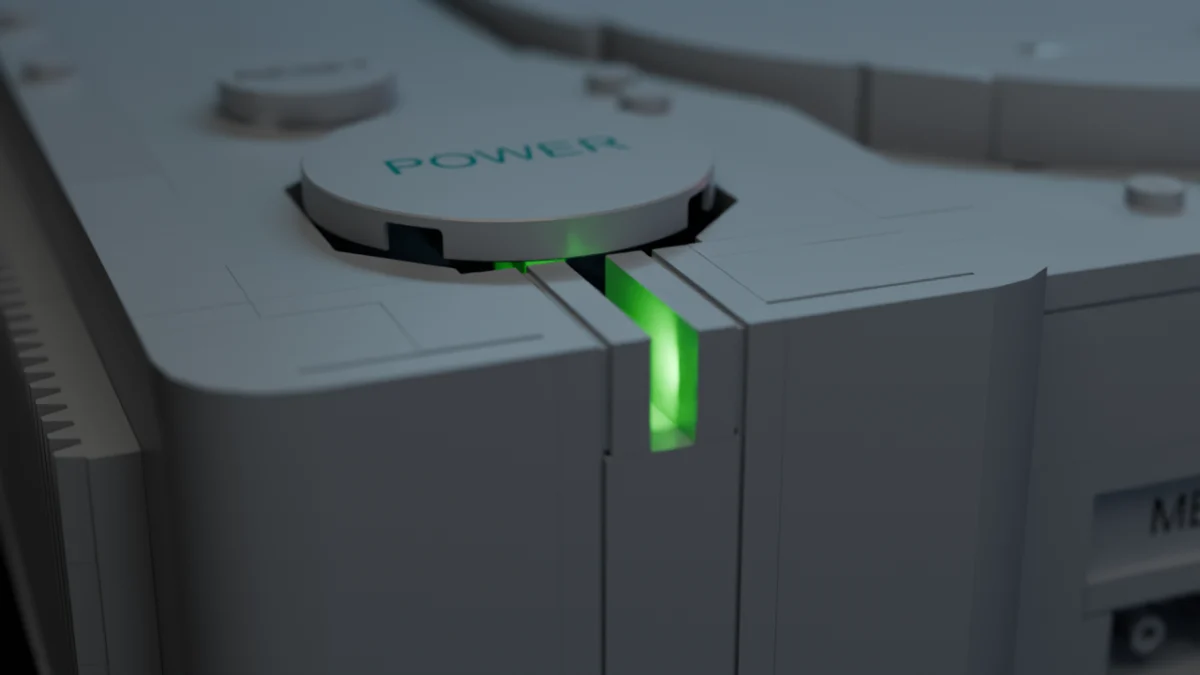
The intersection of nostalgic toy brick building and retro computing continues to evolve as the creative team behind the viral Kickstarter success, the BrickBoy, announces its latest hardware modification kit: the BrickStation. Designed specifically to integrate with the upcoming official LEGO PlayStation 1 set, this new hardware modification kit transforms a static display model into a fully functional, Raspberry Pi-powered emulation console. Following a crowdfunding campaign that amassed over $100,000 for their previous Game Boy conversion, the developers are once again pushing the boundaries of custom hardware integration, offering enthusiasts a seamless blend of classic plastic assembly and modern emulation capability.
Main Facts of the BrickStation Release
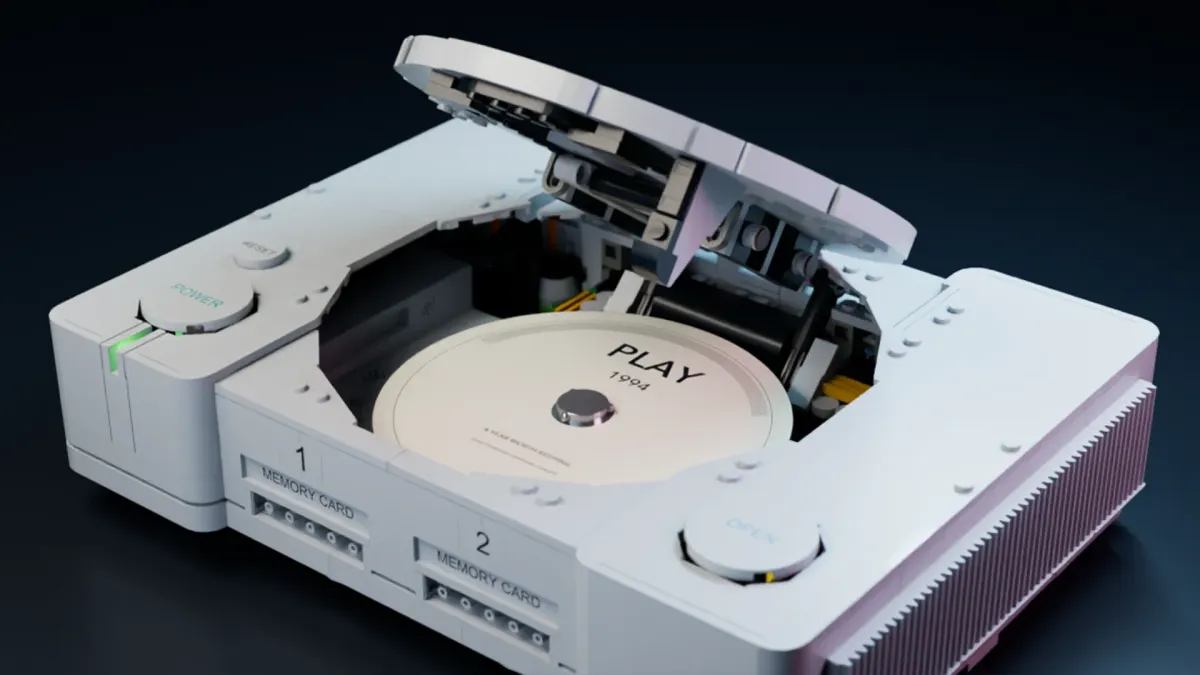
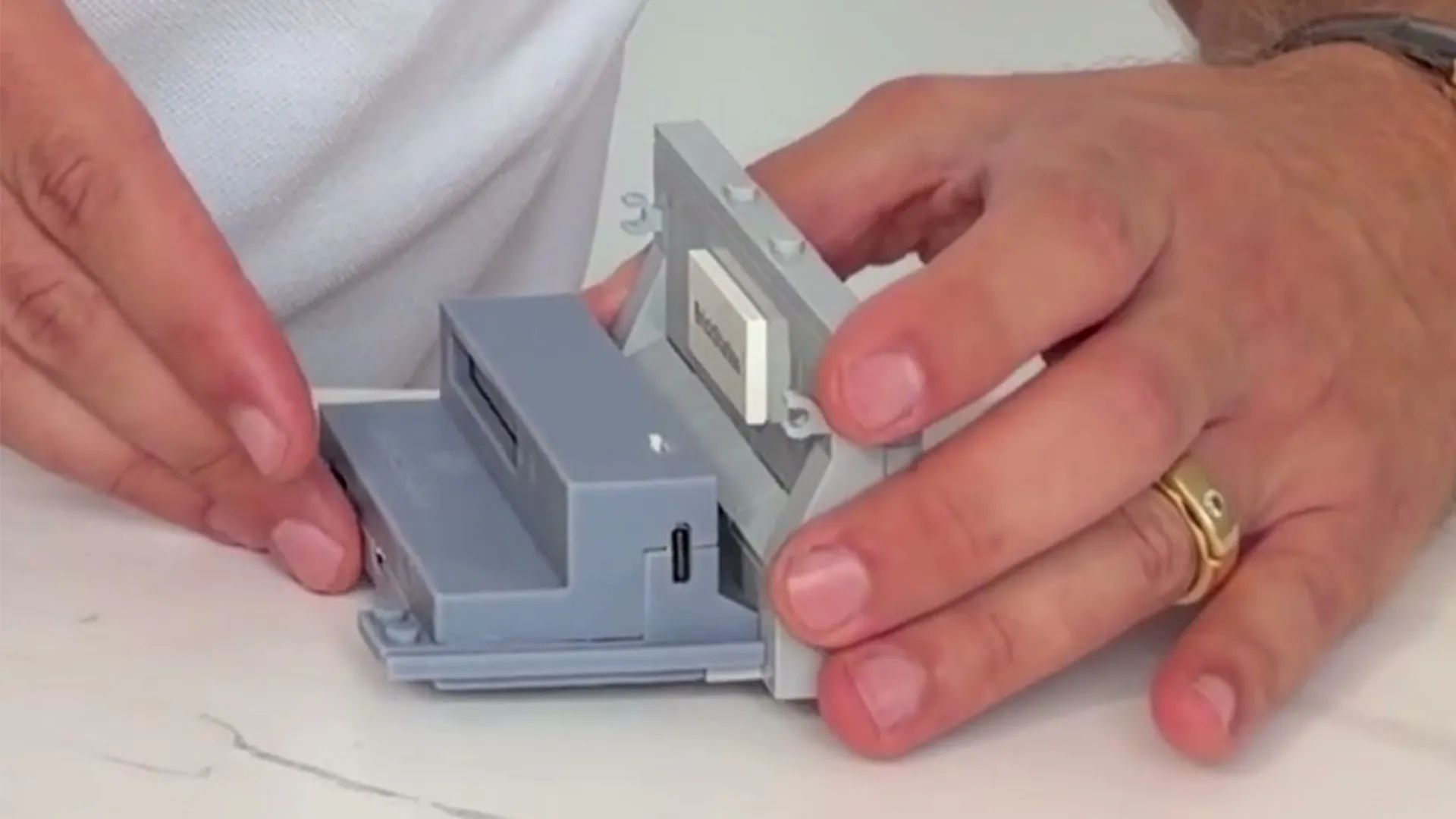
The BrickStation is a custom-engineered drop-in hardware kit tailored to fit directly inside the architecture of the officially licensed LEGO PlayStation 1. At its core, the kit utilizes a specialized, custom-built Raspberry Pi single-board computer equipped with an HDMI output interface. This allows users to connect the brick-built console directly to modern television sets and monitors for high-definition video output.
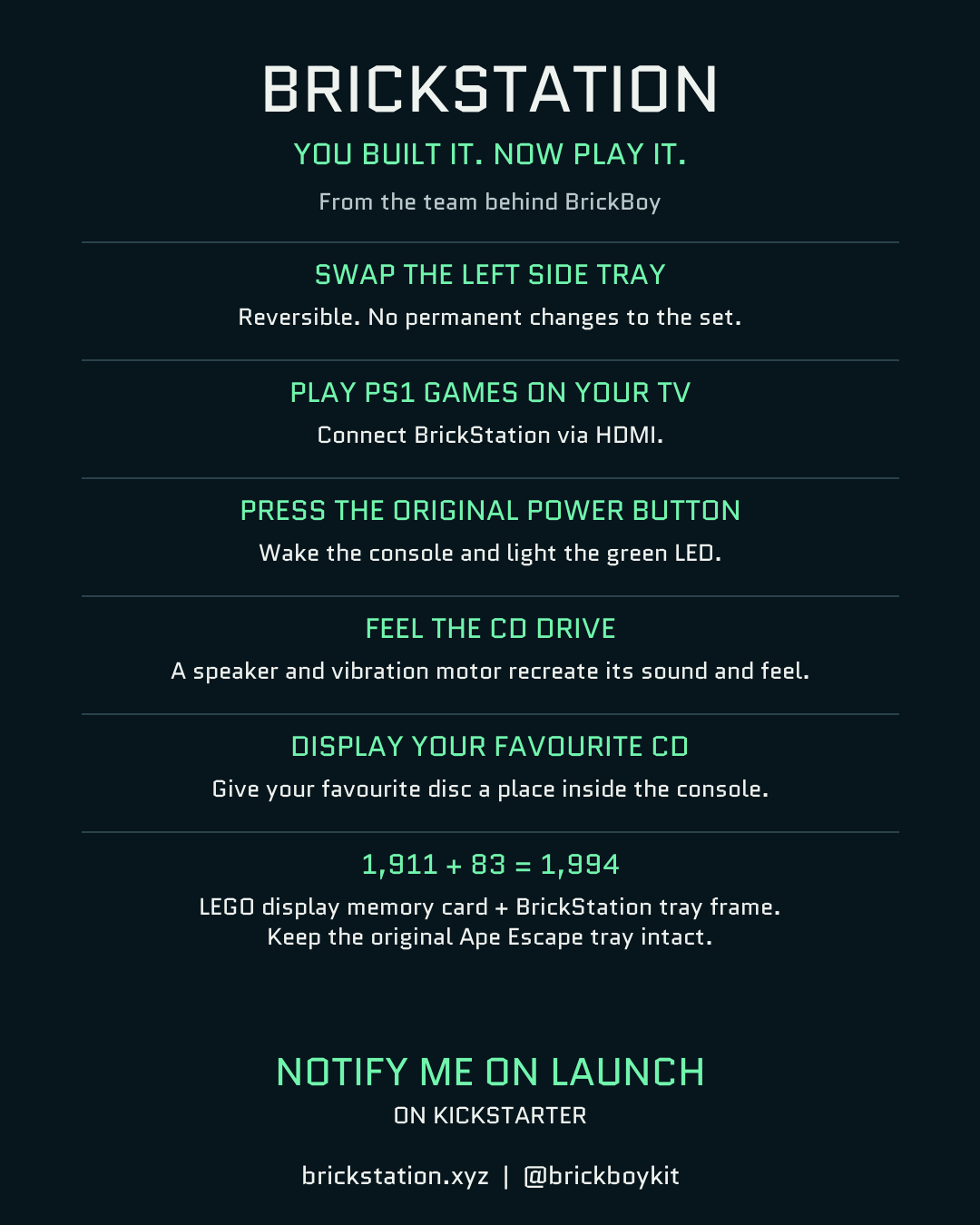
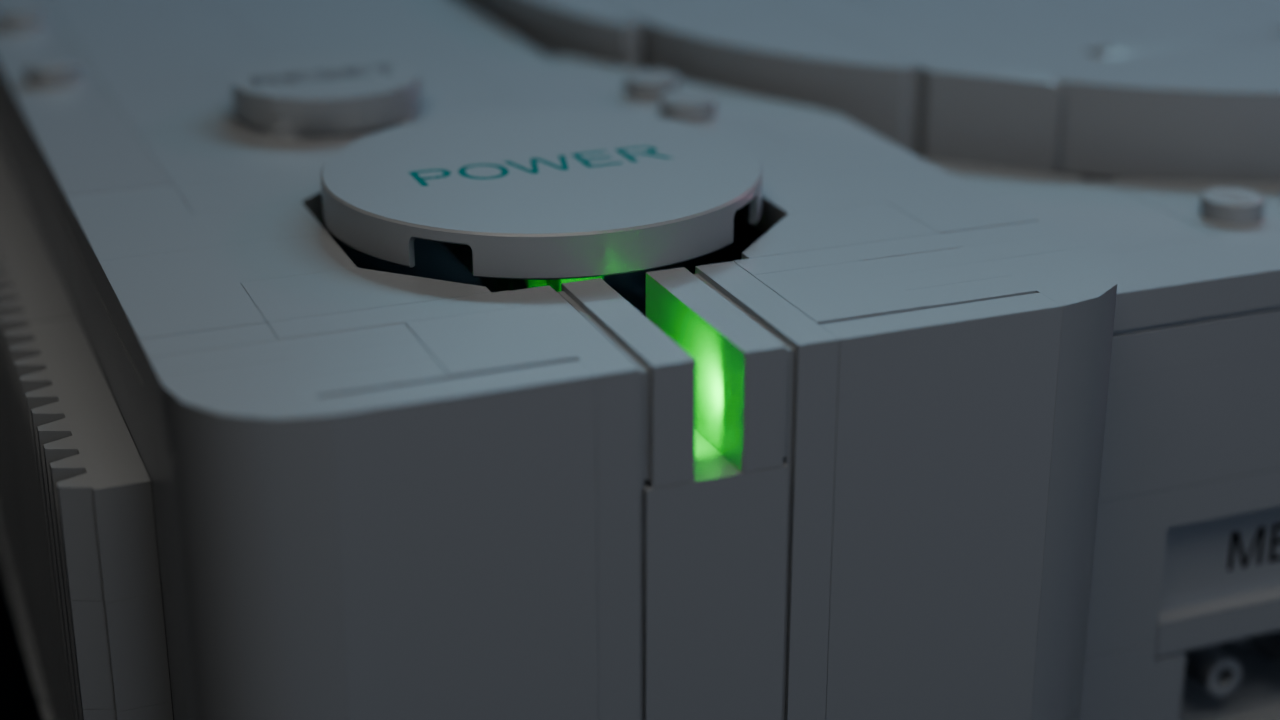
Beyond basic video playback, the engineering team has incorporated several tactile and sensory features to mimic the physical experience of operating an original 1990s Sony PlayStation. Users can depress the console’s original plastic "POWER" button to activate the system, complete with an illuminated green LED indicator. Furthermore, the internal chassis houses a specialized vibration motor and miniature speaker assembly designed to produce subtle physical feedback and audio cues. This mechanism creates a convincing physical replication of a spinning optical disc tray when the console boots up.
To preserve the aesthetic authenticity of the LEGO build, the BrickStation module is designed to slide directly into one of the console’s side accessory bays—such as the slot typically reserved for the Ape Escape diorama included in the official set. The kit also includes an additional 83 supplementary pieces, bringing the total piece count to 1,994—a deliberate homage to the year the original PlayStation debuted in Japan. These supplementary elements construct a specialized display memory card and an internal tray frame engineered to secure the delicate computing hardware safely within the plastic shell.
Chronology and Development Timeline
The genesis of the BrickStation project follows the operational trajectory established during the development and rollout of the BrickBoy. The original BrickBoy concept materialized as a niche hardware modification designed to house a Raspberry Pi and display panel within a custom LEGO Game Boy shell. After capturing the attention of the retro gaming community, the project launched a crowdfunding campaign on Kickstarter, ultimately surpassing its financial goals and securing over $100,000 in backing.
Shortly after the fulfillment and shipping phase of the BrickBoy units, the engineering collective turned its attention toward upcoming releases in the official LEGO licensing catalog. Anticipating the release of the official LEGO PlayStation 1 set, the team began prototyping internal spatial layouts to accommodate a Raspberry Pi without compromising the external structural integrity of the set.
The pre-launch registration page for the BrickStation went live in late September, allowing interested builders and gamers to register their interest ahead of the official hardware release. According to project communications, the comprehensive crowdfunding campaign is scheduled to officially launch in October, with production and fulfillment timelines anticipated to align closely with the widespread availability of the LEGO PlayStation 1 set.
Supporting Hardware Specifications and Technical Data
For hardware enthusiasts and emulation hobbyists, the BrickStation integrates several advanced features that elevate the project beyond a simple cosmetic shell swap. Chief among these is the inclusion of an authentic, functional original PlayStation memory card slot. Unlike standard emulation setups that rely exclusively on digital file structures, the BrickStation hardware interface allows users to insert physical, vintage PS1 memory cards. The system reads and writes authentic save states directly to the physical medium, bridging the gap between historical hardware ownership and modern emulation software.
In addition to legacy memory card support, the internal Raspberry Pi board is expected to feature native Bluetooth connectivity. This wireless protocol enables users to pair a wide variety of modern controllers, such as PlayStation 4 or PlayStation 5 gamepads, directly to the system. For purists wishing to utilize original Sony PlayStation controllers, the system accepts wired peripherals via external USB adapters, though users must source these conversion accessories independently, as they are not bundled in the base BrickStation kit.
The development team has also hinted at future hardware iterations and software expansions, including an anticipated accessory designed to allow users to rip or import physical optical discs directly into the console’s local solid-state storage.
Broader Impact and Industry Implications
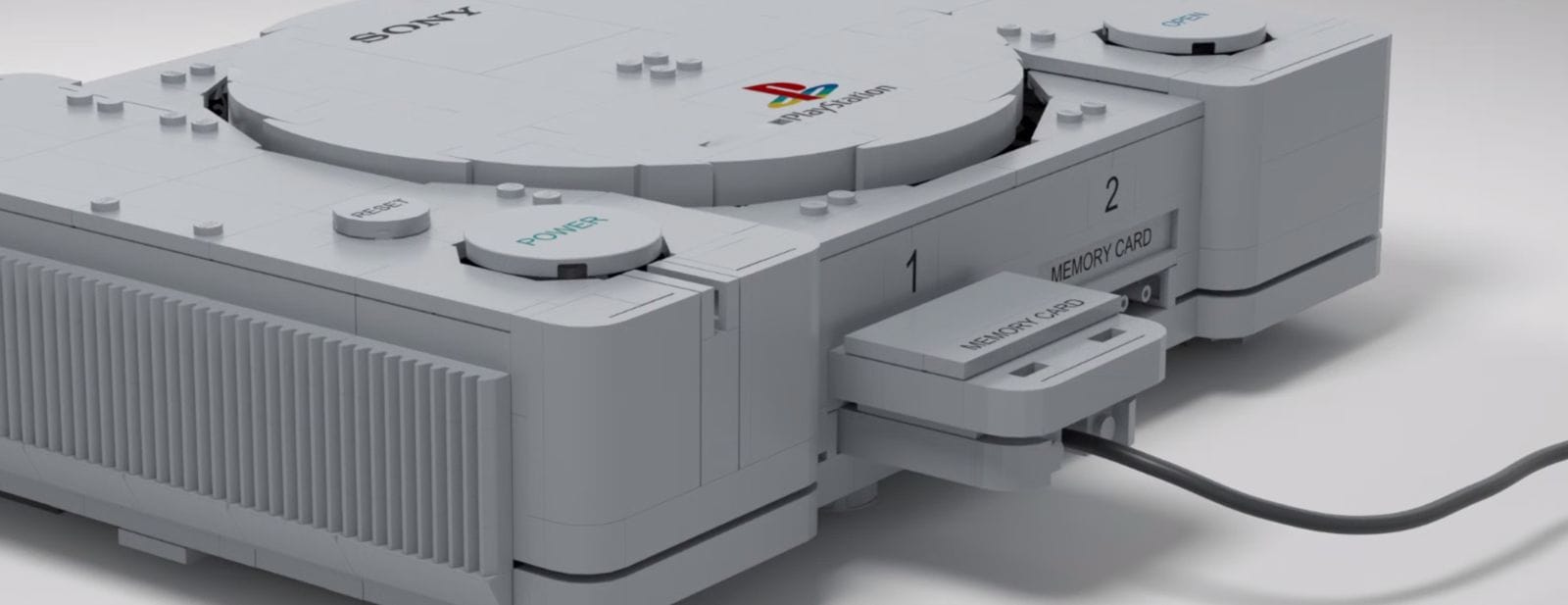
The emergence of conversion kits like the BrickStation highlights a growing sub-sector within the broader hobbyist and toy-brick markets: the convergence of structural display models with functional electronics. Major toy manufacturers, including LEGO, have increasingly targeted adult collectors with complex, nostalgic display sets intended for static shelving. However, independent engineering groups have identified a strong consumer demand for interactive utility within these high-end collector sets.
By maintaining the modular design of the original LEGO set—permitting users to swap out side-mounted dioramas for functional computing hardware without permanent modification to the plastic elements—these kits appeal to both strict purists and modification enthusiasts. As crowdfunding platforms continue to facilitate the production of small-batch, highly specialized hardware modifications, projects like the BrickStation demonstrate the viability of niche technological accessories operating in tandem with mainstream intellectual properties.
As the official crowdfunding campaign approaches, prospective buyers await final pricing structures, regional shipping schedules, and comprehensive compatibility lists. In the interim, the pre-launch registration remains active for those seeking to secure early access to one of the most mechanically complex custom LEGO integrations engineered to date.