 Vera Clarissa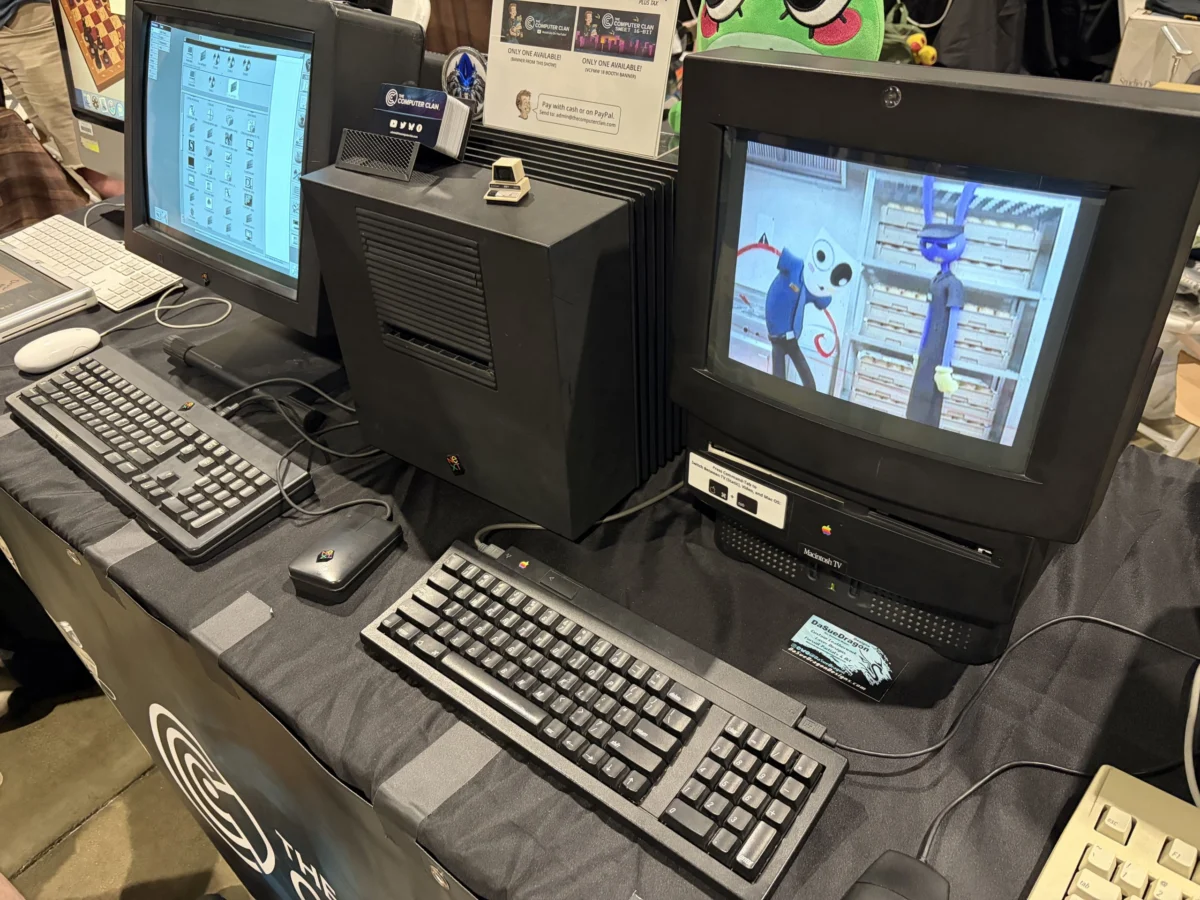
The Vintage Computer Festival (VCF) Midwest, held annually in the Chicago metropolitan area, has solidified its reputation as one of the premier gatherings for computer historians, enthusiasts, and hardware preservationists. The most recent iteration of the event, which drew attendees from across the country, served as a sprawling exhibition of technological evolution, showcasing everything from early 1980s microcomputers to specialized professional broadcast hardware. For many participants, the weekend provided a rare opportunity to bridge the gap between theoretical knowledge of legacy systems and hands-on interaction with the physical machines that defined the digital age.
Event Scope and Attendance
VCF Midwest occupies a unique space in the broader landscape of hobbyist conventions. Unlike consumer-facing technology trade shows that prioritize current-generation hardware and future-looking roadmaps, VCF Midwest focuses on the lifecycle of legacy technology. The 2024 event featured an extensive range of exhibitors, including individual collectors, non-profit foundations, and specialized engineering groups. The diversity of the hardware on display—ranging from the Nintendo Virtual Boy, a rare example of mid-90s consumer VR, to complex Apple network servers—underscores the event’s commitment to documenting the full spectrum of computing history.

The logistical scale of the event was notable, with a packed venue that necessitated efficient navigation for attendees. For many, the sheer volume of exhibitions highlighted a recurring theme in the retro-computing community: the desire for an extended event duration. As technology ages, the volume of hardware worthy of preservation increases, placing greater pressure on event organizers to curate displays that accurately reflect the historical significance of various platforms.
Chronology of Key Exhibits
The weekend was characterized by a series of high-profile exhibits and technical demonstrations. Among the earliest displays to garner significant attention was the exhibit curated by Mr. Macintosh. This collection featured a range of Apple servers spanning from 1996 to 2009. Of particular historical interest was the prototype Apple Network Server 300, a machine that predated the better-known 700/150 models. These systems serve as a testament to Apple’s mid-90s efforts to penetrate the enterprise and server markets, a period often overshadowed by the company’s later consumer-facing successes.
Parallel to this, the OP Workshop/reelyinteresting exhibit provided a deep dive into high-definition studio technology. By showcasing a Sony HDC500 camera linked to professional-grade equipment such as the Sony HVDS HR-Trinitron and the Sony HDM-1820, organizers demonstrated the technical capabilities of broadcast hardware that preceded the mass adoption of digital high-definition standards. The display raised critical questions regarding the history of resolution and signal clarity, with experts noting that while high-definition broadcasting was technically feasible in the 1980s, the economic and logistical barriers to implementation rendered it impractical for the average consumer.

Institutional and Collaborative Preservation
The Retro Tech Foundation, a major presence at the event, focused on the preservation of rare Apple hardware. Their "Apple Garage" exhibit featured a Bell & Howell branded Apple II—a significant artifact that illustrates the early licensing and distribution strategies of Apple Computer in the educational sector. Similarly, the presence of the Twentieth Anniversary Macintosh (TAM) allowed attendees to examine one of the most aesthetically distinct and technically ambitious projects in Apple’s history.
Collaborative efforts were further exemplified by the participation of industry figures such as Jeff Geerling. His exhibit on Network Time Protocol (NTP) servers showcased a practical application of legacy hardware in a modern context. By using an Xserve G5 as a Stratum 2 time server, alongside a Raspberry Pi-powered Stratum 1 server, Geerling’s display highlighted how vintage equipment can be integrated into functional, modern network environments. This approach effectively demonstrates the "upcycling" potential of hardware that would otherwise be discarded.
Rare Hardware and Engineering Insights
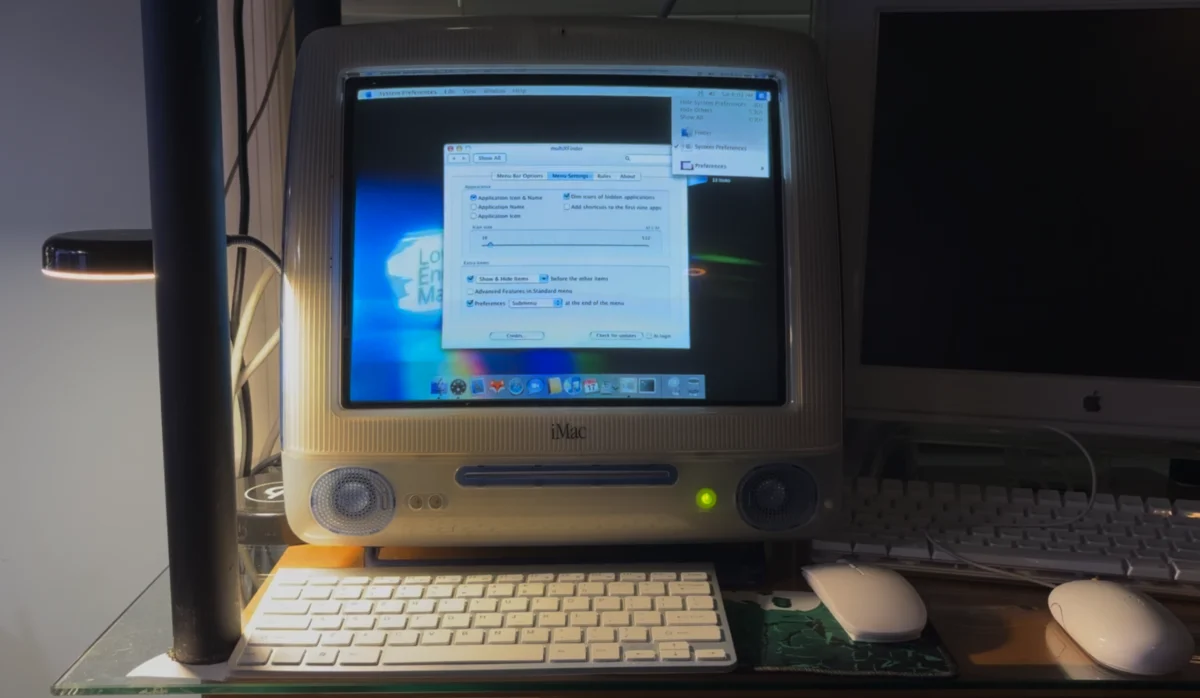
The Computer Clan’s exhibition served as a focal point for those interested in Apple’s design evolution. The showcase of a prototype 24-inch 2007 iMac provided a rare glimpse into the internal development cycle of one of the company’s most successful desktop lines. Distinguishing features—such as the "iMac" branding instead of the Apple logo, the inclusion of an early-model GPU, and the mismatched plastic trim—offered attendees a tangible example of the iterative nature of product development.

Furthermore, the Apple Pippin, presented by the team behind The Macintosh Librarian, offered an educational opportunity for attendees less familiar with Apple’s foray into the gaming console market. As a derivative of the Macintosh platform, the Pippin’s architecture and its use of a stripped-down Mac OS 9 environment remain a significant subject of study for historians interested in the crossover between general-purpose computing and dedicated game consoles.
Technical Analysis: Analog vs. Digital Standards
A recurring technical theme throughout the festival was the comparison between analog broadcast standards and modern digital video. Discussions with groups like NCG Engineering emphasized that the crispness observed in 800-scan-line broadcast equipment was achieved through high-precision optics and analog processing that pushed the limits of the technology at the time. This contrast serves as a vital historical marker, illustrating the difference between the "brute force" high-resolution approach of early professional television and the compressed digital formats that dominate contemporary media.
Additionally, the exhibition of the DREAMM emulator by Aaron Giles highlighted the importance of software preservation. By running original LucasArts and LucasFilm games on a Macintosh TV, the exhibit showcased how software-based emulation can bypass the degradation of physical media and hardware, ensuring that interactive digital history remains accessible to future generations.

Broader Impact and Implications
The impact of VCF Midwest extends beyond the immediate excitement of the event. It functions as a vital repository for knowledge that is not documented in standard corporate archives. As hardware reaches the 30-to-40-year mark, the risk of "bit rot" and physical component failure increases significantly. Events like this facilitate the transfer of technical expertise from the original generation of engineers and users to younger enthusiasts, ensuring that the maintenance and repair protocols for these systems are not lost.
The market value of these machines also continues to fluctuate, as evidenced by the sale of a non-functioning Apple III for between $600 and $700. Such transactions reflect the growing scarcity of functional units and the rising demand for parts-capable systems. For collectors and institutions, these prices underscore the necessity of professional-grade preservation and the long-term cost of maintaining historical computing infrastructure.
Conclusion
As the event concluded, the consensus among attendees was that the demand for physical preservation is stronger than ever. The intersection of music production hardware, broadcast standards, enterprise server technology, and consumer electronics at VCF Midwest provides a holistic view of the last four decades of technical progress. By documenting the quirks, prototypes, and failures alongside the commercial successes, the event serves as a crucial anchor for technological literacy.

Future iterations of VCF Midwest will likely continue to face the challenge of incorporating increasingly modern hardware—such as early web-era servers and late-90s personal computing—into their exhibits. However, if the 2024 gathering is any indication, the community possesses the technical rigor and historical interest necessary to navigate this transition, ensuring that the legacy of these machines continues to inform and inspire. The commitment of individuals like Stan Skora, who contributed personal expertise and hardware to the event, ensures that the history of computing remains a living, evolving narrative rather than a static record of the past. Future documentation and photographic archives from the event are expected to be made available, providing a further resource for researchers and enthusiasts alike.