 Cecilia Chamidah Nur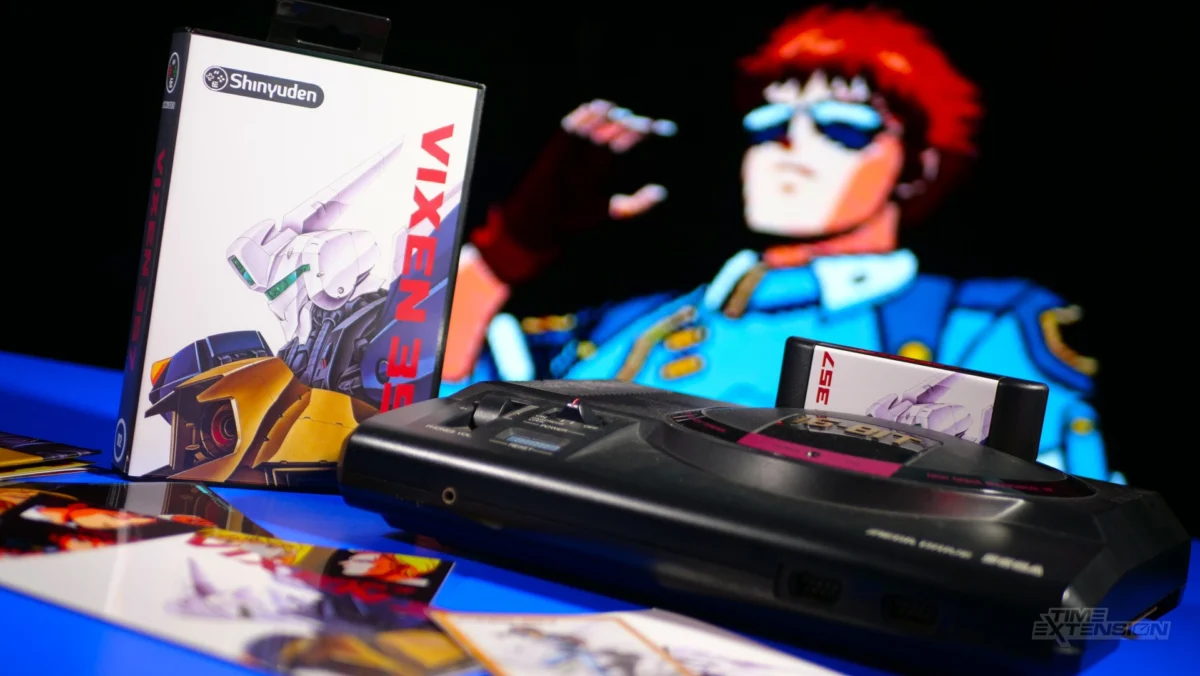
After a developmental odyssey spanning over three decades, the Japanese-exclusive tactical role-playing game Vixen 357 has finally arrived in Western markets. Originally released for the Sega Mega Drive in 1992 by the studio Career Soft, the title represents a significant piece of lost gaming history, finally accessible to English-speaking enthusiasts through the efforts of publisher Shinyuden. The release marks the end of a protracted period of anticipation, characterized by multiple shifts in publishing stewardship and the ongoing interest of the retro-gaming preservation community.
A Legacy of Tactical Excellence
Vixen 357 occupies a unique space in the library of 16-bit tactical RPGs. Developed by Career Soft, the studio achieved critical acclaim for their contributions to the genre, most notably the Langrisser series, Elthlead, Gaia no Monshou, and Gaiflame. While many of its contemporaries in the early 1990s focused on high-fantasy tropes involving swords, sorcery, and turn-based medieval combat, Vixen 357 pivoted toward a science-fiction setting.
The game utilizes the mechanical framework popularized by the Fire Emblem series, emphasizing grid-based movement, terrain utilization, and unit management. However, the thematic departure—swapping infantry and mages for customizable, heavy-duty mechs—provided a distinct tactical experience that resonated with players of the era. Despite its pedigree, the game remained locked behind a language barrier for 33 years, surviving only through fan-led translation patches and emulation, neither of which carried the weight of an official, physical localization.
A Chronology of the Localization Effort
The journey to bring Vixen 357 to Western storefronts is a testament to the complexities of retro-game publishing. The timeline of this project highlights the dedication required to navigate intellectual property rights and manufacturing logistics in the modern era:
- 1992: Vixen 357 is released exclusively in Japan for the Sega Mega Drive. It becomes a cult classic among genre enthusiasts but fails to see a release in North American or European territories.
- 2019: Super Fighter Team announces its intent to officially localize the title, generating significant interest within the retro-gaming community. This marked the first formal step toward a Western release.
- 2022: Super Fighter Team formally steps away from the project, leaving the status of the localization in doubt and creating a three-year period of uncertainty regarding the game’s future.
- 2025: Shinyuden confirms its acquisition of the project, finalizing the translation, production, and distribution of the physical cartridges, successfully bringing the game to market.
This transition from Super Fighter Team to Shinyuden underscores the inherent risks and delays common in the "boutique" retro-publishing sector, where companies often balance limited capital with high manufacturing costs for physical media.
Product Integrity and Hardware Compatibility
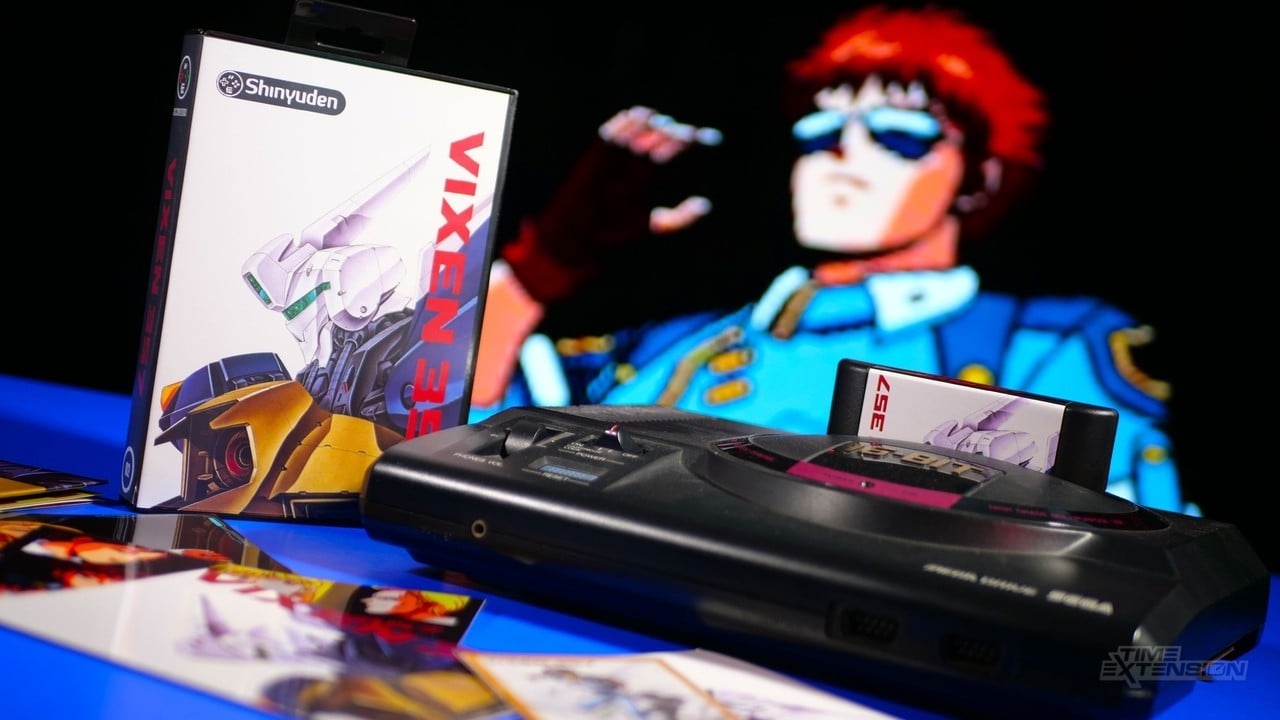
The release package from Shinyuden reflects the standard of quality expected by contemporary collectors. The retail edition includes supplementary physical media such as a collector’s trading card, a curated set of postcards, a double-sided poster, and a reversible cover. These items serve to add value to the physical release, a standard practice for publishers targeting the collector market.
Technical verification of the cartridge has confirmed compatibility across a broad spectrum of hardware configurations. The title has been successfully tested on original hardware, including the Japanese Mark 1 Mega Drive, as well as modern FPGA-based solutions like the Analogue Mega Sg and portable hardware modifications such as the Sega Nomad. The stability of the code on both original and modern hardware suggests that the translation and ROM implementation were handled with a high degree of technical proficiency, ensuring that the game functions as intended without the need for region-locking workarounds.
The Broader Impact on Video Game Preservation
The localization of Vixen 357 serves as a practical example of the ongoing shift in video game preservation. Traditionally, companies held onto "lost" titles as proprietary assets with no intent to release them, leading to the decay of original source code and the reliance on unofficial ROM dumping. The success of this release demonstrates a viable economic model for third-party publishers: taking long-dormant intellectual property and monetizing it for a niche but highly dedicated demographic.
By providing a professional English translation, Shinyuden has effectively transitioned Vixen 357 from a "lost" game into a documented part of the Western historical record. This allows for critical analysis of Career Soft’s design evolution—specifically how their work on Vixen 357 influenced the later mechanical balance of the Langrisser titles. For historians, the availability of an official English version allows for a clearer understanding of the evolution of the turn-based strategy genre, specifically regarding how mechanical systems were adapted for different narrative settings in the early 90s.
Market Implications for Retro-Publishing
The successful arrival of Vixen 357 is likely to reinforce the viability of the "physical retro" market. While the digital marketplace remains dominant for modern titles, the demand for high-quality, physical documentation and physical media for older consoles has seen a resurgence. This trend is driven by a demographic of players who value tactile ownership and the archival nature of physical cartridges.
The publisher’s ability to navigate the transition between previous developers and the final release indicates a maturing market for legacy gaming assets. However, challenges remain. As observed with the minor manufacturing issues—such as the cartridge label adhesion reported by early recipients—the logistics of high-quality physical production remain a hurdle for small-scale publishers. Maintaining quality control during the manufacturing process is essential, as these products are primarily purchased by collectors who prioritize the integrity of the physical item as much as the software contained within.
Conclusion: A Significant Milestone
The release of Vixen 357 is more than just a retail event; it is the culmination of years of advocacy by the gaming community and the determination of developers and publishers to see an underserved title reach a wider audience. By finally closing the chapter on the game’s Japanese exclusivity, the industry continues to demonstrate that there is significant cultural and commercial value in the preservation and localization of historical titles.
As the game moves into the hands of players, the primary interest will shift toward the quality of the narrative localization and the long-term replayability of the mechanics. If the initial reception remains positive, it will likely provide a blueprint for other publishers to pursue the acquisition of similar "lost" titles, potentially opening the door for a broader reassessment of the 16-bit era’s deep, often overlooked library. For now, Vixen 357 stands as a completed project, a piece of gaming history that has successfully transitioned from the shadows of obscurity into the light of the modern gaming landscape. The collaboration between the original creators’ vision and the modern publisher’s efforts has ensured that this mechanical strategy title will be enjoyed for years to come, securing its place in the history of the Sega Mega Drive.