 Cecilia Chamidah Nur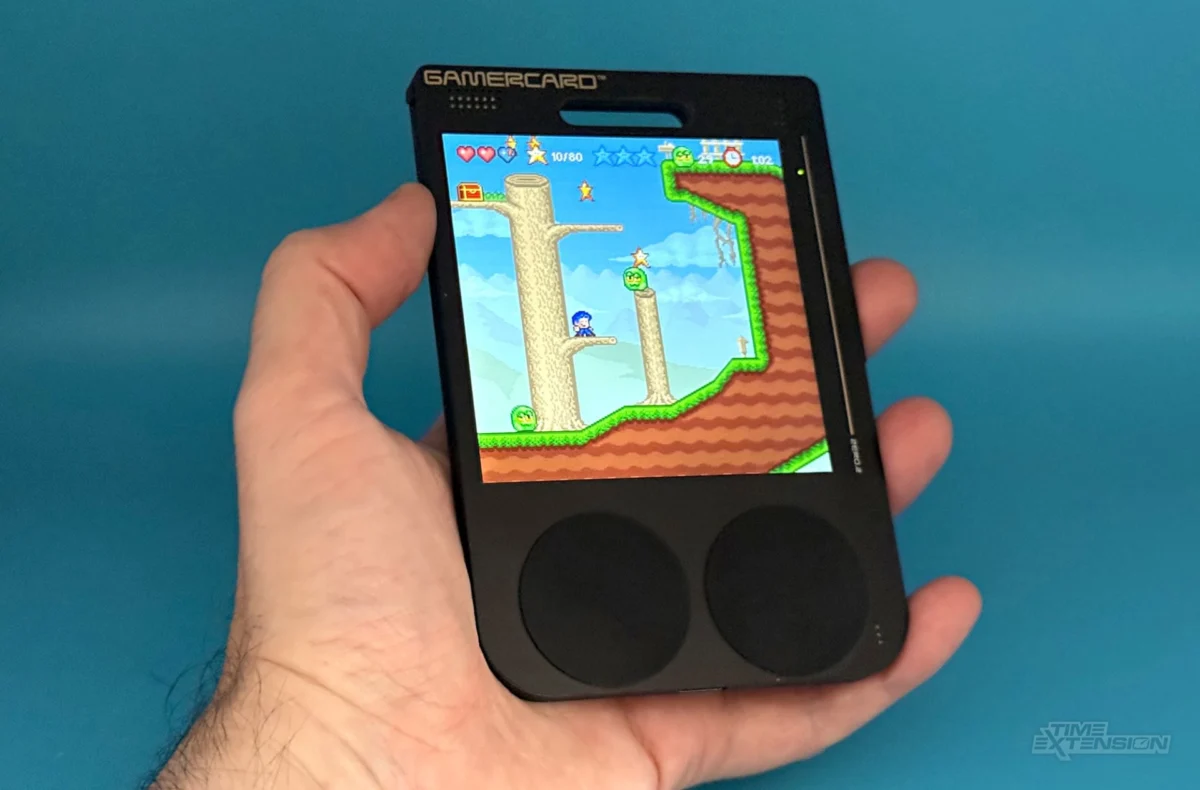
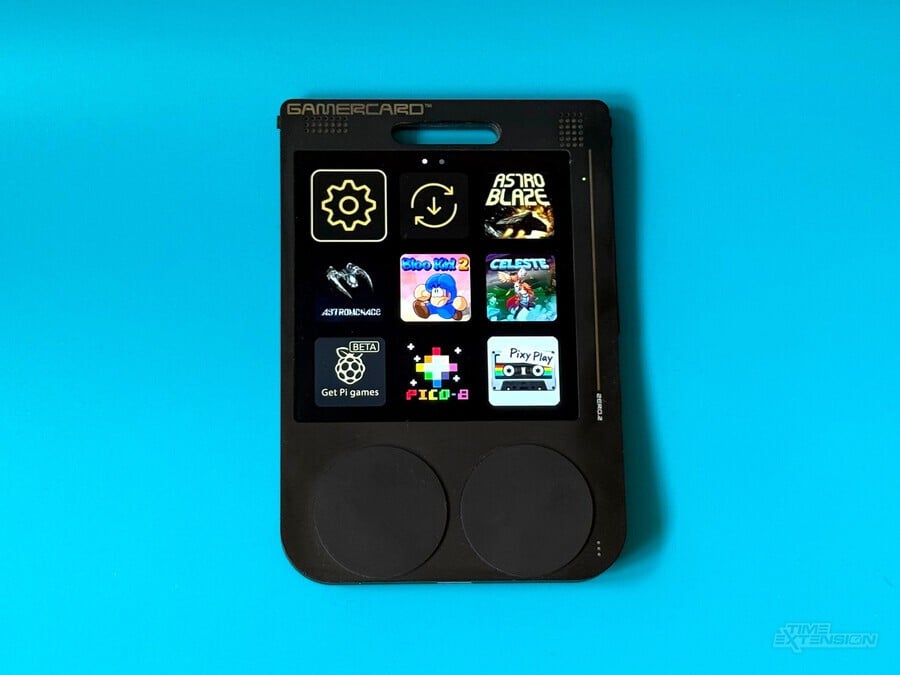
The launch of the GamerCard, a credit-card-sized handheld gaming device developed by Grant Sinclair, represents the latest attempt to capitalize on the enduring legacy of the Sinclair name in the personal computing industry. Priced at £149, the device aims to bridge the gap between retro computing enthusiasts and modern portable hardware. However, technical analysis of the unit reveals significant design and ergonomic challenges that complicate its positioning within the competitive retro-handheld market.
Historical Context and the Sinclair Legacy
The Sinclair brand is historically tethered to the 1980s home computing revolution, spearheaded by Sir Clive Sinclair. Devices such as the ZX80, ZX81, and the iconic ZX Spectrum defined an era of affordable, accessible computing for the United Kingdom and beyond. The Sinclair legacy is defined by a philosophy of miniaturization, unconventional design, and the push for mass-market affordability.
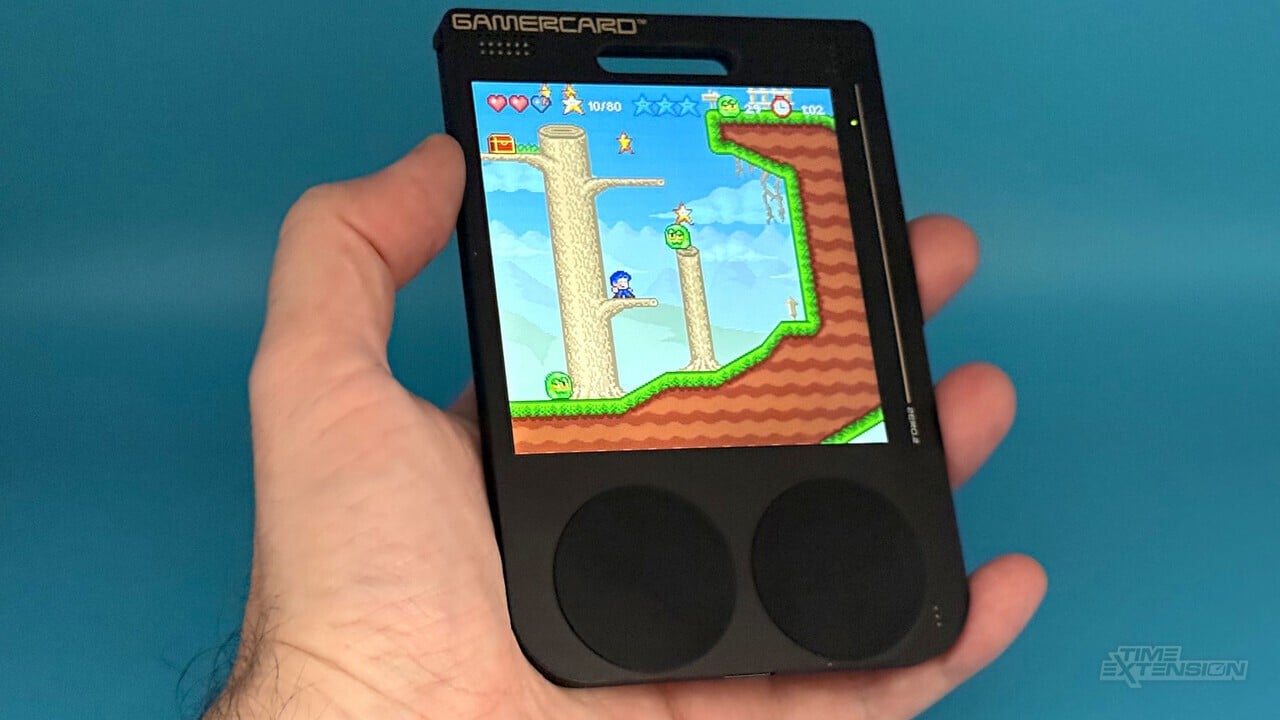
In recent years, the market for retro-gaming hardware has expanded rapidly. Projects such as the ZX Spectrum Next have successfully leveraged the goodwill associated with the Sinclair name by utilizing FPGA (Field Programmable Gate Array) technology to provide a high-fidelity experience for enthusiasts. The GamerCard, developed by Grant Sinclair—the nephew of Sir Clive—attempts to honor this tradition of innovation by housing a Raspberry Pi Zero 2W inside an exceptionally thin chassis, measuring only 6.5mm in depth.
Design and Ergonomic Assessment
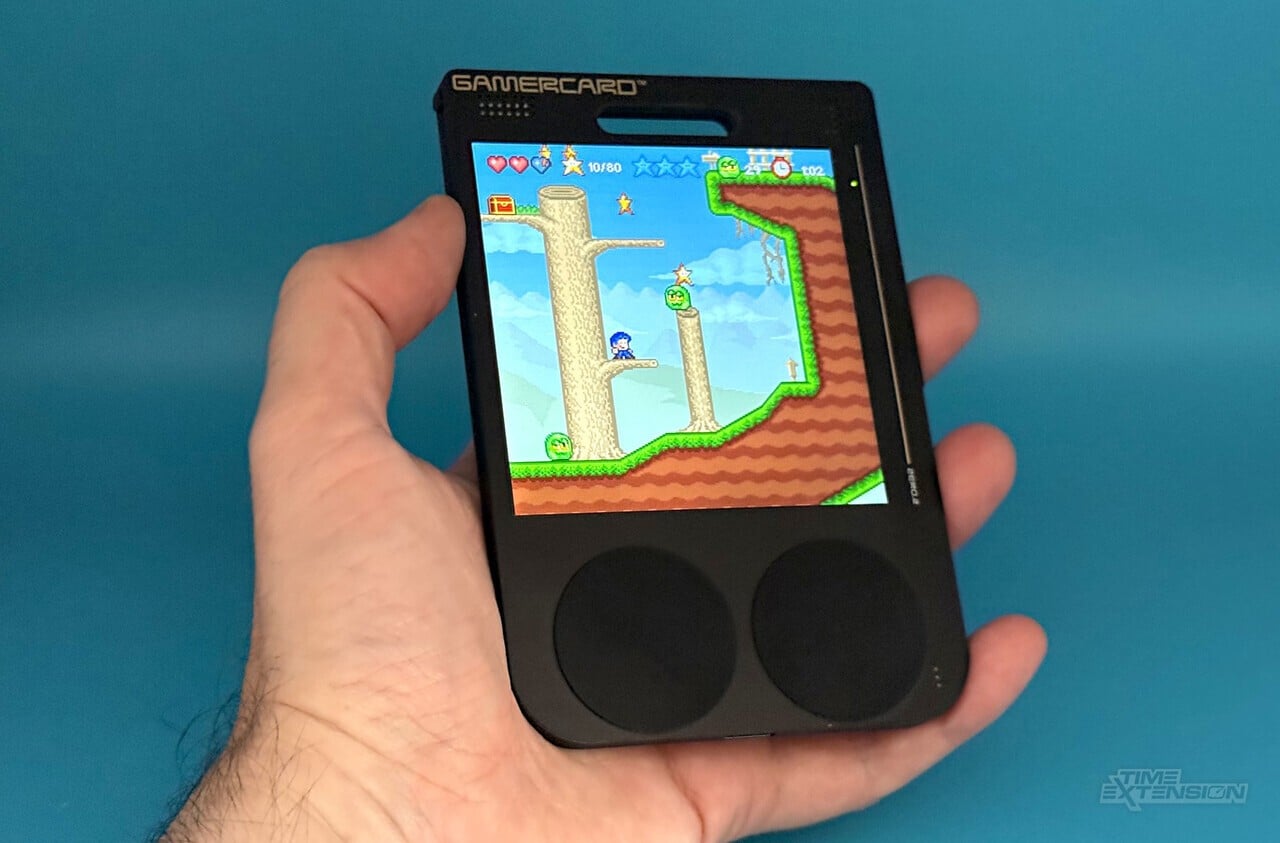
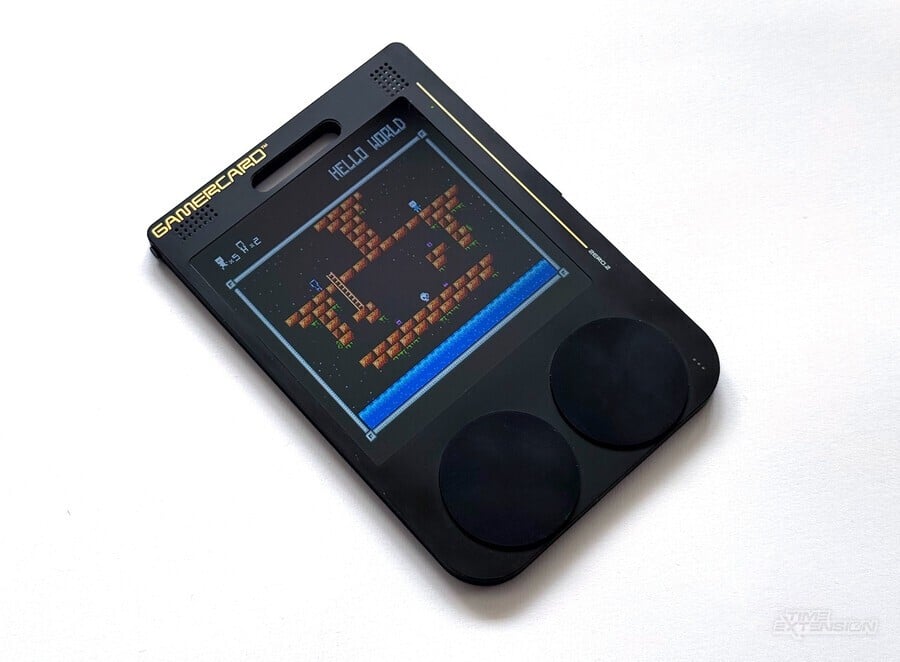
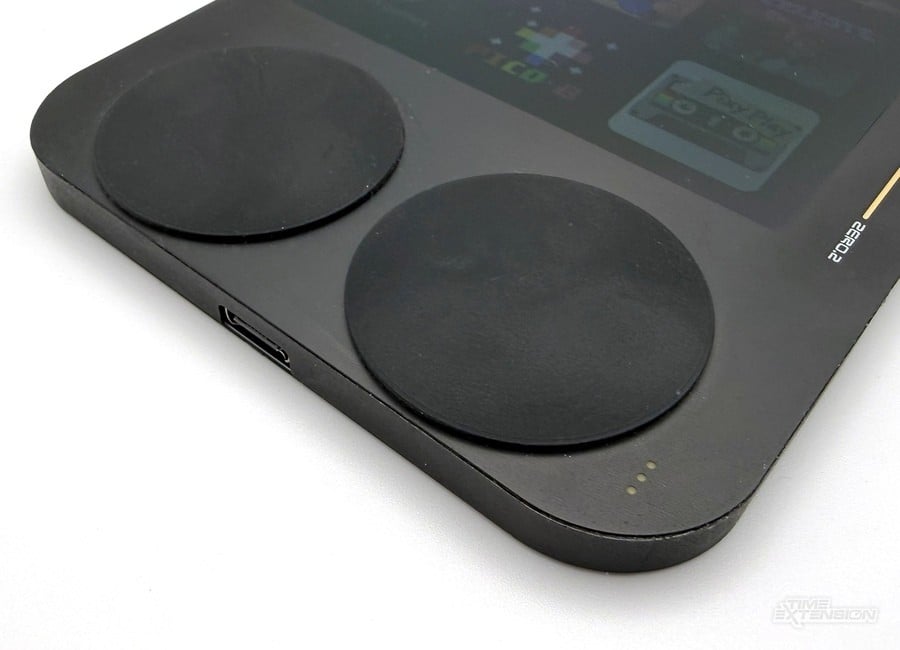
The GamerCard distinguishes itself through its physical form factor. Weighing just 105 grams, the device is designed to be highly portable, roughly the thickness of a smartphone. However, the pursuit of extreme thinness has introduced notable usability hurdles. The device features sharp edges that lack the ergonomic curvature found in contemporary handheld consoles, leading to discomfort during extended play sessions.
The control interface consists of two silicone discs rather than traditional tactile buttons or a directional pad. Technical testing indicates that these inputs suffer from a lack of physical feedback and inconsistent registration. Users have reported issues with ghost inputs—where a single press is registered as multiple commands—or, conversely, a complete failure to register an action. These hardware limitations are particularly detrimental in fast-paced gaming environments, such as platformers or racing titles, where precise input is required.
Furthermore, the integration of secondary controls on the rear of the device, intended to function as shoulder buttons, lacks sufficient tactile feedback for effective use. The omission of dedicated, easily accessible volume controls and a standard headphone jack further deviates from current industry standards, forcing users to rely on Bluetooth audio or suffer through the limitations of the internal speakers.
Display and Thermal Performance
The GamerCard features a 4-inch square display with a resolution of 720×720 pixels. The panel itself is bright and offers high pixel density, which benefits well-optimized titles. However, the device’s reliance on the Raspberry Pi Zero 2W chipset limits its ability to manage high-end emulation software.
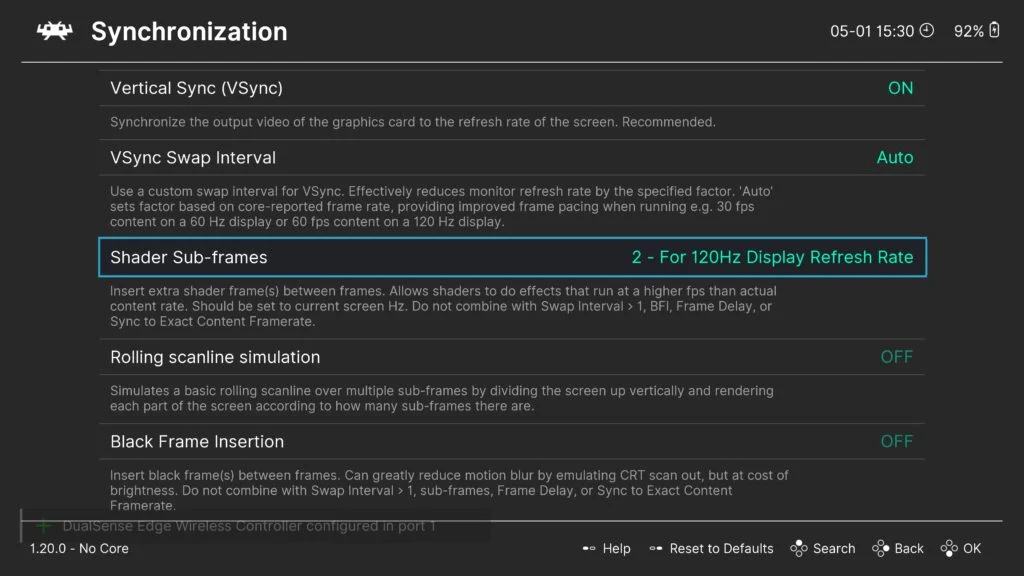
The lack of native integer scaling support for many emulated platforms creates visual artifacts, such as uneven pixel distribution, which can only be mitigated through the manual installation of shaders via FTP or terminal access. Because the chipset lacks the processing overhead to render high-fidelity shaders in real-time, attempts to improve the visual output often result in degraded performance and frame-rate stuttering.
Thermal management is an additional point of concern. Due to the device’s minimal internal volume, heat dissipation is inefficient. Sustained gameplay results in a noticeable increase in surface temperature on the back of the unit, which, when coupled with the thin design, limits the comfort of the user during long-duration sessions. Battery life is currently capped at approximately 90 minutes, a figure that falls well below the performance metrics of other portable devices in the same price bracket.
Software Environment and UI Limitations
The operating system installed on the GamerCard is a customized Linux distribution paired with a proprietary user interface. While the UI features high-resolution icons, it lacks basic customization features such as the ability to reorder the app grid. Button mapping within the software environment remains inconsistent; users must navigate through counter-intuitive configurations where the same button may function as a "confirm" command in one menu and an "exit" command in another.
The device comes pre-installed with a selection of games and the RetroPie emulation suite. While RetroPie is a industry-standard, open-source solution, its implementation on the GamerCard is described as a "stripped-down" version. This configuration requires a significant degree of technical proficiency to rectify. Users who wish to optimize the emulation experience must engage in advanced tasks, such as modifying configuration files, installing missing cores, and manually configuring controller inputs for each individual emulator. For the average consumer, the absence of a "plug-and-play" experience represents a significant barrier to entry.
Market Implications and Competitive Landscape
The current retail price of £149 places the GamerCard in direct competition with established handhelds from manufacturers like Anbernic, Retroid, and Miyoo. These competitors offer significantly more robust hardware, including dedicated D-pads, analog sticks, longer battery life, and more mature, user-friendly software environments.
The GamerCard’s reliance on the Raspberry Pi architecture is its primary selling point, offering a level of "tinkering" potential that appeals to a specific segment of the maker community. However, the product is marketed as a "GamerCard," implying a primary use case as a gaming console. When judged against this functional requirement, the device fails to provide an experience that matches or exceeds the current market standard.
Chronology of Development
The project began as an attempt to translate the Sinclair ethos into a modern mobile form factor. Throughout its development, the focus remained on the hardware’s aesthetic, which aligns with the "impulse-purchase" retail model often associated with small-scale consumer electronics. Despite this ambition, the transition from prototype to consumer-ready product has been marked by a failure to address fundamental ergonomic and software-related shortcomings that were identified during early testing phases.
Future Outlook
The viability of the GamerCard in the current market depends heavily on the manufacturer’s ability to issue comprehensive firmware updates that address the current UI inconsistencies and controller mapping issues. While software can be refined, the physical hardware limitations—specifically the silicone-disc controls and the thin, sharp-edged chassis—are permanent design choices that cannot be remedied post-manufacture.
For the Sinclair brand, the GamerCard serves as a cautionary tale regarding the difficulty of balancing nostalgia-driven design with modern functional requirements. While the device succeeds as an object of curiosity, it struggles to fulfill its primary purpose as a gaming system. As the market for retro-hardware continues to mature, consumers are increasingly prioritizing ergonomics, performance, and software stability. Without significant revisions to both hardware and software, the GamerCard is unlikely to achieve the same cultural or commercial impact as the devices that once defined the Sinclair name.
In conclusion, while the GamerCard is a product of clear ambition and effort, it does not currently represent a viable alternative to existing retro-gaming solutions. The disconnect between its design goals and the actual user experience highlights the necessity for rigorous ergonomic testing and software refinement in the development of modern handheld consoles. For enthusiasts, the device remains a niche project that requires significant technical patience to operate, rather than the seamless, nostalgic gaming experience that the brand name might otherwise suggest.