 Ganda Hendra Perkasa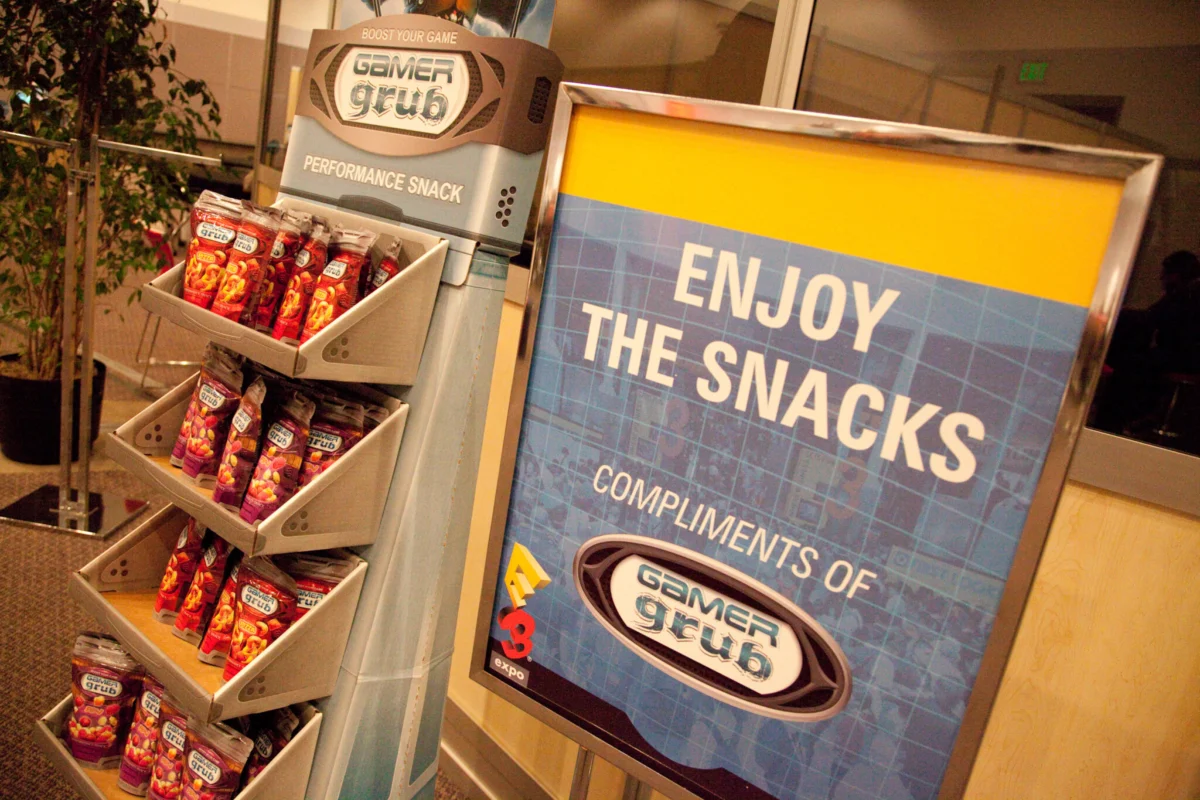
The Video Game History Foundation has recently spotlighted a remarkably comprehensive yet largely overlooked archival acquisition: a collection of more than 1,600 promotional photographs documenting the Electronic Entertainment Expo (E3) of 2009. Donated by Carolyn Rauch, former senior vice president of the Entertainment Software Association (ESA), the cache of images provides an unprecedented, granular look at an industry-defining trade show during a period of profound transition. Preserved on a single DVD-R and captured primarily by photographer Asa Mathat—with additional copyrights attributed to the ESA and IDG Communications—the archive spans every facet of the convention, stretching far beyond the brightly lit show floors to encompass press rooms, registration desks, backstage VIP lounges, and the bustling corridors of the Los Angeles Convention Center.
Chronology and Context: The Evolution of E3 Leading Up to 2009
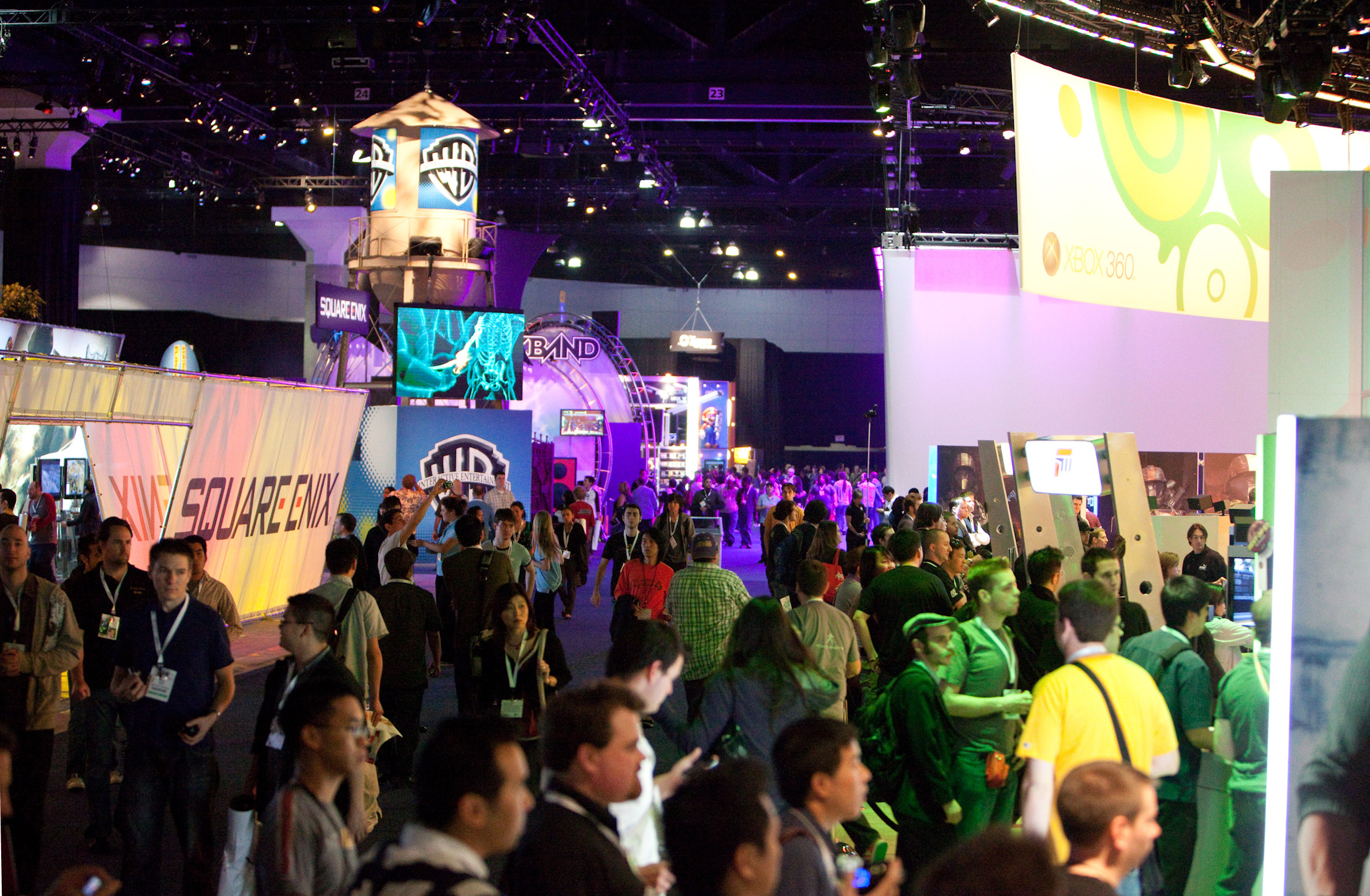
To understand the significance of the E3 2009 photo archive, it is necessary to examine the tumultuous trajectory of the convention leading up to that year. Established in 1995 by the Interactive Digital Software Association (IDSA, later renamed the ESA) alongside industry pioneers such as co-founder Doug Lowenstein, E3 rapidly evolved into the premier global showcase for interactive entertainment. Throughout the late 1990s and early 2000s, the event grew exponentially, characterized by colossal, multi-million-dollar booths, deafening audio systems, celebrity appearances, and an atmosphere of unchecked corporate spectacle.
However, by the mid-2000s, major publishers and hardware manufacturers grew increasingly fatigued by the skyrocketing costs and logistical chaos associated with the massive convention. Seeking a more measured approach, the ESA dramatically downsized the event for 2007 and 2008, rebranding it as the "E3 Media and Business Summit." Held in restricted, invitation-only venues like the Barker Hangar in Santa Monica rather than the sprawling LA Convention Center, these scaled-down summits prioritized quiet business meetings and press briefings over public spectacle. While effective for cost-cutting, the stripped-down format alienated fans and diminished the palpable cultural momentum that the traditional trade show had generated.
Recognizing the need for a sustainable middle ground, organizers orchestrated a strategic pivot for E3 2009. The convention returned to its spiritual home at the Los Angeles Convention Center, yet it was deliberately redesigned to avoid the financial and organizational excesses of the pre-2007 era. According to reflections shared by Rauch and Lowenstein on the Video Game History Hour podcast, E3 2009 represented a calculated compromise: it offered the grandeur and scale required by a booming global business, yet imposed structural efficiencies to keep runaway expenses and chaotic congestion in check.
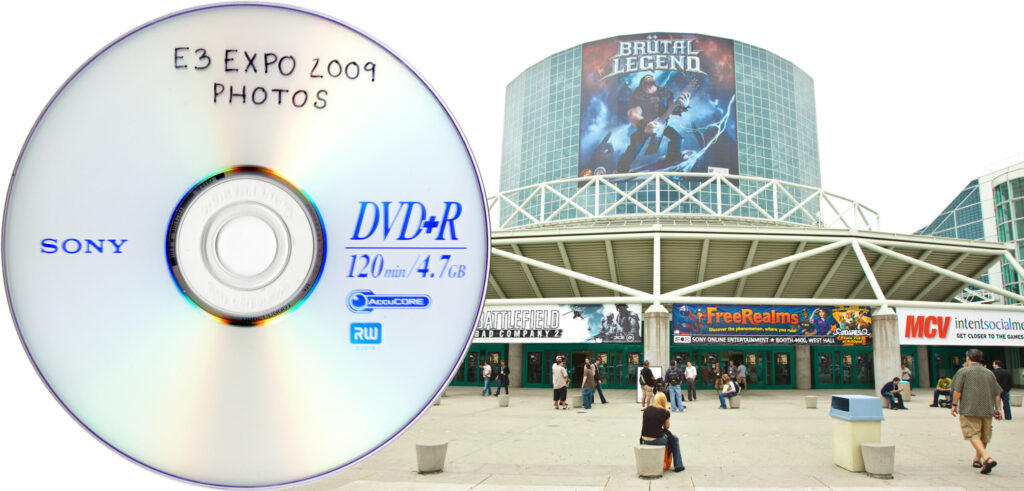
An Intimate Look Inside the Convention Center
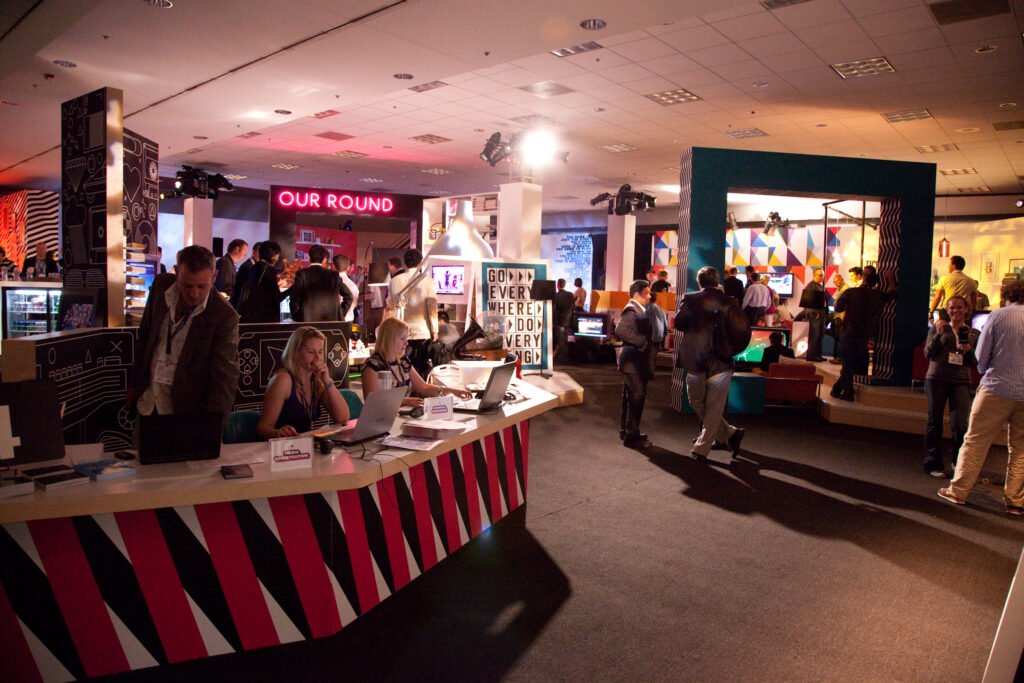
The Asa Mathat photographic collection captures this specific cultural and architectural compromise with striking fidelity. Rather than merely showcasing blockbuster game demos, the 1,600-plus images record the physical infrastructure required to operate a multi-day international trade convention. The archive features meticulous documentation of backstage operations, media check-in stations, crowded concession areas, and carefully engineered corporate hospitality suites.
Prominent hardware manufacturers and software publishers maintained substantial footprints on the exhibition floor, yet the architectural design of their booths reflected the austere economic realities of the post-2008 global financial crisis. Simpler, more functional layouts replaced the towering, labyrinthine structures of earlier years. Furthermore, a significant portion of the convention center’s footprint was diverted toward controlled, low-density environments. This included dedicated VIP break rooms and sequestered lounge spaces—such as the meticulously appointed hospitality areas hosted by Sony Computer Entertainment Europe—where executives, developers, and select journalists could conduct interviews and view presentations away from the clamor of the general attendance floor.
A Curios Highlight: The Corporate Presence of Gamer Grub
Amid the high-stakes corporate strategy and hardware showcases, the archive also preserves the eccentric marketing partnerships characteristic of the era. A recurring visual motif throughout the collection is the omnipresence of Gamer Grub, a short-lived line of specialized, resealable snack mixes marketed explicitly to video game enthusiasts. Signage throughout the convention center explicitly thanked attendees for enjoying the performance snacks courtesy of the brand, while baskets overflowing with pizza-flavored and other specialty varieties illustrated the granular, niche sponsorships that helped underwrite the event’s operational overhead.
Industry Implications and the Legacy of the Xbox 360 Era

Examined through a contemporary lens, the E3 2009 photo gallery functions as an invaluable historical document capturing the video game industry at the apex of the seventh console generation. At the time, platforms like Microsoft’s Xbox 360, Sony’s PlayStation 3, and Nintendo’s Wii were locked in a fierce, highly publicized market competition that defined the late 2000s consumer electronics landscape.
The transition of E3 in 2009 set a structural template that the convention would follow for the remainder of its operational lifespan—balancing large-scale public accessibility with targeted media access. However, the eventual obsolescence of physical trade shows in the 2020s, accelerated by the COVID-19 pandemic and the shift toward direct-to-consumer digital broadcasts (such as Nintendo Directs and corporate digital showcases), underscores the fragility of these ephemeral media artifacts.
The preservation of the Carolyn Rauch collection by the Video Game History Foundation ensures that researchers, historians, and enthusiasts retain access to the unvarnished reality behind the glossy press releases. By stripping away the heavily curated, PR-driven veneer that typically characterized televised coverage of the era, these photographs provide an authentic, ground-level perspective on how the multi-billion-dollar video game industry operated, networked, and marketed itself during a critical inflection point in its modern history.