 Farhan hamdan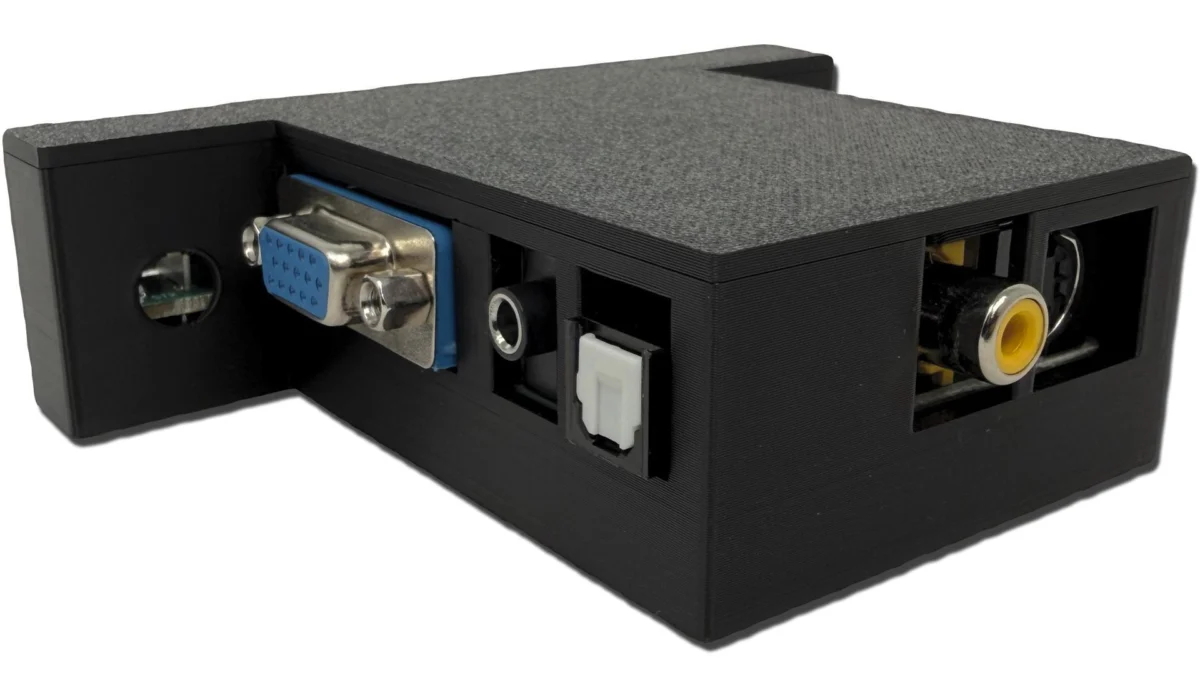
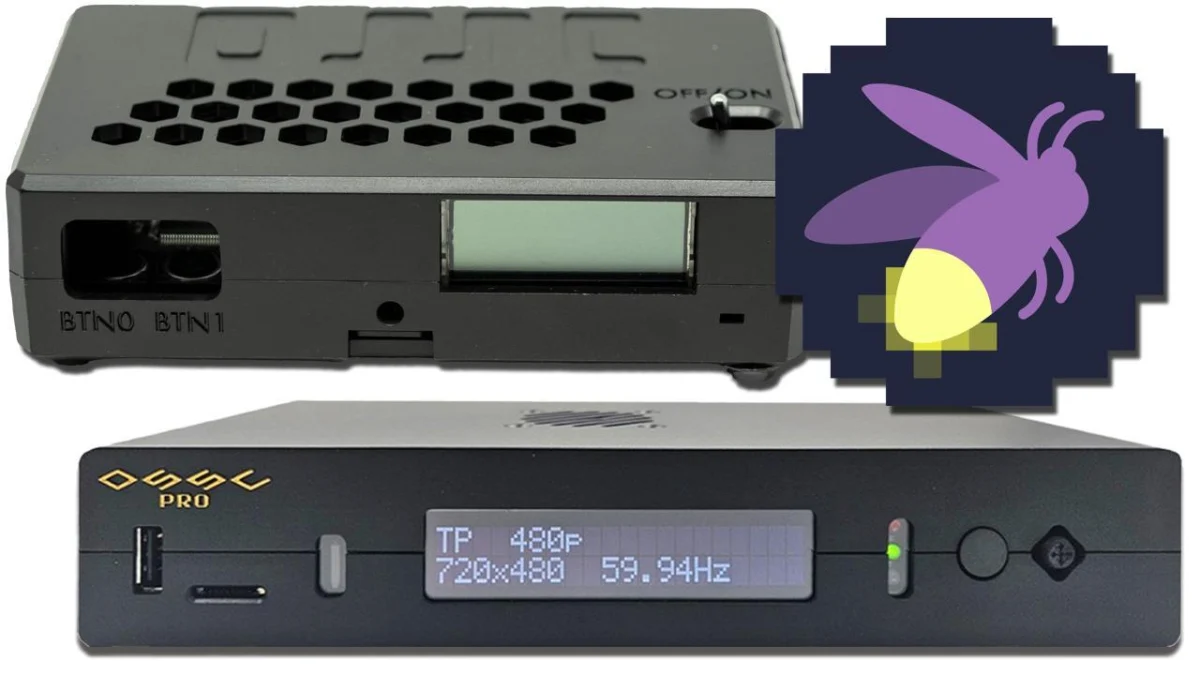
The retro gaming community has long relied on sophisticated hardware modifications and signal processors to bridge the technological gap between vintage analog display systems and modern digital hardware. Among these innovations, the Open Source Scan Converter (OSSC) Pro has emerged as a cornerstone device for enthusiasts seeking pristine video processing. Recently, hardware accessibility and aesthetic preservation took a step forward as Dan from Ringer Keys and The Brewing Academy introduced a purpose-built, 3D-printed enclosure specifically modified to house the latest iteration of the OSSC Pro Extra AV-Out add-on board. Priced affordably at $13 before shipping, this new protective casing provides retro gaming hobbyists with an efficient, clean, and structurally secure method to safeguard their advanced downscaling hardware.
The introduction of this specialized enclosure solves a persistent challenge within the hardware modification community: safely housing expanding peripheral modules that feature non-standard port configurations. As the OSSC Pro continues to evolve through targeted hardware expansions, maintaining a professional and durable setup requires rapid fabrication of custom housing units. This release bridges the gap between raw, exposed circuit boards and finished, consumer-ready electronic equipment.
Main Facts of the Release
The newly released 3D-printed enclosure is engineered precisely around the physical specifications of the OSSC Pro Extra AV-Out add-on board. Unlike generic project boxes or modified enclosures that require tedious, manual cutting by end-users, this product arrives with factory-cut apertures tailored specifically for the board’s newly integrated Composite (CVBS) and S-Video outputs. Furthermore, each case includes the necessary mounting screws to firmly anchor the delicate printed circuit board (PCB) to the interior frame, mitigating the risk of accidental stress fractures, loose solder joints, or electrostatic discharge during regular operation.
Ordering the enclosure requires careful attention from buyers. Because the product page at The Brewing Academy hosts multiple variants—including previously released legacy AV-In cases—consumers must utilize the drop-down menu to select the precise model matching their hardware configuration. Orders can be placed directly through The Brewing Academy’s official storefront, with global shipping options available.
Concurrently, hardware availability for the core expansion board itself remains fluid. Initial stock of the Extra AV-Out boards has materialized at Video Games Perfection (VGP), though limited quantities mean that inventory fluctuates rapidly. However, a larger, more comprehensive restock is scheduled to arrive shortly at both Video Games Perfection and Stone Age Gamer, ensuring that prospective buyers have reliable access to the necessary hardware components to complete their setups.
Chronology and Development Background
The journey toward a fully enclosed, commercially viable OSSC Pro downscaling ecosystem is the result of iterative hardware development and collaborative community engineering. The OSSC Pro was originally conceptualized to provide unparalleled line-doubling, upscaling, and processing flexibility for retro consoles utilizing RGB, component, and VGA signals. However, as enthusiasts increasingly explored the limits of legacy display integration, demand grew for dedicated downscaling capabilities—specifically, the ability to output standard-definition composite and S-Video signals for vintage cathode-ray tube (CRT) televisions and monitor setups.
To address this demand, developers Markus and Matt from Video Games Perfection engineered the Extra AV-Out add-on board, transforming the OSSC Pro into what many consider the premier downscaling solution currently available on the market. Recognizing that prototype hardware requires robust physical protection during testing and deployment, Markus and Matt supplied early prototype boards to Dan at Ringer Keys and The Brewing Academy.
Working from these physical prototypes, Dan designed a custom digital 3D model capable of accommodating the unique port layout of the S-Video and composite outputs. Following successful print testing and iterative refinements, the final product design was finalized for commercial production. In a move praised heavily by the open-source community, Dan also uploaded the complete design files to public printable repositories, allowing individuals with access to 3D printers to fabricate their own enclosures free of charge. This dual approach—offering low-cost manufactured units while fully supporting open-source self-replication—exemplifies the cooperative ethos driving the modern retro gaming preservation movement.
Supporting Data and Technical Context

The technical significance of the OSSC Pro Extra AV-Out add-on lies in its sophisticated approach to signal conversion. Traditional signal routing often involves complex chains of analog-to-digital and digital-to-analog converters (DACs), which can introduce latency, signal degradation, or color distortion. The OSSC Pro architecture bypasses many of these bottlenecks by handling high-bandwidth digital processing internally before routing signals through specialized expansion cards.
The integration of Composite and S-Video outputs via the Extra AV-Out board is meticulously documented in technical deep-dives, such as the analysis provided by content creators like Marco. By utilizing this expansion, the OSSC Pro functions not merely as an upscaler for modern flat-panel displays, but as a bidirectional routing powerhouse capable of feeding pristine downscaled images back into vintage display hardware. This capability is particularly vital for content creators, speedrunners, and purists who demand absolute fidelity when demonstrating software on period-accurate display technologies.
From a manufacturing standpoint, the $13 price point established by The Brewing Academy reflects an optimized supply chain geared toward the niche hobbyist market. Low-volume injection molding remains financially unviable for specialized expansion boards of this nature, making desktop 3D printing—specifically utilizing durable filaments like PETG or ABS—the ideal medium for producing structurally sound, custom-fit enclosures on demand.
Official Responses and Community Reactions
Reactions from the retro gaming community have been overwhelmingly positive, highlighting both the utility of the product and the collaborative spirit of its creators. Industry observers have noted that accessories of this caliber elevate hobbyist electronics from experimental workbench projects to polished, professional-grade equipment.
Community leaders have extended public expressions of gratitude toward Markus, Matt, and Dan for their coordinated efforts. The decision to provide open-source printing files alongside retail availability has been particularly well-received, reinforcing the foundational principles of the open-source hardware movement pioneered by the creators of the original OSSC series. By ensuring that geographical location or financial constraints do not entirely bar users from protecting their hardware, the project creators have fostered a high degree of goodwill within the enthusiast ecosystem.
Furthermore, technical reviewers have emphasized the importance of proper physical housing for electronic components exposed to regular handling. Unenclosed PCBs are susceptible to environmental contaminants, accidental bridging of traces by conductive materials, and mechanical damage to solder pads surrounding high-stress ports like S-Video and composite connectors. The inclusion of dedicated screw mounts within the OSSC Pro Extra AV-Out case directly addresses these vulnerabilities, extending the operational lifespan of expensive niche hardware.
Broader Impact and Implications for Retro Hardware Preservation
The release of the modified 3D-printed case for the OSSC Pro Extra AV-Out add-on highlights a broader trend within the retro technology sector: the maturation of community-driven hardware support ecosystems. As original manufacturer support for legacy gaming hardware ended decades ago, the burden of preservation, maintenance, and enhancement has shifted entirely to independent developers, engineers, and fabricators.
Projects like the OSSC Pro demonstrate that modern manufacturing techniques—such as additive manufacturing and rapid prototyping—can be successfully leveraged to sustain and enhance vintage gaming infrastructure. By lowering the barrier to entry for professional-grade hardware protection, initiatives from vendors like The Brewing Academy ensure that fragile electronic components remain operational for future generations of players and preservationists.
Looking forward, as additional batches of the Extra AV-Out expansion boards arrive at major distributors like Video Games Perfection and Stone Age Gamer, the availability of standardized, affordable enclosures will streamline the assembly process for end-users worldwide. Whether consumers choose to purchase a pre-printed unit or manufacture their own using the provided design files, the availability of this housing solution marks another successful chapter in the ongoing evolution of open-source video processing hardware.