 Arya Paningal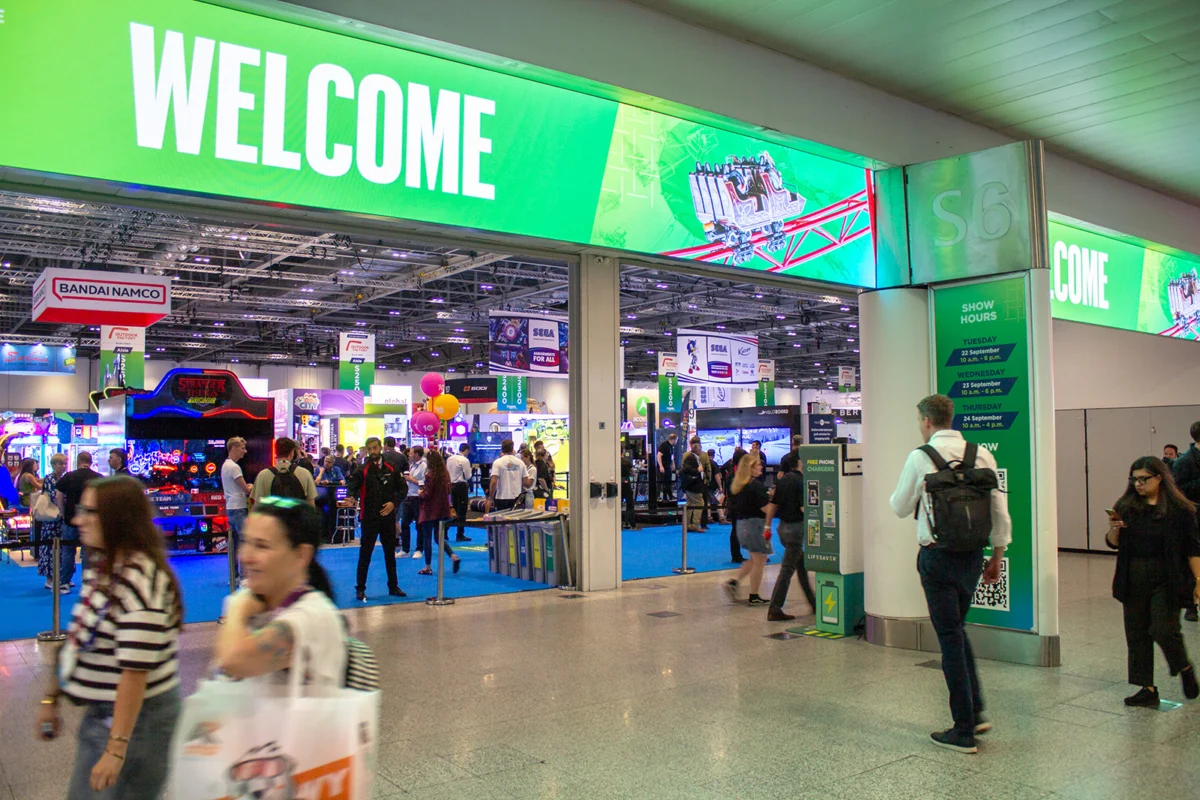
From September 22nd to 24th, 2026, the ExCel London Exhibition Centre served as the epicenter for the global attractions industry, hosting the prestigious IAAPA Expo Europe. The event, which has become a vital fixture for theme park operators, FEC (Family Entertainment Centre) managers, and equipment manufacturers, marked a significant return to the British capital, having previously occupied the venue in 2022. While the industry is often synonymous with the massive annual gathering in Orlando, Florida, the European counterpart has carved out its own essential niche since its inception in 2005 as the Euro Attractions Show.

Historical Context and Evolution
The trajectory of the IAAPA Expo Europe reflects the growth of the international attractions market. Originating in Vienna nearly two decades ago, the event has rotated through various major European hubs to maintain a pulse on regional trends and emerging markets. Recent editions have demonstrated the industry’s resilience and expansion, with successful runs in Paris (2019), Amsterdam (2024), and a high-profile return to Barcelona in 2025. The decision to select London for 2026 underscored the city’s status as a gateway for international business, leveraging the high-capacity infrastructure of the ExCel facility to accommodate a surge in demand from both exhibitors and trade attendees.

Scale and Comparative Industry Presence
The sheer scale of the 2026 London event distinguishes it from other regional trade shows, such as the EAG Expo, which traditionally focuses on the narrower coin-op and redemption sector. While the EAG Expo—slated to rebrand as EAG 360 in January 2027—is a vital event for arcade operators, its scope is localized and specialized. In comparison, IAAPA Expo Europe 2026 operated on an industrial scale, occupying twenty-eight halls across the south and north sections of the ExCel (S1-S23 and N19-N23). This footprint illustrates a broader sectoral health, encompassing not just simple amusements, but sophisticated engineering projects, architectural design services, and cutting-edge safety technology.

The logistical undertaking of managing such an expansive floor plan highlights the complexity of modern attraction development. Attendees were met with a diverse array of professional services: from crowd management analytics and cashless payment infrastructure to the manufacturing of complex hydraulic rollercoasters and animatronic systems. Unlike the Orlando expo, which often benefits from vast outdoor spaces to demonstrate full-scale ride hardware, the London venue forced a shift toward high-fidelity scale models, digital renderings, and immersive VR simulations. This shift highlighted a growing trend in the industry: the integration of digital twins and interactive prototyping before physical construction commences.

Pinball and Specialized Gaming Sectors
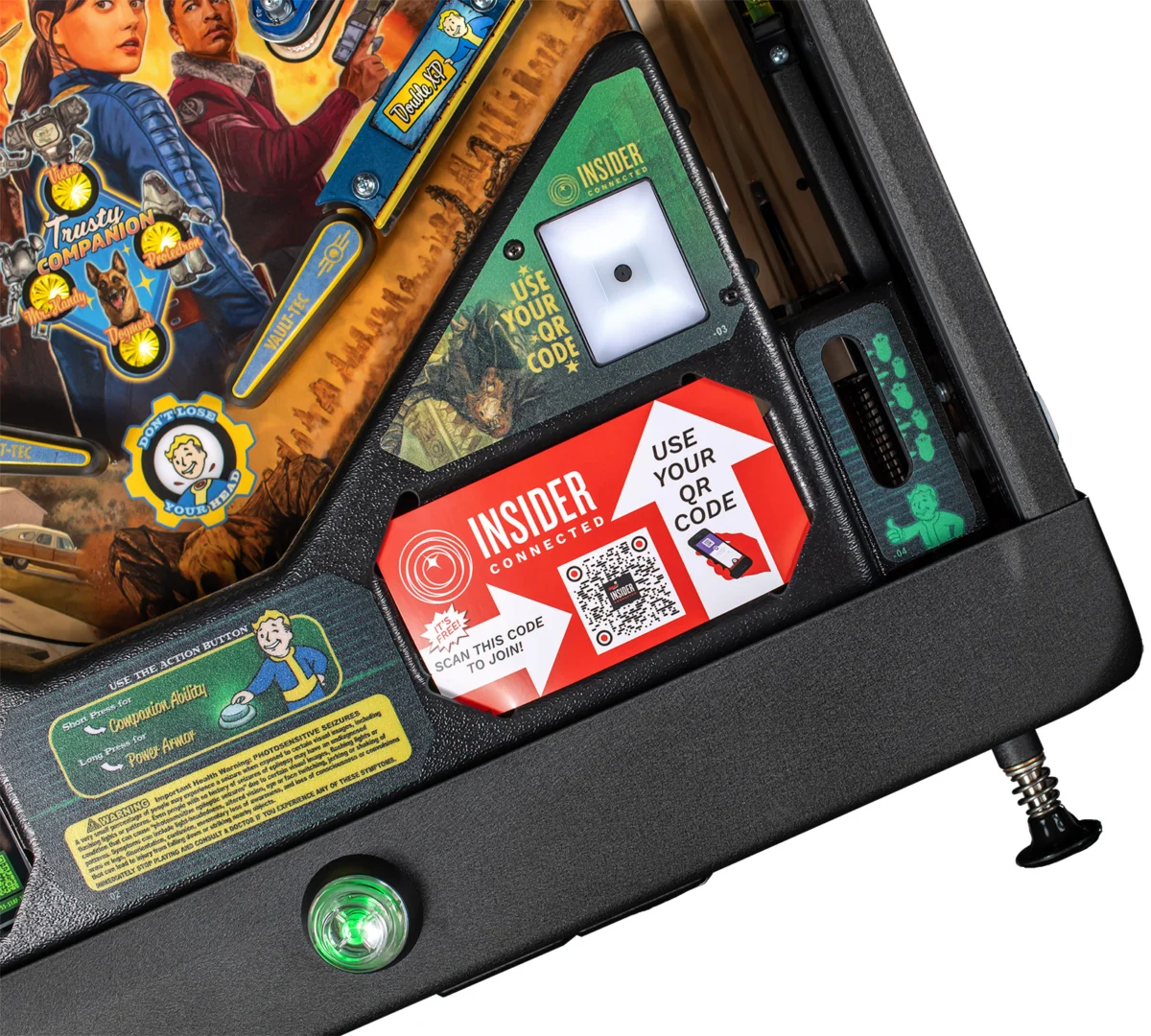
Despite the wide variety of attractions on display, the pinball segment maintained a targeted presence. Stern Pinball, represented by a senior executive delegation including Gary Stern and Seth Davis, utilized the expo to debut the Fallout pinball machine for the European market. The inclusion of both Pro and Premium models at the booth, alongside a robust lineup of ten machines, provided a focal point for collectors and commercial operators alike. The use of Insider Connected leaderboards served as a practical demonstration of how modern connectivity is transforming the traditional pinball experience into a data-driven, competitive social activity.

Complementing this, the Bitronic stand offered further insight into the persistence of specialized gaming, while distribution partners like Electrocoin ensured that high-end equipment remained accessible to regional buyers. The presence of Transformers units on third-party stands, such as Funk Bowling, suggests that while pinball remains a niche within the massive amusement landscape, its cross-pollination with other entertainment sectors remains a consistent strategy for growth.

Professional Development and Networking
Beyond the exhibition floor, the north halls (N19-N23) were designated as a hub for intellectual capital. This area hosted a series of seminars, panel discussions, and networking events, which are increasingly viewed as the most valuable aspect of the expo for industry leaders. The IAAPA Theater, sponsored by Angry Birds, facilitated high-level discourse on operational safety, sustainable park management, and the integration of AI in guest experiences.

The "Women in the Industry Networking Lunch" served as a prominent example of the event’s commitment to fostering diversity and professional growth within the attractions sector. These sessions allow for the exchange of best practices that are often not visible on the trade floor, providing a platform for executives to discuss the challenges of post-pandemic recovery, supply chain volatility, and the shift toward eco-friendly park operations.

Economic Implications and Future Outlook
The entry requirements for IAAPA Expo Europe 2026—with ticket pricing reaching approximately £200 ($260) for non-members—reinforce the professional, business-to-business nature of the event. By restricting access to industry professionals, organizers ensure that the networking environment remains productive for high-level procurement. The economic impact on London as a host city is substantial, as thousands of international delegates utilize local hotels, transport, and hospitality services throughout the three-day window.

The industry’s focus now shifts toward the 2027 calendar. With the upcoming EAG 360 show in January, the UK market will continue its dialogue on coin-op innovation, but the broader global gaze is already fixed on Vienna. The 2027 edition of IAAPA Expo Europe, scheduled for September 20th–24th, will mark a return to the event’s roots. Industry analysts anticipate that the Vienna show will likely emphasize the next generation of theme park technology, specifically focusing on the intersection of augmented reality and physical ride architecture.

Analysis: A Resilient Industry
The 2026 London event demonstrated that the attractions industry has moved past the recovery phase and into a period of aggressive innovation. The dominance of VR-integrated motion rides, sophisticated animatronic creatures, and high-tech tracking for go-kart systems indicates a move toward highly personalized, "active" entertainment. Furthermore, the reliance on advanced, data-collecting systems—both in the amusement halls and on the arcade floor—signals that the sector is prioritizing guest engagement metrics more than ever before.

For operators, the implications are clear: success in the current climate requires a blend of traditional "thrill" attractions and modern, tech-enabled, and frictionless service models. The breadth of the 2026 exhibition provided a comprehensive roadmap for these investments, ensuring that the global attractions community remains aligned on standards for safety, sustainability, and entertainment value. As the industry moves into 2027, the focus on digital integration and the refinement of the guest experience will undoubtedly remain the primary drivers of growth for all major market players.