 Hartono Sudibyo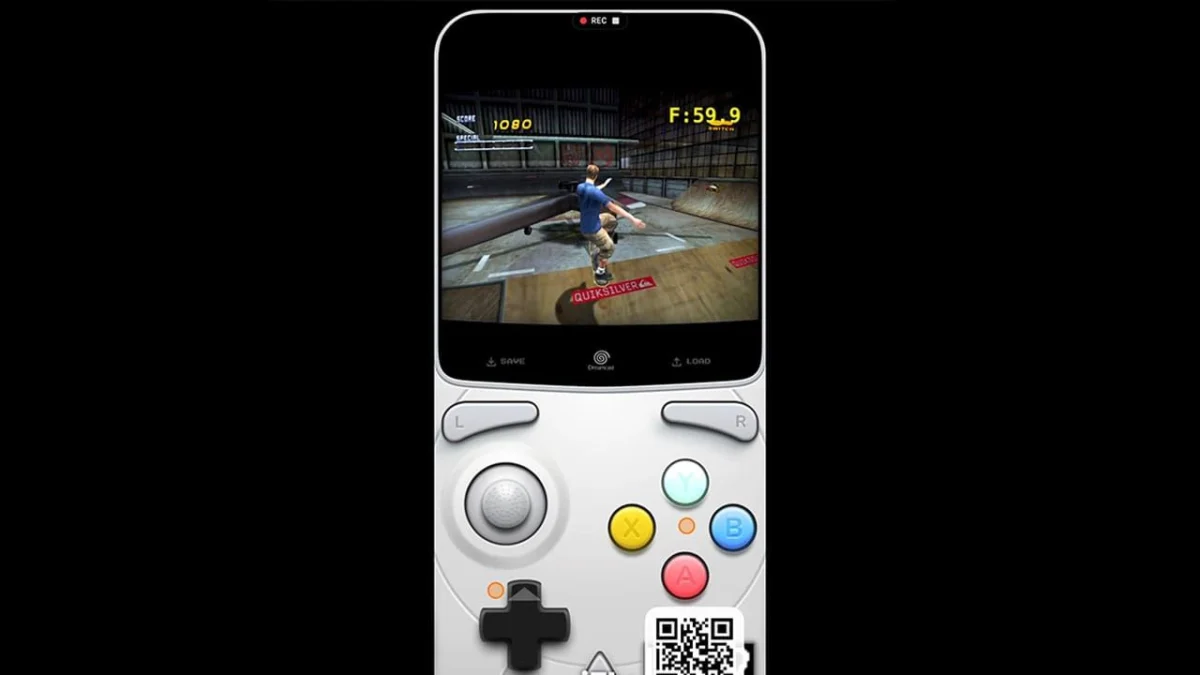
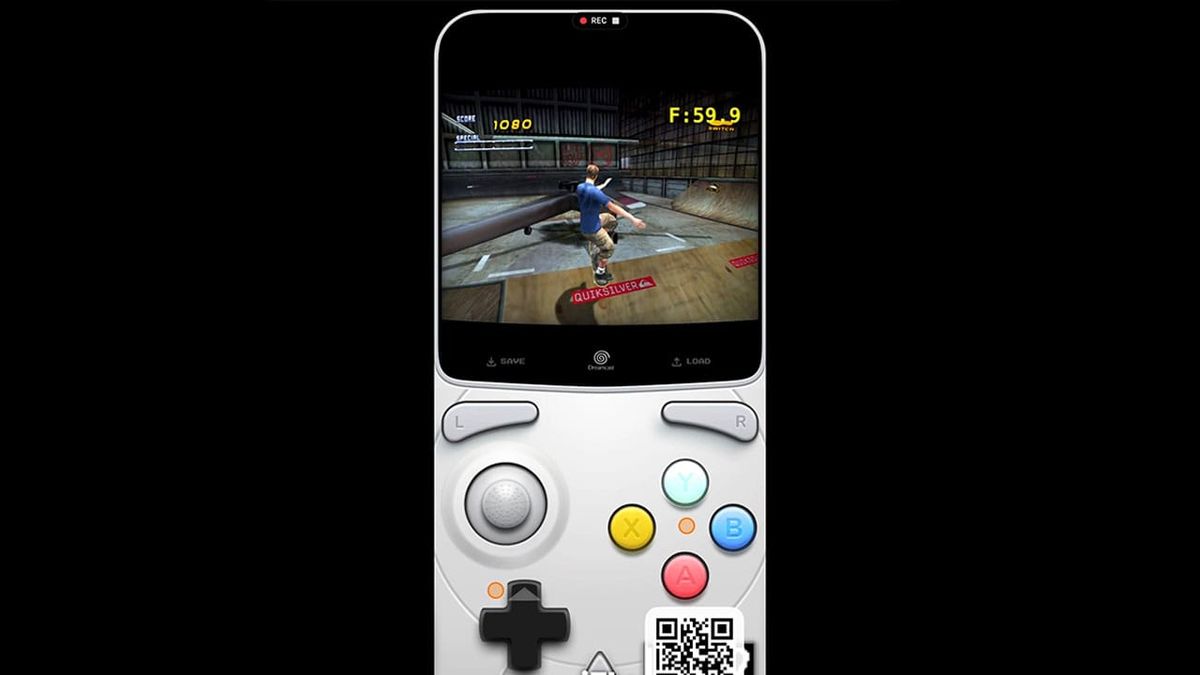
The landscape of mobile retro gaming is undergoing another significant shift as developers continue to engineer workarounds for Apple’s strict iOS ecosystem limitations. The Provenance Emu team has announced the development of "iFly," a new, open-source Sega Dreamcast emulator tailored specifically for Apple devices, including both iOS and tvOS hardware. By removing the traditional dependency on Just-In-Time (JIT) compilation, the project aims to bring sixth-generation console gaming to Apple users without requiring jailbroken devices or side-loaded applications, overcoming a major technical and policy hurdle that has long constrained iOS emulation capabilities.
The breakthrough arrives at a time of heightened activity and scrutiny within the iOS emulation community. Ever since Apple updated its App Store guidelines to officially permit retro game emulators in early 2024, the floodgates opened for platforms like the multi-system emulator Delta. While Android users have enjoyed unhindered access to advanced emulation for over a decade, Apple’s restrictive policies regarding dynamic code generation—specifically its classification of JIT technology as a potential security vulnerability—have kept powerful systems largely out of reach on iPhones and iPads. Under these constraints, mainstream iOS emulation has largely been capped at the PlayStation Portable (PSP), Nintendo 64, and older hardware tiers. The introduction of iFly signals a concerted effort by independent developers to pierce that technical ceiling through software optimization rather than relying on system-level privileges.
Background and Technical Context of JIT Restrictions in iOS
To understand the significance of iFly, one must examine the role of JIT compilation in emulation. Emulating hardware from previous generations, particularly consoles utilizing complex architectures like the Sega Dreamcast’s Hitachi SH-4 RISC processor and PowerVR graphics, typically requires JIT compilers to translate guest machine code into host architecture instructions in real-time. Without JIT, the host device must rely on slower interpretation methods, which often lead to severe performance bottlenecks, audio stuttering, and unplayable frame rates.
Apple’s security architecture strictly prohibits apps from writing executable memory at runtime on standard iOS builds, arguing that JIT capabilities create vectors for malicious code execution and exploit delivery. While certain developers running devices in Developer Mode or utilizing specialized debugging tools have managed to enable JIT, everyday consumers have been locked out of these capabilities.
Faced with this roadblock, the Provenance Emu team took a different architectural route. Derived from an offshoot of the established Flycast emulator codebase, the developers systematically removed the dynamic recompilation engine (Dynarec). By re-engineering the software to function without relying on runtime code generation, they have created a viable path for the Dreamcast emulator to meet Apple’s stringent App Store submission guidelines while remaining accessible to standard users.
Chronology of iOS Emulation and the Rise of iFly
The timeline of official iOS emulation has evolved rapidly over a compressed period, shifting consumer expectations and pushing developers to test the boundaries of Apple’s platform rules:
Early 2024: Apple revises its global App Store review guidelines, explicitly permitting retro game emulators on the marketplace for the first time.
April 2024: Riley Testut’s Delta emulator launches on the iOS App Store, quickly climbing charts and establishing a polished, user-friendly standard for multi-system emulation on iPhones.
Mid-2024 to Late 2025: Developers experiment with various higher-end systems. However, performance on complex architectures remains tethered to the availability of JIT, leading to frustration among enthusiasts seeking PlayStation 2, GameCube, and Dreamcast experiences.
Late 2025: Controversies emerge regarding alternative releases, such as the PlayStation 2 emulator iPSX2, which draws criticism from the developer community for being heavily AI-assisted, closed-source, and suffering from stability issues.
October 2026: The Provenance Emu team publicly details iFly, presenting a community-vetted, open-source Dreamcast emulator built specifically around JITless operational parameters for iOS and tvOS.
Community Reception and Open-Source Transparency
The development of iFly has also been shaped by recent industry controversies concerning software provenance and development ethics. Earlier attempts to bring advanced emulation to iOS, such as the debut of the PS2 emulator iPSX2, faced substantial backlash from open-source purists and developers who accused the creators of producing "vibe-coded," AI-assisted software lacking proper attribution, optimization, or source transparency.
In contrast, the creators of iFly have emphasized adherence to traditional open-source development methodologies. Operating as a free and open-source project, iFly respects existing licensing agreements and has been subjected to community code audits. Early technical evaluations indicate that the software is compatible not only with the latest generation of flagship iPhones but also with older hardware models, broadening its potential user base. Furthermore, developers have focused heavily on user interface design, prioritizing clean layouts, responsive virtual controllers, and consistent screen scaling reminiscent of the acclaimed Delta application.
Current Testing Phase and Deployment via TestFlight

Transitioning iFly from a conceptual offshoot to a stable, consumer-ready application requires rigorous stress testing across a diverse array of iOS and tvOS devices. To achieve this, the development team has initiated public trials through Apple’s Testflight platform.
Testflight allows developers to distribute pre-release builds to a limited number of external testers, providing critical telemetry data, crash reports, and user feedback regarding game compatibility, audio synchronization, and input latency. Because the Dreamcast library features a wide variety of demanding titles—ranging from arcade racers like Daytona USA to complex role-playing games like Skies of Arcadia—community participation in these early testing phases is considered essential for identifying lingering bugs before a potential commercial or public App Store submission.
Broader Industry Implications and Future Outlook
The introduction of iFly carries implications that extend beyond the emulation of a single defunct console. Should the JITless Dreamcast architecture prove successful and maintain stable frame rates across standard iOS hardware, it could provide a functional blueprint for emulating other previously restricted platforms. Developers of GameCube, Wii, and PlayStation 2 emulators may look to JITless optimization strategies as a viable workaround for Apple’s security policies, potentially expanding the library of legacy software accessible on mobile devices.
Moreover, the project highlights the ongoing cat-and-mouse dynamic between platform holders enforcing closed ecosystems and independent developers seeking hardware autonomy. While Apple continues to maintain tight control over execution environments in the name of security, the consumer demand for historical game preservation and portable retro gaming continues to drive creative engineering solutions.
As the Testflight evaluation period progresses, the performance metrics and stability reports generated by iFly will likely dictate the next phase of advanced emulation on iOS. For retro gaming enthusiasts and Apple users alike, the prospect of playing iconic Dreamcast titles natively on iPhones, iPads, and Apple TV hardware represents a notable milestone in the ongoing evolution of mobile computing platforms.