 Indra Gunadi
Technical Architecture and Design Constraints
The development of Harbor City occurs within a unique ecosystem of modern retro-gaming. The Game Boy, released in 1989, features a Sharp LR35902 processor clocked at 4.19 MHz and a mere 8 KB of internal Work RAM. Designing a city-building simulation—a genre historically reliant on extensive data processing and memory-intensive pathfinding—requires significant optimization.
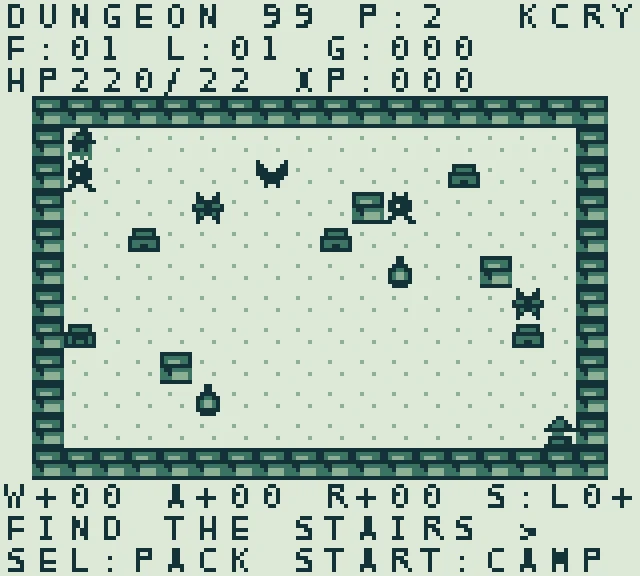
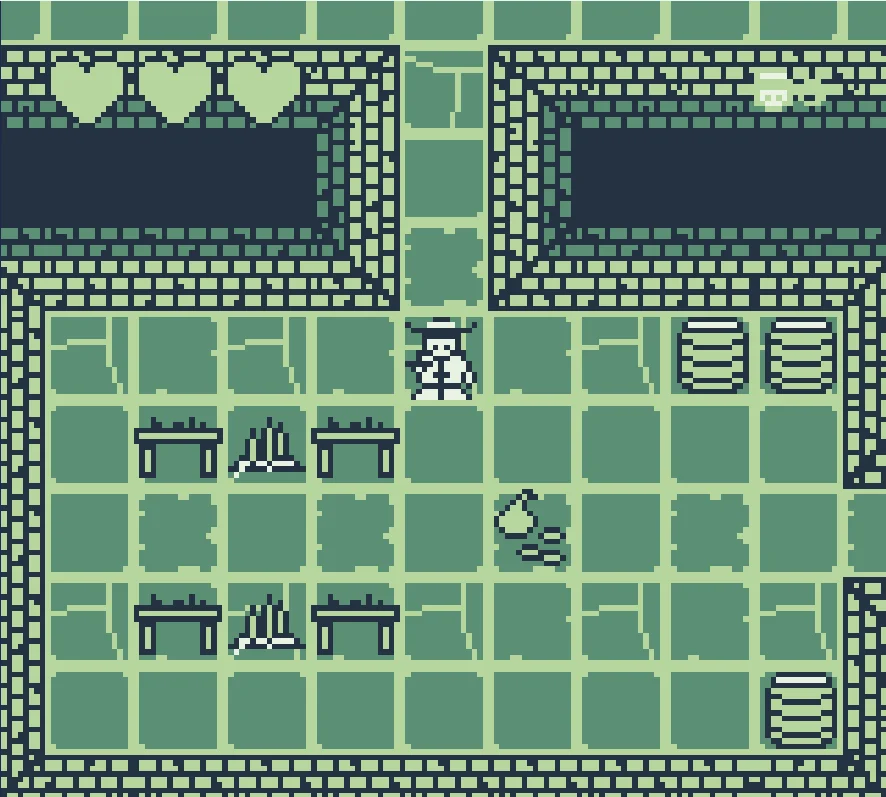
According to developer insights, the project utilizes AI-assisted tools for asset generation, including graphics and code optimization, to overcome the limitations of the hardware’s 160×144 pixel resolution. In a traditional city-building simulation, the game engine must constantly calculate state changes for every individual zone, power line, and municipal building. By leveraging modern development toolchains like GBDK (Game Boy Development Kit) or custom assembly routines, developers like devgb are able to emulate the complex logic of titles like SimCity while remaining within the strict 32 KB to 1 MB ROM size limitations typical of the platform.
A Chronology of the Retro-Computing Resurgence
The release of Harbor City is the latest milestone in a movement that has seen a surge in productivity since the mid-2010s. The timeline of this phenomenon is marked by a transition from simple porting projects to original, full-scale software development.
- 2010–2015: The "Homebrew Renaissance" begins, characterized by the release of simple arcade-style games and utility software.
- 2016–2020: Improvements in emulation and the availability of flash cartridges (which allow developers to run custom code on original hardware) lead to more ambitious projects, including RPGs and platformers.
- 2021–2024: The widespread adoption of AI-assisted coding and asset generation tools accelerates development cycles, allowing solo developers to manage complex game loops that previously required small teams.
- 2025–2026: The current era, exemplified by Harbor City, focuses on genre-bending and complex simulation software that tests the theoretical performance limits of the 1989 hardware.
The endurance of the Game Boy platform in this context is largely attributed to its iconic status and the accessibility of its development environment. Unlike later consoles with proprietary 3D hardware, the Game Boy’s 2D tile-based rendering system is well-documented and widely understood by independent programmers.
Core Gameplay Dynamics: The Simulation Loop
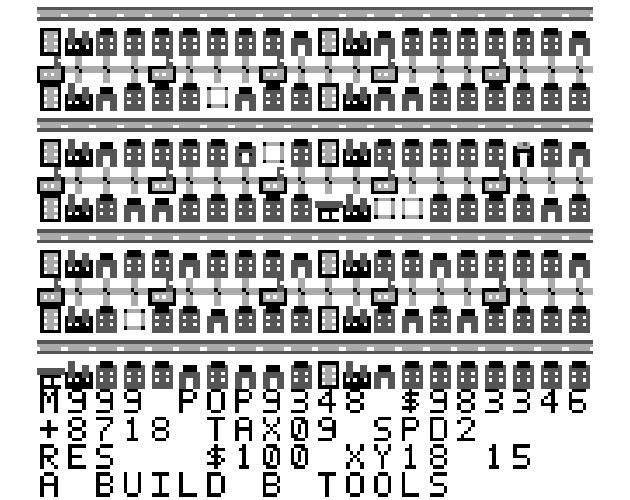
Harbor City tasks players with the fundamental pillars of municipal management: zoning, grid connectivity, and public safety. In this context, "zoning" refers to the management of residential, commercial, and industrial districts, each with specific requirements for electrical power and proximity to services.
The game implements a simulated economy where the player must remain solvent. This necessitates a delicate balancing act: increasing tax revenue through growth while simultaneously managing the escalating costs of fire departments and police stations. If a player fails to provide adequate coverage, the simulation triggers "crime" and "fire" events, which can lead to the degradation of city tiles. The thematic focus on a "harbour" suggests a reliance on maritime trade routes, adding a layer of logistical complexity common in city-builders, where geographic constraints dictate the efficiency of the player’s supply chain.
Market Impact and the Independent Developer Ecosystem
The distribution model for titles like Harbor City has shifted significantly from the retail-centric models of the 1990s to digital storefronts such as Itch.io. This transition has democratized access to the market, allowing developers to reach a global audience without the need for physical publishing agreements or international distribution networks.
Industry observers note that while these titles are technically "non-commercial" in the sense that they are not licensed by Nintendo, they represent a significant sub-sector of the independent gaming industry. The demographic for these games is twofold: collectors who possess original, functional hardware and enthusiasts who utilize modern emulators to experience the software. The use of AI-assisted development tools—as noted in the developer’s disclosures—suggests a growing trend where modern software engineering workflows are applied to legacy platforms, effectively lowering the barrier to entry for complex game design.
Implications for Legacy Hardware Preservation
The creation of new software for the Game Boy serves as a form of "living preservation." By continuing to write code for the console, developers keep the documentation and the hardware knowledge base active. This is distinct from emulation, which focuses on replicating the experience through modern software; instead, these developers ensure that the hardware itself remains a viable canvas for creative expression.
Furthermore, the integration of AI-assisted graphics and code generation within this niche indicates that the future of homebrew development will likely involve a hybrid approach. Developers are increasingly using modern LLMs (Large Language Models) and image generators to create sprites and optimize memory management, effectively allowing them to "push" the hardware further than the original designers intended in the late 1980s.
Economic and Cultural Considerations
From a cultural perspective, Harbor City represents the ongoing dialogue between the limitations of the past and the capabilities of the present. The "Game Boy aesthetic"—defined by the four-shade green-and-gray palette and the distinct sound output—has become a design language of its own. By applying a complex genre like the city-builder to this aesthetic, the developer is not merely replicating nostalgia, but is actively expanding the library of an abandoned platform.
Economically, the success of such projects—measured in community engagement, downloads, and social media reach—suggests a sustainable model for micro-development. While these projects do not compete with triple-A titles in terms of budget or market reach, they provide essential data for the software preservation community and demonstrate the scalability of individual development efforts in the modern era.
Conclusion: The Future of 8-bit Simulation
The arrival of Harbor City in late 2026 highlights a persistent trend in digital culture: the refusal to let legacy hardware fall into complete obsolescence. As development tools continue to evolve, particularly with the integration of generative AI, the distinction between "modern" and "retro" software will continue to blur. Developers are no longer constrained by the difficulty of the coding environment, but rather by the ingenuity with which they can adapt modern design principles to the rigid, 8-bit constraints of the past.
For enthusiasts of the Game Boy, the release of this title provides a fresh challenge that requires strategic thinking and an understanding of the platform’s unique limitations. As the community moves forward, it is likely that even more complex simulations will appear, further testing the capacity of the original hardware and proving that, in the right hands, the Game Boy is still a capable platform for deep, engaging, and meaningful interactive experiences. The harbor may wait, but the players are ready to build, and in doing so, they ensure that the legacy of the Game Boy remains as vibrant as it was in its commercial prime.