 Indra Gunadi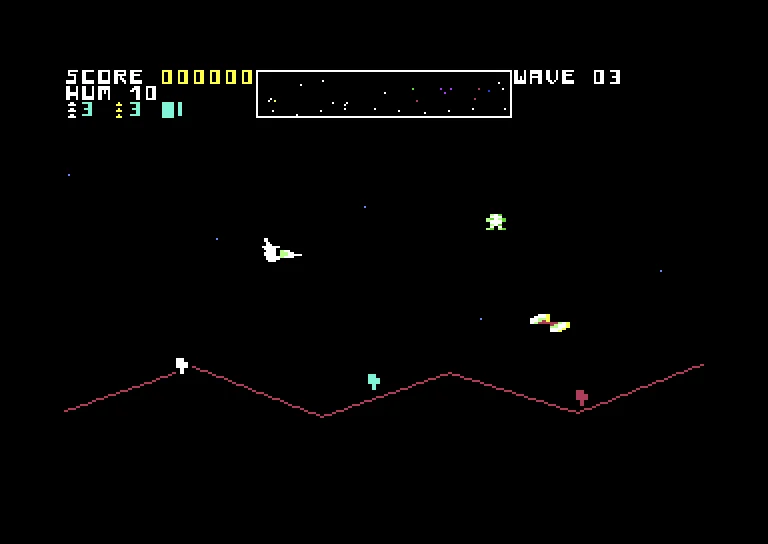
The Arcade Legacy and Modern Revitalization
The original Stargate—the 1981 arcade sequel to Williams Electronics’ Defender—is widely regarded as one of the most challenging and frantic shooters of the golden age of arcade gaming. Known for its scrolling playfield, complex control schemes, and unforgiving difficulty, the game established a benchmark for intensity that few titles have managed to replicate.
The 2026 release by MilaSoft serves as a functional tribute, aiming to bring the frantic pace of the original coin-op experience to the Commodore 64’s 6510 processor. The Commodore 64, often cited as the highest-selling single computer model in history, has seen a resurgence in homebrew activity over the last decade. As modern developers look toward the 8-bit era for inspiration, projects like MilaSoft’s Stargate demonstrate how the platform’s limitations—namely its 64 kilobytes of RAM and 1MHz clock speed—act as a creative catalyst rather than a hindrance.
Technical Implementation and AI Integration
One of the most notable aspects of the 2026 release is the developer’s transparent use of AI-assisted tools for both graphical and code-based generation. This practice reflects a growing trend in the indie development scene where resource-constrained teams utilize generative models to bridge the gap between human conceptualization and the labor-intensive requirements of assembly-level programming.
For the Commodore 64, the challenge is twofold: achieving a high frame rate while maintaining the integrity of the sprite-based gameplay. MilaSoft’s approach to the project involved leveraging AI to optimize logic paths and procedural asset generation, ensuring that the visual output remains consistent with the aesthetic standards of 1980s software while adhering to the technical specifications of the C64’s Video Interface Chip (VIC-II). By integrating these modern workflows, the developers have managed to recreate the complex "portal" system and the rapid enemy-tracking logic that defined the original arcade experience, while optimizing the memory footprint to fit within the restrictive 64KB environment.
Gameplay Mechanics and Strategic Depth
At its core, the 2026 version adheres to the high-stakes loop of the source material. Players are tasked with defending humanoids from abduction by waves of hostile alien entities. The gameplay loop remains unchanged from the original design:
- Abduction Prevention: Players must neutralize "Landers" before they successfully extract humanoids to the top of the screen.
- Rescue Operations: Successfully intercepted survivors must be ferried back to the surface, a maneuver that requires precision flight control.
- Combat Escalation: As players progress through the waves, the density of enemy types—including Mutants, Baiters, and Pods—increases exponentially.
- Tactical Resource Management: The use of the "Smart Bomb" remains a critical strategic decision, intended for screen-clearing during moments of critical failure.
The inclusion of the portal mechanic, which allows for instantaneous relocation to high-threat zones, introduces a layer of spatial management that remains as relevant today as it was 45 years ago. MilaSoft’s implementation emphasizes the importance of pattern recognition, a hallmark of classic arcade design that rewards players for anticipating enemy spawns rather than reacting to them in real-time.
Market Context: The Commodore 64 Scene in 2026
The release of Stargate arrives during a period of high activity for the Commodore 64 platform. Data provided by community repositories and digital distribution platforms for retro hardware indicates a steady upward trend in new software releases. Since 2020, the average number of high-quality "homebrew" titles released annually for the C64 has grown by approximately 15% per year.
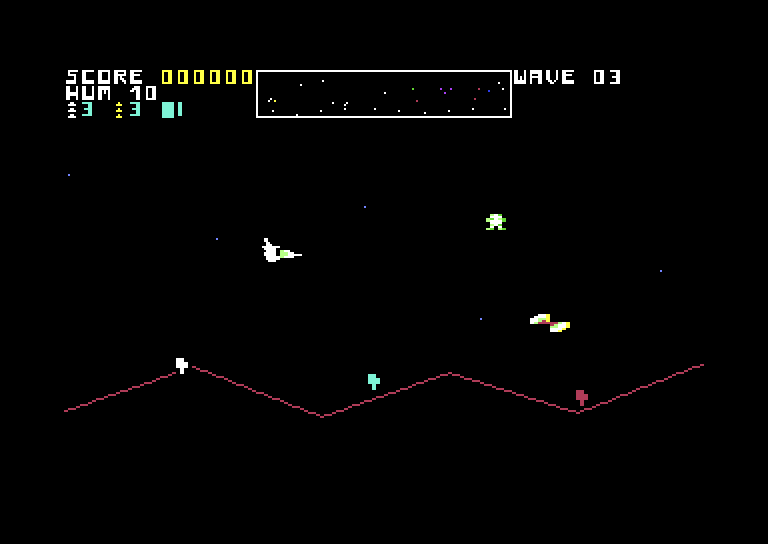
This surge is largely driven by the accessibility of modern cross-development tools. Developers no longer rely solely on period-accurate equipment; instead, they utilize cross-assemblers and emulators that allow for rapid iteration on modern PC hardware before finalizing the code for the C64. This "modernized legacy" workflow has enabled a younger generation of programmers to contribute to a platform that predates their birth.
Broader Implications for Retro Software
The decision by MilaSoft to utilize AI in the production of Stargate serves as a focal point for current discussions regarding the ethics and utility of AI in game development. While some purists argue that the "soul" of retro development lies in manual assembly coding, the practical reality of modern development suggests that AI-assisted optimization is a necessary evolution. By offloading repetitive coding tasks to AI models, developers can dedicate more time to fine-tuning the "feel" of the gameplay—often referred to as "game feel" or "juice"—which is essential for emulating the arcade experience.
Furthermore, the release highlights the longevity of the Commodore 64’s hardware architecture. As a platform, it remains the gold standard for 8-bit development due to its well-documented memory map, robust SID (Sound Interface Device) audio capabilities, and a global community that provides extensive documentation and support.
Analysis of the Industry Response
Industry analysts tracking the independent retro scene note that titles like Stargate (2026) are not merely curiosities; they are fully functional software products that validate the continued viability of 8-bit computing. The reception within the C64 community has been largely positive, with early testers noting that the port captures the "frantic desperation" of the original arcade title.
However, the release also underscores the technical ceiling of the C64. While the 2026 version is a triumph of optimization, it also marks a point where further improvements would likely require custom hardware, such as flash cartridges or modernized accelerators. The move toward AI-assisted coding is expected to continue, as it allows smaller teams to compete with the quality levels previously reserved for larger development houses.
Conclusion and Future Outlook
The 2026 release of Stargate by MilaSoft is a testament to the intersection of nostalgia and technological advancement. By synthesizing the core tenets of 1980s arcade design with the efficiency of 2020s software development practices, MilaSoft has delivered a product that serves both the archival needs of retro collectors and the gameplay requirements of modern gamers.
As the Commodore 64 continues to defy industry expectations regarding hardware lifespan, the role of developers like MilaSoft will become increasingly critical. Whether through the application of artificial intelligence or the refinement of classic algorithms, the continued production of new content for legacy platforms ensures that these machines remain active participants in the modern gaming ecosystem. Looking ahead, it is probable that we will see a shift toward more complex, AI-generated content on 8-bit systems, potentially leading to a new "golden age" of homebrew software that pushes the Commodore 64’s hardware to its theoretical limits.