 Indra Gunadi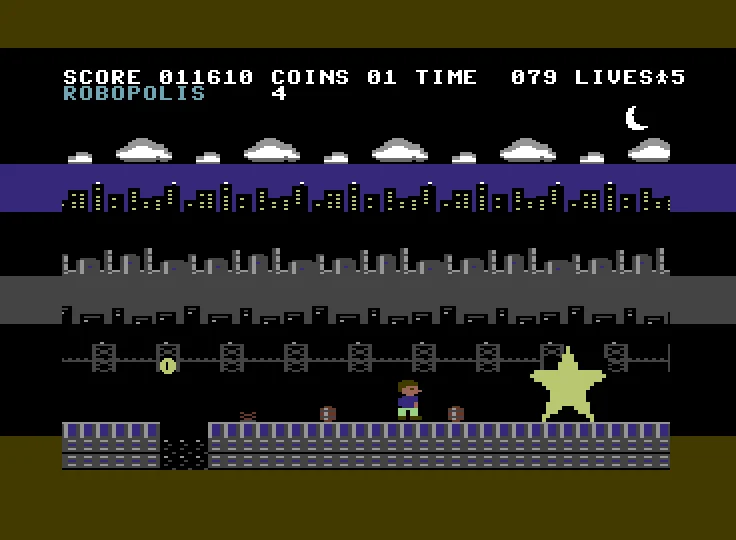
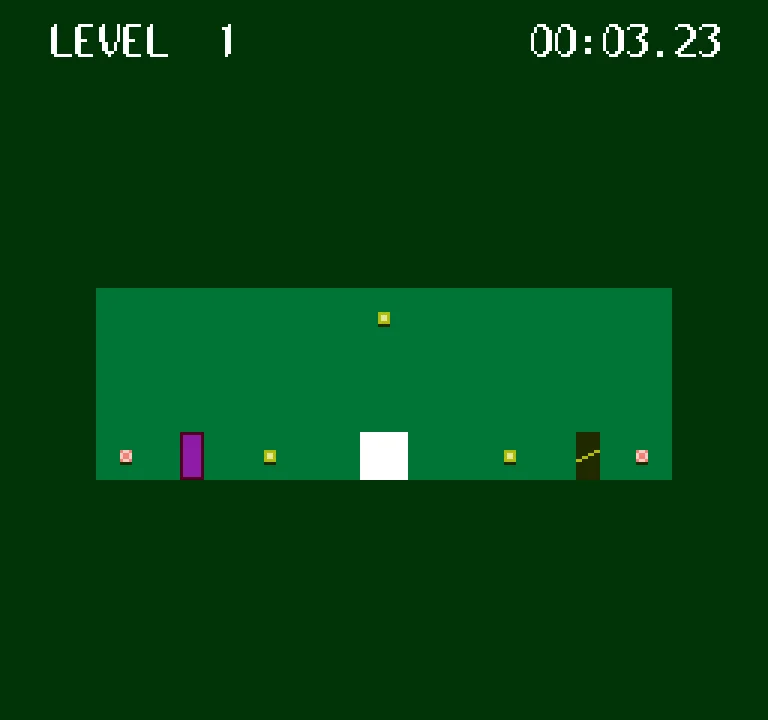
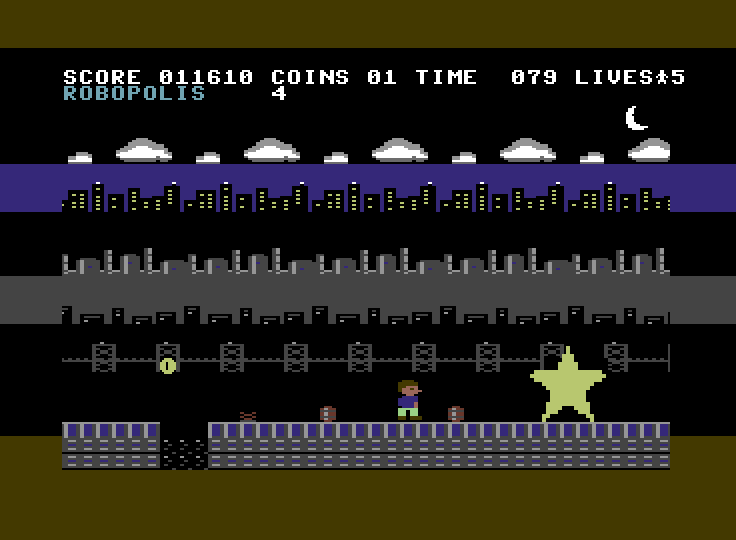
The Commodore 64 (C64), an iconic 8-bit home computer first introduced by Commodore International in 1982, continues to maintain a vibrant, active software development scene over four decades after its original market release. As of September 27, 2026, the platform has received a new entry in its extensive software library titled "Wheeeee," developed by the independent programmer known as Snow-G. This release represents a significant technical curiosity within the retro-computing community, as it integrates procedural generation—a programming technique that, while common in modern AAA titles, is rarely implemented with such focus on the constrained architecture of the MOS Technology 6510 microprocessor.
Technical Context and Development Background
The Commodore 64 remains the best-selling single computer model of all time, with estimates of its total production run ranging from 12.5 million to 17 million units. Because of this massive install base, the "homebrew" scene has evolved from simple hobbyist experiments in the 1990s to sophisticated, high-performance software engineering in the 2020s.
Snow-G’s development of Wheeeee serves as a case study in modern optimization. The game is classified as a platformer, a genre that has historically defined the C64’s software catalog through titles like Impossible Mission or Giana Sisters. However, Wheeeee distinguishes itself by moving away from static level design. Procedural generation on the C64 requires extreme efficiency; the machine possesses only 64 kilobytes of RAM and a processor speed of approximately 1.023 MHz. To create a game where "no two sessions are the same," the developer had to employ complex algorithmic randomization that fits within the tight memory overhead of the system, likely utilizing pseudo-random number generation (PRNG) routines that execute in a fraction of a frame to avoid stuttering or lag.
Chronology of the C64 Modern Software Movement
The longevity of the Commodore 64 is not an accident of history but a result of a highly specialized subculture. Since the late 2010s, the rate of high-quality, commercial-grade software releases for the platform has accelerated.
- 2018–2020: The rise of cross-development tools—where developers use modern PCs to compile code for the 6502/6510 architecture—led to a surge in titles that exceeded the technical limitations of 1980s-era software.
- 2022: A significant milestone occurred as new hardware expansions, such as the Ultimate64 and various FPGA-based accelerators, allowed developers to push the C64’s graphical capabilities beyond the original specifications of the VIC-II video chip.
- 2024: Artificial intelligence assistance began appearing in the development pipeline. The mention of "AI-assisted content" in the metadata for Wheeeee suggests that modern coding assistants were likely utilized to optimize the logic for the procedural generation engine or to assist in the debugging of complex assembly routines.
- September 2026: The release of Wheeeee marks a shift toward "infinite" gameplay loops, signaling that the community is no longer satisfied with emulating the games of the past but is now looking to modernize the experience through replayability mechanics.
The Engineering of Procedural Generation on 8-Bit Hardware
In modern game design, procedural generation is powered by massive parallel processing units and sophisticated engines like Unreal or Unity. On the Commodore 64, however, the challenge is entirely different. For a platformer to be procedurally generated, the software must handle collision detection, enemy spawning, and platform placement in real-time.
Data suggests that the primary bottleneck for C64 development is the sprite-per-scanline limit. The VIC-II chip can only display eight sprites per scanline. By creating a procedurally generated environment, Snow-G has had to manage memory pointers dynamically, ensuring that the game does not overwrite its own graphic assets during the level-building process. This requires a high level of proficiency in Assembly language, as high-level languages like BASIC are generally too slow to handle the rapid calculation required for procedural terrain generation.
The integration of AI-assisted code in this release highlights a broader trend: the democratization of low-level programming. By using AI to optimize memory allocation, developers are now able to achieve "impossible" results on legacy hardware that would have previously required a team of specialized engineers in the mid-1980s.
Industry Implications and Community Reception
The release of Wheeeee has sparked discussions regarding the definition of "modern retro." As the line between historical preservation and new software development blurs, analysts in the gaming sector have begun to track these releases as a distinct category of digital output.
"The continued output for the C64 is not just nostalgia; it is a testament to the platform’s architectural elegance," says one independent game developer active in the scene. "When you see a game like Wheeeee, you are seeing the result of decades of community knowledge being refined by modern computing tools. It is the ultimate expression of the ‘hacker’ ethos—taking a 44-year-old machine and teaching it new tricks."
From a market perspective, these releases are often distributed through digital storefronts dedicated to retro enthusiasts, such as itch.io or specific Commodore-centric portals. While these games are not "mainstream" in the sense of global market share, they sustain a robust economy of physical media production, including custom-printed manuals, diskettes, and cartridges.
Broader Impact on Software Preservation
The impact of projects like Wheeeee extends beyond entertainment. By creating new software for the Commodore 64, developers are simultaneously improving the accuracy of emulators. When a new game utilizes hardware features in an undocumented or highly creative way, emulator authors must update their software to ensure compatibility. This cycle of "new software testing old hardware" is vital for the digital preservation of the 8-bit era.
Furthermore, the adoption of AI tools by retro-developers provides a unique data set on how modern LLMs (Large Language Models) interpret legacy instruction sets. As AI becomes more adept at writing MOS 6502 assembly, the barrier to entry for the Commodore 64 development scene continues to lower, potentially leading to a "second golden age" of software development for the machine.
Conclusion
Wheeeee represents a confluence of historical hardware and future-facing design methodologies. By successfully implementing procedural generation on the Commodore 64, Snow-G has provided a blueprint for how legacy systems can remain relevant in an era dominated by high-fidelity gaming. The release is a technical achievement that underscores the enduring viability of the 6510 architecture. As the community continues to leverage AI-assisted tools and modern cross-compilers, the Commodore 64 will likely remain a platform of significant interest for both computer historians and contemporary game developers for years to come. The ability to create a game where "no game will be the same" on a computer with less memory than a modern smartphone’s bootloader is a remarkable feat of engineering that continues to inspire the global retro-computing community.