 Farhan hamdan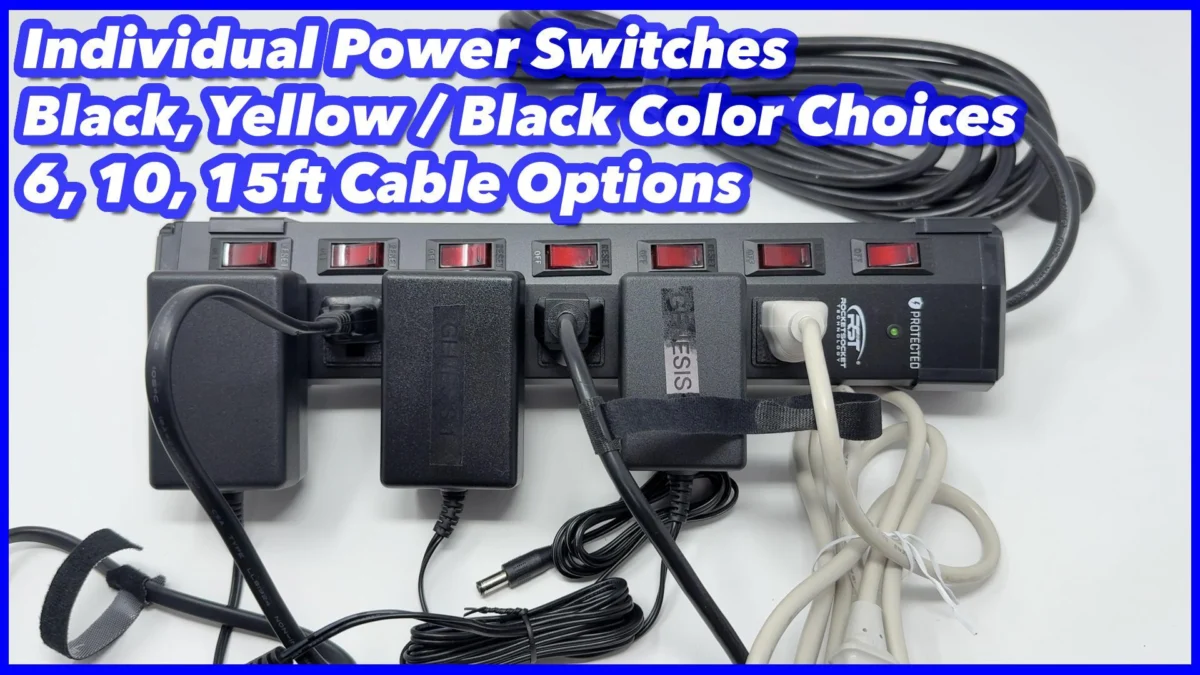
Power management remains one of the most persistent and frustrating logistical challenges for retro gaming enthusiasts, home laboratory operators, and collectors of vintage electronics. Modern entertainment and computing environments rely heavily on streamlined, low-voltage USB power delivery, but legacy hardware often depends on bulky, irregularly shaped alternating current (AC) power adapters, colloquially known as "power bricks." These oversized transformers frequently block adjacent outlets on standard commercial power strips, rendering multi-outlet solutions inefficient and forcing users to daisy-chain multiple strips—a practice strongly discouraged by electrical safety standards.
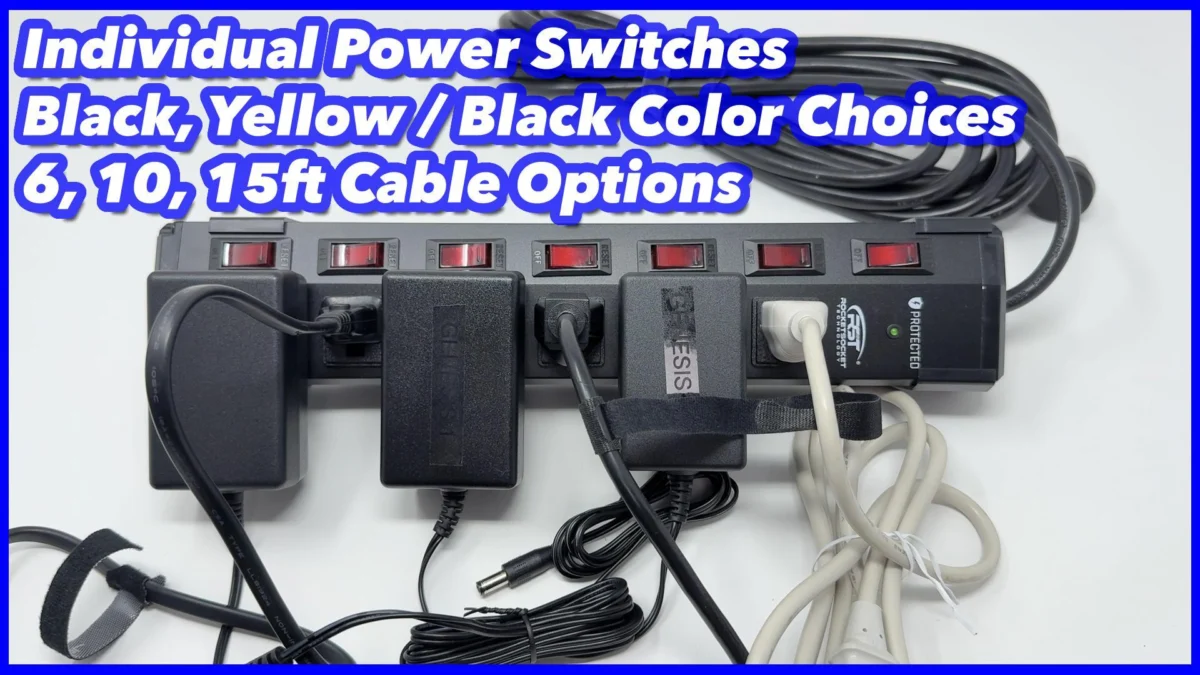
Addressing this long-standing hardware organization dilemma, a newly highlighted 6-outlet metal power strip featuring individual outlet switches and a master power toggle has emerged as a viable solution for complex retro gaming configurations. This heavy-duty power distribution unit accommodates oversized power bricks when ports are alternated strategically, combining industrial durability with granular power control. The product has quickly gained traction within the retro gaming community as a reliable alternative to traditional plastic surge protectors that lack individual circuit control and physical robustness.
Chronology and Background of Retro Power Management Solutions
The search for optimal power distribution in vintage gaming setups has evolved significantly over the past decade. Historically, enthusiasts relied on basic plastic power strips purchased from hardware or office supply stores. However, as retro gaming setups expanded to include multiple consoles, upscalers, switchers, audio receivers, and cathode-ray tube (CRT) televisions, the limitations of consumer-grade power strips became glaringly apparent.
Approximately one year prior to the introduction of the CRST model, widespread interest was generated within the community by the release of a 12-outlet metal power strip. While that high-capacity unit offered robust construction and ample plug real estate, consumers immediately raised two primary functional requests: the inclusion of individual power switches for each outlet and the availability of alternative form factors and sizes to fit tighter spaces.
For the subsequent twelve months, routine market searches yielded few satisfactory results. Most commercially available power strips featuring individual switches were designed with tightly spaced outlets intended exclusively for slender, modern two-prong or standard three-prong plugs. These conventional layouts made it virtually impossible to accommodate the wide, chunky power supplies typical of vintage consoles such as the Sega Genesis, Nintendo Entertainment System, original Microsoft Xbox, or various arcade superguns. The discovery and subsequent public review of the CRST 6-outlet metal power strip bridge this gap, offering a specialized layout tailored to the physical dimensions of legacy gaming hardware.
Design Specifications and Engineering Characteristics
The newly reviewed power distribution unit distinguishes itself through several key structural and electrical attributes designed to meet the rigorous demands of permanent installations and benchtop testing environments.
Construction and Durability
Unlike consumer-grade power strips fabricated from molded plastic, which are susceptible to cracking, thermal degradation, and impact damage, the CRST unit utilizes a sturdy metal housing. This metallic chassis provides enhanced physical durability, making it well-suited for permanent mounting beneath gaming desks, inside media cabinets, or on active electronics workbench surfaces where equipment is frequently reconfigured.
Outlet Spacing and Compatibility with Power Bricks
The primary engineering challenge solved by this unit is the physical clearance between adjacent sockets. Retro gaming hardware often utilizes transformers of varying widths and orientations. The 6-outlet CRST configuration allows users to fit most large power bricks successfully, provided that the user alternates the ports—plugging bulky adapters into every other receptacle or utilizing short extension adapters where necessary. Between these larger blocks, standard plugs can still be accommodated comfortably.
Tactile Feedback and Insertion Force
The internal receptacles feature a snug retention force that secures plugs firmly without requiring excessive physical exertion to insert or remove them. This balance ensures that heavy power bricks will not sag or disconnect under their own weight during regular use, while remaining accessible enough for frequent modifications on a technician’s workbench.

Switching Mechanism and Customization Options
Each of the six individual inputs features its own dedicated power toggle, complemented by an illuminated master power switch. This granular control allows users to completely isolate individual consoles or peripherals from the electrical grid when not in use. Additionally, the manufacturer offers the product in multiple color configurations and varying cable lengths to accommodate diverse spatial requirements in home theaters and gaming rooms.
Industry Standards, Safety Considerations, and User Best Practices
When integrating heavy-duty power distribution units into vintage electronics setups, electrical safety and load management remain paramount concerns for consumers and industry observers alike.
Surge Protection Versus Power Distribution
A common technical distinction highlighted by hardware reviewers involves the categorization of these metal power strips. Many industrial and workshop-oriented metal power strips function primarily as high-grade power distribution units (PDUs) rather than advanced surge suppression devices. While some units incorporate basic circuit breakers or rudimentary metal oxide varistors (MOVs), users are advised to evaluate the exact specifications provided by the manufacturer regarding joule ratings and clamping voltages.
For many retro gaming enthusiasts, the primary objective is not lightning-level surge suppression, but rather the prevention of "phantom load" or vampire draw—the continuous consumption of electricity by idle transformers—and the convenience of physical power isolation. Many collectors intentionally leave their power strips switched off or physically unplugged from the wall outlet when not actively gaming, thereby mitigating risks associated with aging capacitor degradation and thermal accumulation in vintage hardware transformers.
Compliance and Load Limits
Electrical safety organizations consistently remind consumers never to exceed the maximum amperage and wattage ratings specified on any power strip. Retro gaming rooms populated by multiple CRT monitors, audio amplifiers, and consoles can draw substantial cumulative current. Using a metal-housed power strip with a robust internal bus bar provides a higher thermal threshold than cheap plastic alternatives, but adherence to total load limits remains essential to prevent overheating and potential electrical hazards.
Broader Industry Impact and Market Implications
The enthusiastic reception of the CRST metal power strip underscores a broader trend in niche consumer electronics: the growing demand for commercial-grade utility products adapted for specialized hobbyist applications.
As retro gaming matures into a well-established preservationist hobby, collectors are increasingly moving away from disposable consumer goods in favor of professional-grade infrastructure. The market for AV furniture, signal routing switchers (such as those produced by Hydra_Rev and Shinybow), and specialized power management tools has expanded correspondingly.
Manufacturers of industrial hardware often overlook the unique physical dimensions of legacy consumer electronics, designing power strips strictly for modern USB chargers and slim laptop bricks. The community’s active curation and sharing of compatible hardware solutions—such as the recent video documentation and affiliate resource guides—demonstrate how enthusiast networks effectively create secondary markets for industrial products that happen to perfectly solve niche domestic engineering problems.
Future Outlook for Retro Gaming Infrastructure
As hardware prices climb and collectors invest heavily in pristine or restored vintage consoles, the protection and organization of these systems will remain a priority. The availability of versatile, switchable metal power strips provides a practical stepping stone toward safer, more organized, and more energy-efficient gaming environments. Future developments in this sector are likely to see continued adoption of industrial-grade components by hobbyists seeking long-term reliability over aesthetic consumer styling.