Cecilia Chamidah Nur
Dr. Marcel Pflug, the visionary curator behind the unofficial Game Boy Museum, has successfully completed a long-term technical project that serves as both a repository of gaming history and a testament to the enduring ingenuity of retro-computing. The new development is a custom-built software ROM designed to fit within the standard storage constraints of a Game Boy cartridge, containing a comprehensive database of the museum’s entire collection. This project bridges the gap between 1989 hardware, 1994 software techniques, and modern connectivity.
A Quarter-Century of Preservation
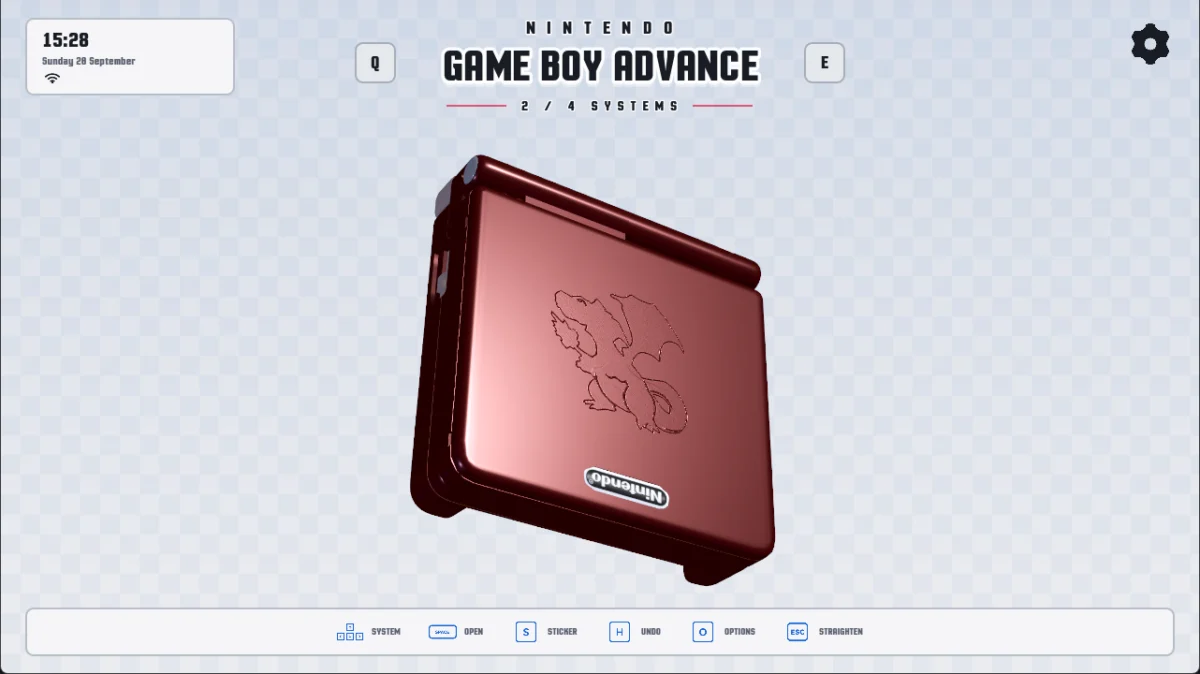
The Game Boy Museum project, founded by Dr. Pflug, represents 25 years of meticulous documentation and curation. Since the museum’s inception, the objective has been to preserve the legacy of Nintendo’s iconic handheld system, which first reached the consumer market in the spring of 1989. The collection has grown to encompass over 360 distinct items, ranging from the original DMG-001 console hardware to rare international variants, obscure peripherals, promotional print media, and early third-party accessories.
The museum acts as a digital sanctuary for a device that fundamentally altered the global gaming landscape. By cataloging these items, Dr. Pflug provides a structured timeline of the handheld’s evolution, offering insight into how a monochrome, battery-operated device managed to dominate the portable market for over a decade.
Technical Architecture and Functionality
The ROM developed by Dr. Pflug is not a game in the traditional sense; it is a specialized database engine optimized for the Game Boy’s limited processing power and memory capacity. Despite the technical constraints of the hardware—which features an 8-bit Sharp LR35902 processor running at 4.19 MHz—the database provides a functional user interface.
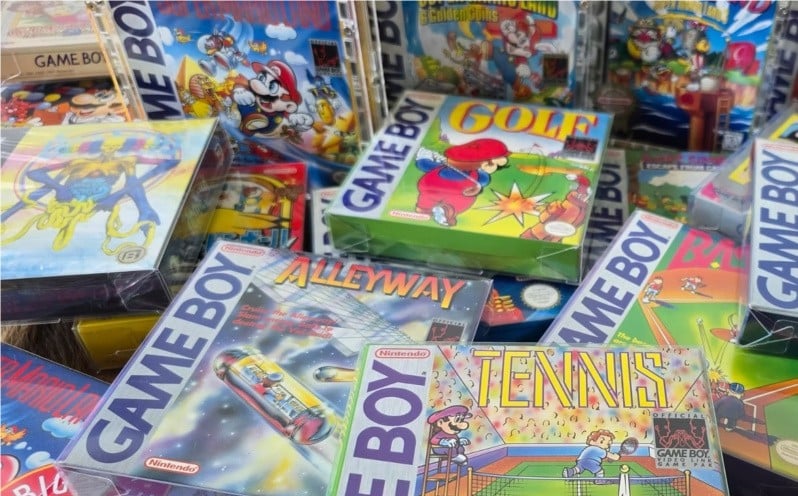
Users navigating the cartridge can access detailed write-ups on every item in the collection. The software includes a functional search engine, allowing enthusiasts to locate specific consoles or accessories within the database. Furthermore, the ROM serves an educational purpose, offering integrated guides on the history of the Game Boy platform and practical advice on identifying bootleg cartridges—a common challenge for modern collectors.
One of the most sophisticated features of this project is the integration of QR codes. When a specific item is selected on the Game Boy screen, the console generates a QR code. When scanned by a modern smartphone, the code redirects the user to the corresponding item page on the official Game Boy Museum website. This creates a seamless "phygital" experience, linking the 8-bit hardware of the past with the high-resolution internet capabilities of the present.
Chronology of the Project
The development of this portable database represents the culmination of a decade-long interest in retro-preservation. While the museum has existed for 25 years, the push to create a "hardware-native" catalog began in earnest as advancements in flash-cartridge technology made it easier for developers to run custom code on original Game Boy consoles.
- 1989: The Nintendo Game Boy (DMG-001) is released, marking the beginning of the handheld era.
- Late 1990s – Early 2000s: Dr. Pflug begins the initial cataloging of items, establishing the foundation for what would become the Game Boy Museum.
- 2010s: The museum transitions to a digital-first approach, establishing a web presence to reach a global audience of collectors and historians.
- 2024–2025: Dr. Pflug initiates the development of the "Museum on a Cart," utilizing modern development tools like GBDK (Game Boy Development Kit) to write the database logic.
- 2026: The ROM is finalized and released to the public as a free download, compatible with both emulators and original Game Boy hardware.
Supporting Data and Preservation Context
The significance of this project lies in the concept of "curation as a medium." By using the Game Boy itself to house the museum’s catalog, Dr. Pflug ensures that the preservation effort is tied directly to the object of study. This mirrors movements in digital archiving where the medium is treated as a component of the message.
The Game Boy’s impact on gaming is substantiated by sales data: Nintendo sold over 118 million units of the Game Boy and Game Boy Color combined. This massive install base created a unique cultural footprint that the Game Boy Museum aims to protect. By providing a repository that identifies authentic hardware versus bootlegs, the museum provides a tangible service to the secondary market, where the scarcity of original components has led to an influx of low-quality reproductions.

Broader Implications for Retro-Computing
The "Museum on a Cart" initiative reflects a broader trend in the preservation community: the transition from passive observation to active engagement. Many historical societies are now looking toward similar models to ensure that digital records are not lost to "link rot" or the obsolescence of modern file formats. By hard-coding the museum into a ROM, the data is essentially immune to the shifting standards of web browsers and server-side software, provided the hardware itself remains functional.
Analysts note that this approach solves a persistent problem in digital humanities: how to make archive data accessible to users who are interested in the hardware context. By forcing the user to interact with the device to view the catalog, the project provides a tactile experience that a web page cannot replicate. It turns the act of browsing the catalog into a simulation of playing a game, thereby increasing user engagement and retention.
Accessing the Archive
The ROM is currently available for free to the public. It can be loaded onto flash-based Game Boy cartridges, allowing it to run on original DMG, Pocket, or Color hardware, or it can be accessed via any standard Game Boy emulator. For those who do not have access to original hardware, the museum maintains a fully indexed website that hosts the same photographs and historical summaries found on the cartridge.
The website serves as the primary hub for the museum, containing a wealth of high-resolution imagery that exceeds the graphical capabilities of the Game Boy’s 160×144 pixel screen. However, the cartridge remains the preferred method for purists who wish to experience the museum in its intended, "low-fidelity" format.
Analysis of the Curator’s Philosophy
Dr. Pflug has described his work as a complex interplay of eras: "A museum object that is itself a museum; a format from 1994, drawn by a PC, shown on hardware from 1989, read by a phone from today." This statement highlights the philosophy behind the project—that the device is not just a tool for play, but a cultural vessel.
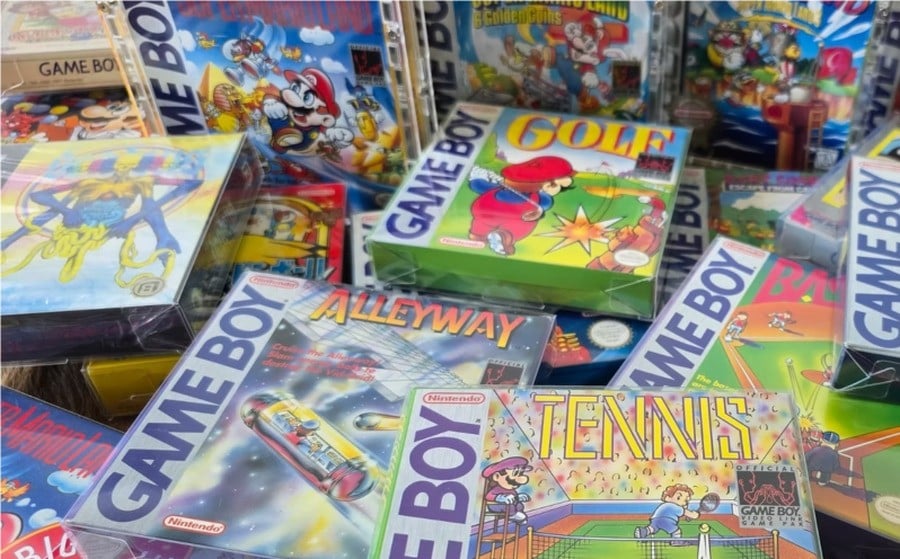
The project avoids the pitfalls of over-digitization by acknowledging that the physical limitations of the Game Boy are part of its character. The decision to exclude playable games in favor of a pure database reinforces the museum’s identity as an educational entity rather than an entertainment platform. By stripping away the "gaming" aspect, the user is forced to treat the console as an information device, which offers a fresh perspective on a machine that defined a generation’s recreational habits.
Conclusion
As the retro-gaming market continues to expand, projects like the Game Boy Museum provide a necessary framework for historical accuracy and education. Dr. Pflug’s work serves as a reminder that the preservation of gaming history is not merely about maintaining consoles and cartridges; it is about documenting the stories, the people, and the technical innovations that defined the medium.
Whether one is a serious collector or a casual enthusiast, the Game Boy Museum’s new cartridge-based database offers a unique opportunity to engage with history through the very device that helped create it. It remains a singular achievement in the field of digital archiving, effectively turning a handheld relic into a living, breathing, and portable piece of history.