Cecilia Chamidah Nur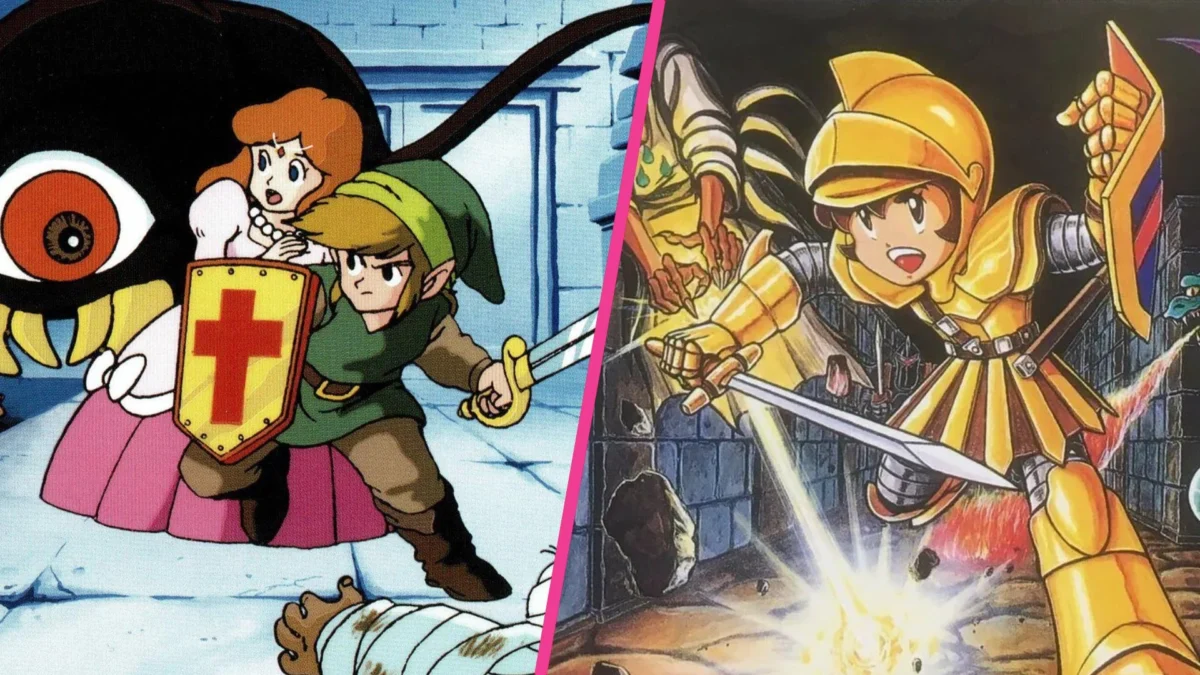
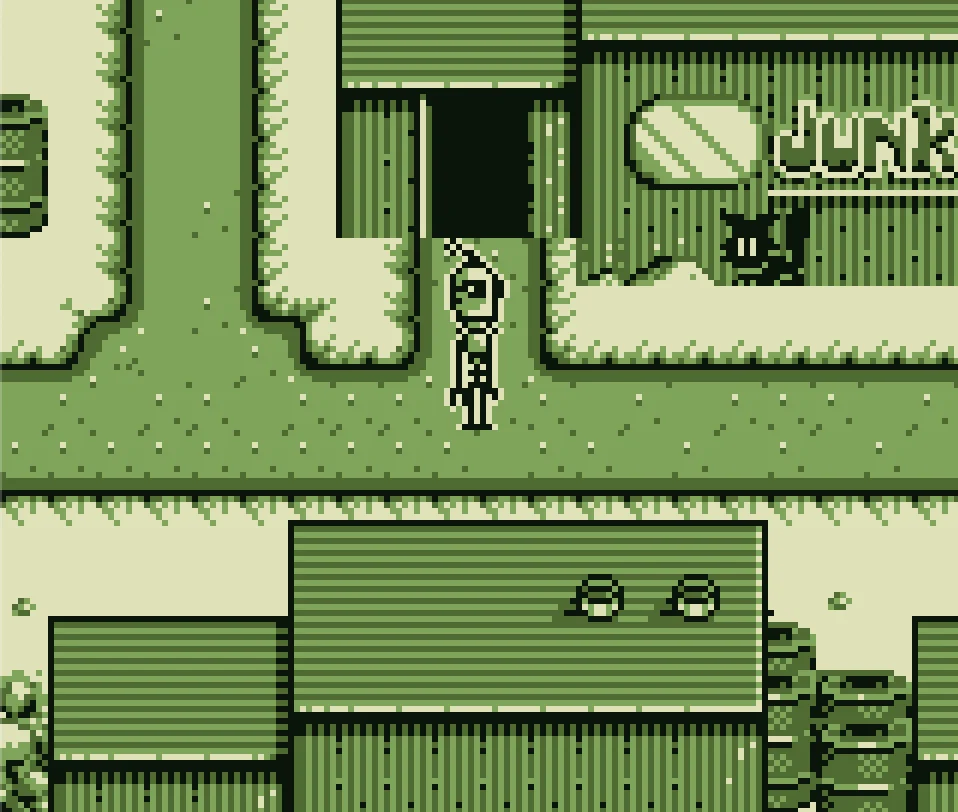
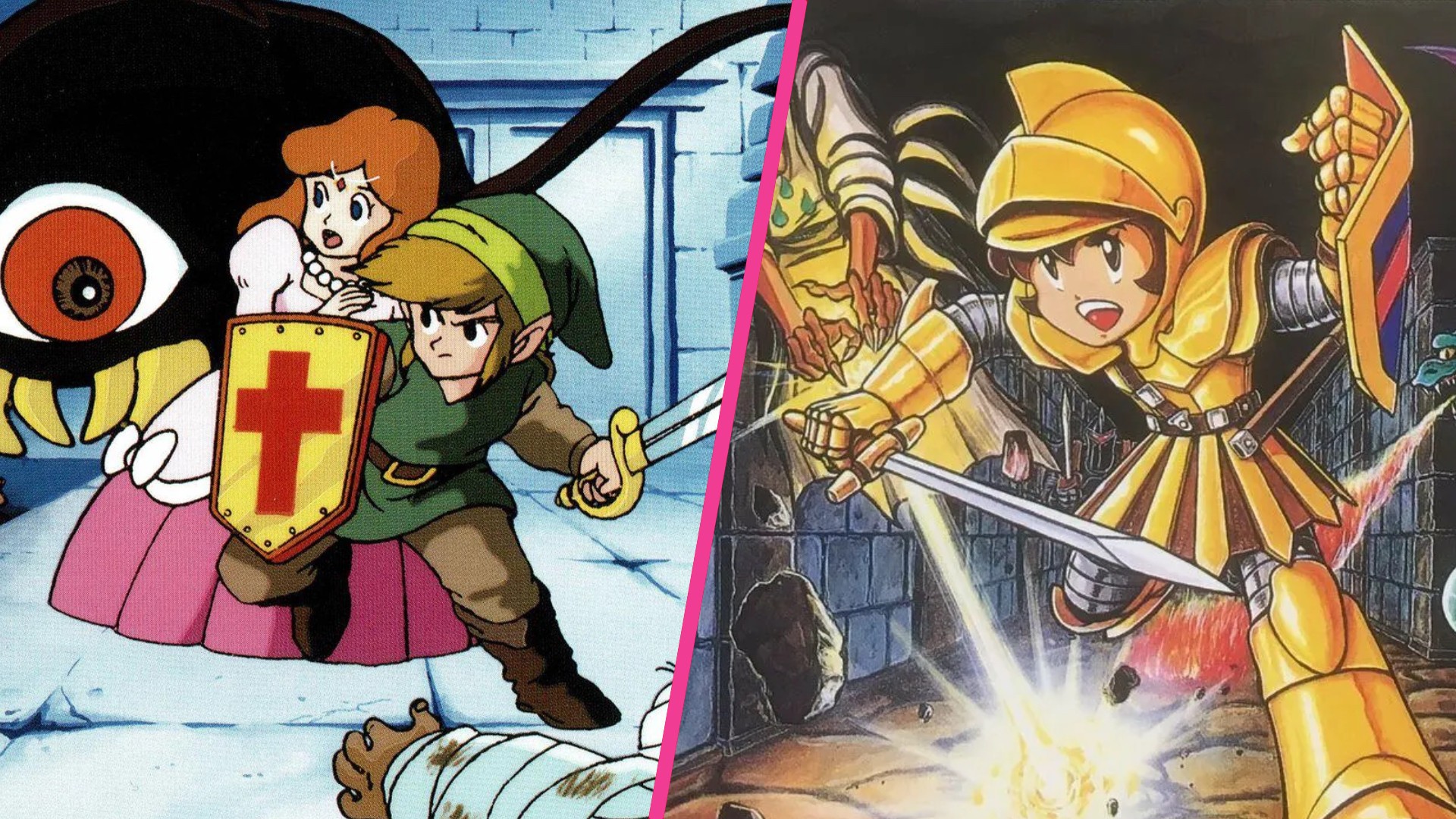
The landscape of 1980s video game development was defined by a handful of titles that set the structural and mechanical standards for the genres we recognize today. Among these, Nintendo’s The Legend of Zelda (1986) and Namco’s The Tower of Druaga (1984) stand as pillars of the action-adventure and dungeon-crawler genres, respectively. A new fan-developed project, The Tower of Zeldaga, created by developer Osmose, bridges the gap between these two historic franchises, offering a browser-based experience that synthesizes the exploration of Hyrule with the dense, puzzle-heavy architecture of Namco’s arcade classic.
The Historical Significance of the Source Material
The Tower of Druaga was released in arcades in 1984, predating The Legend of Zelda by two years. While it did not achieve the same level of global penetration as Miyamoto’s masterpiece, its influence on the Japanese market was profound. The game tasked players with navigating a 60-floor tower, where progress was gated by specific, often cryptic, item-collection requirements. This design philosophy—where the player’s knowledge of the game’s secrets was as important as their reflexes—laid the groundwork for the non-linear exploration found in later adventure titles.
Shigeru Miyamoto, the creative force behind The Legend of Zelda, was reportedly a fan of the title, with an arcade cabinet of Druaga present in his office during the development of the Famicom library. This historical intersection suggests a lineage of design principles connecting Namco’s arcade output to the birth of the modern adventure game. The Legend of Zelda, in turn, popularized the concept of a persistent world map, item-based progression, and a narrative-driven sense of adventure that defined the console generation.
Development and Design of The Tower of Zeldaga
The Tower of Zeldaga is a direct homage to these design philosophies. Developed by Osmose, the project functions as a browser-based title, ensuring high accessibility for users across desktop and mobile platforms. The game features full controller support, bridging the gap between its retro-inspired aesthetics and modern input methods.
The gameplay loop of The Tower of Zeldaga is characterized by its room-based structure, which heavily mirrors the specific, puzzle-centric requirements of Druaga. Each room presents a unique mechanical challenge, often requiring the player to solve an "obtuse" puzzle to proceed. This design choice serves as a modern meta-commentary on the difficulty spikes associated with 8-bit gaming, where the lack of in-game guidance forced players to experiment with every facet of the game’s logic.
Technical Hurdles and Design Evolution
During the development process, Osmose considered integrating social features that would have allowed players to leave messages for one another, effectively recreating the real-world culture surrounding the original arcade releases. In the 1980s, Japanese arcade cabinets were often covered in handwritten notes and strategy guides taped to the glass, left by previous players to assist others in navigating the game’s notoriously difficult secrets.
However, the developer ultimately opted against this implementation. In a statement regarding the project’s development, Osmose noted, "I had planned to add per-room guestbooks and maybe let people create groups so they could solve with a group of friends. But hosting arbitrary content from other people online gets really hairy really quickly, so I ended up dropping it." This decision highlights the challenges faced by independent developers when balancing nostalgic design intent with modern technical and moderation requirements.
The Rise of Fan-Led Preservation and Homage
The release of The Tower of Zeldaga arrives at a time when fan-made projects are playing an increasingly significant role in the preservation and reinterpretation of classic gaming history. While many fan projects risk potential litigation from rights holders, projects like The Tower of Zeldaga often find a middle ground by operating as free-to-play, browser-accessible creative works that function more as an interactive essay on game design than as a commercial competitor to official IP.
From an analytical standpoint, the success of such projects underscores the enduring appeal of the 8-bit design aesthetic. The constraints of the hardware of that era—limited memory, strict tile-based movement, and the absence of tutorials—forced developers to create dense, layered experiences that reward persistence. By mashing up Zelda and Druaga, Osmose is not merely creating a novelty; they are highlighting the commonalities in the "language" of 1980s game design.
Broader Implications for Industry Documentation
The existence of The Tower of Zeldaga also brings attention to the importance of documenting the "cultural memory" of gaming. The reference to players leaving notes on arcade cabinets is a vital piece of gaming history that is often lost to time. By attempting to incorporate this into a modern game, the developer draws a direct line between the physical community of the 1980s and the digital community of the present.
The game is currently available to the public, and its existence serves as a reminder that the influence of titles like The Tower of Druaga continues to shape modern game development in ways that are not always immediately obvious to the average consumer. As digital preservation becomes a critical topic for the gaming industry, amateur projects that synthesize and analyze the mechanics of the past will likely continue to provide valuable insights into the evolution of interactive media.

Future Outlook and Accessibility
The Tower of Zeldaga is currently available via the developer’s website, legitimatebusiness.biz, and maintains compatibility with standard web browsers. The decision to make the game free-to-play, combined with its lack of monetization, places it within a long-standing tradition of "freeware" gaming that has existed since the early days of the internet.
For developers and researchers, the project offers a case study in how to effectively adapt the mechanics of a coin-operated arcade game for a modern, persistent-progression environment. By stripping away the pressure of the "quarter-muncher" arcade model and replacing it with the exploratory, puzzle-focused logic of the early Zelda titles, Osmose has created a unique experience that feels both nostalgic and fresh.
As the industry moves toward more complex, high-fidelity experiences, the popularity of titles like The Tower of Zeldaga indicates that there is a consistent, enduring market for titles that emphasize clever, mechanical-based design over graphical spectacle. Whether the developer will continue to update the title with further content or expand its reach to other platforms remains to be seen, but for now, it stands as a testament to the continued relevance of the formative years of the video game medium.
In summary, the mash-up serves as both a playable tribute to the foundations of action-adventure design and a thoughtful reflection on the challenges and rewards of retro-inspired development. By successfully navigating the complexities of historical game mechanics, The Tower of Zeldaga ensures that the legacy of titles like The Tower of Druaga remains accessible to a new generation of players, while simultaneously offering a nostalgic, challenging experience for those who grew up in the era of the Famicom and the local arcade.