Cecilia Chamidah Nur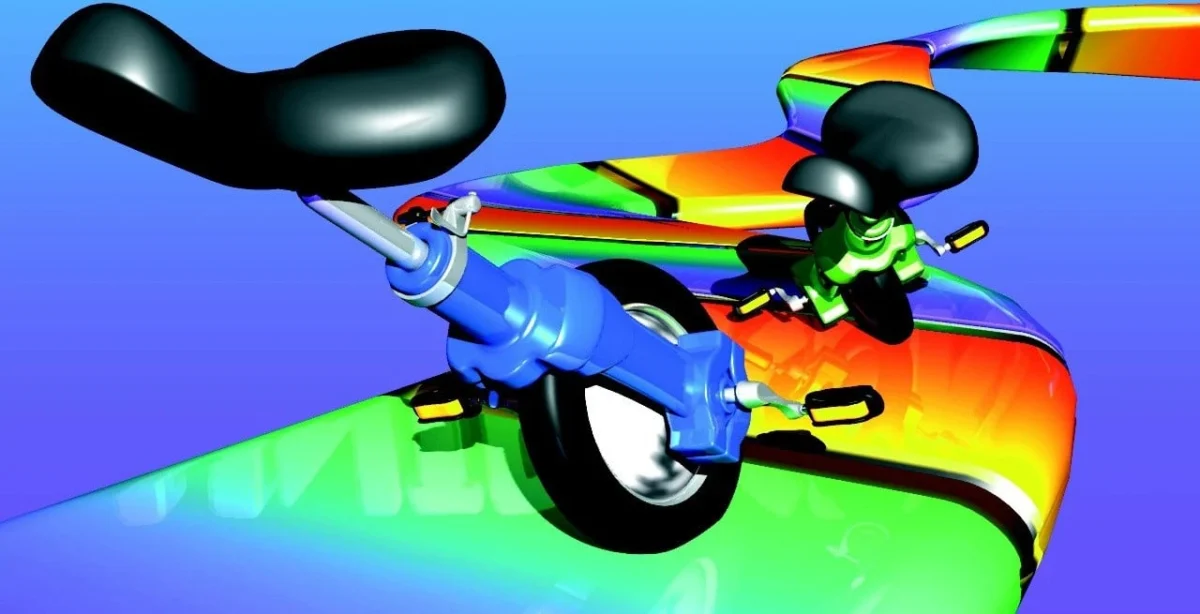
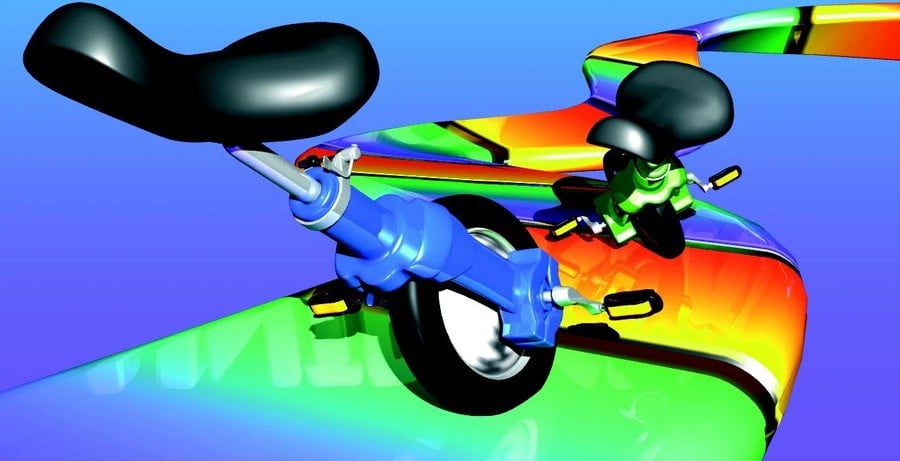
For over three decades, the gaming industry has operated under the assumption that a landmark copyright infringement lawsuit between Pixar Animation Studios and Nintendo of America effectively ended the life of the 1994 Super Nintendo Entertainment System (SNES) title Uniracers. The narrative, originating from comments made by developer Mike Dailly of DMA Design, suggested that Pixar successfully sued Nintendo for the unauthorized use of a sentient, computer-generated unicycle—a character design allegedly lifted from the 1987 Pixar short film Red’s Dream. However, recent discoveries in federal court records suggest that while a legal dispute did occur, the reality of the situation was far more mundane and procedural than the industry legend implies.
The Origin of a Gaming Urban Legend
The myth surrounding Uniracers (known as Unirally in Europe) holds that Pixar, an animation powerhouse in its infancy during the early 1990s, identified the SNES game as a direct derivative of their own intellectual property. According to Dailly, who spoke in a 2010 interview, a judge ruled in favor of Pixar, forcing Nintendo to cease production of the title after approximately 300,000 units had been manufactured. This story has been disseminated across countless gaming outlets, YouTube video essays, and social media retrospectives, cementing it as a foundational "fact" in the history of 16-bit gaming.
The core of the allegation was that Pixar viewed any computer-generated unicycle as an infringement upon their specific aesthetic and character design. Because Uniracers focused entirely on the movement and personality of a unicycle, the industry consensus was that Nintendo had been caught in a high-profile intellectual property battle, ultimately losing the rights to distribute the game.

Unearthing the Docket: Pixar v. Nintendo of America
The investigation into these claims reached a significant turning point in September 2026, when legal professional Elliot Rosenberger identified a specific case file on the Public Access to Court Electronic Records (PACER) database. The docket, titled Pixar v. Nintendo of America, was filed on May 31, 1995. Crucially, this record does not validate the dramatic courtroom showdown described by Dailly; instead, it provides a timeline of a dispute that was resolved through a settlement agreement.
The case was officially dismissed on October 27, 1995. The nature of the dismissal—triggered by a mutual agreement—indicates that no judge ever issued a substantive ruling on the merits of the copyright infringement claims. In legal terms, the "moron judge" narrative described by Dailly is factually unsupported. There was no judicial precedent established, no public testimony regarding the similarity of unicycle designs, and no final judgment that could be characterized as a total victory for Pixar or a defeat for Nintendo.
The digital records available on PACER are limited due to the age of the case, and the physical files remain archived, complicating efforts to view the original complaint or the specific terms of the settlement. However, the presence of the docket confirms that a dispute was indeed active during the mid-90s, even if the cinematic "day in court" never materialized.
The Institutional Silence of the 1990s
While the docket provides a legal framework for the dispute, the human perspective remains elusive. Key figures from both companies have expressed a lack of memory regarding the litigation. Craig Good, the first layout and camera polish artist at Pixar, who contributed to Red’s Dream, confirmed he has no recollection of such a lawsuit. This sentiment was echoed by Ralph Guggenheim, then-Vice President of Feature Animation at Pixar.
Guggenheim’s perspective is particularly telling; in 1995, Pixar was fully focused on the high-stakes production of Toy Story, the first feature-length computer-animated film. It is highly probable that the Uniracers matter was handled by the company’s legal department as a routine intellectual property enforcement action, likely occurring beneath the radar of the creative teams working on animation.
Similarly, former employees at Nintendo of America have been unable to provide corroborating details, suggesting that the "lawsuit" was a standard corporate negotiation between legal departments. The lack of institutional memory among those directly involved in the development of the respective properties suggests that the conflict was never considered a "career-defining" or "history-making" event at the time.
Why the Myth Persisted
The persistence of the "Pixar vs. Nintendo" legend can be attributed to a common phenomenon in software development: the "telephone game." Mike Dailly, the primary source of the story, noted that his understanding of the event came from David Jones, the founder of DMA Design. As the information moved from the legal department at Nintendo to the executive level at DMA Design, and eventually to the developers on the ground, the narrative likely evolved from "we settled a trademark/copyright dispute" into "a judge ruled against us."
This narrative was further bolstered by the fact that Uniracers did indeed vanish from the market. The abrupt cessation of production following the 1995 settlement, combined with the lack of any subsequent rereleases or ports, created a vacuum of information that fans and journalists were eager to fill. The lack of official statements from Nintendo or Pixar regarding the matter allowed the story of the "stolen unicycle" to take root as a piece of lore.

Legal and Industry Implications
The resolution of the Uniracers mystery serves as a cautionary tale for game historians. It highlights the discrepancy between internal corporate legal maneuvering and the public-facing narrative that developers and fans construct to explain product cancellations.
- Procedural Settlement vs. Judicial Verdict: The case demonstrates that many "famous" industry lawsuits are settled privately and quietly. The myth of the "judicial ruling" is often an attempt to rationalize a loss of product availability.
- The Role of Confidentiality: Settlements in the mid-90s were often subject to strict non-disclosure agreements. By avoiding a public trial, companies prevented the setting of legal precedents that could have been used against them in future IP disputes.
- The Power of Speculation: The proliferation of this story through secondary sources—YouTube channels and tech blogs—shows how easily unverified anecdotes can become "official" history. Without access to primary documents like the PACER docket, researchers were forced to rely on hearsay, which is inherently prone to exaggeration.
Awaiting Further Documentation
As of September 2026, the investigation into the full case files continues. The application for electronic copies of the court records is pending, and there remains a slim possibility that the original complaint will offer more detail on the specific intellectual property concerns Pixar held regarding the game’s character design.
Until those files are recovered, the story of Uniracers stands as a case study in how professional, routine legal disputes are transformed into industry folklore. The truth is far less sensational than the legend of a "moron judge" deciding the fate of a unicycle; it was a standard, pragmatic business settlement designed to mitigate risk for both parties. For now, the legacy of Uniracers remains that of an innovative title caught in the intersection of early 3D animation protectionism and the fast-paced, often litigious world of 1990s console gaming. Whether or not the mystery is "put to bed" will depend on the contents of the archives, but for historians, the discovery of the PACER docket is the most significant step toward the truth in three decades.