Cecilia Chamidah Nur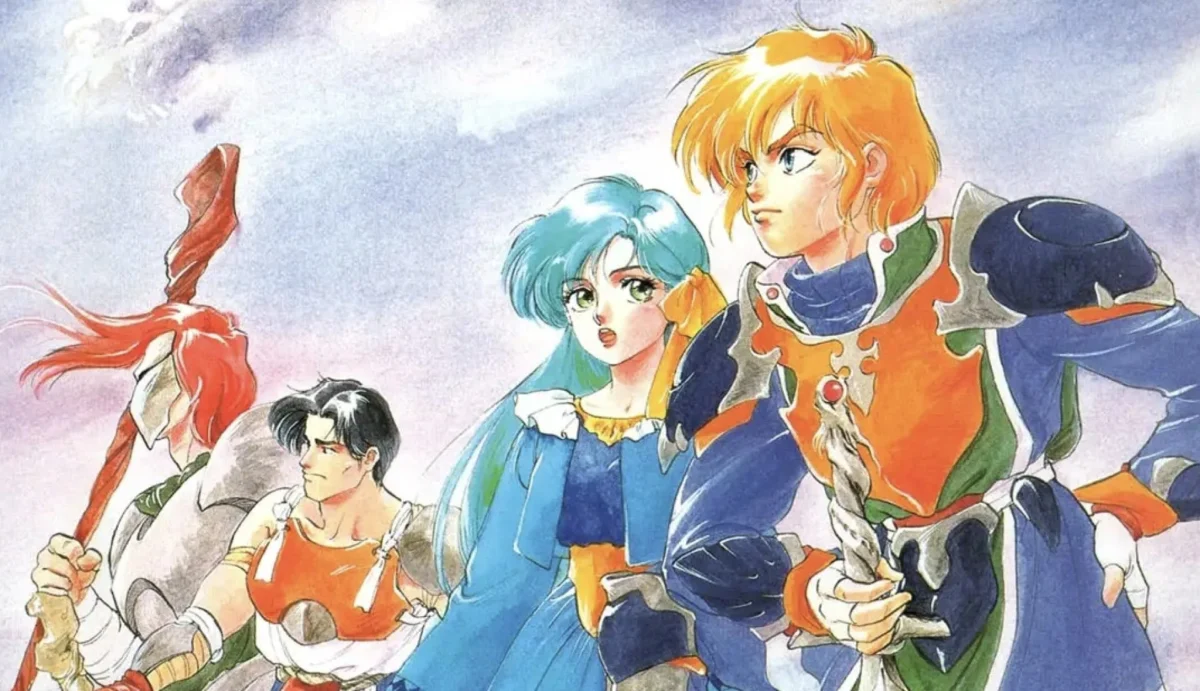
The Tokyo Game Show (TGS) has long served as a global stage for major announcements within the Japanese video game industry, and this year’s exhibition has provided a significant update for enthusiasts of classic role-playing games. Publisher Edia has officially confirmed that it will be bringing the PC Engine CD-ROM² versions of the seminal titles Dragon Slayer: The Legend of Heroes and Dragon Slayer: The Legend of Heroes II to PlayStation 5, PlayStation 4, Nintendo Switch, and PC platforms. This announcement marks a major milestone in the preservation and accessibility of Nihon Falcom’s extensive back catalog, specifically targeting the international market for a worldwide release scheduled for 2026.
The Evolution of the Dragon Slayer Legacy
To understand the weight of this announcement, one must consider the historical significance of the Dragon Slayer series. Originally developed by Nihon Falcom and spearheaded by industry legend Yoshio Kiya, the Dragon Slayer franchise was instrumental in defining the trajectory of Japanese role-playing games (JRPGs) during the late 1980s and early 1990s. The first entry, Dragon Slayer: The Legend of Heroes, debuted on the NEC PC-8801 in 1989. At the time, it represented a shift away from the punishing, dungeon-crawling nature of contemporary titles, focusing instead on a more narrative-driven, character-focused experience.
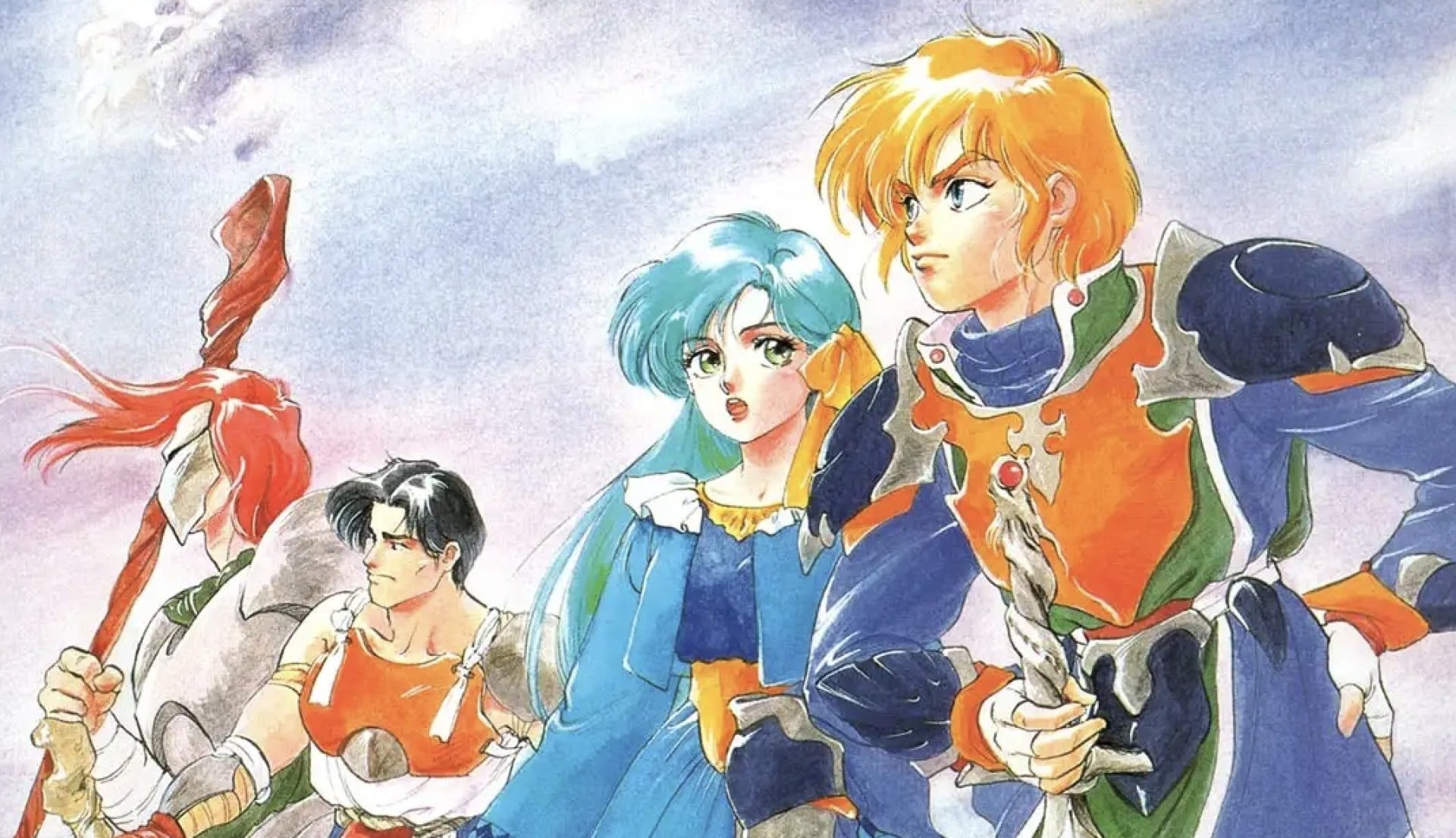
The story follows Prince Selios, a character later localized as Logan in the North American TurboGrafx-CD release. The plot concerns the tragic fall of the kingdom of Fariel, which is besieged by the forces of the dark god Agunija. Selios’s quest to reclaim his birthright and liberate his people became a template for the "hero’s journey" archetype in RPGs. The 1991 PC Engine CD-ROM² version refined this experience, introducing orchestrated musical arrangements and, notably, voice acting in key sequences—a technological luxury that significantly bolstered the game’s cinematic presentation for the era.
Dragon Slayer: The Legend of Heroes II, released in 1992, expanded upon this foundation. Set decades after the events of the original, it follows Atlas, the son of Selios, as he navigates a world still grappling with the lingering consequences of his father’s battles. By migrating these specific versions to modern consoles, Edia is providing contemporary players with the most complete and "deluxe" versions of these 16-bit classics.
A Strategic Timeline of Rights and Preservation
The path to this announcement has been marked by a series of deliberate corporate moves. Last year, Edia filed a series of press releases indicating that they had acquired the rights to facilitate the rerelease of several high-profile Nihon Falcom properties. This list included not only the Legend of Heroes titles but also the Ys series (specifically installments I through IV) and The Legend of Xanadu duology.
For many industry observers, the initial announcement was met with cautious optimism. Following that disclosure, Edia remained largely silent, leading to speculation regarding the feasibility of such a broad project. The confirmation at TGS serves as the first tangible evidence of progress. By demonstrating the titles on the show floor, the publisher has shifted the narrative from theoretical licensing to active development.
The inclusion of worldwide availability is perhaps the most critical aspect of this news. Historically, many of these titles were restricted to the Japanese market, with limited and often costly localization efforts in North America via the TurboGrafx-CD. By leveraging modern digital storefronts across multiple platforms, Edia is effectively removing the barrier to entry for Western fans who have long relied on fan translations or emulated imports.
Technical and Narrative Enhancements
Based on materials distributed at the Tokyo Game Show, the upcoming re-releases are intended to act as faithful preservations rather than comprehensive remakes. The decision to prioritize the PC Engine CD-ROM² versions suggests an emphasis on the "definitive" aesthetic of the early 90s. The flyer distributed by Edia highlights the voice acting as a primary draw, noting that the inclusion of spoken dialogue in select scenes was a revolutionary feature that allowed players to forge a deeper connection with the cast.

For modern audiences, the challenge lies in balancing nostalgia with modern playability. While specific features—such as save states, fast-forward functions, or screen filters—have not been explicitly detailed, the current industry trend for retro compilations suggests that these standard quality-of-life improvements are likely. The transition to the PlayStation 5, PlayStation 4, Switch, and PC platforms ensures that these games will benefit from the high-resolution displays and stable frame rates that were physically impossible on the original NEC hardware.
Industry Context and the Rise of Retro Revivalism
This announcement comes amid a wider industry shift toward the "remastering" of classic JRPGs. As development costs for modern AAA titles continue to climb, publishers are increasingly looking toward their back catalogs to provide low-risk, high-engagement content. The success of similar retro initiatives—such as the EGG Console projects or the various Final Fantasy Pixel Remaster collections—demonstrates a robust market demand for legacy titles.
Moreover, this news complements the recent deal between Neowiz and Nihon Falcom regarding The Legend of Heroes III: Shiroki Majo (The White Witch). With multiple arms of the Legend of Heroes timeline being refreshed simultaneously, there is a renewed focus on the series’ heritage. This creates a synergistic effect: players who are introduced to the series through the modern Trails games can now look back at the source material, while older fans are given a legitimate way to support the franchise.

Broader Implications for Nihon Falcom’s Catalog
The move to modernize Dragon Slayer titles carries broader implications for the long-term preservation of the Japanese gaming industry. Historically, companies like Nihon Falcom have been protective of their intellectual property, often choosing to focus on new iterations of Ys or Trails. However, by partnering with third-party publishers like Edia, the original creators can ensure that their legacy is not lost to "bit rot" or the obsolescence of proprietary hardware.
The fact that these titles are being demoed at TGS indicates that the development cycle is well underway, with a release window set for next year. While fans wait for a formal trailer or a specific launch date, the current information provides a clear roadmap for what to expect. The focus remains on the preservation of the original creative vision, ensuring that the legacy of Selios and Atlas is not just remembered, but experienced by a new generation of players.
Conclusion
The commitment from Edia to bring Dragon Slayer: The Legend of Heroes I & II to global audiences on modern consoles is a significant development in the RPG space. By prioritizing the PC Engine CD-ROM² iterations, the publisher is opting for the version of the games that best captures the technological ambition of the early 90s. As the release date approaches in 2026, all eyes will be on how these titles perform in a crowded modern market. Regardless of commercial performance, the initiative stands as a testament to the enduring appeal of Nihon Falcom’s early work and the ongoing effort to ensure that the foundational pillars of the JRPG genre remain accessible for years to come.