Cecilia Chamidah Nur
The Composition of the Collection
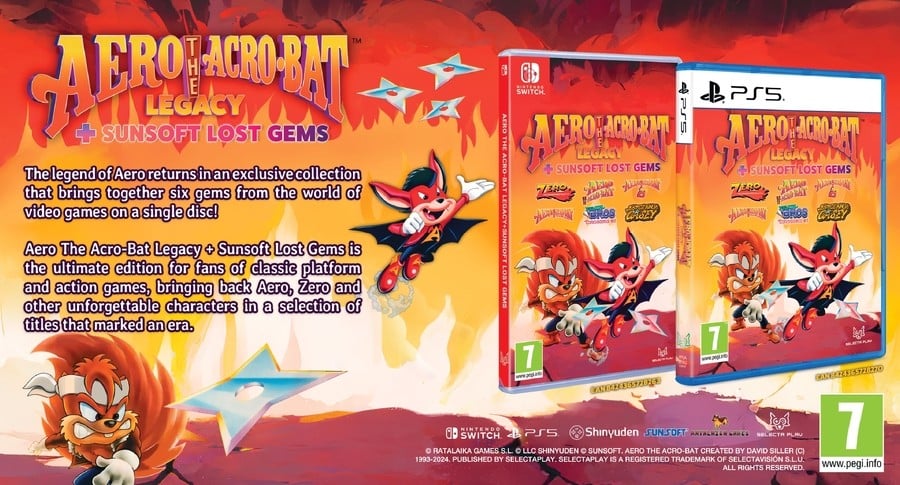
The compilation, titled Aero The Acro-Bat Legacy + Sunsoft Lost Gems, provides a cross-section of Sunsoft’s development philosophy during the 1990s. The package includes six distinct titles, each offering a unique window into the mechanics and design trends of the era. The headlining games are the core entries of the Aero the Acro-Bat franchise, a series that sought to challenge the dominance of established industry icons like Sonic the Hedgehog and Mario.
The included games are as follows:
- Aero the Acro-Bat (1993): The original title that introduced the eponymous acrobat.
- Aero The Acro-Bat 2 (1994): The direct sequel, which expanded on the movement and combat mechanics of its predecessor.
- Aero the Acro-bat: Rascal Rival Revenge (Game Boy Advance): A handheld iteration that brought the franchise to a new generation of portable hardware.
- Zero the Kamikaze Squirrel (1994): A spin-off title featuring the series’ recurring antagonist, known for its faster-paced gameplay and distinct character design.
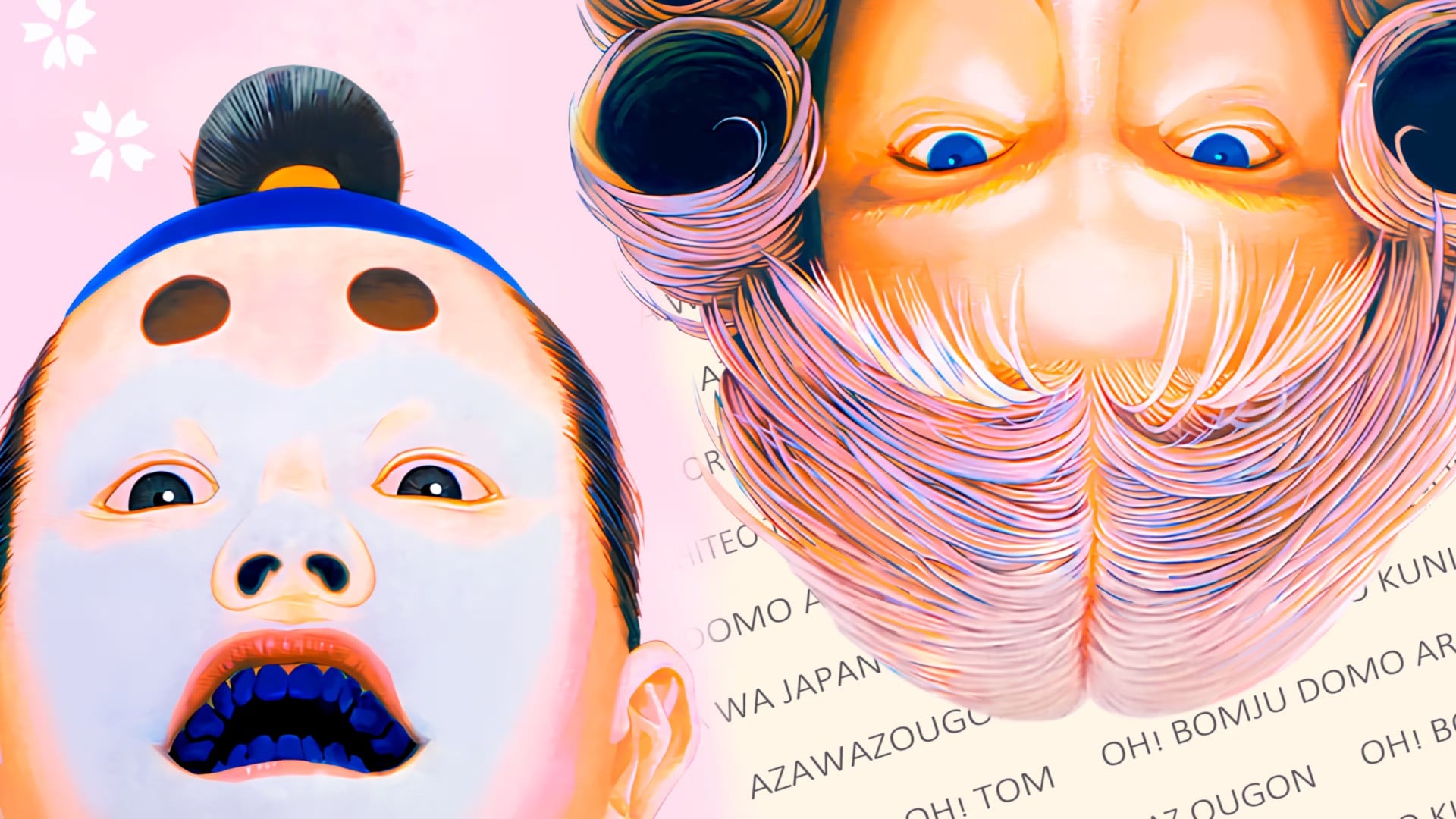
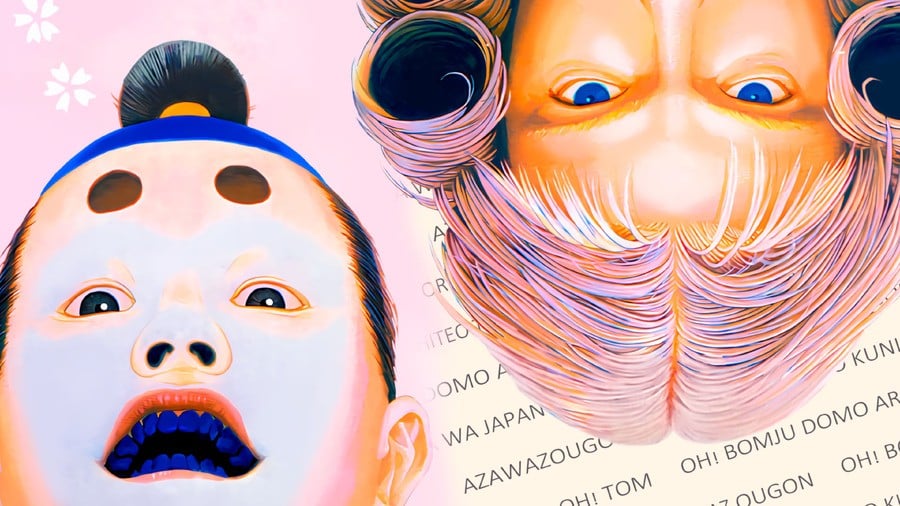
- Feudal Bros. (originally Deae Tonosama: Appare Ichiban, 1995): A Super Famicom beat ’em up previously restricted to the Japanese market.
- Justice Ninja Casey (originally Shounen Ninja Sasuke, 1995): A 2D side-scrolling brawler that provides a look into the studio’s experimentation with historical Japanese settings.
Chronology and Development Context
Sunsoft, officially known as Sun Corporation, rose to prominence in the late 1980s and early 1990s through its work on the Nintendo Entertainment System (NES), delivering cult hits such as Blaster Master and Batman. As the industry transitioned to the 16-bit era, the studio attempted to pivot toward character-driven platformers. The creation of Aero the Acro-Bat in 1993 was an attempt to capture the "attitude-heavy" zeitgeist of the early 90s, where mascot characters were frequently paired with edgy marketing and complex stage designs.
The inclusion of the "Lost Gems" category represents a shift in how retro collections are marketed. Historically, Japanese developers often left a significant portion of their catalog in regional silos due to the high costs associated with localization and physical distribution in the West. The 1995 release of Deae Tonosama: Appare Ichiban and Shounen Ninja Sasuke occurred during the waning years of the Super Famicom’s lifecycle, as consumer interest began to shift toward 32-bit hardware like the PlayStation and Sega Saturn. Consequently, these titles were largely overlooked by global audiences at the time, remaining in the realm of import-only oddities for decades.
Analysis of the "Lost Gems"
The arrival of Feudal Bros. and Justice Ninja Casey in Western markets via this collection is of particular interest to historians of the medium. Deae Tonosama: Appare Ichiban is a top-down beat ’em up that is notable for its surrealist design. Players control a flamboyant prince and a warlord, navigating levels that feature a bizarre array of enemies ranging from astronauts to giant elephants. While contemporary critics often highlight the game’s unconventional difficulty spikes and erratic design choices, it remains a testament to the experimental nature of Sunsoft’s internal development teams during the mid-90s.

Conversely, Justice Ninja Casey offers a more traditional 2D brawler experience. Set against a backdrop of feudal Japan, the game focuses on the journey of a young ninja tasked with a rescue mission. While it adheres to the tropes of the genre—repetitive combat and linear progression—it is often cited for its aesthetic charm and the quality of its sprite work, which pushed the limits of the Super Famicom’s graphical capabilities. The decision to localize these games after thirty years is a clear acknowledgment of the growing demand for "archival" gaming, where the historical curiosity of a title is prioritized alongside its critical reception.
Market Trends and Physical Preservation
The physical release of this compilation underscores a broader trend in the gaming industry: the resurgence of physical media as a premium product. Despite the ubiquity of digital storefronts and subscription services, physical collections have become a primary vehicle for developers to monetize their back catalogs. By grouping "high-quality" legacy titles with "niche" historical curiosities, publishers can appeal to both the casual nostalgic player and the dedicated collector.
This strategy has been validated by the performance of similar collections from publishers like Capcom, Konami, and SNK. The physical edition of Aero The Acro-Bat Legacy + Sunsoft Lost Gems caters specifically to the collector demographic, providing a tactile object that serves as a permanent record of these games. For the developer, this represents a low-risk, high-reward strategy that revitalizes inactive intellectual properties without the need for high-budget remakes or remasters.
Industry Implications
The localization of these previously Japan-only titles reflects a maturation in the relationship between Japanese developers and their international fanbases. In the 1990s, the distance between the two markets was characterized by a lack of communication and significant delays. Today, the bridge between these regions is nearly instantaneous, and the appetite for "lost" history has become a legitimate market segment.
For Sunsoft, this release is part of a larger, ongoing effort to re-establish the brand’s relevance in the modern era. By cleaning up the code, adding modern quality-of-life features such as save states and visual filters, and providing official English translations, the studio is ensuring that its heritage remains accessible. While the "Lost Gems" may not reach the same critical acclaim as the Aero the Acro-Bat series, their inclusion provides a comprehensive picture of a studio in transition, moving from the rigid constraints of the 8-bit era into the more fluid, albeit chaotic, 16-bit market.
Technical Considerations for Modern Players
When transitioning 16-bit titles to modern hardware like the PlayStation 5 and Nintendo Switch, developers face the challenge of maintaining the "feel" of the original hardware while ensuring compatibility with high-definition displays. Modern emulation standards have reached a level of precision where the input lag and color accuracy of the original consoles are preserved with high fidelity. This collection adheres to these standards, allowing players to experience the titles with the same timing-based challenges that defined the experience in 1993 and 1995.
The inclusion of the Game Boy Advance version of the series is also a notable technical choice. Handheld emulation often requires distinct scaling algorithms to ensure that the image remains sharp on large television screens. By ensuring that these titles meet current performance expectations, Sunsoft has positioned this collection as a viable option for both retro enthusiasts looking for convenience and new players interested in the history of the mascot platformer genre.
Broader Impact on Game Preservation
The act of releasing these titles serves as a vital case study in game preservation. Digital files are susceptible to bit rot and platform obsolescence, but physical media—when paired with stable emulation—creates a more durable path for future generations to access these titles. While the industry has struggled with the loss of many classic games due to licensing disputes or the simple lack of source code, the proactive approach taken with the Sunsoft collection highlights the importance of archiving even the less-than-perfect entries in a company’s history.
By treating the "terrible" and "bizarre" games with the same level of care as the hits, the publisher is providing a more honest account of gaming history. It acknowledges that the industry was built on a foundation of both brilliance and failure. As the game industry continues to focus on remakes and sequels, collections of this nature provide a necessary anchor, reminding stakeholders of the iterative processes that defined the evolution of interactive entertainment.
Conclusion and Future Outlook
Aero The Acro-Bat Legacy + Sunsoft Lost Gems is now available globally, offering a snapshot of a specific, experimental time in development. Whether the appeal lies in the mascot-led platforming of the early 90s or the peculiar, newly-localized brawlers of the Super Famicom era, the compilation satisfies a specific demand in the current market.
As Sunsoft continues to navigate the modern landscape, the success of this compilation may determine the viability of further excavations of their archives. With a library that spans decades of development across multiple platforms, there remains significant potential for future collections that continue to bridge the gap between regional exclusivity and global availability. For now, the release stands as a successful example of how legacy content can be preserved, packaged, and presented to a modern audience without sacrificing the historical context that makes these games worth playing in the first place.