Arya Paningal
In a strategic expansion of its modular pinball ecosystem, Multimorphic has officially unveiled two new titles for its P3 platform: Dungeon Crawler Carl and Enders Game. While the two games are independently themed with bespoke artwork, soundscapes, and rulesets, they share a unified playfield architecture and mechanical layout. This simultaneous development marks a significant shift in Multimorphic’s release strategy, moving from a single-title focus to a dual-release model that leverages shared engineering to maximize efficiency without compromising the unique identity of either project.
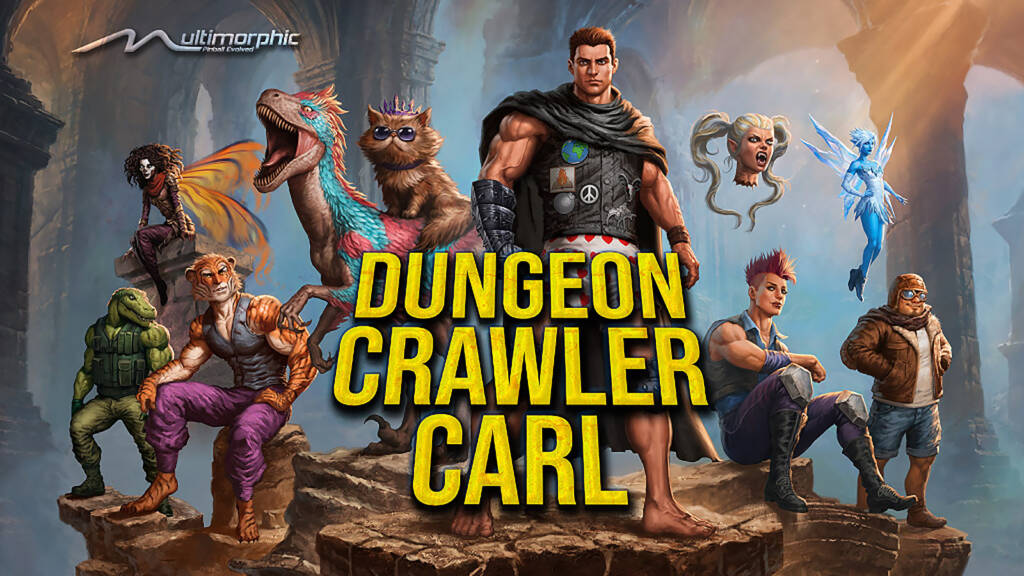
The Dungeon Crawler Carl title is based on the wildly successful sci-fi book series by American author Matt Dinniman. Originating as a self-published short story, the series has since grown into a literary phenomenon spanning eight full-length novels. Since being acquired by Ace Books in 2024, the franchise has eclipsed ten million copies sold. The narrative, which chronicles the desperate struggle of survivors in an AI-generated, eighteen-level intergalactic reality show dungeon, has cultivated a massive, dedicated fanbase, positioning it as a high-value intellectual property for the pinball medium.
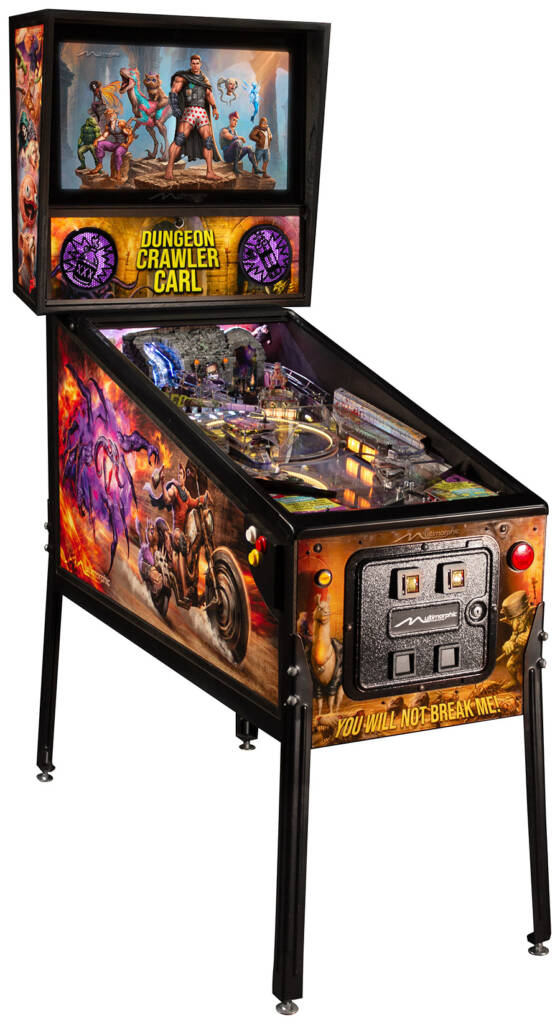
A Technical Evolution of the P3 Architecture
The P3 platform is defined by its modular design, which allows owners to swap playfield modules to change the entire game experience. Historically, critics have noted that earlier P3 designs concentrated most of the physical action behind a wall of targets, leaving the lower playfield relatively sparse. Both Dungeon Crawler Carl and Enders Game represent a deliberate design evolution aimed at addressing this feedback by pushing physical ball interaction closer to the flippers.
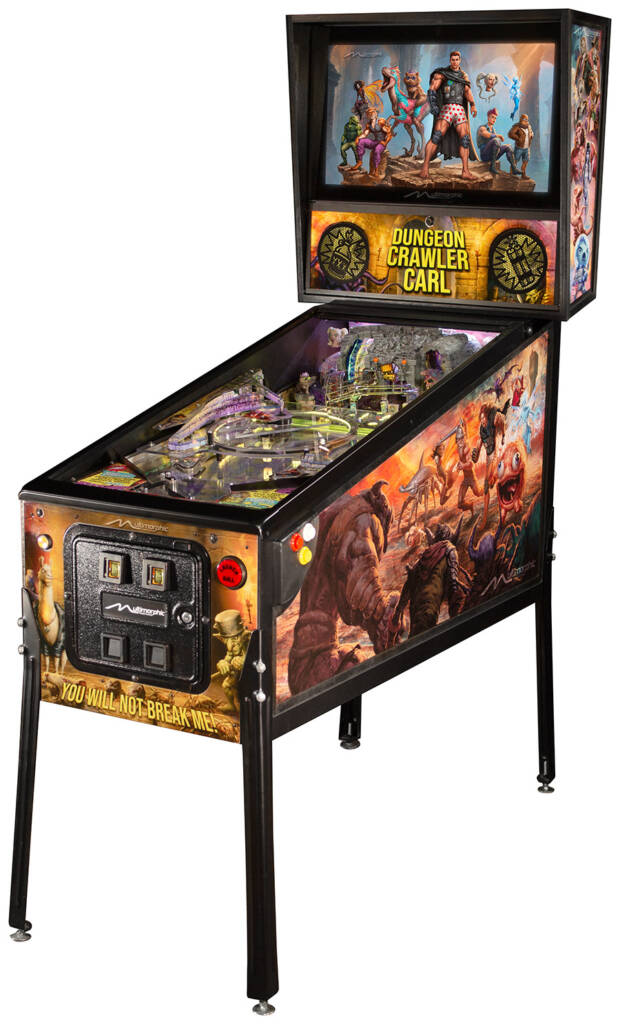
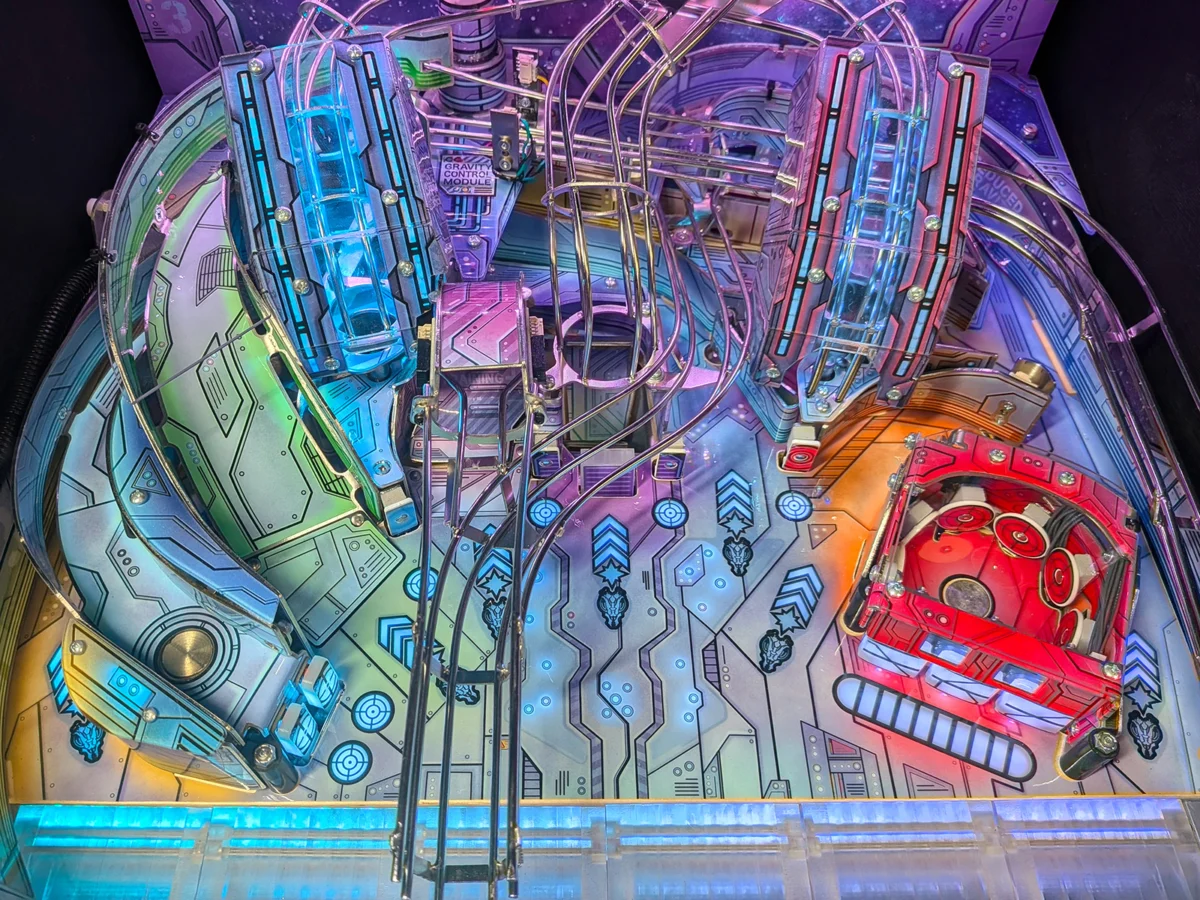
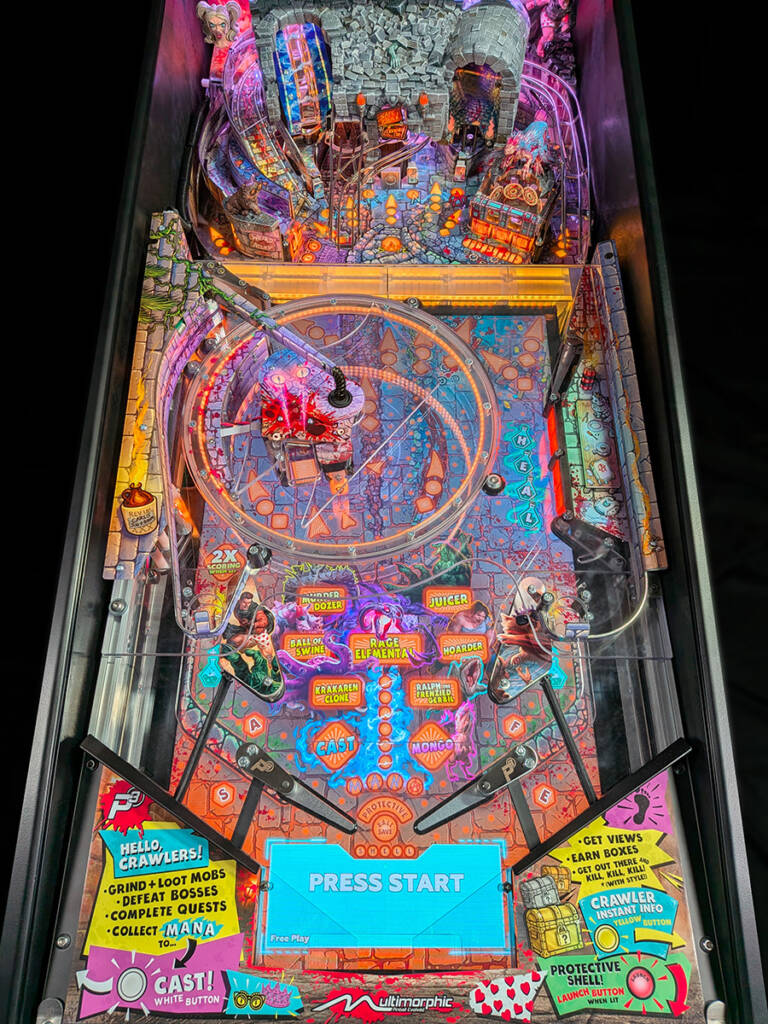
The centerpiece of this design is a large, clear rotating disk mounted directly over the digital display section of the playfield. This mechanism is an engineering marvel, featuring more than 180 RGB LEDs, a curved bank of illuminated standup targets, and a sophisticated ball cannon. To ensure the disk can rotate 360 degrees without tangling cables, the design team utilized slip rings, allowing the device to move freely in either direction. The disk functions as a multi-purpose tool, serving as a ball guide, an interactive target bank, and a launch platform for the game’s cannon feature.
Furthermore, the introduction of "SlingLocks"—or "StevieStops," in a nod to designer Stephen Silver—marks a new milestone in P3 mechanical versatility. These modifications to the standard slingshot activation arm allow the machine to hold a ball in the inlane during mode transitions or complex gameplay sequences. By integrating these into the existing P3 flipper assembly, Multimorphic has ensured that these features remain backwards compatible with older hardware, reinforcing the company’s commitment to the long-term value of its machines.
Artistic Direction and Creative Collaboration
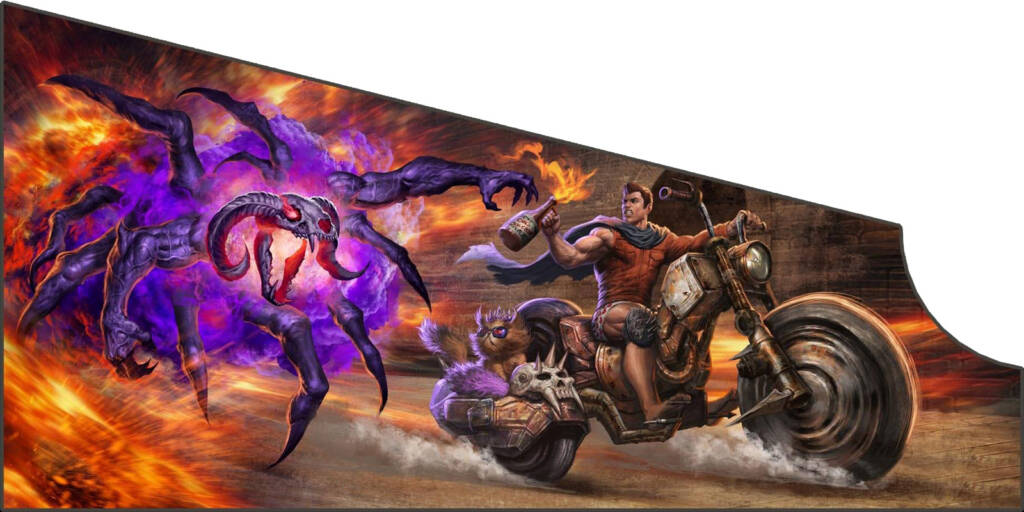
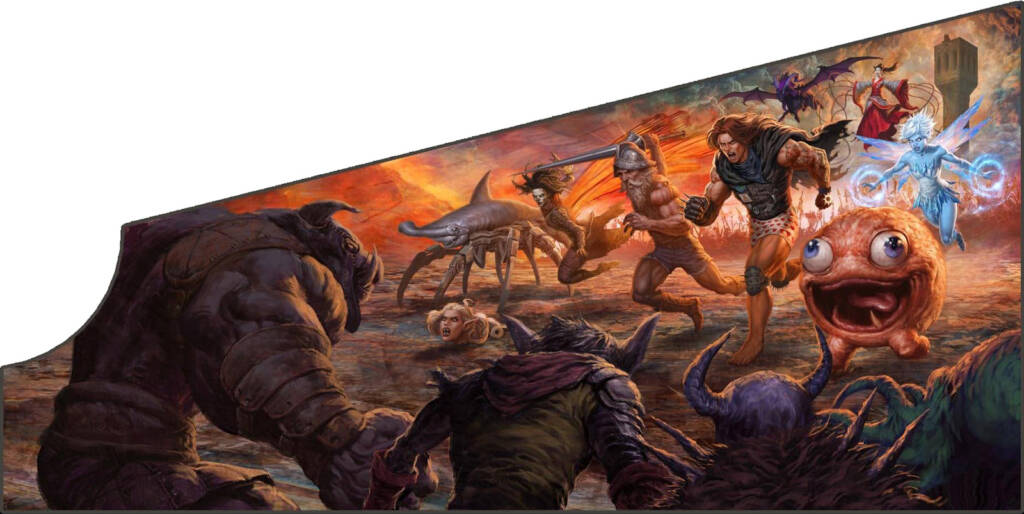
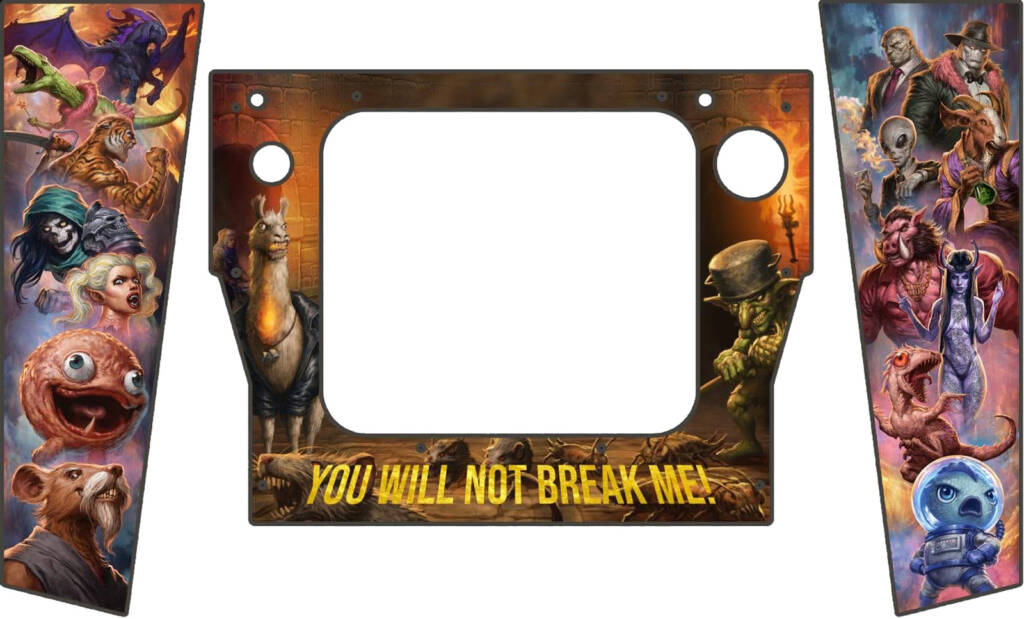
The visual identity of the Dungeon Crawler Carl machine is the result of a deliberate collaboration between the developer and the author. Matt Dinniman, who provided direct input on the project, suggested several artists to the Multimorphic team. Ultimately, Luciano Fleitas—the artist responsible for the original book cover illustrations—was selected to design the cabinet and backbox artwork, ensuring a seamless aesthetic transition from the page to the machine.
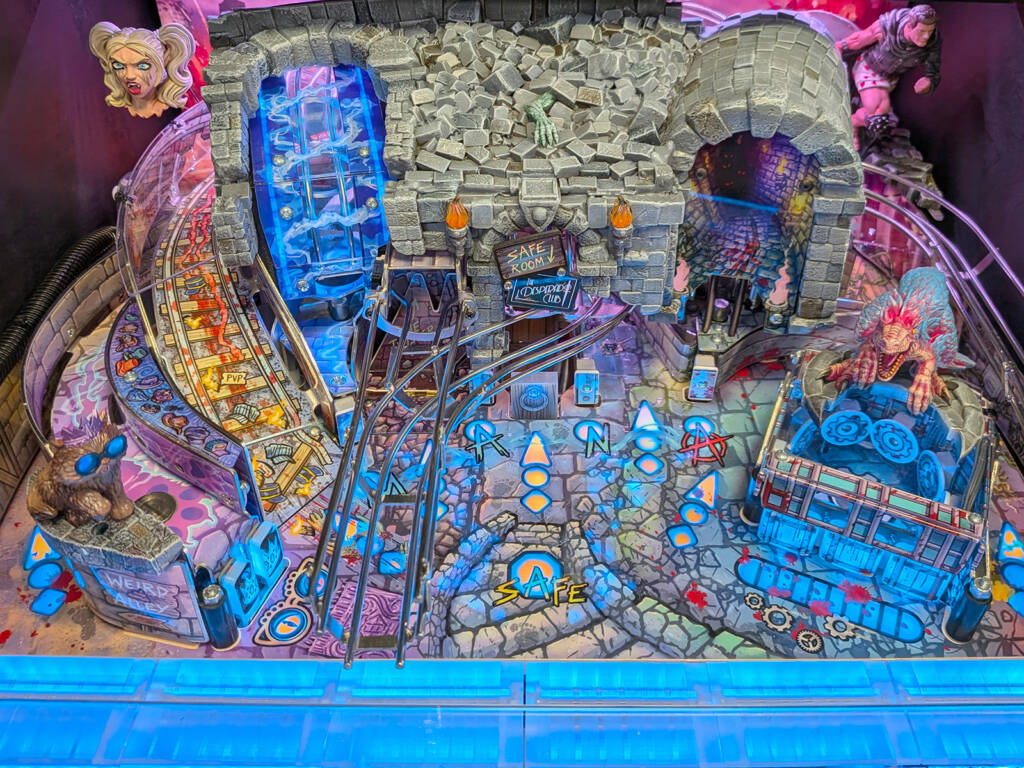
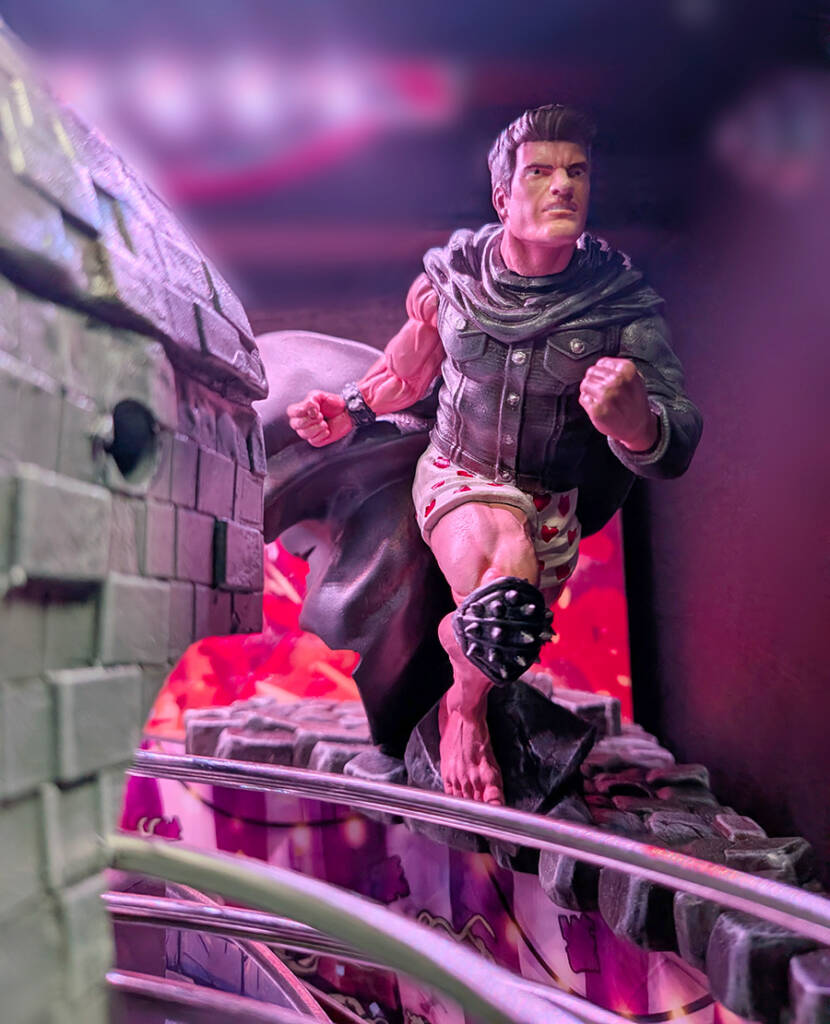
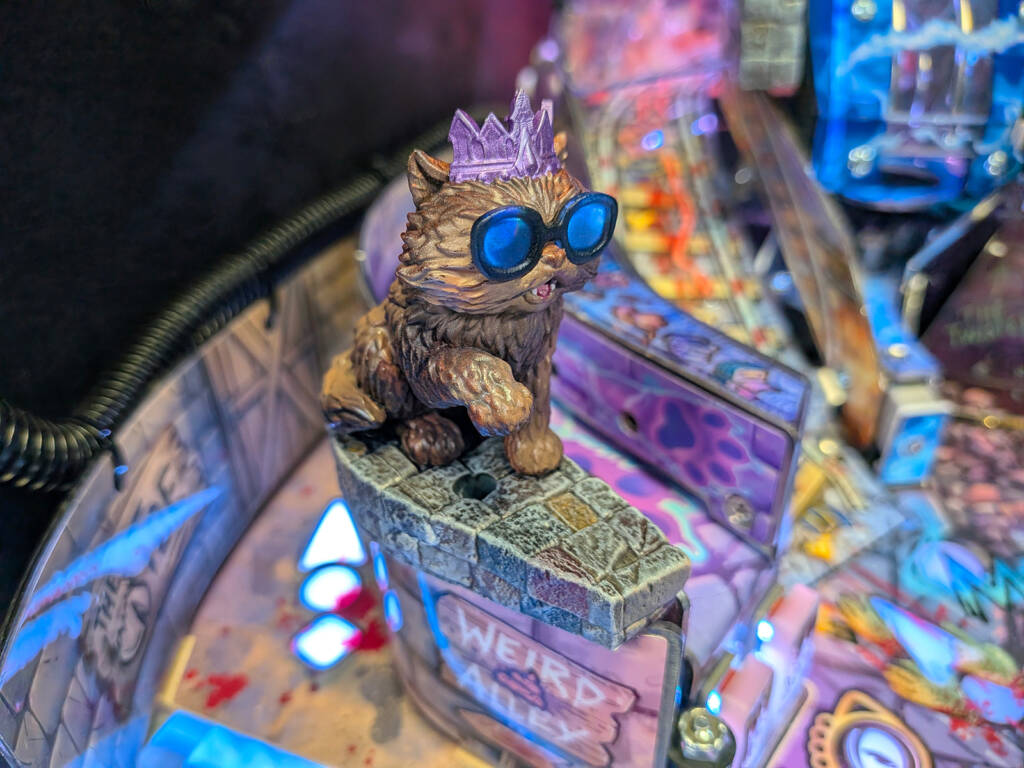
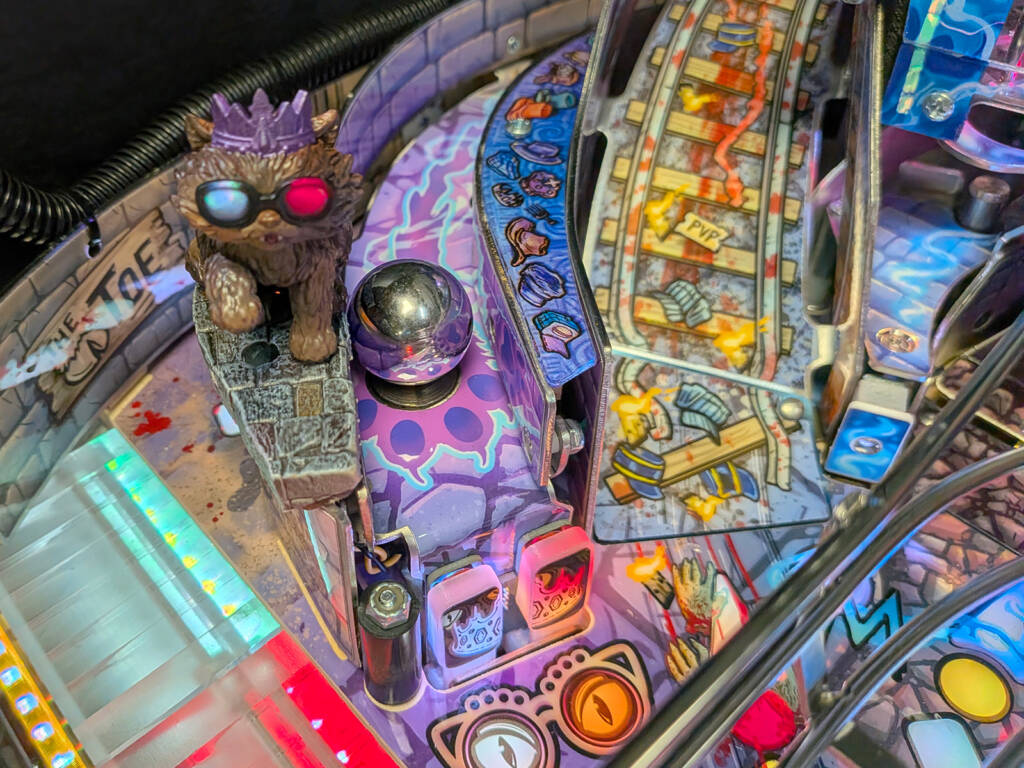
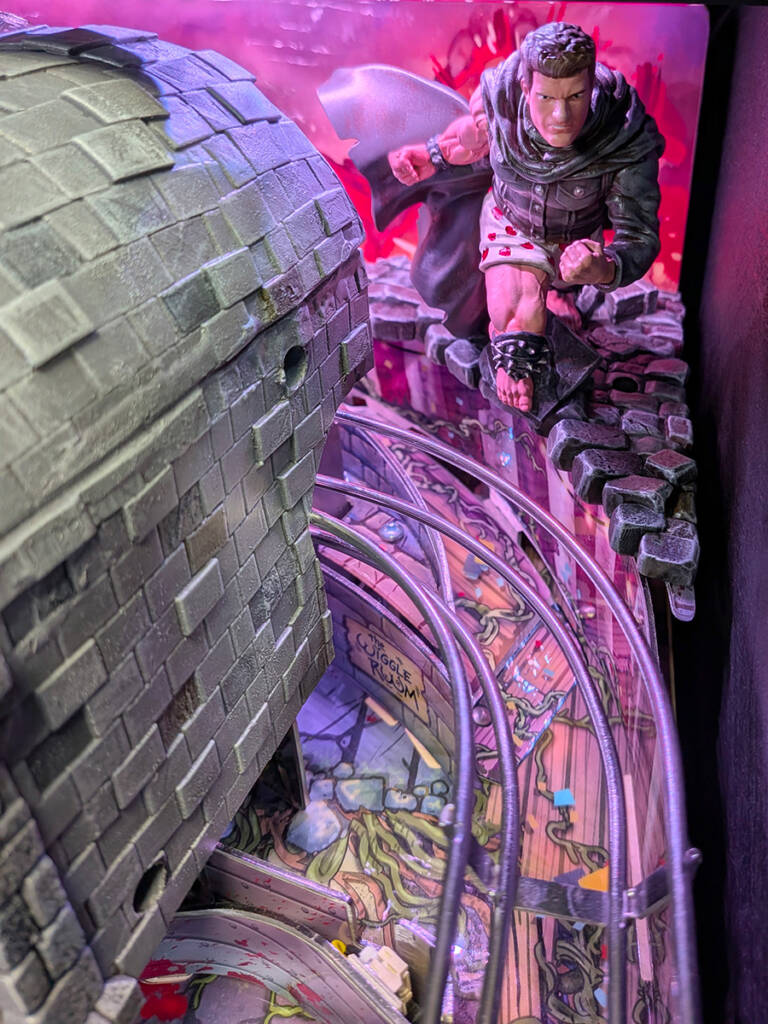
For the under-glass playfield elements, Multimorphic turned to illustrator Brad Albright, known for his work on the Portal and Winchester Mystery House titles. Albright’s experience in adapting complex themes into the P3’s unique display-integrated playfield allowed for a cohesive look that blends digital assets with physical sculpts. The physical character representations, including Carl, Princess Donut, Mongo, and Samantha, were masterfully produced by Davey Price of Stumblor Pinball, adding a tangible layer of depth to the immersive experience.
The audio experience is equally robust. Rather than relying on generic voice acting, the team secured the talents of Jeff Hays, the narrator of the original Dungeon Crawler Carl audiobooks. Hays provided a library of custom callouts, ensuring that the character voices resonate with the established tone of the source material. Recognizing the adult nature of the series, the developers have included a software option to censor mature language, providing players with the flexibility to adjust the game’s tone to their environment.
Strategic Licensing and Asset Integration
The development of Dungeon Crawler Carl highlights the modern trend of inter-licensor cooperation. Unlike film or music licenses that often come with rigid asset restrictions, Matt Dinniman has actively fostered a collaborative environment for his licensees. This access was pivotal for Multimorphic; Renegade Game Studios provided essential imagery from their tabletop RPGs, while Playmates Toys assisted in refining the design of the character sculpts.
This collaborative approach allowed the team to bypass the limitations often associated with book-based licenses, which typically lack the pre-rendered video and audio assets found in film-to-pinball adaptations. By leaning into the rich narrative lore of the first seven books and using the seventh book as the basis for the game’s climax—the "Wizard Mode"—the team has created an experience that functions as a comprehensive digital journey through the series.
Production Timeline and Economic Impact
Multimorphic has set a tentative production schedule for late 2026. The company is offering the game both as a complete, fully branded P3 machine at a price point of $12,350 and as a game kit for existing P3 owners for $5,250. This pricing structure remains consistent with the company’s long-term strategy of providing affordable entry points for existing customers while attracting new owners to the platform.
The launch of two titles simultaneously is a logistical challenge that the Multimorphic team has addressed by running their development teams in "lockstep." Gerry Stellenberg, head of Multimorphic, noted that while the development cycles of multiple games naturally overlap, the decision to share the fundamental playfield design between Dungeon Crawler Carl and Enders Game allowed for a faster, more synchronized development process. This strategy effectively doubles the company’s output potential for the 2026 fiscal year without splitting the focus of their primary engineering staff.
Broader Implications for the Pinball Industry
The success of the P3 platform, and now this dual-release strategy, signals a shift in how boutique pinball manufacturers approach hardware. By standardizing the "chassis" of the game and allowing for varied, theme-specific "skins" and mechanical modules, Multimorphic is essentially applying the "platform" business model—common in gaming consoles and software—to the physical world of pinball.
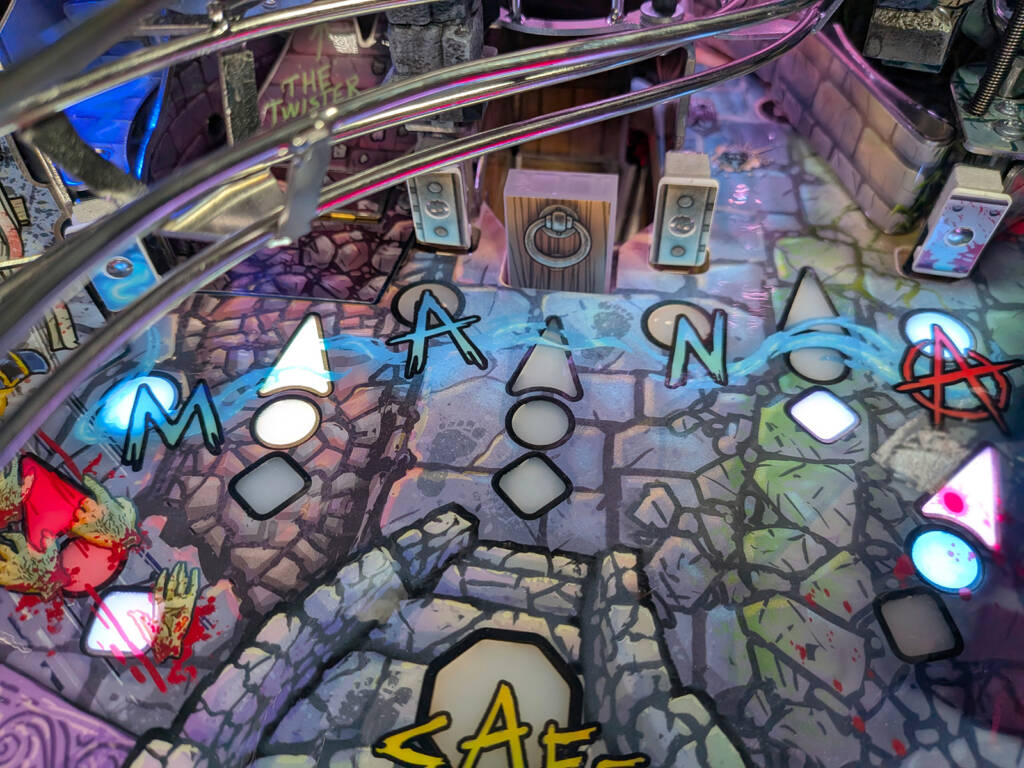
This modularity mitigates the high barrier to entry for pinball ownership. A user who purchases a P3 machine can, over the course of several years, keep the same cabinet and backbox while rotating through various playfield modules. As these modules become more sophisticated—incorporating rotating disks, cannon mechanisms, and advanced lighting—the gap between a static, traditional pinball machine and a modular, upgradeable system continues to narrow.
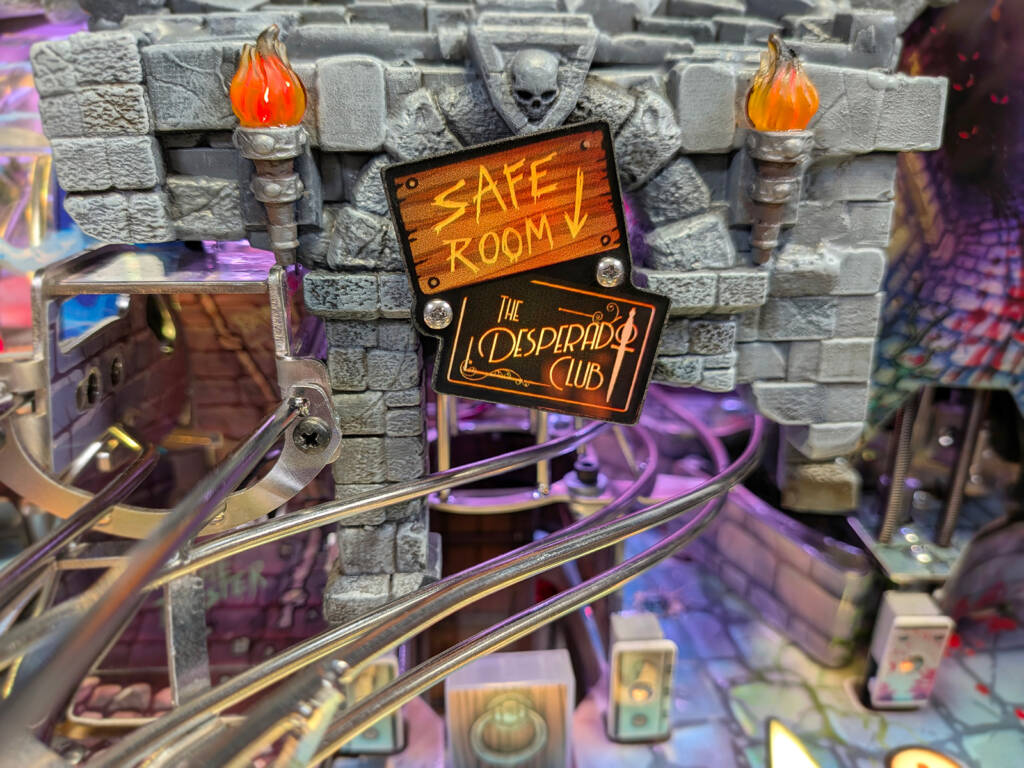
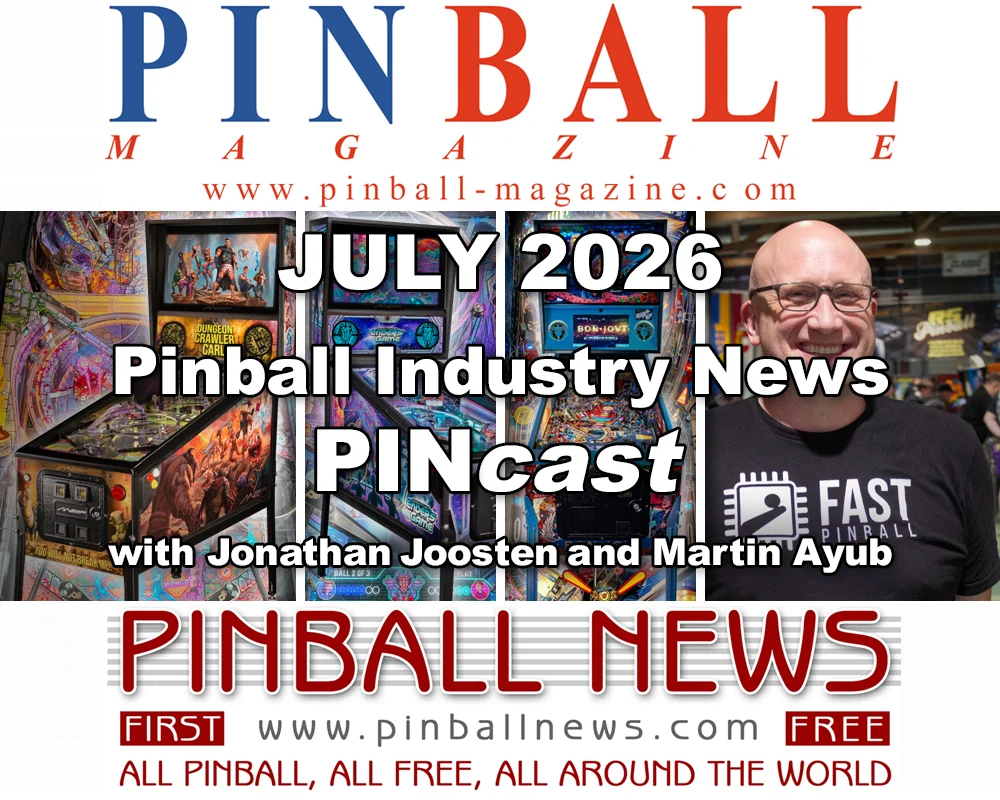
Industry analysts will be watching the late 2026 release closely to see if this model can scale. If the demand for Dungeon Crawler Carl and Enders Game mirrors the success of previous P3 releases, it could validate the dual-release model as a viable path for other small-to-mid-sized manufacturers. For now, the focus remains on the upcoming PINcast, where the design team will provide further insights into the creative hurdles and technical triumphs that led to the realization of these two distinct, yet technically intertwined, worlds.
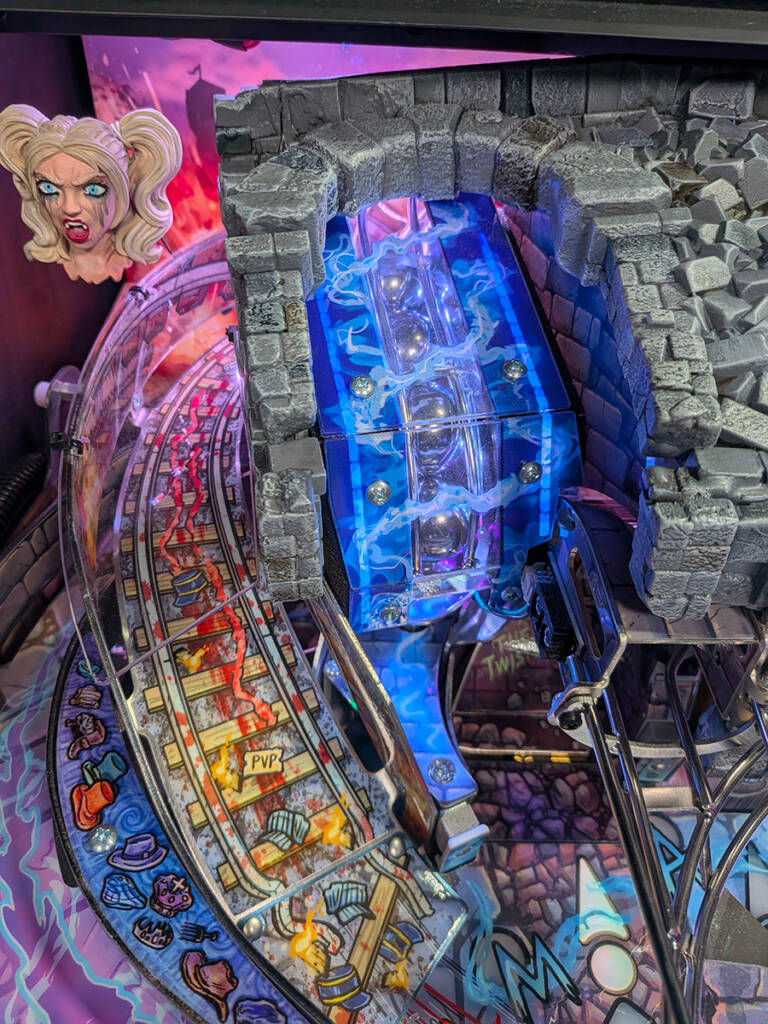
As the pinball community looks toward 2026, the arrival of Dungeon Crawler Carl represents more than just a new machine; it is a testament to the growth of independent game design and the power of collaborative licensing in the modern age. Through the integration of high-fidelity mechanical features and deep-lore adherence, Multimorphic is positioning itself to capture the attention of both traditional collectors and a new generation of fans who have grown up with the Dungeon Crawler Carl series.