Cecilia Chamidah Nur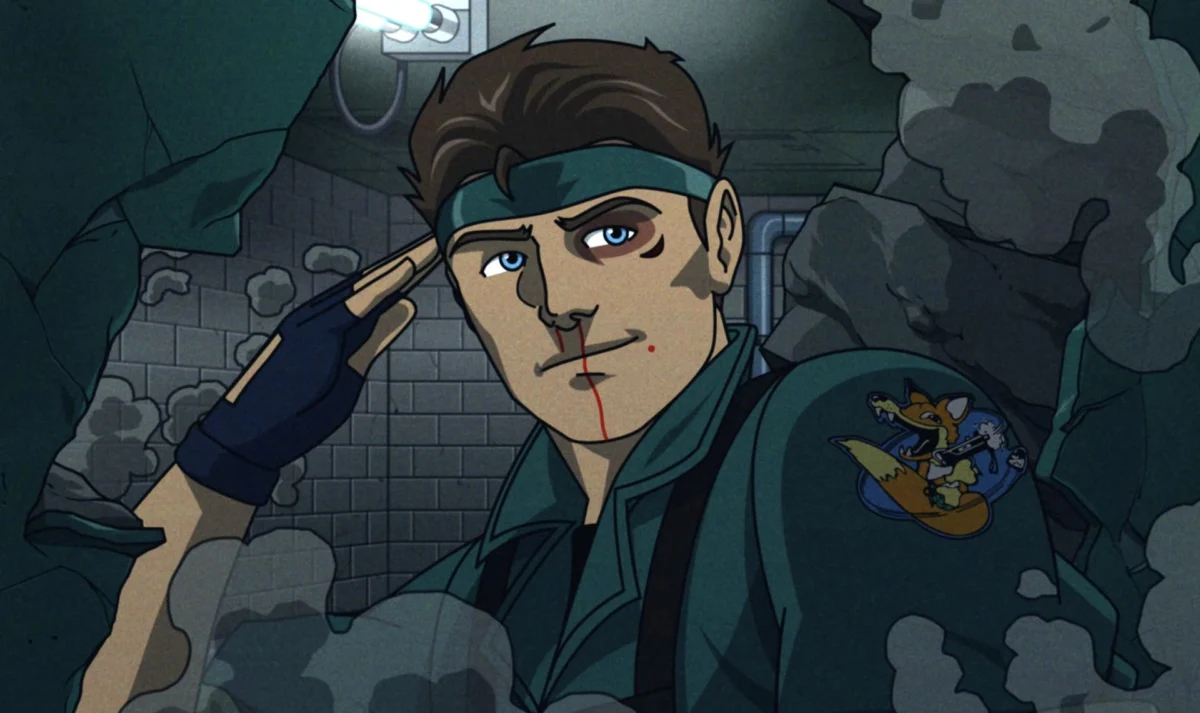
The landscape of retro gaming continues to evolve as preservationists, homebrew developers, and hardware manufacturers collide with modern technology. This week has seen a significant intersection of artificial intelligence, high-end hardware manufacturing, and the unearthing of long-lost development histories. As the community marks major milestones, such as the 25th anniversary of the Nintendo GameCube, the discourse surrounding the ethics of machine-assisted translation and the legitimacy of physical media releases remains at the forefront of the industry.
The Debate Over AI-Assisted Localization
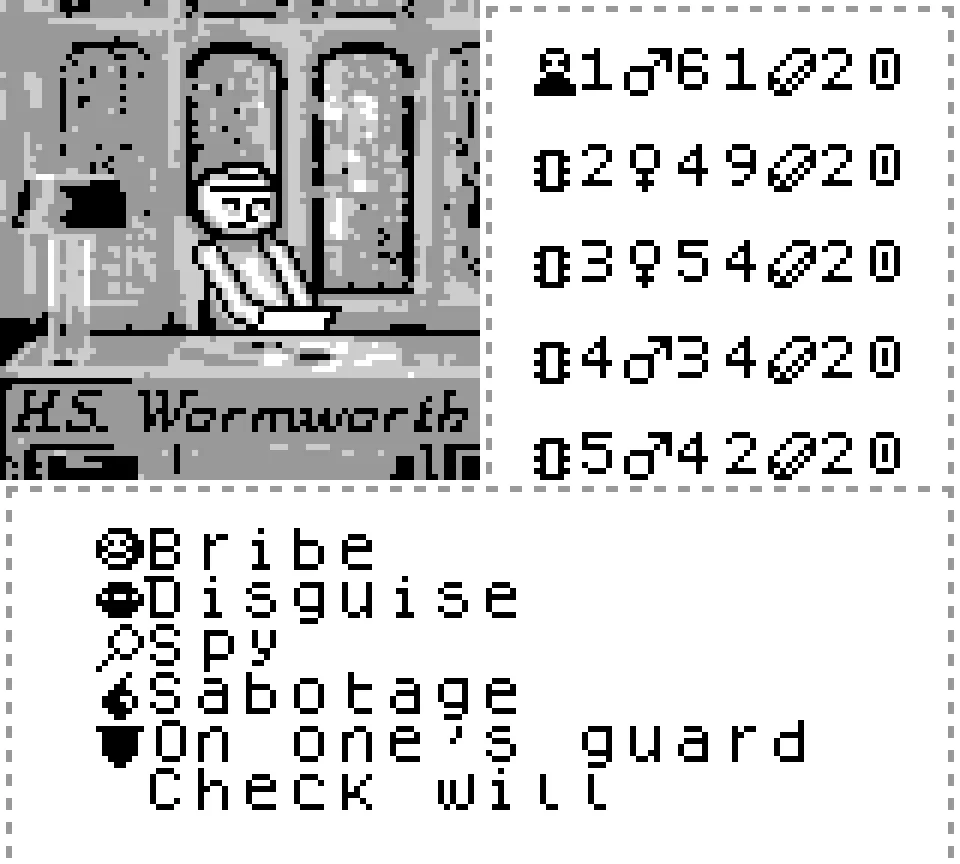
The release of a second English translation patch for the Sega CD version of Shadowrun has reignited the contentious debate regarding the use of artificial intelligence in fan-led preservation projects. Developer RetchE, who released the patch following a similar move by fellow modder MadMorigan, clarified that while the project utilizes machine translation, it is bolstered by manual editing, playtesting, and syntactic refinement.
From a technical standpoint, machine translation often struggles with the cultural nuances and idiomatic structures inherent in 16-bit Japanese software. Critics of the method argue that it risks diluting the original artistic intent, whereas proponents suggest it provides a functional bridge for titles that would otherwise remain inaccessible to non-Japanese speakers due to the high costs of professional human localization. The community reaction suggests a growing divide: purists favor traditional human-led translation, while pragmatic players prioritize accessibility. RetchE has acknowledged that while the patch is functional, it does not replace the need for further refinement, highlighting the current limitations of AI in literary game localization.
Hardware Evolution: The Retro Fighters Brawler64 Pro
The hardware market continues to cater to a demographic that demands modernized ergonomics for legacy consoles. Retro Fighters has officially released the Brawler64 Pro, priced at $69.99, marking a significant iteration in their controller lineup. Unlike the original 2019 model, which established the company’s reputation for adapting the polarizing Nintendo 64 controller layout into a more ergonomic, dual-analog configuration, the Pro model focuses on refined aesthetics and "skeleton" colorways.
The transition toward premium-priced controllers for aging hardware reflects a broader shift in the retro market. Data indicates that as original first-party controllers suffer from wear and tear—specifically stick degradation—third-party manufacturers have stepped in to fill the vacuum. The Brawler64 Pro represents an attempt to bridge the gap between "authentic" play and modern comfort standards, a segment of the market that has seen steady growth over the last five years.
Retrospective: The Making of Strider II and the GameCube Anniversary
The history of software development is often defined by its failures as much as its successes. Dan Curley, a former tester for Tiertex, recently provided an exhaustive account of the development of Strider II for the early 90s home computer market. His testimony serves as a cautionary tale regarding the chaotic nature of licensed software production during the 16-bit era, where development timelines were often rushed and quality assurance was frequently hampered by hardware limitations.
Coinciding with this look at the past is the 25th anniversary of the Nintendo GameCube in Japan. The console, known for its distinct cubic design and handle, remains a focal point for collectors. Ken Christiansen, a notable artist who worked on Wave Race: Blue Storm, recently shared insights into his contributions, illustrating the fluid nature of developer movement during the transition from the late 1990s to the early 2000s. Christiansen’s transition from Nintendo Software Technology to Disney Interactive reflects a broader trend of talent migration that defined the industry at the turn of the millennium.
Preservation and Homebrew: Zero Wing and Kid Kirby
The Neo Geo, a console renowned for its longevity in the arcade and home markets, is receiving a new lease on life through an unofficial port of Toaplan’s Zero Wing. The project, led by homebrew developer h0ffman, has gained official recognition following sightings at the Tokyo Game Show. This development signals a shift in how legacy intellectual property is handled; while once strictly guarded, companies like Plaion are increasingly acknowledging the homebrew community’s role in keeping classic titles relevant.
Simultaneously, the fan-led recreation of the cancelled SNES title Kid Kirby has reached a playable state. Originally envisioned as a showcase for the SNES Mouse peripheral, the project’s cancellation in 1995 remains a point of interest for historians. The homebrew recreation available on itch.io allows for a "what if" analysis of a game that was meant to capitalize on the popularity of Mario Paint. By using modern development tools to reverse-engineer concepts from historical documentation, these developers are providing a window into the design philosophies of the 1990s.
The Legal and Corporate Mysteries: Pixar vs. Nintendo
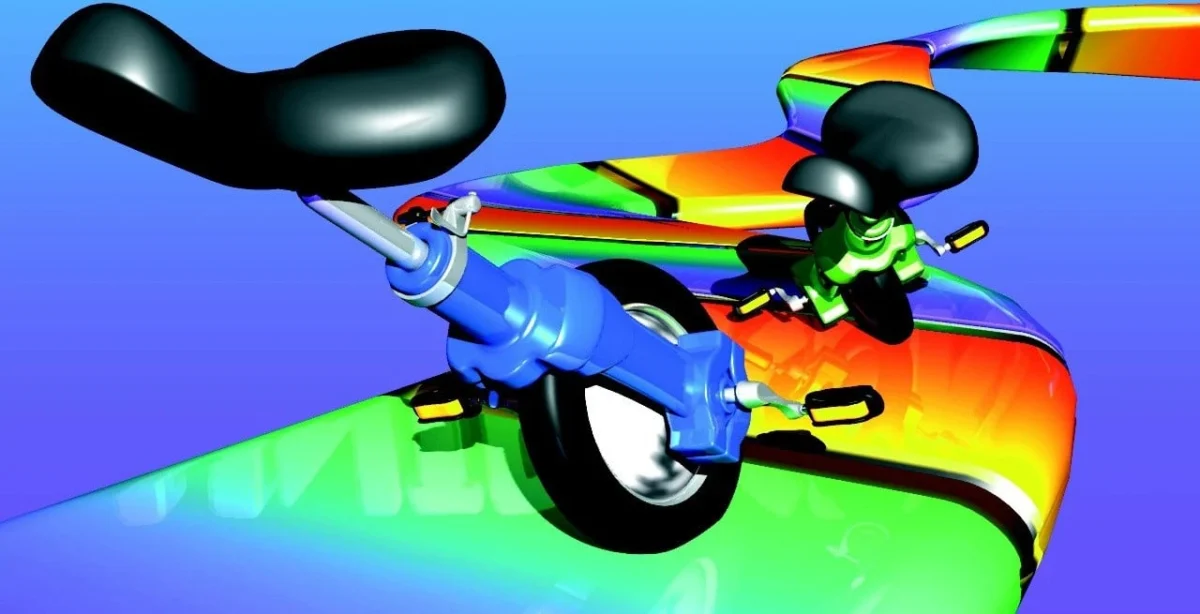
A long-standing urban legend regarding a legal dispute between Pixar and Nintendo over a racing game produced by DMA Design has surfaced for further investigation. The narrative suggests that a licensing or copyright conflict led to a restricted release of a title featuring sentient unicycles. While the veracity of the claim—that only 300,000 units were produced due to a court order—remains under scrutiny, the pursuit of these answers highlights the difficulty of tracking corporate records from the mid-90s. Such cases illustrate the importance of archival journalism in gaming, as corporate memory often fades, leaving researchers to rely on scattered documentation and anecdotal evidence.
Artistic Homage and Physical Media
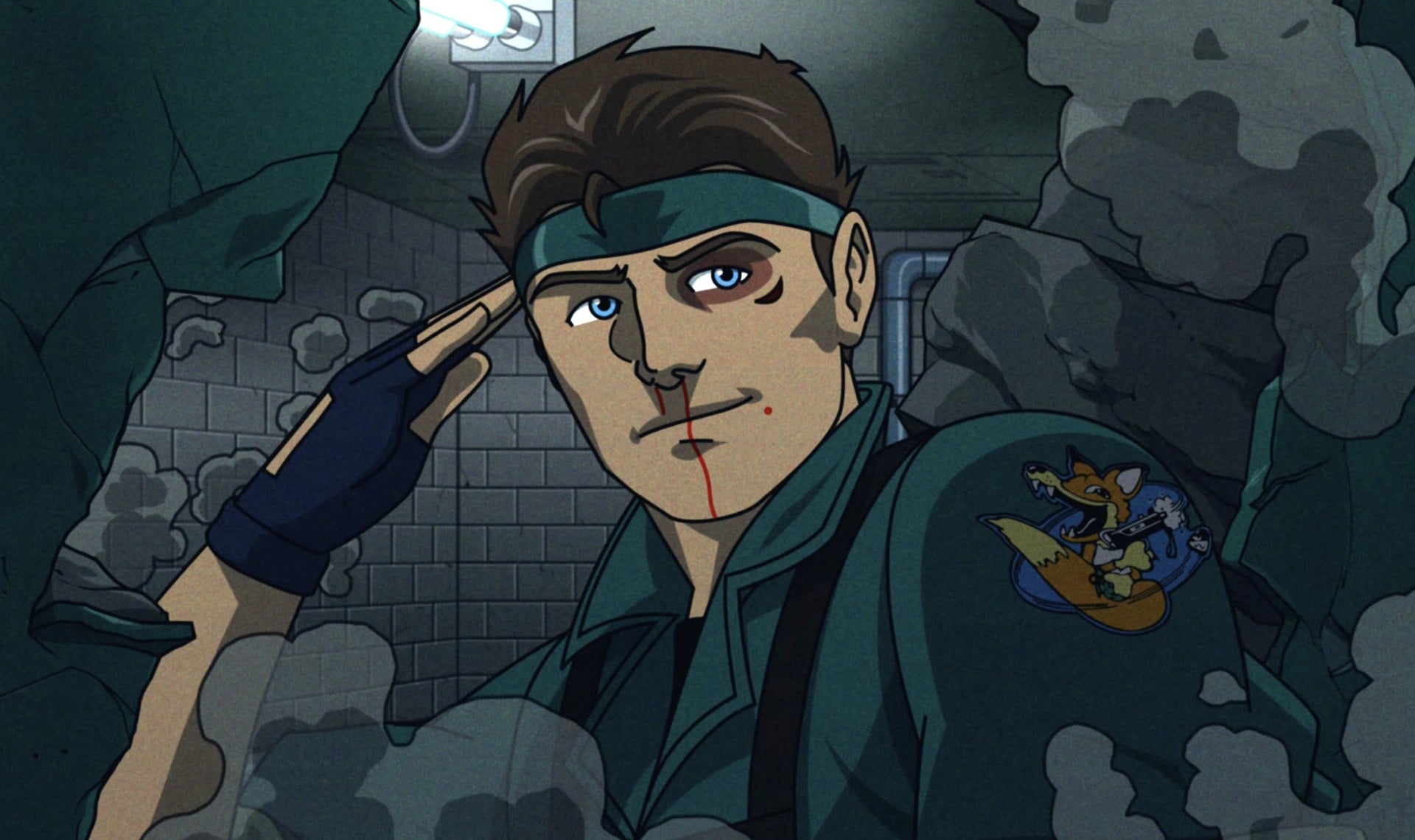
Artist Mitchell Hammond has returned to the spotlight with a short, high-fidelity animation sequence titled "Metal Gear Snake Returns." The piece adapts a classic segment from the 1987 MSX2 Metal Gear game. By reinterpreting the original pixel art into a modern cinematic format, Hammond contributes to the ongoing "transmedia" trend where retro titles are adapted into new visual languages. This serves to introduce classic narratives to a generation of players who may not have access to the original hardware.
Finally, the physical media market continues to thrive at the premium end, evidenced by the release of the £130 Zool Ultimate Archive Edition. The package, produced by 33 Games, represents the industry’s increasing pivot toward "collector-first" models. Despite minor manufacturing setbacks—such as the absence of a limited-edition collector’s coin—the demand for such high-priced, physical editions suggests that retro enthusiasts place a high value on tangible ownership in an increasingly digital world.
The week’s events underscore a multifaceted industry. Whether through the controversial integration of AI in localization, the high-cost manufacturing of modern controllers, or the meticulous recreation of cancelled titles, the focus remains on sustaining the legacy of classic gaming. As these projects continue to surface, the industry must balance the ethics of innovation with the necessity of authentic preservation. The intersection of these efforts ensures that even as the hardware ages, the software and its history remain dynamic, evolving, and ultimately, deeply relevant.