Arya Paningal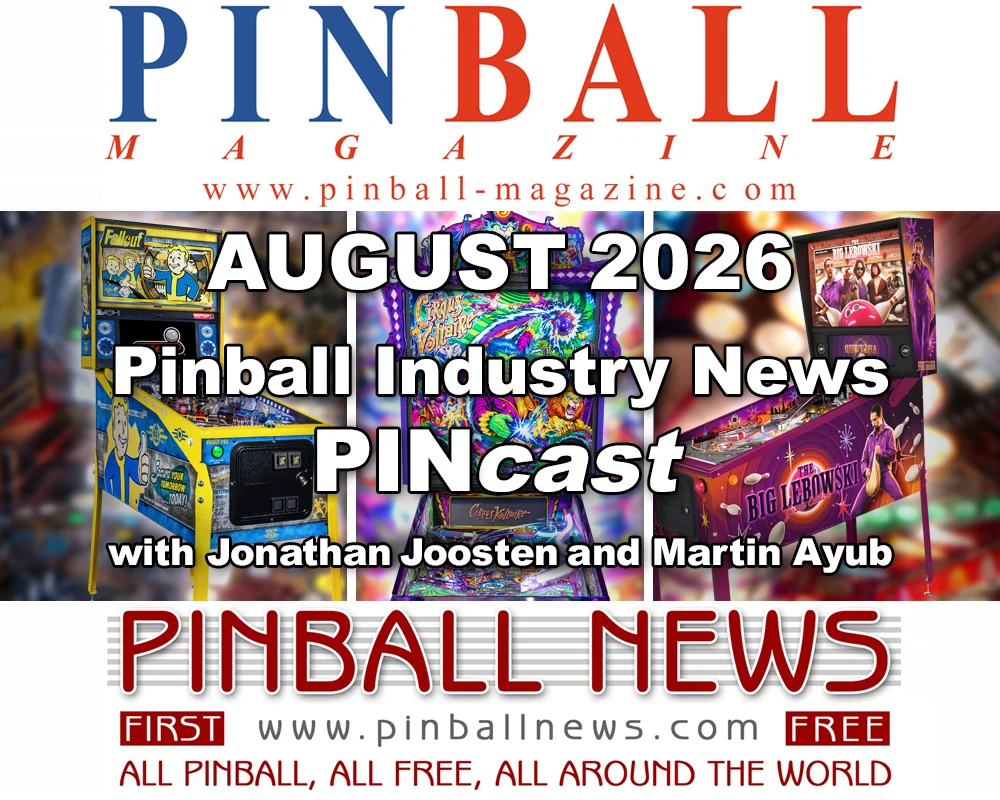
The pinball industry is currently navigating a period of unprecedented output, characterized by a rapid succession of major intellectual property acquisitions, technological refreshes of classic titles, and the diversification of home-market accessibility. The August 2026 edition of the Pinball Industry News (PINcast), hosted by Martin and Jonathan, serves as the definitive record of these developments. This month’s report is particularly significant, as it addresses a high-profile delay in the broadcast schedule necessitated by the long-awaited unveiling of Stern Pinball’s latest marquee title.
The Fallout Reveal and Stern Pinball’s Strategic Direction
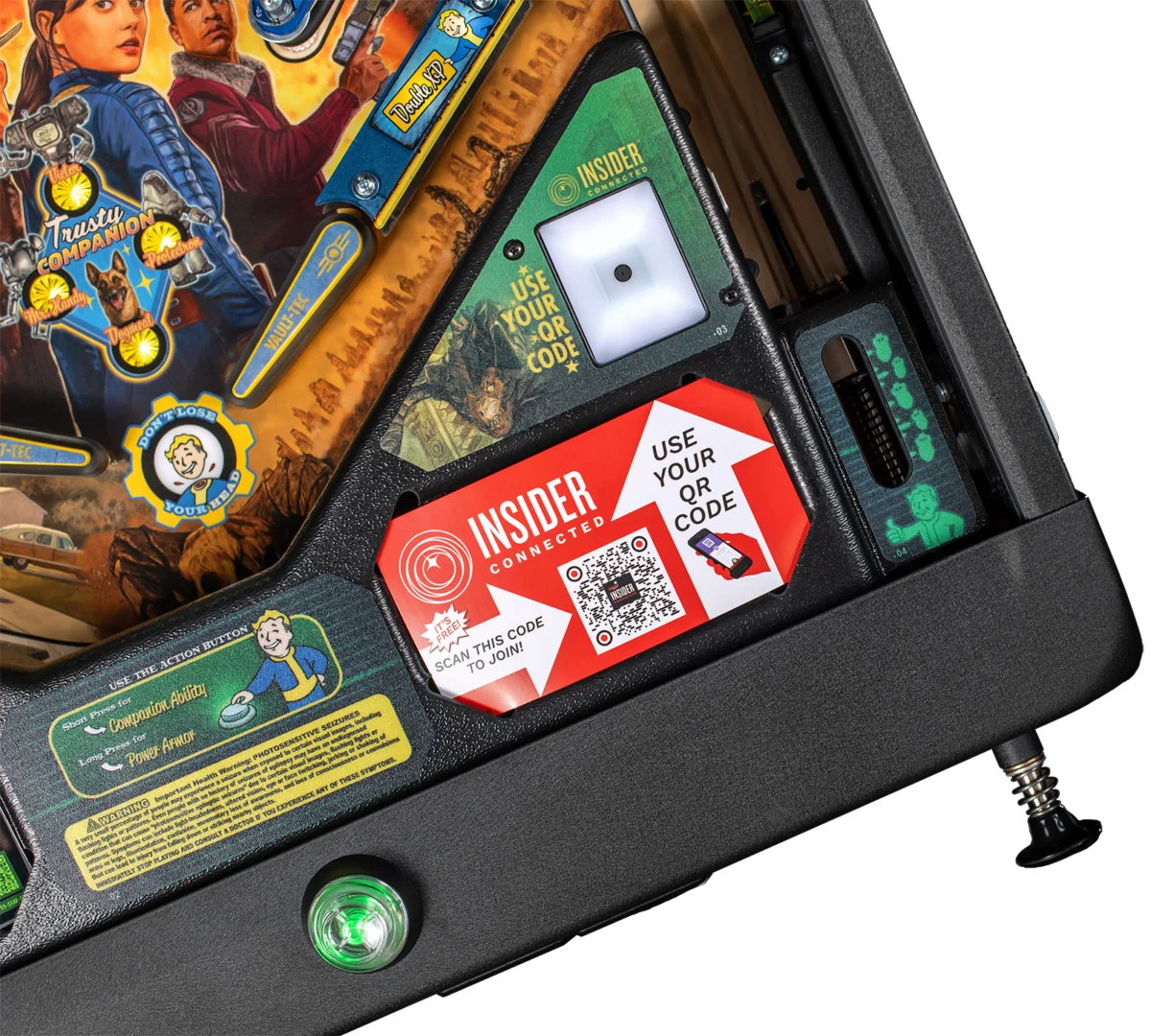
The centerpiece of the current news cycle is the official reveal of the Fallout pinball machine. Designed by the renowned Keith Elwin, the game represents a hybrid approach to product development, functioning simultaneously as a cornerstone release and a studio-level production. By synthesizing visual and narrative elements from the seminal Bethesda Softworks video game franchise and the successful Amazon Prime television adaptation, Stern Pinball is aiming to capture both the hardcore gaming demographic and the broader pop-culture audience.
Technically, the machine marks an evolution in playfield engineering. The inclusion of dual playfields—a sophisticated upper layout paired with a lower counterpart—positions the game as a premium offering. Key mechanical features, such as the integrated rocket launcher and a functioning vault door, highlight a move toward more interactive, physical playfield toys that break away from traditional ramp-and-target layouts. Industry analysts note that this level of mechanical complexity inevitably leads to a higher price point, raising questions regarding the accessibility of "pro-level" hardware for the average collector. The PINcast provides essential data on distribution, including where the machine will be deployed for public play and where interested parties can access commentary from Keith Elwin regarding the design process.
In a move to balance the high-end market, Stern has simultaneously launched a "Home Edition Plus" variant of their Pokémon machine. Exclusive to Costco in the United States, this model represents a pivot toward the mass-market consumer. Early feedback indicates that the machine has been well-received, suggesting that the "Home Edition" category, once dismissed by purists as inferior, is becoming a vital entry point for new enthusiasts.
The Remake Renaissance: American Pinball and The Big Lebowski
The market for "reimagined" classics continues to flourish, as evidenced by American Pinball’s move into the remaking space. Following their strategic announcement in March 2026, the company has officially unveiled their take on the 1997 Bally classic, Cirqus Voltaire. Rather than a simple reproduction, American Pinball has opted for a comprehensive overhaul, rebranding the machine with "Classic" and "Ringmaster" editions.
This trend reflects a broader industry movement: updating legacy code and mechanical systems with modern, reliable hardware while preserving the aesthetic charm of the 1990s era. By utilizing contemporary PCB designs and LED lighting, companies are ensuring that historical titles remain viable in a modern, high-uptime commercial environment.
Simultaneously, Dutch Pinball has demonstrated that long-running titles can still receive significant updates. The Big Lebowski, a game that has seen a decade-long production cycle, has received a new "Jesus Edition." Limited to 300 units, this release is not merely a cosmetic change; it introduces specific gameplay refinements and software updates. Notably, these enhancements will be retroactively available to existing owners of The Big Lebowski, a move that fosters brand loyalty and prevents the obsolescence of earlier hardware revisions.

Global Expansion and the UK Pinfest
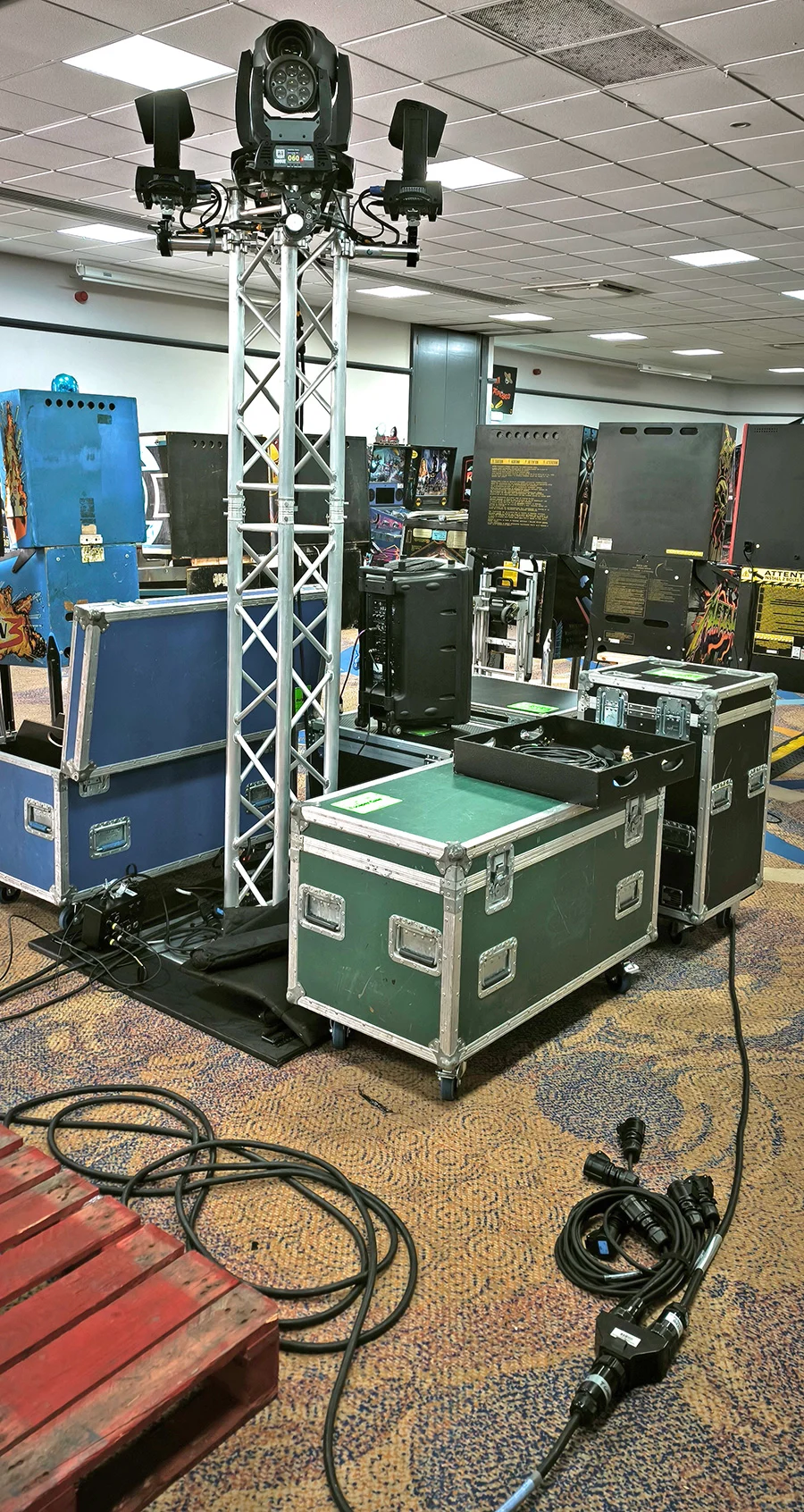
The PINcast also highlights the globalization of pinball culture. Barrels of Fun’s Bon Jovi machine, which was announced in the previous month, has successfully transitioned to the international stage. Capitalizing on the band’s three-night residency at Wembley Stadium in London, the game was featured at the UK Pinfest. This strategic placement in the UK market—facilitated by the tour—allowed for high-visibility testing and engagement. On-the-ground reporting from the event confirms that the machine’s integration of music-licensed gameplay is resonating with international audiences, providing a blueprint for how future music-themed titles may be marketed.
Innovation in Platforms and Ecosystems
Multimorphic continues to push the boundaries of the P3 platform with the introduction of its 30th module, "Carni-Ball Night," a retheme developed by Deluxia Studios for the existing Weird Al playfield. The modularity of the P3 system remains a unique value proposition, allowing for significantly lower overhead for software developers and providing collectors with a way to refresh their existing hardware without the need for additional floor space.
Complementing this, Turner Pinball has launched "PinAccess," a centralized portal for score tracking and achievement management. This platform represents a move toward the "gamification" of the pinball experience, mirroring the social connectivity found in console gaming. The integration of PinAccess into third-party machines, specifically the new American Pinball Cirqus Voltaire, suggests a push toward industry-wide standardization of digital services. Beyond social features, PinAccess functions as a procurement tool, offering users preferential shipping timelines and significant cost savings. This vertical integration—combining hardware sales, logistics, and digital services—is a development to watch, as it potentially streamlines the often-fractured pinball distribution network.
Corporate Consolidation and Industry Interconnectivity
The August PINcast also clarifies the shifting landscape of corporate relationships within the industry. There has been ongoing industry speculation regarding the operational overlap between Pinball Brothers, Pedretti Gaming, and Euro Pinball. The PINcast features an interview with the CEO of Pinball Brothers, providing much-needed transparency regarding their internal R&D efforts and collaborative strategies. Understanding these corporate alliances is essential for observers, as these partnerships dictate the pace of new machine releases and the availability of replacement parts across the European market.
Looking Ahead: Expo and Beyond
The final segment of the broadcast serves as a forward-looking analysis of the remainder of the 2026 calendar. As the industry turns its attention toward the upcoming Pinball Expo, several key developments are on the horizon. These include:
- The Wonderland Amusements Turtle Project: The first public look at gameplay footage for this anticipated title will be a major focal point for observers.
- Code Updates: A summary of recent software patches, which continue to refine the rulesets of popular machines long after their initial release.
- Event Logistics: Updated information for next year’s UK Pinfest, including early-bird accommodation discounts, underscoring the importance of these regional shows in maintaining the industry’s momentum.
Analytical Summary: The State of the Industry
The pinball industry in August 2026 is defined by a dichotomy of "prestige" and "accessibility." The high cost of modern, feature-rich machines like the Fallout game reflects the rising costs of raw materials, licensing fees, and complex mechanical labor. Conversely, the success of the Pokémon Home Edition and the modularity of the P3 platform indicate that manufacturers are increasingly cognizant of the need for lower-cost entry points.
The rapid pace of these releases, while exciting for the enthusiast, places significant pressure on both the supply chain and the consumer’s wallet. However, the move toward integrated ecosystems like PinAccess suggests that the industry is maturing, moving away from a collection of fragmented small-batch manufacturers toward a more cohesive, tech-enabled sector. As developers continue to balance the nostalgia of the "classic" era with the expectations of a modern, connected gaming audience, the remainder of 2026 promises to be a period of significant consolidation and refinement.
For listeners and readers, the August 2026 PINcast remains the essential resource for navigating these changes. By consolidating industry news, technical updates, and corporate analysis into a single broadcast, the PINcast ensures that stakeholders—ranging from professional operators to casual home players—remain informed in a rapidly evolving marketplace. The full broadcast is available for streaming or download via the official Pinball Industry News page on Spotify, and the PINcast library. As the business of pinball continues to accelerate, these monthly reports serve as the primary source of truth for the industry at large.